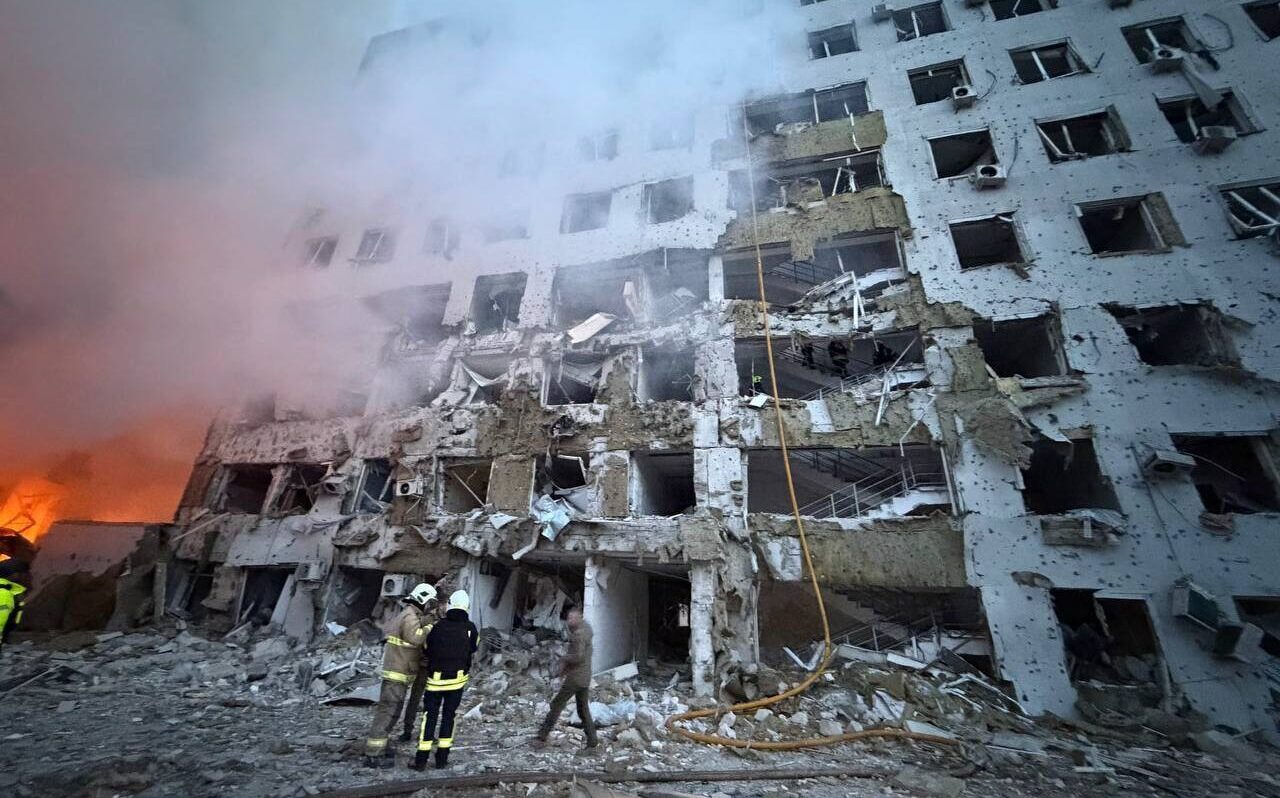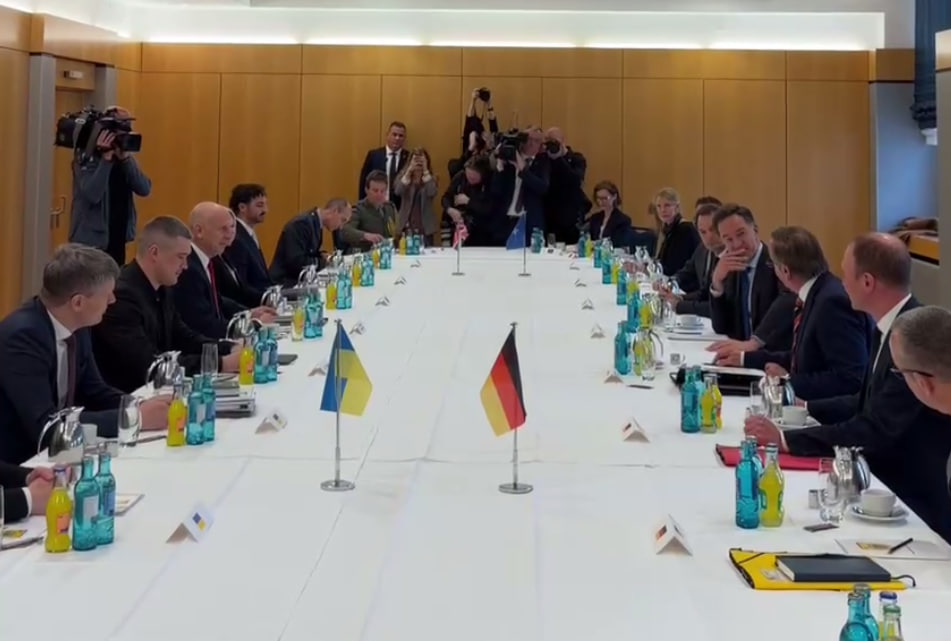


After the latest meeting of the Ramstein Contact Group, Ukraine’s partners agreed on a major defense support package. In total, they allocated more than $5 billion to help Ukraine counter Russia.
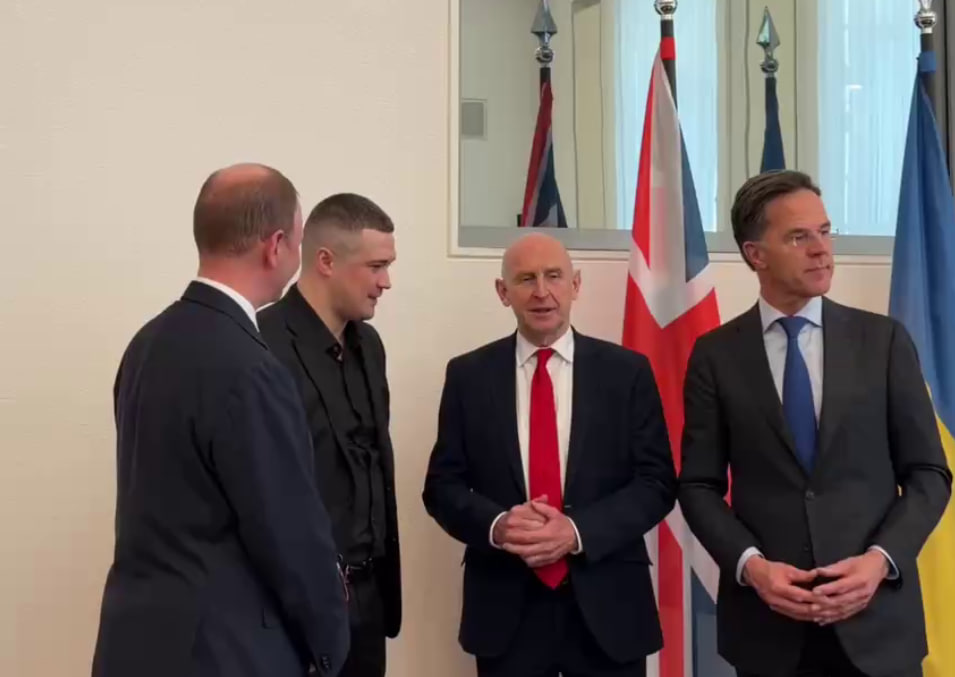
Details
Ukraine’s Minister of Defense, Mykhailo Fedorov, shared the results of the April 15 meeting. According to him, partners allocated $4 billion to strengthen air defense and more than $1.5 billion for drones.
He stressed that these results came from coordinated work with allies. Countries in the Contact Group contributed to boosting Ukraine’s defense capabilities. In particular, they supported air defense within the PURL initiative and committed to supplying missiles for Patriot systems.
Fedorov also said that Ukraine received new contributions to PURL from Belgium, Norway, Bulgaria, Lithuania, and Estonia.
Key decisions by partners
The United Kingdom is providing a major drone support package, the largest in 2026 so far. Meanwhile, the Netherlands will allocate €248 million for drones for Ukraine.
Norway decided to allocate $560 million to equip brigades with drones. In addition, it will provide $150 million to create a logistics hub.
Germany is investing heavily in Ukraine’s air defense, allocating $4 billion. Moreover, Berlin will provide an additional $600 million to develop deep strike and mid-range strike capabilities. Fedorov highlighted the air defense initiative launched by Boris Pistorius, noting that €2 billion has already been directed toward urgent supplies.
Spain will allocate €215 million under the SAFE program. It will also strengthen Ukraine’s air defense by supplying additional Patriot missiles. Estonia is contributing as well, allocating $13 million to PURL.
Canada will provide $15 million to the NSATU fund, $42 million to the Czech initiative, and $17 million for critical engineering equipment.
Lithuania will allocate $39 million to the Czech initiative and $29 million to PURL. It also continues to support Ukraine with armored vehicles and rehabilitation programs for soldiers.
Belgium will contribute €75 million to the Czech initiative, €75 million to Germany’s air defense initiative, and €85 million to the drone coalition. Brussels is also supporting F-16 efforts and plans to tighten sanctions against Russia’s shadow fleet.
Additionally, the United Kingdom, Canada, and Germany signaled plans to expand cooperation in support of Ukraine.
Ukraine’s priorities
According to Fedorov, the Ukrainian team presented a new project at Ramstein aimed at training AI systems using battlefield data. Ukraine’s key priorities remain clear: strengthening air defense, scaling drone and missile production, and supplying the front with longer-range ammunition.
Fedorov emphasized that supporting Ukraine today means investing in shared security. He thanked partners for their assistance and the President of Ukraine for leadership on the international stage.
“Despite one of the hardest winters and massive missile and drone attacks, we held the line. Following the President’s instructions, we strengthened air defense, contained and exhausted the enemy on the battlefield. At the same time, we are putting pressure on the aggressor’s economy, especially in the energy sector, limiting its ability to fund the war,” Fedorov said.
Earlier, The Ukrainian Review reported that the United Kingdom plans to deliver at least 120,000 drones to Ukraine in 2026. Supplies have already begun as part of broader military assistance.