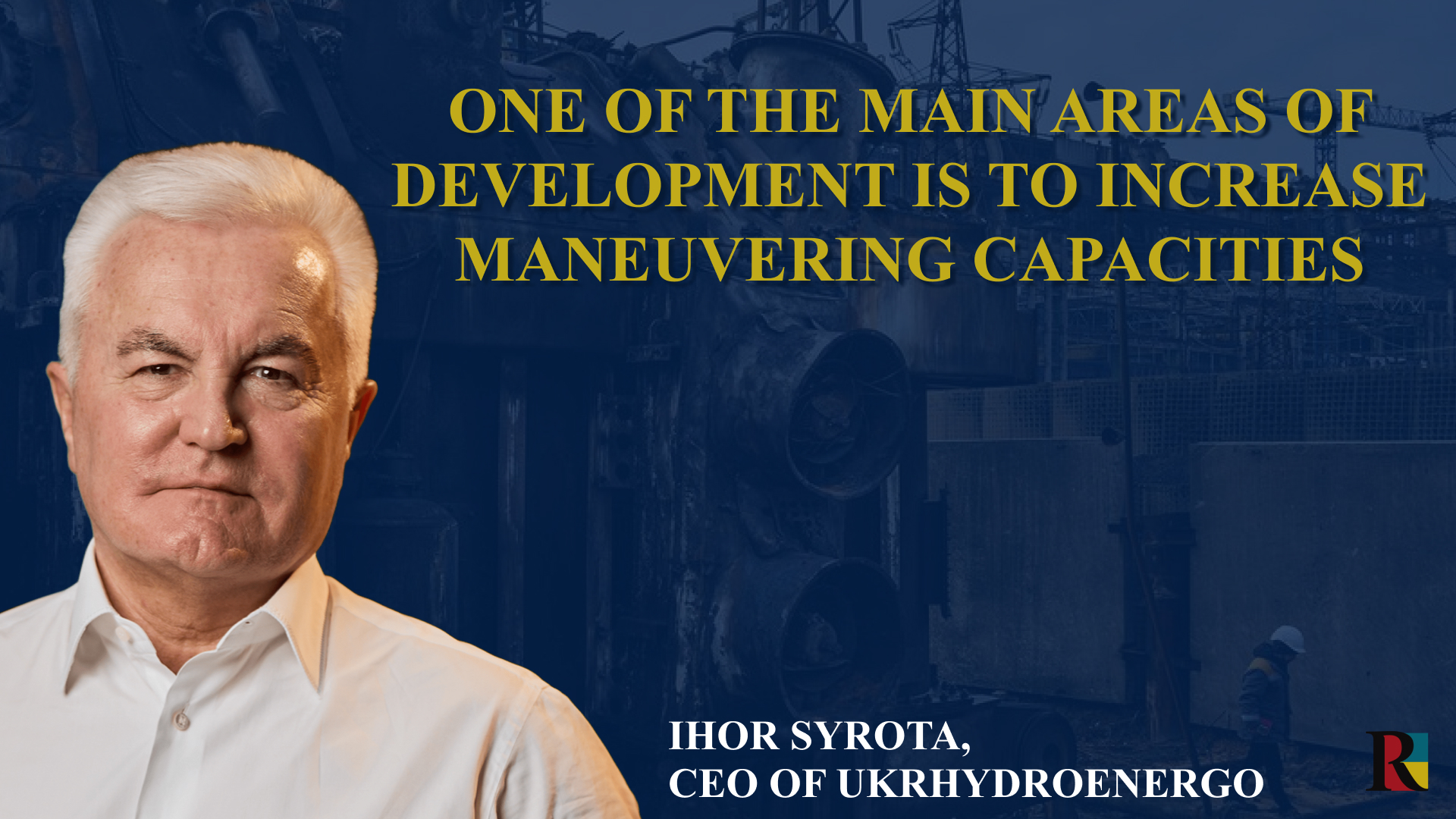


Hydropower is one of the key sectors of the Ukrainian energy sector. Itʼs serving as a maneuverable and environmentally friendly energy source during the war and will continue long after it. Ihor Syrota, CEO of Ukrhydroenergo, explained why the development of this particular energy sector is a priority for investors
D.M.: What losses has Ukraine’s hydropower industry suffered as a result of Russia’s military aggression and how quickly is it possible to restore damaged facilities?
Since the beginning of the full-scale Russian invasion, Ukrhydroenergo’s plants have been attacked about 150 times. All Ukrhydroenergo’s power plants suffered from massive combined missile attacks, with significant damage to the equipment. However, thanks to the coordinated work of power engineers working 24/7, a significant part of the damaged equipment has been repaired and restoration work is underway. As for how quickly we manage to restore the destroyed equipment, I would like to note that such work requires considerable efforts, including significant financial resources, long production times and, of course, the involvement of a large number of specialists.
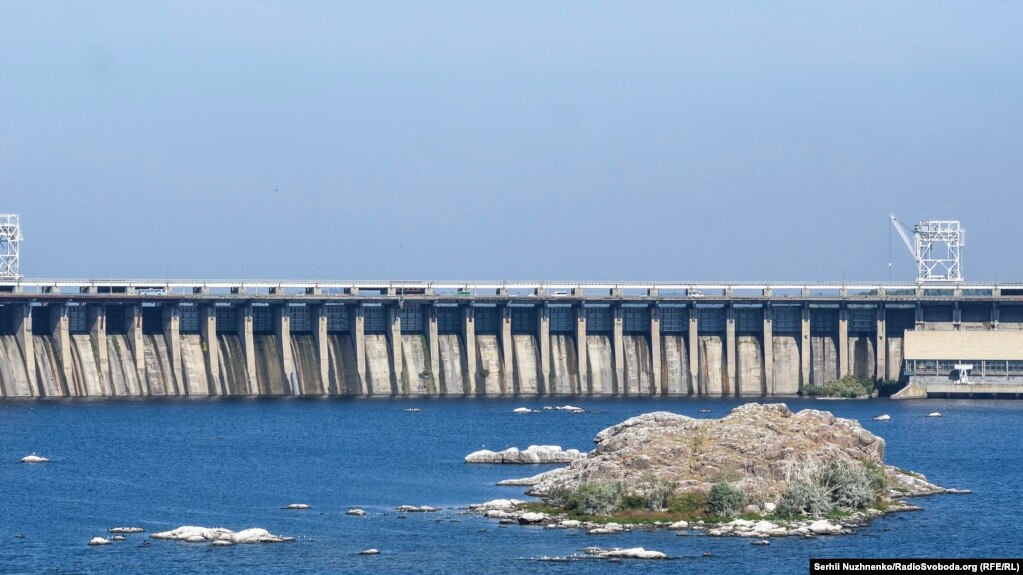
D.M.: In 2023, the government approved a pilot project to restore the Kakhovka HPP. At what stage is it now?
I.S.: Yes, in July 2023, the Cabinet of Ministers of Ukraine approved a resolution on a pilot project to restore the Kakhovka hydroelectric power station, which included two stages. The first is the design of facilities as part of the preparatory measures for the Kakhovka hydroelectric power station, as well as the design and construction of a retaining structure in the downstream of the Dnipro HPP. The second stage will begin after the de-occupation and demining of the territory. It provides possibility for the inspection and dismantling of the destroyed structures and facilities of the Kakhovka hydroelectric power station, the development of a project for the construction of the Kakhovka HPP, and the construction of facilities as part of the preparatory measures for the Kakhovka hydroelectric power station.
As part of the first stage, we designed temporary dams for the upper and downstream of the Kakhovka hydroelectric power station and a structure to pass construction and environmental flows of the Kakhovka hydroelectric power station.
In addition, as part of our cooperation with the National Academy of Sciences of Ukraine, a number of surveys were carried out, and the Academy adopted a resolution “On the Environmental Consequences of the Destruction of the Kakhovka HPP Dam,” which states the absolute need to restore the Kakhovka Reservoir.
D.M.: What is the current estimate of the damage to the hydropower industry caused by Russian aggression?
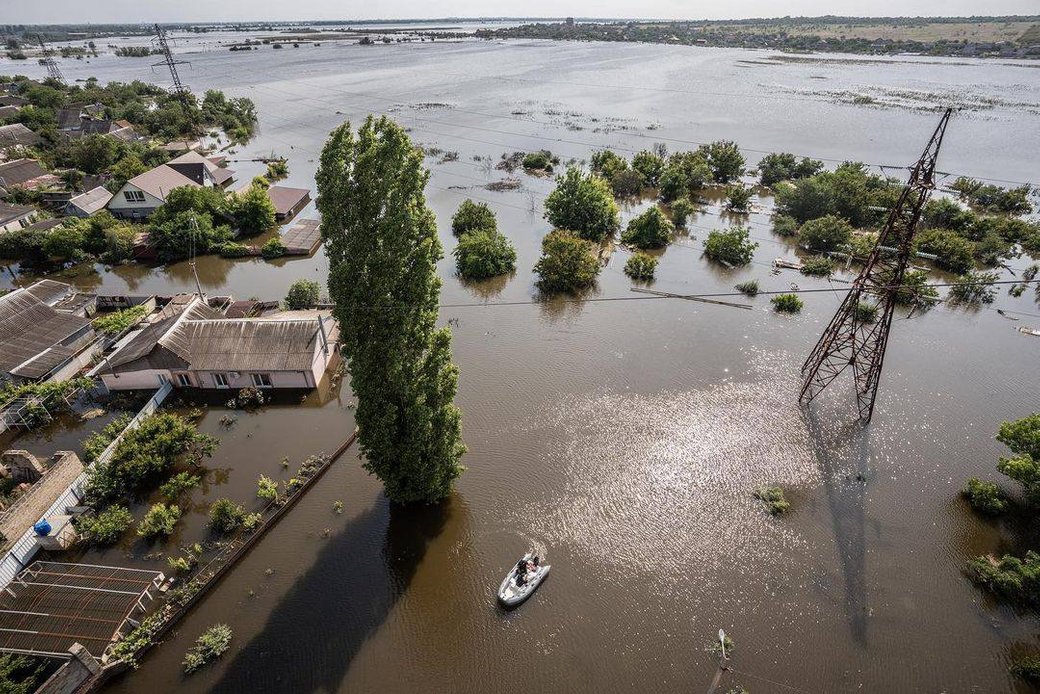
I.S.: The war has inflicted deep wounds on Ukraine’s energy system. One of the most painful blows was the explosion of the Kakhovka HPP in June 2023, a large-scale environmental and man-made disaster whose consequences are difficult to comprehend. Thousands of hectares of land were submerged, infrastructure was destroyed, and total losses, according to the UN, exceeded $14 billion.
Due to the shelling of energy infrastructure, Ukrhydroenergo lost 45% of its hydroelectric capacity.
In August 2024, the company announced a tender for legal services to compensate for the damage caused by the destruction of the Kakhovka HPP. In this matter, Ukrhydroenergo’s strategy is aimed at holding the aggressor state accountable for the damage caused to critical infrastructure and ensuring compensation for the destruction. In October 2024, the tender was canceled to allow for additional consultations with the Government and other key stakeholders to determine the most appropriate course of action in line with the national approach coordinated in partnership with Ukraine’s international allies.
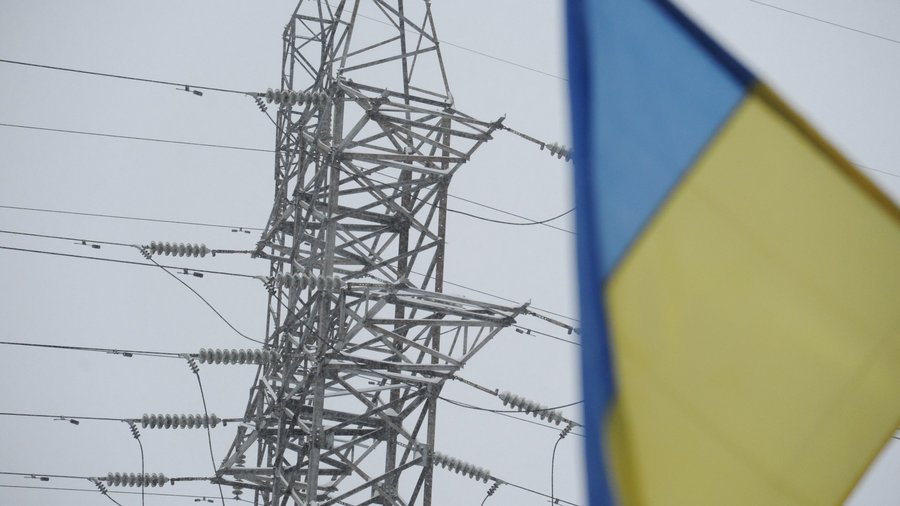
D.M.: Three years ago, on March 16, 2022, Ukraine and Moldova synchronized their power systems with the European ENTSO-E grid. Was it a technical step or a challenge for the Ukrainian energy sector?
I.S.: On the night of February 24, 2022, Ukraine’s power system was disconnected from the Russian and Belarusian power systems and switched to autonomous mode to conduct three-day tests of operation in isolation. A few hours later, at 03:40, the Russian military invasion of Ukraine began. Despite the outbreak of war, Ukraine’s power system successfully passed the winter testing stages on the first day of autonomous operation. After that, the Minister of Energy of Ukraine German Galushchenko said that Ukraine had decided not to return to synchronous operation with the power systems of the Russian occupiers and Belarus.
On February 26, Ukraine’s transmission system operator Ukrenergo and Moldova’s Moldelectrica submitted a request to the Energy Community for the early connection of the two countries’ power systems to the ENTSO-E Continental Europe power grid. On February 28, the Council of the European Union supported the emergency synchronization of the power systems of Ukraine and Moldova with the Continental Europe power grid. ENTSO-E member transmission system operators of continental Europe supported this decision by urgently starting to study the conditions for a quick and safe connection. On March 11, 2022, ENTSO-E approved the decision on emergency synchronization.
In the isolated mode, Ukraine’s power system operated for 21 days instead of the planned three. During the isolated mode, in extreme conditions of full-scale intrusion and damage to the grid infrastructure, the necessary tests of the power system were carried out to assess the possibility of synchronization. Their results became the basis for making a positive decision to synchronize the Ukrainian power system with the European ENTSO-E network.
D.M.: What role do PSPPs play in overcoming energy instability in Ukraine?
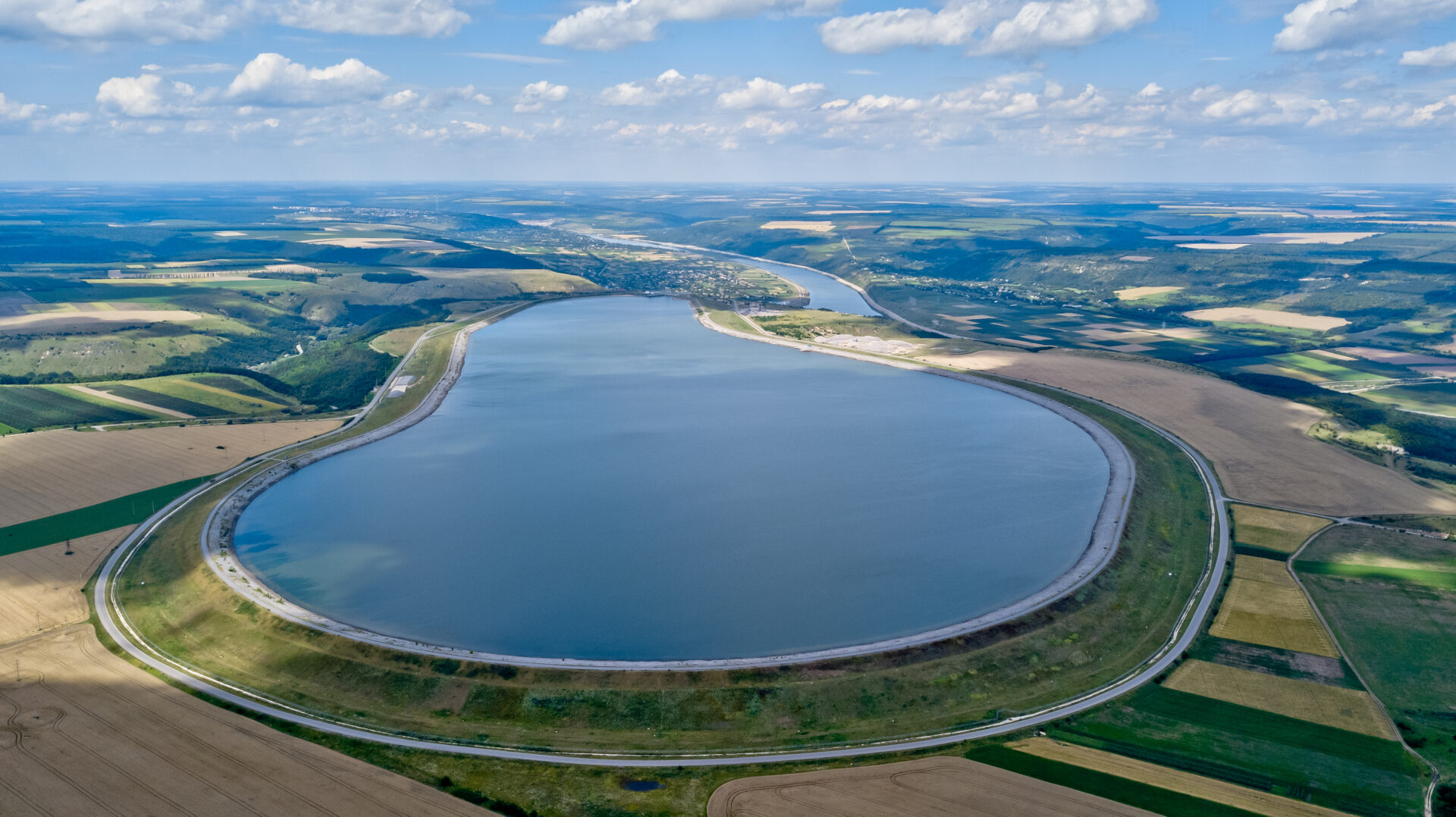
I.S.: Pumped storage power plants (PSPPs) play a key role in ensuring the flexibility of the power system. PSPPs produce electricity in generator mode and consume it in pump mode. In simple terms, the principle of operation is as follows: when there is an excess of electricity in the IPS of Ukraine, a pumped storage power plant receives cheap electricity from the grid and uses it to pump water. During peak power consumption, the PSPP releases water and thus generates expensive “peak” electricity for the grid.
PSPPs play a particularly important role in balancing the energy generated by solar power plants in the face of significant damage and limited regulatory capacity in the IPS of Ukraine.
D.M.: Do you manage to reconstruct and modernize Ukrhydroenergo’s stations in the midst of the war?
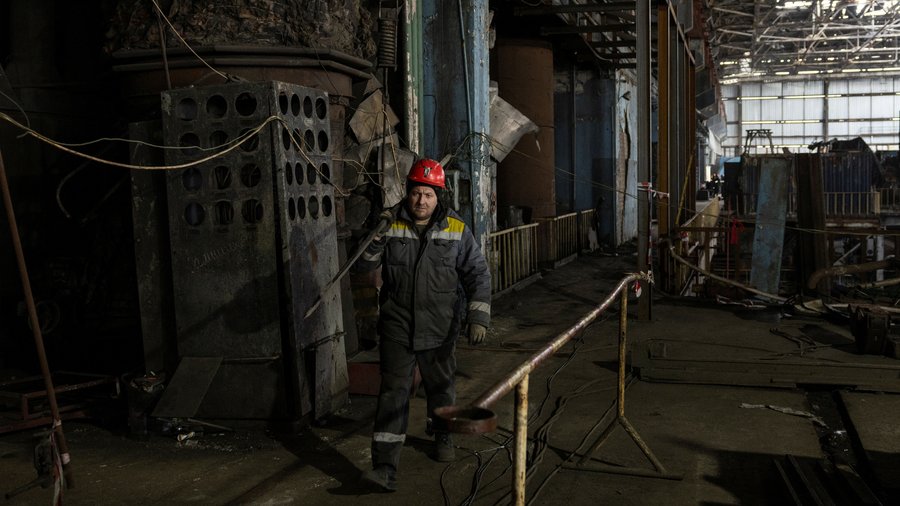
I.S.: Despite the military aggression of the Russian Federation, we continue to reconstruct the main and auxiliary equipment, as well as hydraulic structures at Ukrhydroenergo’s stations. We are purchasing, replacing and restoring equipment damaged during the aggressor’s missile attacks. I would like to note that the reconstruction is part of the re-equipment and technical re-equipment of the stations in general, which allows us to improve the technical and economic performance of the HPPs.
D.M.: In what areas does the company cooperate with international partners?
I.S.: Today, Ukrhydroenergo is engaged in international cooperation in a number of areas, including the restoration and protection of equipment, buildings and structures, reconstruction of existing facilities, and implementation of new promising projects.
We work closely with international financial organizations, including the International Bank for Reconstruction and Development, the European Bank for Reconstruction and Development, and the European Investment Bank. We also continue to cooperate with leading global companies and organizations, such as: Tetra Tech ES, Inc., JSC Concern Galnaftogaz, Webuild S.p.A., United Nations Development Program, ILF Consulting Engineers Austria Gmb, OZALTIN Holding, Andritz Hydro GmbH and Andritz AG, AECON, AECOM and the International Hydropower Association. We actively cooperate to expand knowledge about modern government and regulatory policies, large-scale energy programs and the current global energy agenda.
D.M.: Are there any plans to build new stations? What projects does Ukrhydroenergo plan to implement in the short and long term?
I.S.: Yes, Ukrhydroenergo plans to build new power plants in the medium and long term. We are planning to implement new construction projects, including the completion of the Dniester PSPP, construction of the Kaniv PSPP according to an updated design, and restoration of the Kakhovka hydropower plant.
The construction of these plants will play an important role in ensuring sustainable the operation of the country’s power system in the face of global and regional challenges, in particular, it will help to increase the stability, reliability and efficiency of the United Energy System of Ukraine (UES) through a balanced capacity structure, ensure the necessary amount of maneuvering capacity with the provision of full system services, and create conditions for meeting continuously electricity demand.
In the future, the Company also plans to continue implementing investment projects that have already been launched, such as Ukrhydroenergo HPP. Reconstruction. Stage II. Adjustments”, “Ukraine – Increasing the resilience of the power system for the European integration of the grid (Installation of hybrid power generation systems at Ukrhydroenergo)”.
However, I would like to note that our company is currently focusing its efforts on restoring the destroyed and damaged equipment of the plants as a result of missile and drone attacks. “The emergency restoration of hydropower plants project”. However, today we have an urgent need to find partners to finance critical equipment for the restoration of hydroelectric power plants. I would like to emphasize that the restoration and modernization of our facilities are critical to maintaining the stability of the power system.
D.M.: How does climate change affect the operation of HPPs and PSPPs in Ukraine? Is there a threat of a decrease in their efficiency due to a decrease in water levels, in particular, recorded in 2025?
I.S.: Ukrhydroenergo’s specialists constantly monitor and analyze the climate change situation, in particular, annual changes in the volume and timing of spring floods that affect the operation of HPPs and PSPPs, rising air temperatures and changes in the intensity of precipitation.
This year, we have already recorded that the flood level in 2025 will be one of the lowest for the entire period of observation. Similar volumes were recorded in 2015 and 2020, and it was climate change that influenced this.
D.M.: In your opinion, what are the prospects for hydropower development in Ukraine?
I.S.: The development of hydropower in Ukraine is extremely important for ensuring energy security and sustainable development of the country. Our key objectives are to improve the safety and reliability of hydropower facilities, efficient use of hydropower potential, and improve the stability of the United Energy System of Ukraine.
One of the main areas of development is to increase maneuvering capacities, which will ensure the stable operation of the country’s energy system and its further integration into the European energy network. In this regard, acrucial aspect is the construction of new pumped storage power plants, such as: Dniester PSPP and Kaniv PSPP, as well as the restoration of the Kakhovka hydroelectric power plant, modernization of the company’s facilities and development of hybrid systems combining solar panels and batteries to increase the flexibility of the power system, and a pilot project for the production of green hydrogen.
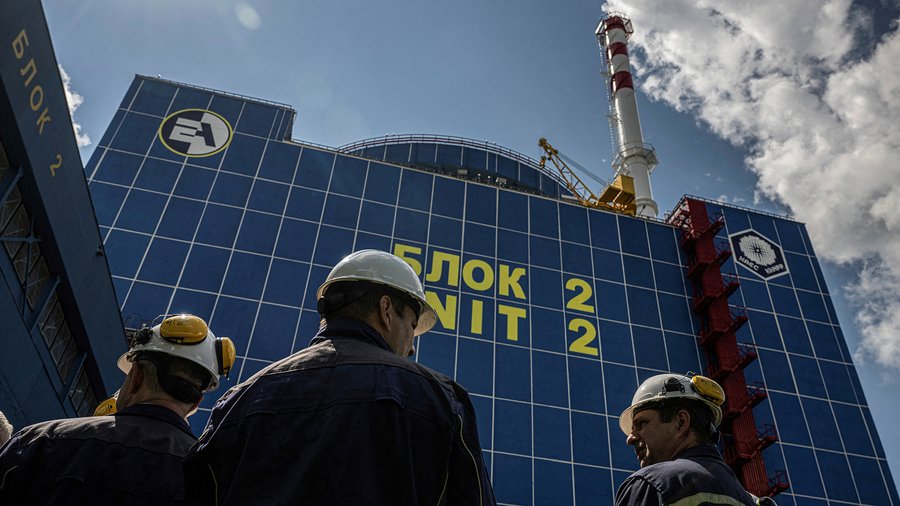
Investments in the construction of new hydropower facilities, modernization of infrastructure, restoration of damaged equipment, and construction of protective structures will significantly strengthen the country’s energy security, improve the environmental situation, and ensure sustainable development not only of the energy sector but also of Ukrainian society as a whole.
Daria Maslenkova