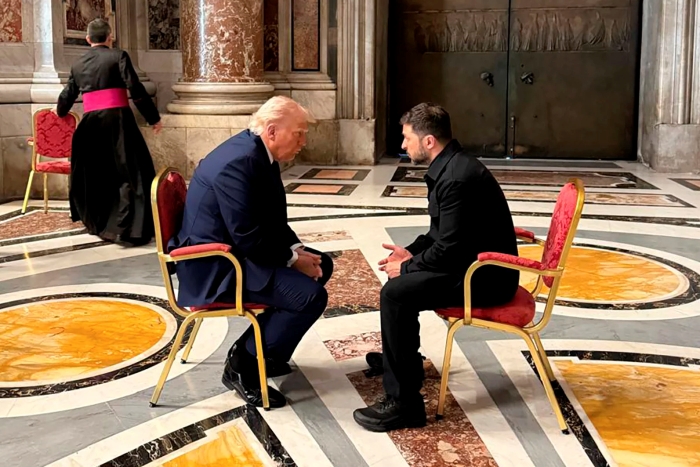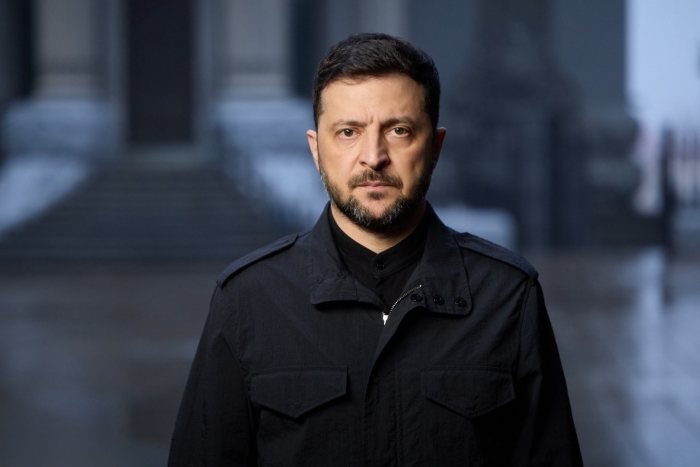


Discussions about potential Ukrainian concessions are not new, but this time the situation has reached a critical point. President Volodymyr Zelenskyy issued an urgent address to the Ukrainian people. This is the most severe pressure Ukraine has faced since the new U.S. administration came into power. Washington has threatened to halt intelligence sharing and military aid unless Ukraine agrees to the terms of the proposed U.S. peace plan by November 27.
Now is one of the most difficult moments in our history. The pressure on Ukraine is immense. Ukraine may soon face a very tough choice: either the loss of dignity or the risk of losing a key partner. Either the difficult 28 points, or an extremely difficult winter — the hardest yet — and further risks. A life without freedom, without dignity, without justice. And believing the one who has already attacked us twice, said Zelenskyy.
This means the restrictions and concessions published in the media are indeed part of the proposal. The President stressed that Ukraine will continue negotiations until national interests are safeguarded. He also emphasized that Ukraine counts on its European partners.
European Reaction
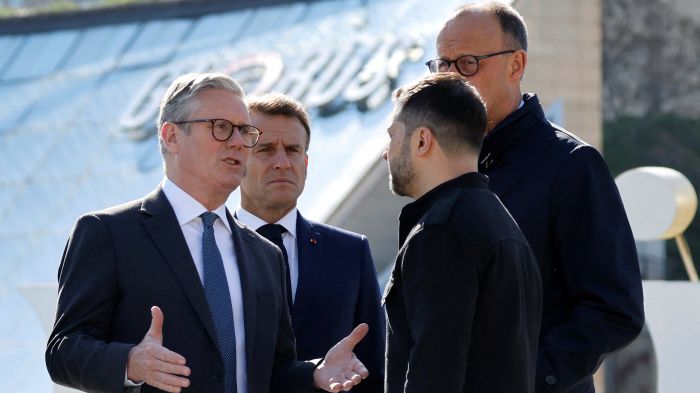
On November 21, President Zelenskyy held phone calls with European leaders — German Chancellor Friedrich Merz, French President Emmanuel Macron, and UK Prime Minister Keir Starmer.
European officials recognize that forcing Ukraine into unfavorable terms would be catastrophic for the entire continent. A closed meeting of European military officials, diplomats, and defense industry representatives was held in Vilnius to discuss the possibility of a future Russian attack on NATO countries.
European leaders reaffirmed their “unwavering and full support for Ukraine on the path to a lasting and just peace.”
The U.S. Point of View
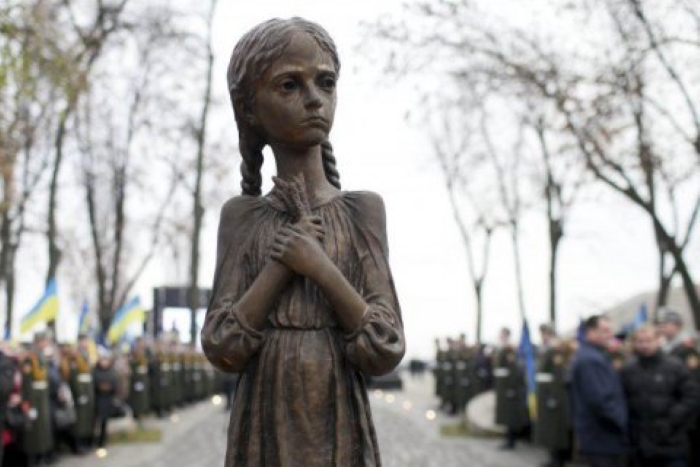
Symbolically, this controversial peace deal became publicly confirmed on Ukraine’s Day of Dignity and Freedom. Meanwhile, the U.S. administration continues to anchor its decisions to its own political calendar: next Thursday — Thanksgiving Day — is the “right time” for Ukraine to accept the U.S. proposal, according to Trump.
Even though the plan published in the media offers Ukraine neither benefits nor security guarantees, U.S. officials continue to present it as advantageous. Their interpretation focuses solely on what Ukraine must give up, without considering Ukraine’s strengths or strategic interests.
Zelenskyy also held a one-hour conversation with U.S. Vice President Vance and U.S. Secretary of the Army Driscoll regarding the peace plan.
According to the President, Ukraine welcomes every “realistic proposal.”
At the same time, Trump continues announcing new “very powerful” sanctions against Russia.
Conclusion
Misled by Russia’s manipulative narrative of supposed military dominance, the U.S. has shifted pressure onto Ukraine instead. In reality, Russia’s economy is severely weakened and needs time to avoid internal collapse — which is why Moscow desperately seeks a pause under the guise of a peace deal.
Trump’s political promise to “end the war quickly” now outweighs strategic logic. However, Ukraine — together with its European partners — will once again attempt to convince Washington that such a plan cannot work. Russia has violated every deal it ever signed, and any agreement built on trust in Moscow is destined to fail.