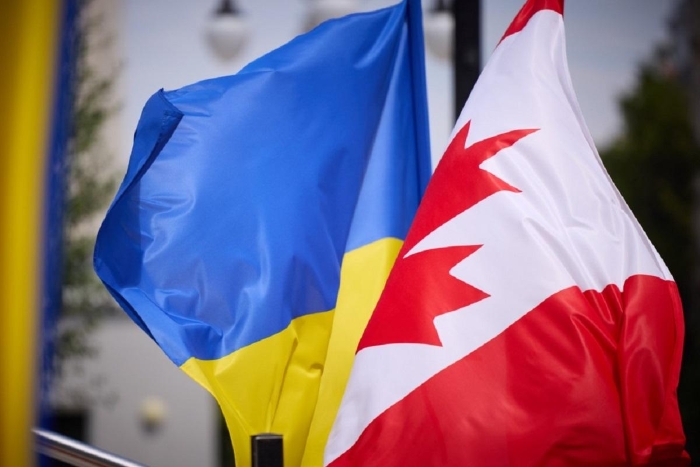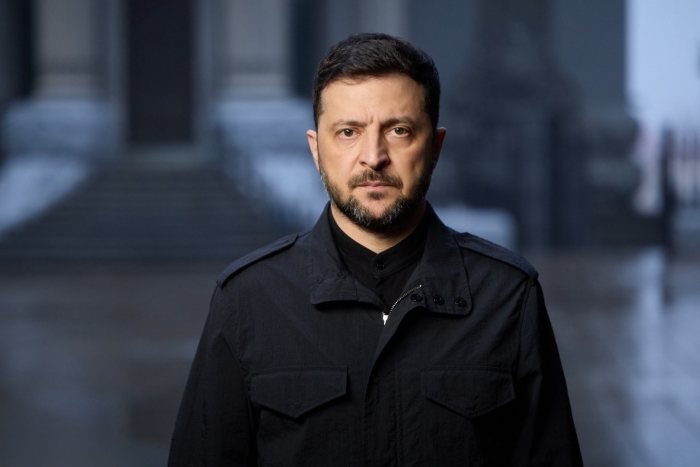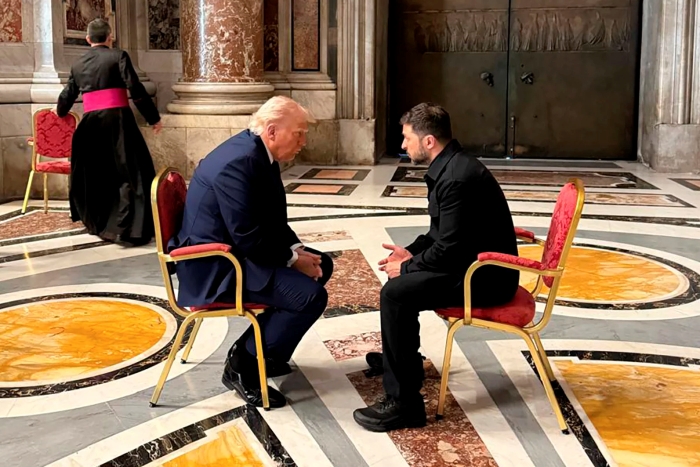


So far, only media outlets have published probable parts of the U.S. “peace” plan. Ukrainian officials confirmed that they received the full document. Washington developed the plan in complete secrecy, which surprised even some members of the U.S. government. Its content also contradicts the current push in Congress for new sanctions against Russia.
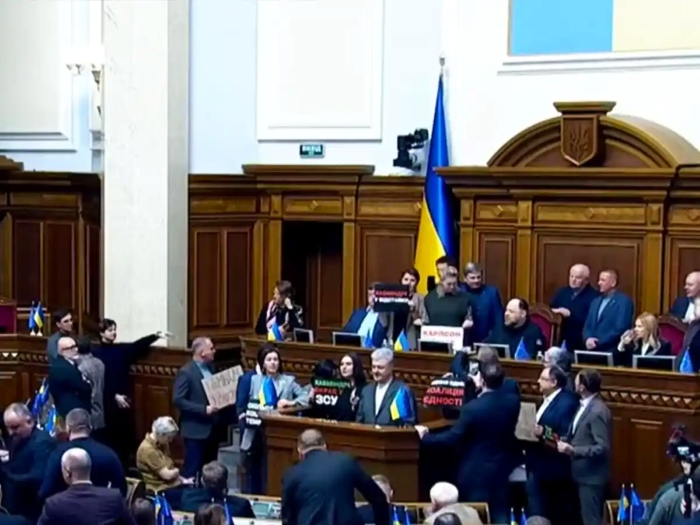
The plan appeared at a moment of political weakness in Ukraine. A major corruption scandal in the energy sector damaged the government’s credibility. The ruling Servant of the People party now shows clear internal divisions about Ukraine’s political future. Many members urge President Zelenskyy to revise core principles and renew his team.
Uncertainty in the United States
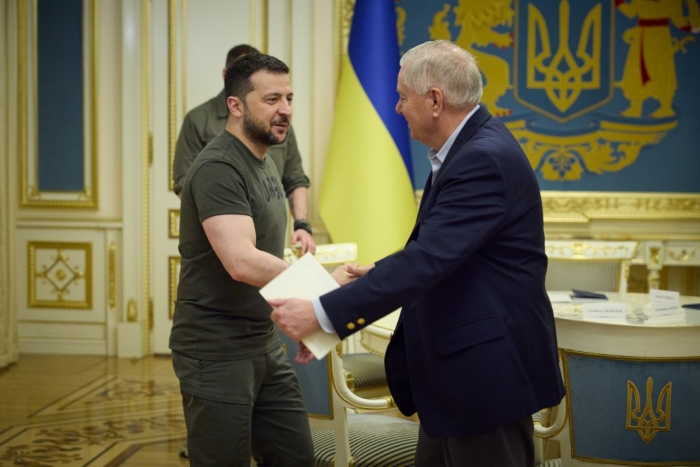
The Hill reported that members of the US Congress were unaware of the new “peace plan”. Senator Lindsey Graham said he had never heard about it. He also argued that no proposal will work unless Washington strengthens military support for Ukraine and cuts Russia’s ability to finance its war.
Moreover, Graham recently stated that President Donald Trump privately encouraged Senate Majority Leader John Thune to push the sanctions bill forward.
Another Republican, Senator Tom Cotton, insisted that real security guarantees for Ukraine come from Western tanks, guns, and drones—not from vague promises by political leaders.
Fragmentation Inside Ukraine
The corruption scandal triggered the resignations of Justice Minister Herman Halushchenko and Energy Minister Svitlana Grynychuk. The Financial Times editorial board argues that Zelenskyy must reshape his governing style.
Many critics point to Andriy Yermak, the Head of the Presidential Office. Several MPs from Servant of the People demand his dismissal. Yet some sources say Zelenskyy will keep Yermak in his post. The FT also stresses that Zelenskyy’s reaction remains too limited. The publication calls on him to increase transparency, bring reformers into government, start dialogue with the opposition, and expand media freedoms.
The opposition proposes creating a “government of national unity.” However, public trust in opposition parties remains even lower than trust in the current government, so society is unlikely to support this option. Moreover, the return of individuals who have already been implicated in corruption investigations will not contribute to satisfying the demand for justice.
Conclusion
Uncertainty surrounds future U.S. actions toward Ukraine. New sanctions from Washington offer hope, but the peace plan points in the opposite direction and threatens Ukraine’s sovereignty. Ukraine stands on the edge of major political change. Rising diplomatic pressure and deepening domestic challenges make this moment especially difficult. Meanwhile, Republicans in the U.S. hold very different views on Ukraine. Some understand that Russia responds only to force. The key question is whether these voices will prevail—because concessions to Russia may look simple, yet they create dangerous and unstable outcomes.