

August 24 2023 is exactly 1.5 years since the Russian Federation launched a full-scale invasion of Ukraine. The Ukrainian Review decided to reproduce the chronology of events during this time.
When it all started
It is worth noting that Russian aggression continued long before February 2022: in 2014, Russia illegally occupied the Ukrainian peninsula of Crimea.
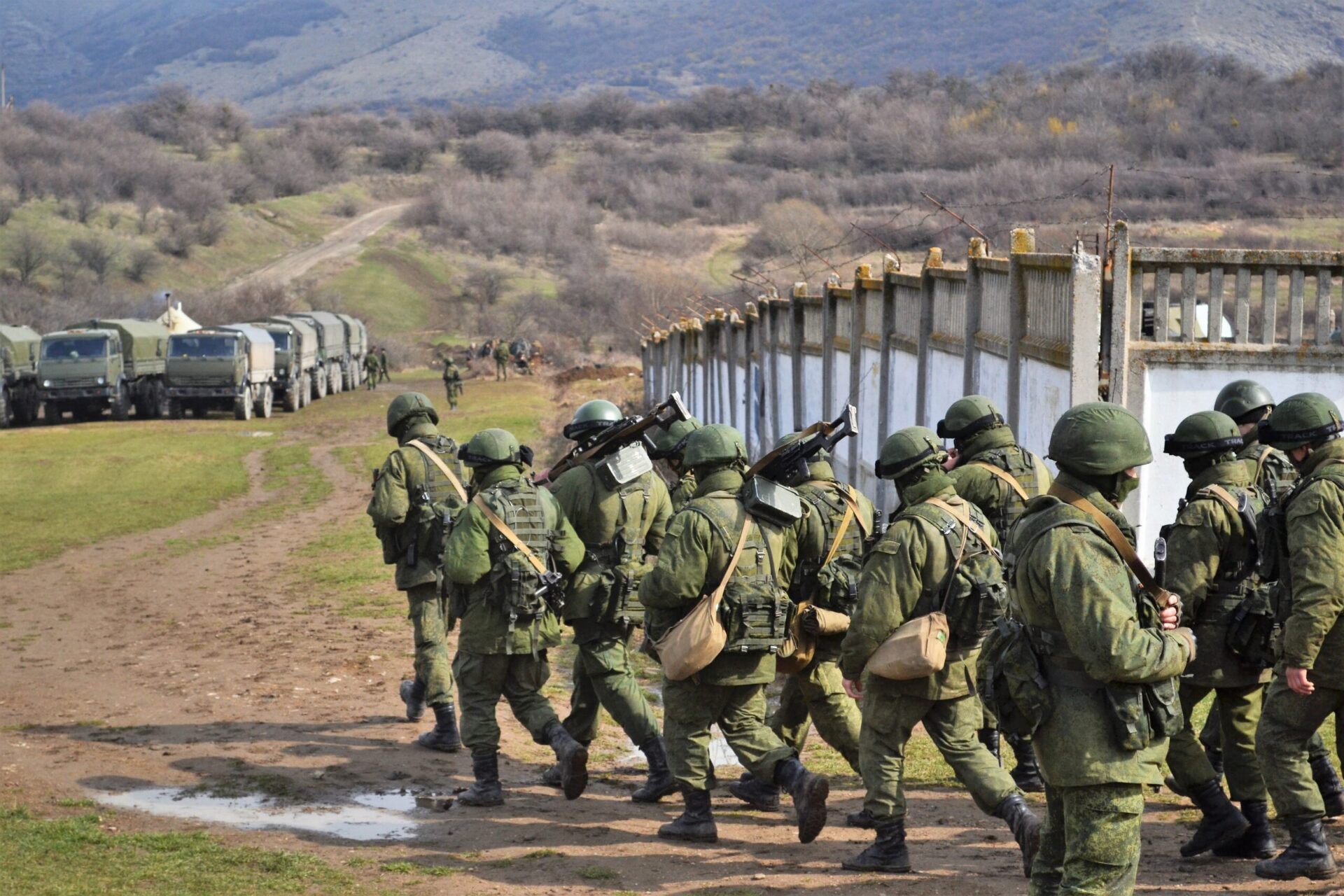
In the same year, units of Russian special forces and other armed formations seized local authorities, police stations, and military facilities of Ukraine in certain areas of the Donetsk and Luhansk regions of Ukraine.
“Many military experts will tell you that the war began in 2014 or in 2022. But in reality, the war began much earlier. It was also necessary to monitor Yeltsin’s statements, which showed a desire to own Ukraine, and when the Black Sea Fleet was divided (in 1993, an agreement was signed, according to which 18.3% of the ships went to Ukraine and 81.7% of the ships – to the Russians. It was also agreed that the Russian fleet would be based in Crimea until 2017, — ed.). Ukraine’s mistake was not to draw conclusions from the 300-year-old relationship with the Russian Federation.
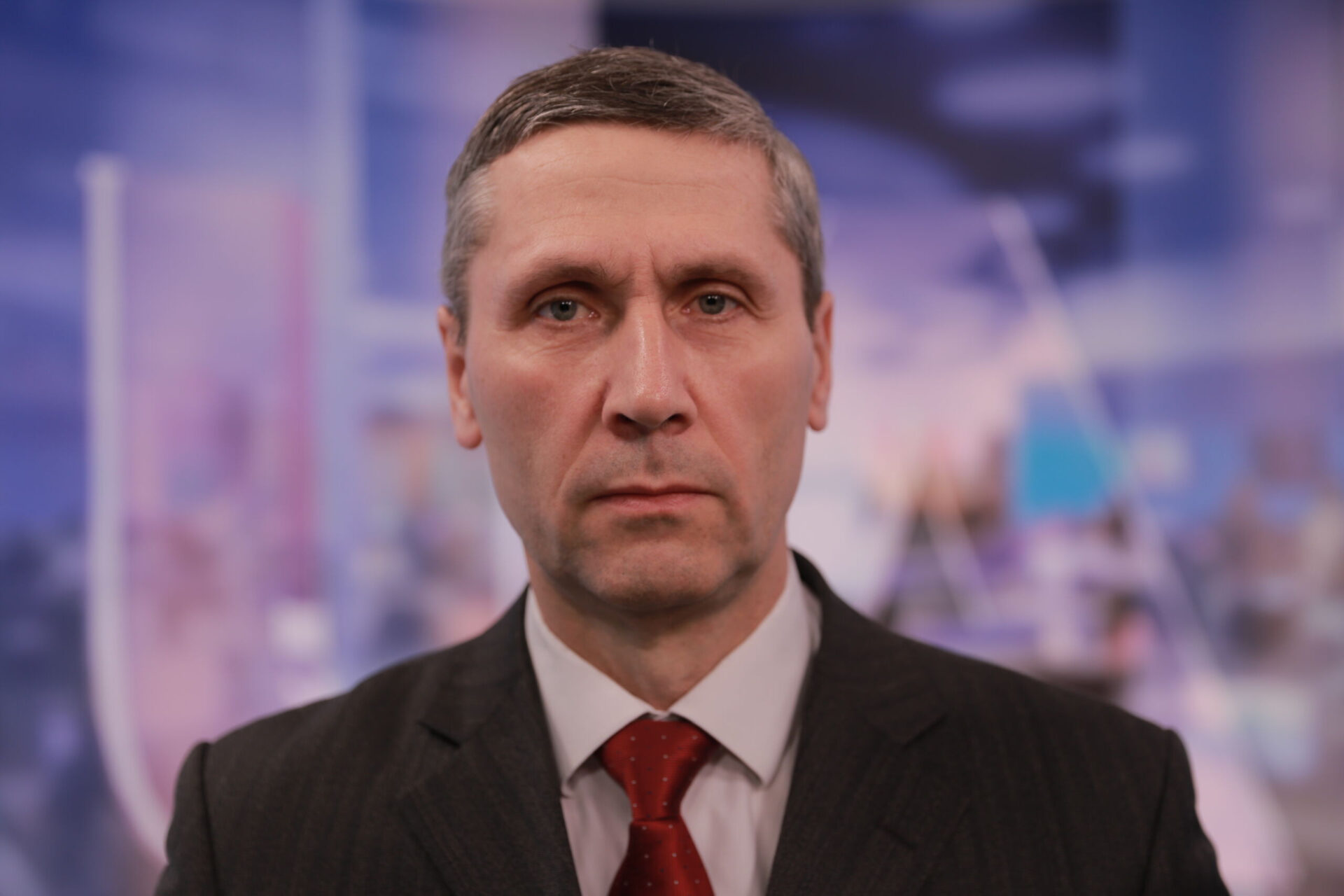
Russia’s intentions to attack Ukraine were especially evident after Putin’s statements at the Munich Security Conference [2008] (it was then that the Russian president declared that Ukraine is a fake, fictitious country, and also spoke out against the expansion of NATO, — ed.)”, — Igor Koziy, Ukrainian military expert of the Institute Euro-Atlantic cooperation.
Which indicated the plans of the Russian Federation to launch a full-scale invasion
From the middle of 2021, narratives about the “unity of Russians and Ukrainians” (article by Vladimir Putin), “the absurdity of contacts with the current Ukrainian leadership” (the statement of Dmitriy Medvedev, Deputy Chairman of the Security Council of the Russian Federation), “the expansion of territories as the truth of the existence of the Russian Federation”, “the need to let off steam” (article by Vladislav Surkov, a Russian politician).
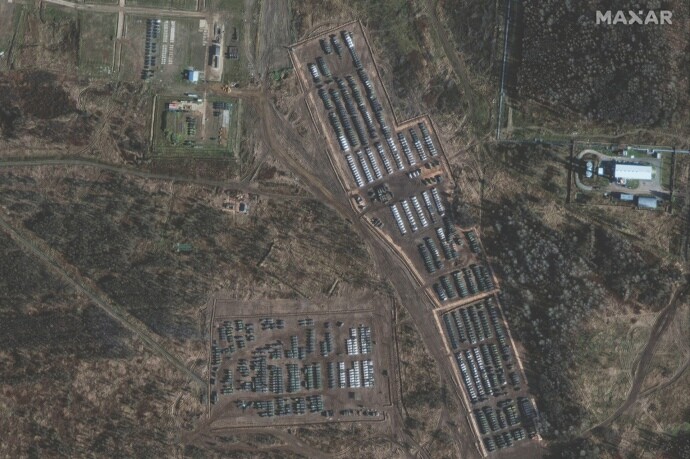
In September 2021, the joint strategic exercises “Zapad – 2021” [West] of the armed forces of the Russian Federation and the Republic of Belarus began, and in October 2021, the large-scale deployment of Russian troops on the border with Ukraine began.
December 18, 2021 – the Ministry of Foreign Affairs of the Russian Federation openly issued an ultimatum to NATO, stating that the West “has two options” – either to accept Russia’s proposal for “security guarantees” or “to deal with a military-technical alternative.”
On the eve of the invasion
February 9, 2022 – Russia actually closed the Black and Azov Seas to Ukraine under the pretext of conducting military exercises “Soyuznaya reshimost – 2022” [Allied resolve].
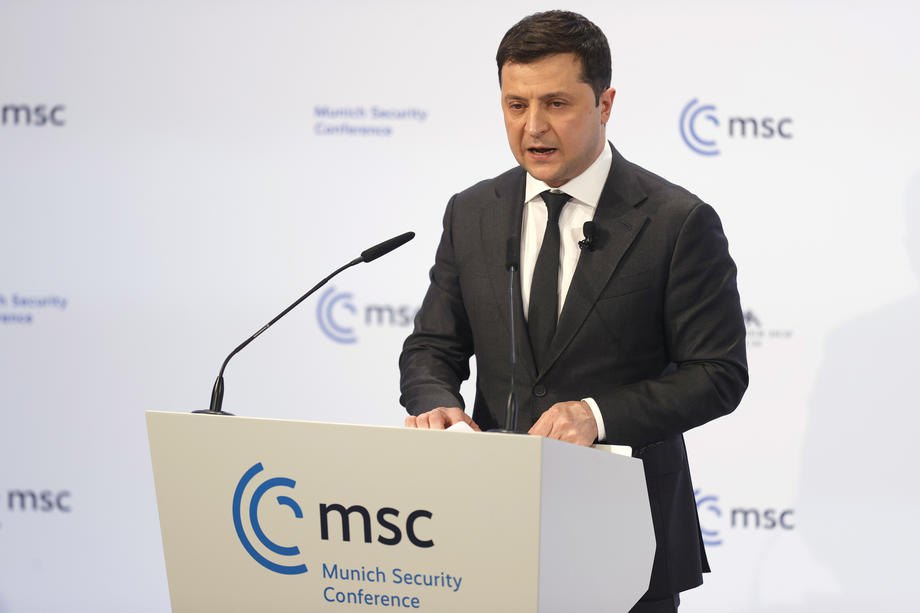
On February 19, 2022, the President of Ukraine Volodymyr Zelenskyy spoke at the Munich Security Conference (where he emphasized the need to update the global security architecture), on February 21, the Ministry of Foreign Affairs of Ukraine sent a request to the member states of the UN Security Council demanding immediate consultation on urgent actions to reduce tensions and practical steps to guarantee Ukraine’s security on the basis of the Budapest Memorandum.
February 21–22, 2022 — President of the Russian Federation Vladimir Putin signed a decree recognizing the independence of certain regions of the Donetsk and Luhansk regions and ordered the introduction of Russian troops there; the Council of the Federation of the Russian Federation gave the President of the Russian Federation consent to the use of the Russian Armed Forces abroad; personnel of Russian diplomatic institutions were evacuated from Ukraine.
On February 23, 2022, the leaders of illegal armed formations appealed to Russia to send troops into the territory of certain districts of Donetsk and Luhansk regions.
At the beginning of the war
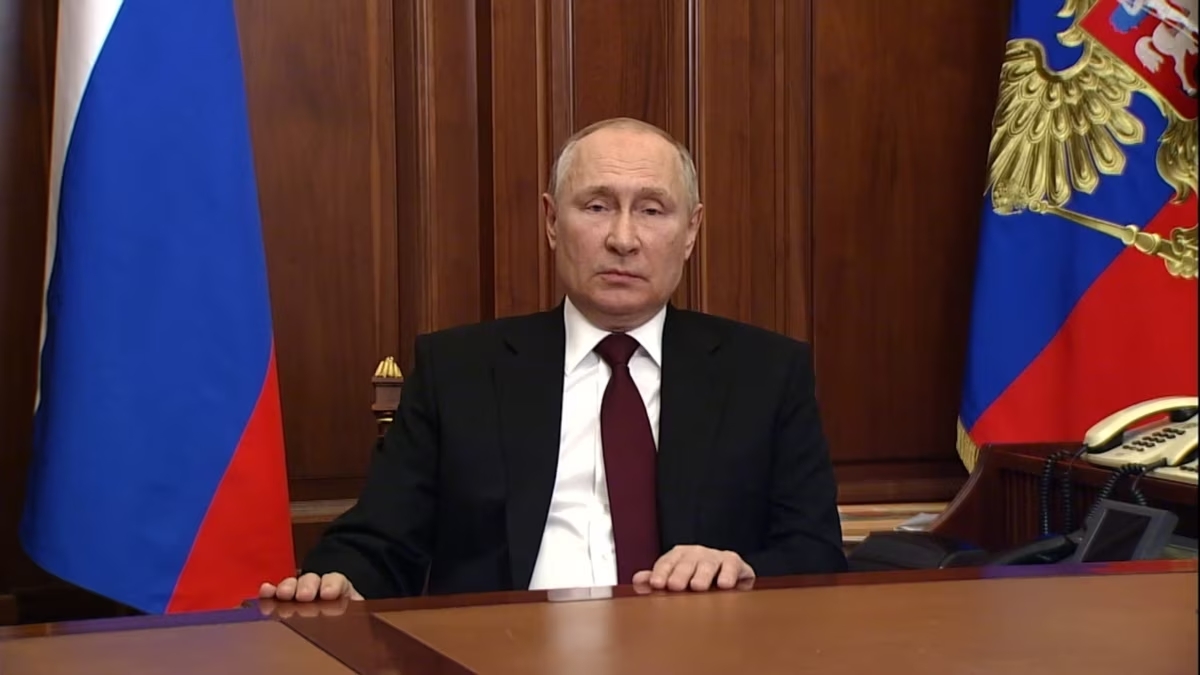
On February 24, 2022, at around 5:00 a.m., Russian President Vladimir Putin announced the start of a “special military operation” (interestingly, Putin stated in his address that “the occupation of Ukrainian territories is not included in the plans of the Russian Federation”) in Ukraine.
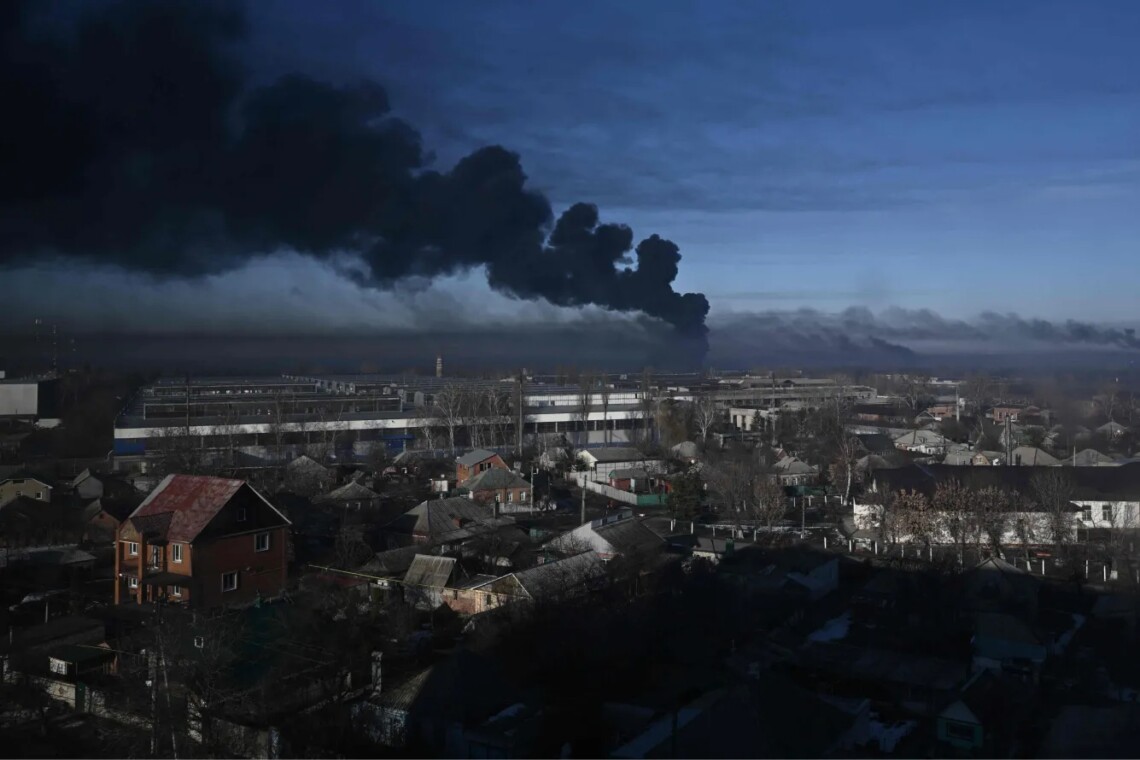
Immediately, Russian troops began intensive shelling of the units of the Armed Forces in the east of the country, crossed the northeastern borders, and also began to launch missile strikes on the territory of Ukraine. The Verkhovna Rada of Ukraine unanimously approved the introduction of martial law.
Putin’s plan was to capture Kyiv in 3 days and install a pro-Moscow government.
Therefore, the battle for Kyiv became almost the main one in the first month of the war.
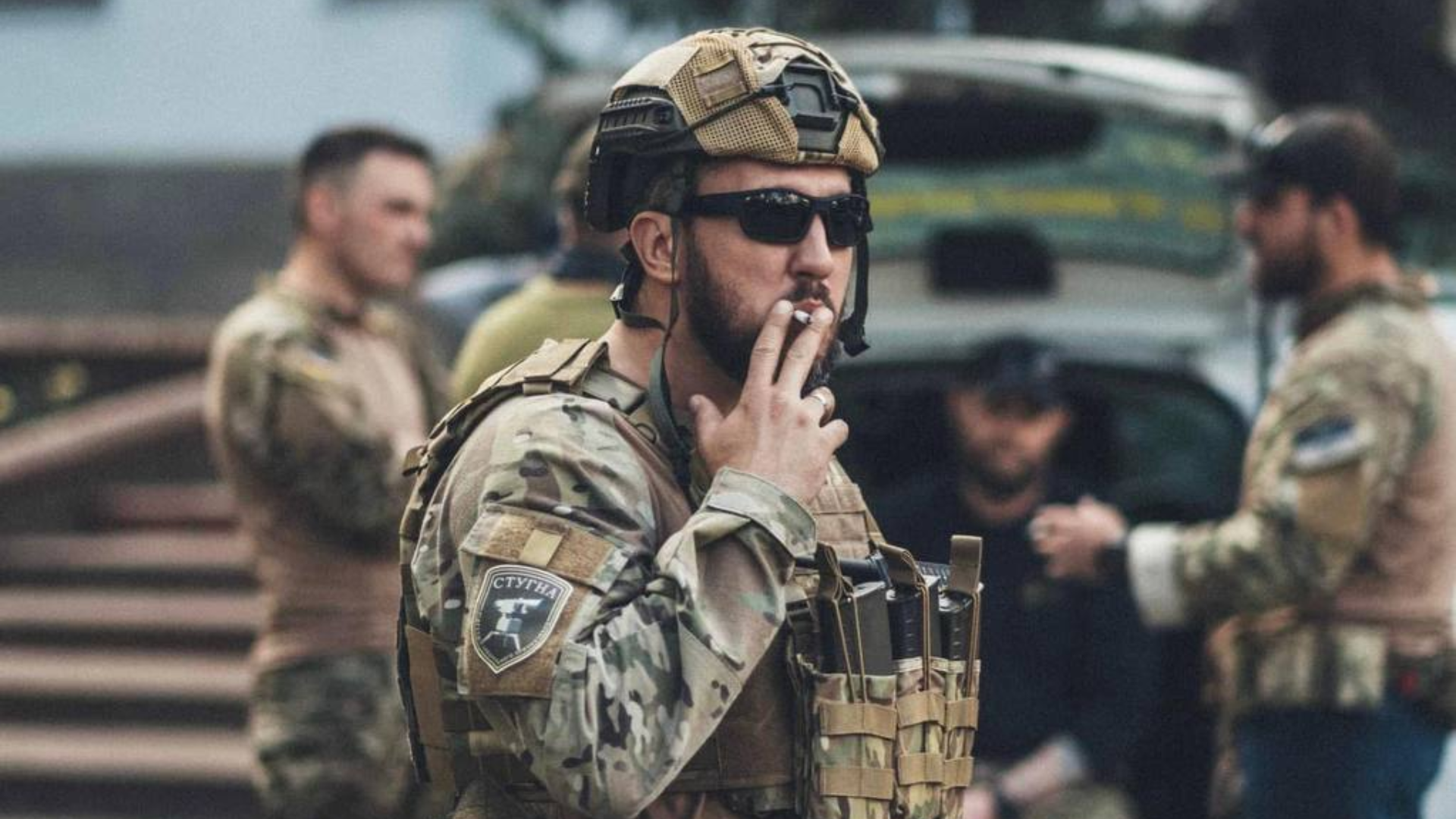
Dmytro Linko, People’s Deputy of Ukraine, the first commander of the “St. Mary” battalion, told about his participation in this battle:
“I encountered a full-scale war in Kropyvnytskyi, where at that time I worked as the deputy chairman of the Kirovohrad Regional Council. Since that very morning, we have held several meetings and transferred powers and resources to the newly created military administrations. I realized that now as a soldier, the country needs me more than an official, so I need to gather things and prepare for serious battles. In the evening, I already left for Kyiv, where my friends, with whom we fought together back in 2014, were gathering.
At first, I took my weapon with me — an AKS carbine (a civilian version of a Kalashnikov assault rifle, — ed.). Later, when we advanced to the Hostomel area and were preparing to meet columns of Russian paratroopers, I changed my AK [Kalashnikov assault rifle — ed.] to a machine gun.
We have close ties with the fighters of the GUR (Main Intelligence Directorate of Ukraine, — ed.), so we joined them as volunteers. When we were all lined up and asked who could work with a machine gun, of course, I raised my hand. So, they loaded me with a submachine gun and a huge pile of boxes for it. I took my friend Maksym as my second number and we went to the center of the Hostomel.
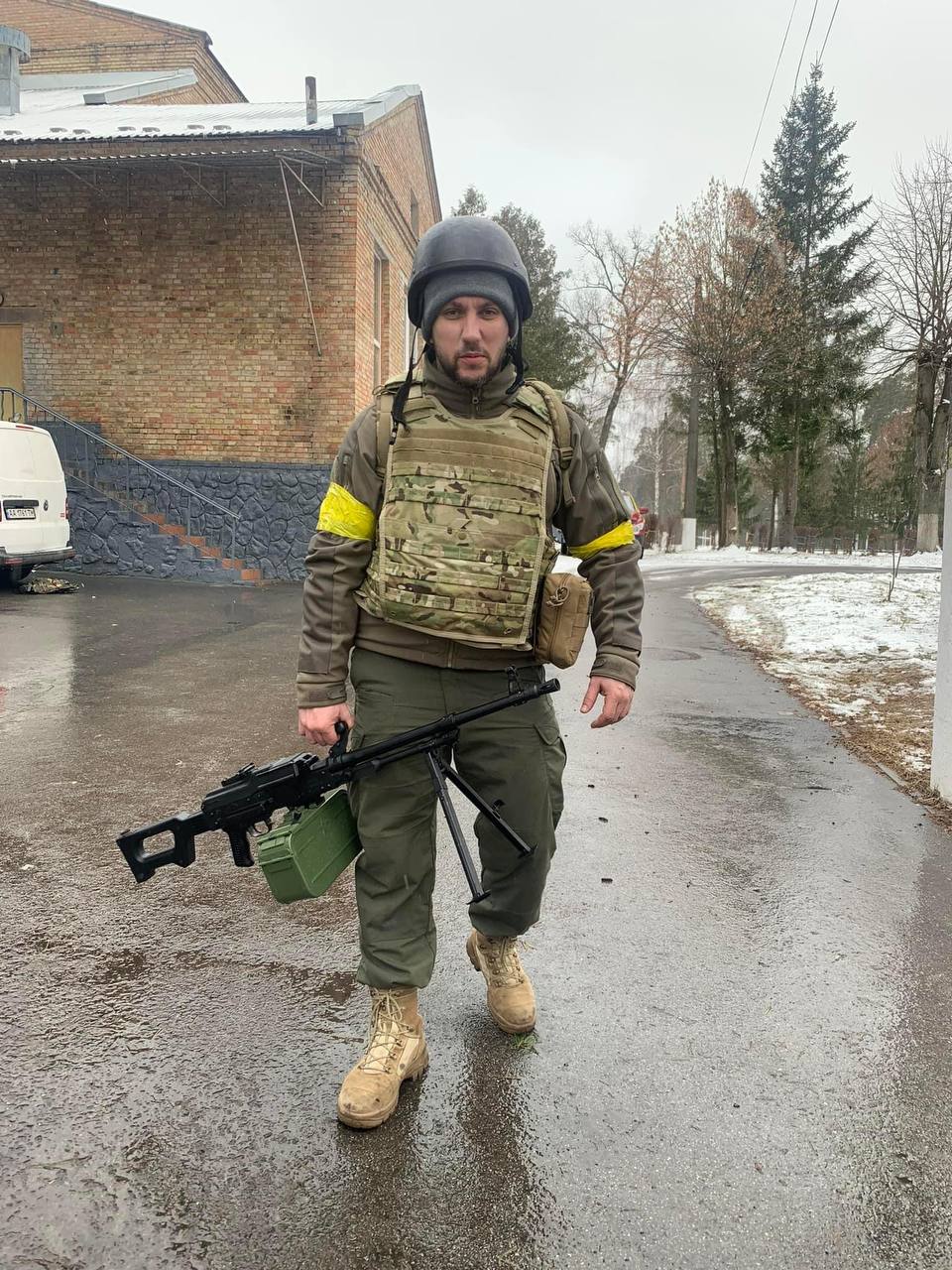
There, we set up an ambush right in the center of the city, digging trenches right in the streets.
From March 1 to March 3, the battle lasted, as a result of which we destroyed a column of Russian paratroopers. They planned to march into Kyiv on Khreshchatyk, but we changed their plans.
In the pocket of one of the Russian paratroopers, I found a pamphlet in which were written instructions on how to communicate with Ukrainians. That they are Russian military liberators and saviors of all Ukrainians who have been waiting for them for a long time. The Ukrainians have nothing to fear — the brothers came on tanks, not the occupiers…
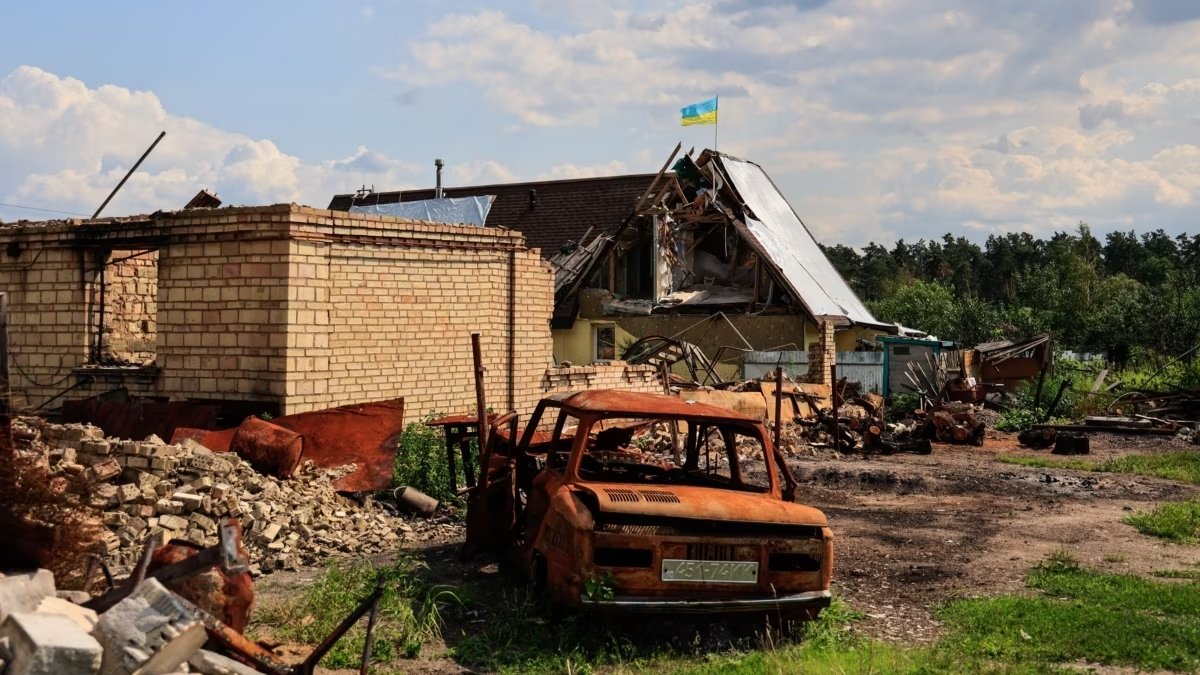
The turning point and the fiercest stage of the battles for Kyiv was the battle near the village of Moshchun. Here the Russians tried to cross the rivers and swamps that separated them from the attack on Kyiv. The battalion of the 72nd brigade held positions here. Together with them, we had to hold our positions for several days. Everyone who was in Moshchun remembers that it was like a World War I battle with raw trenches and thousands of shells overhead. Many remained in the trenches forever…
After several weeks of futile assaults, the Russians realized that the plan to encircle Kyiv had failed. At the same time, we began to break up their grouping in the Chernihiv region, which stretched for several hundred kilometers and was an easy target for our sabotage groups. When we launched a counteroffensive at the end of March, 2022 the Russians began to flee.
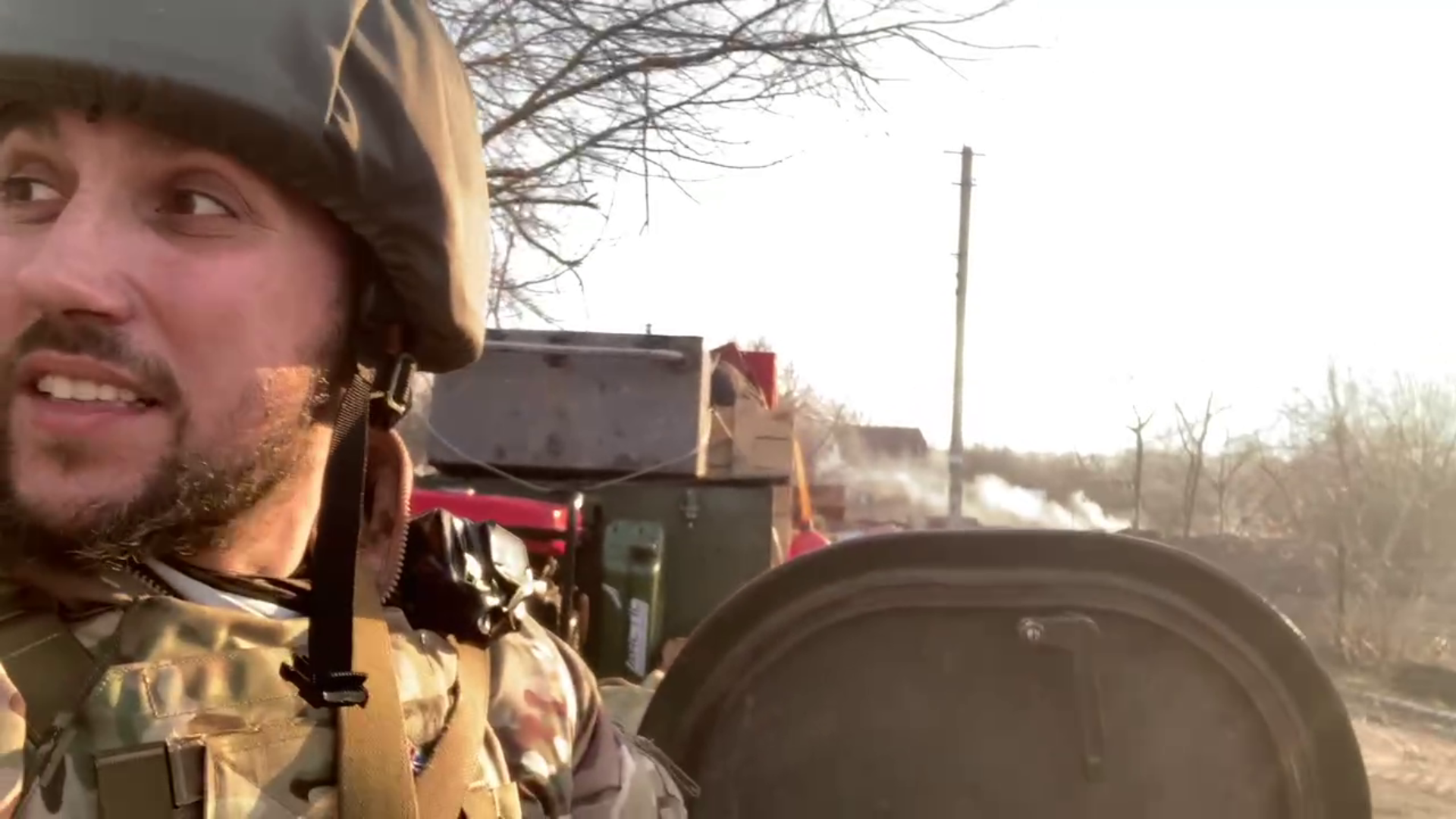
When we liberated the village of Lukyanivka, the Russian occupiers simply abandoned a dozen BMP (infantry combat vehicles, — ed.) and tanks. Some of them simply did not have fuel and lubricants.
Despite the traditional internal disputes, which Ukrainians like to engage in during peacetime, in the face of the enemy, Ukrainians united in one fist and beat the occupiers in the teeth. Uniting and helping each other have become one of the main factors that allow us to hold our defense against the onslaught of the orc horde.”
Further course of events
Mykola Bielieskov, Ukrainian military and political expert, senior analyst at the “Come Back Alive” Foundation, tells about the further chronology of events:
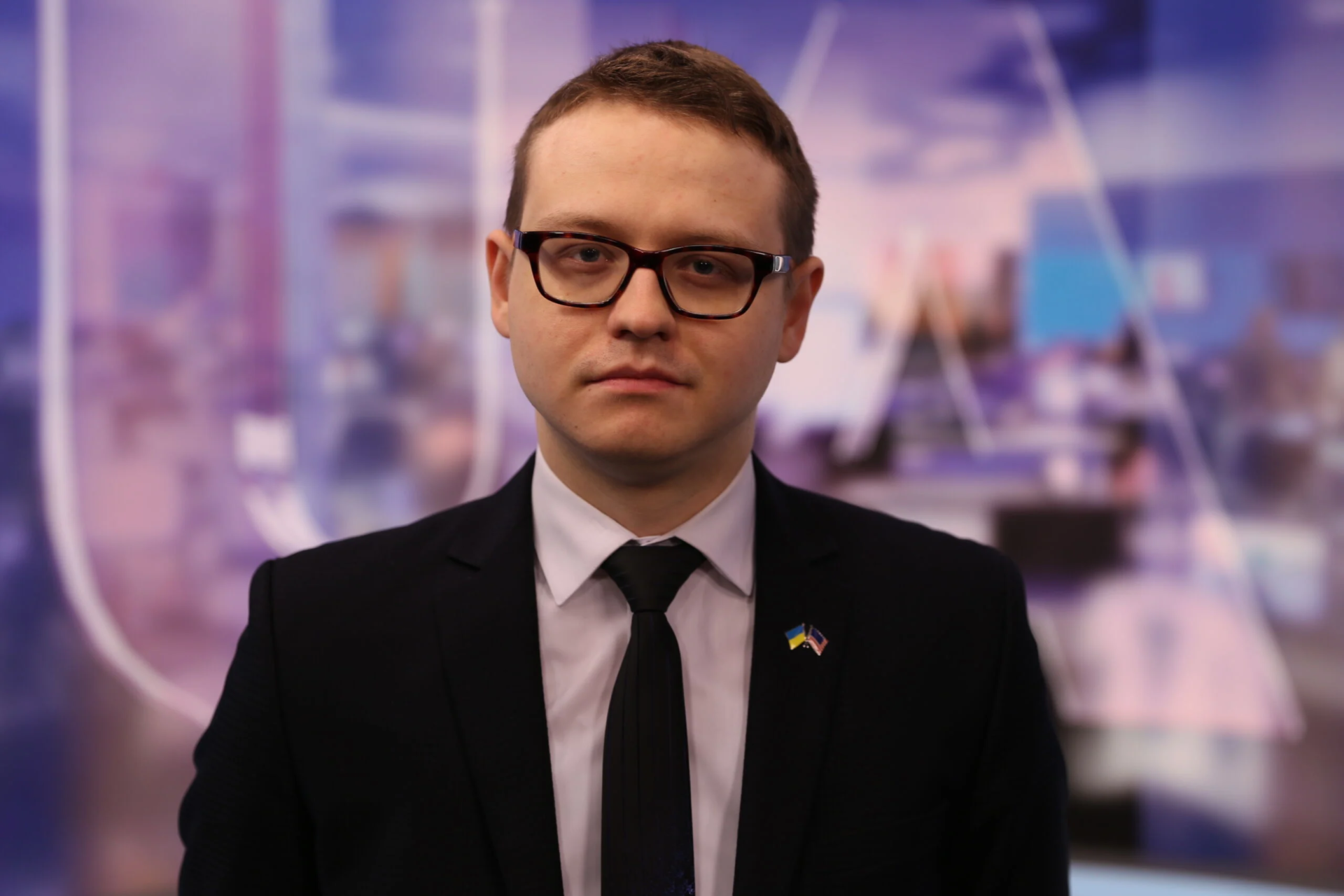
“Each period has its own nuances, such as our typical tactics and the tactics of the enemy. A lot can be said about this. If you schematically outline the chronology of events, it will look something like this:
1. The enemy’s strategic offensive operation with the aim of isolating Kyiv, encircling the OOS group (Operations of the United Forces, — ed.), occupying the left bank of the Dnieper and cutting off Ukraine from the sea and thus creating the basis for an offensive on the right bank of the Dnieper. Failure. (period — February 24 — April 2022, — ed.).
2. The enemy’s operation aimed at encircling the Ukrainian group in the east. Attempts to reach across the Izyum ledge. The failure and culmination of Russian offensive potential in 2022. (June 2022, — ed.).
3. Regrouping with the aim of strengthening the grouping on the right bank of the Dnieper in the Kherson region. Imbalance of the defense system of the Russian Federation on the flanks. (September, 2022 — ed.).
4. Balaklia-Kupiansk offensive operation of the defense forces with the further offensive in the direction of Svatove and Kreminna. (September 2022, — ed.).
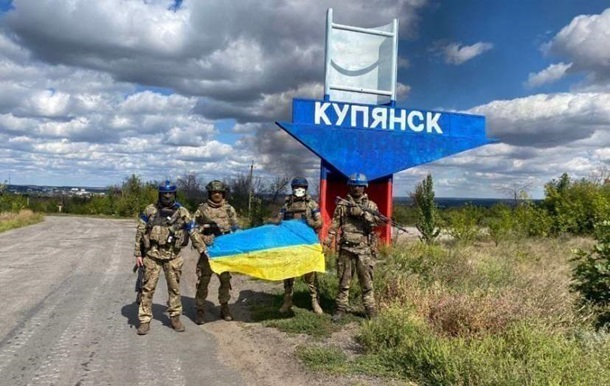
5. Kherson offensive operation of the defense forces with the squeezing of the enemy beyond the Dnipro. (August — November 2022, — ed.).
6. Muscovy’s transition to strategic defense. Announcement of mobilization. The beginning of the creation of stationary lines of defense. (September, 2022, — ed.).
7. The second major offensive of Muscovy in the east of Ukraine with the aim of seizing the Donetsk region. Failure. (February 2023, — ed.).
8. Melitopol-Berdiansk offensive operation of the defense forces of Ukraine. Continues.
What is happening now
On June 9, 2023, the President of Ukraine, Volodymyr Zelenskyy, confirmed that the Ukrainian army is currently conducting counteroffensive operations. However, he did not specify at what stage they take place.
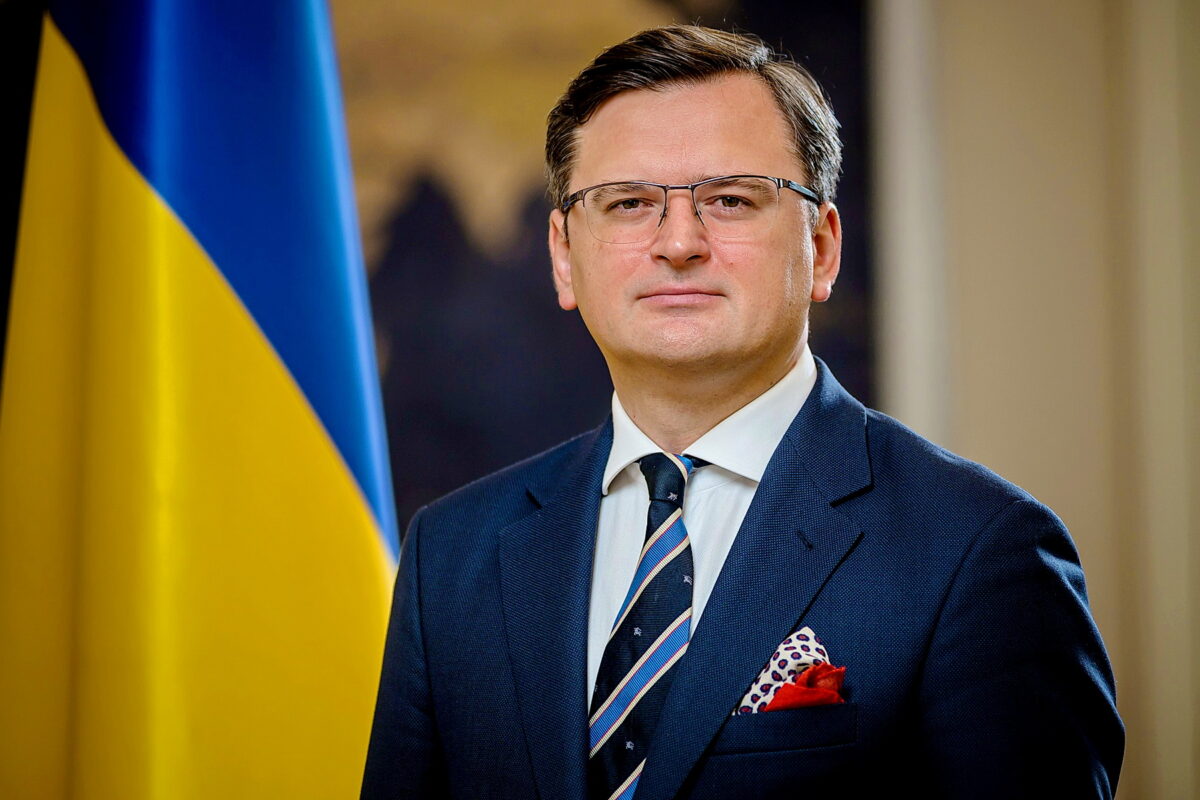
Minister of Foreign Affairs of Ukraine Dmytro Kuleba said that this counteroffensive cannot be called “decisive”:
“Some people may say that this was the last decisive battle and now we have to come up with an alternative scenario. For Kyiv, there is no alternative to the full restoration of territorial integrity… We must resist by all means the perception of a counteroffensive as a decisive battle of the war,” the minister emphasized.
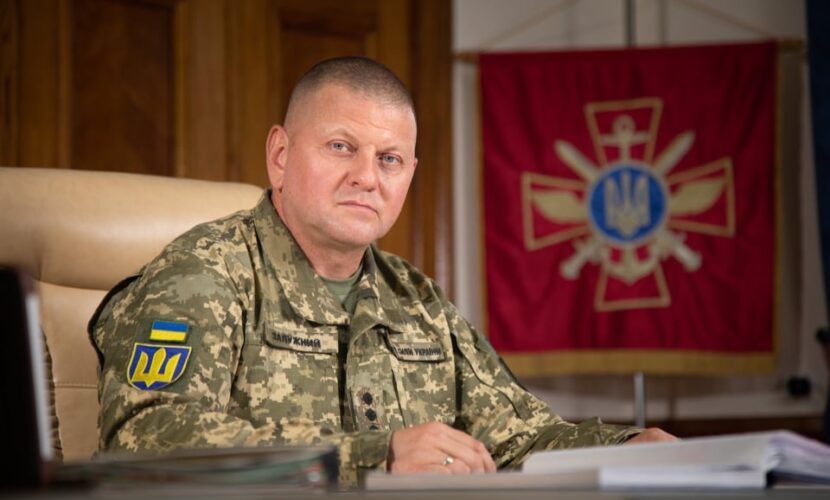
The Commander-in-Chief of the Ukrainian Armed Forces, Valery Zaluzhnyi, stated that the soldiers pay with blood for the de-occupation of every meter of Ukrainian land, so he is annoyed by external comments that the counteroffensive is taking place more slowly than expected:
“It’s not a show. It’s not a show that the whole world is watching, betting on or anything like that. Every day, every meter is given blood.”
“Currently, the hostilities are in a kind of stagnation: neither here nor there, 2 steps forward, 2 steps back. What does it depend on? Everything is very simple: from weapons. And when will we have enough weapons? I do not know. Currently, the question arises that we (Armed Forces of Ukraine – ed.) are not provided for everything. Gradually, with small steps, but we are moving forward”, – says Igor Koziy, a military expert.
One and a half years of war in numbers
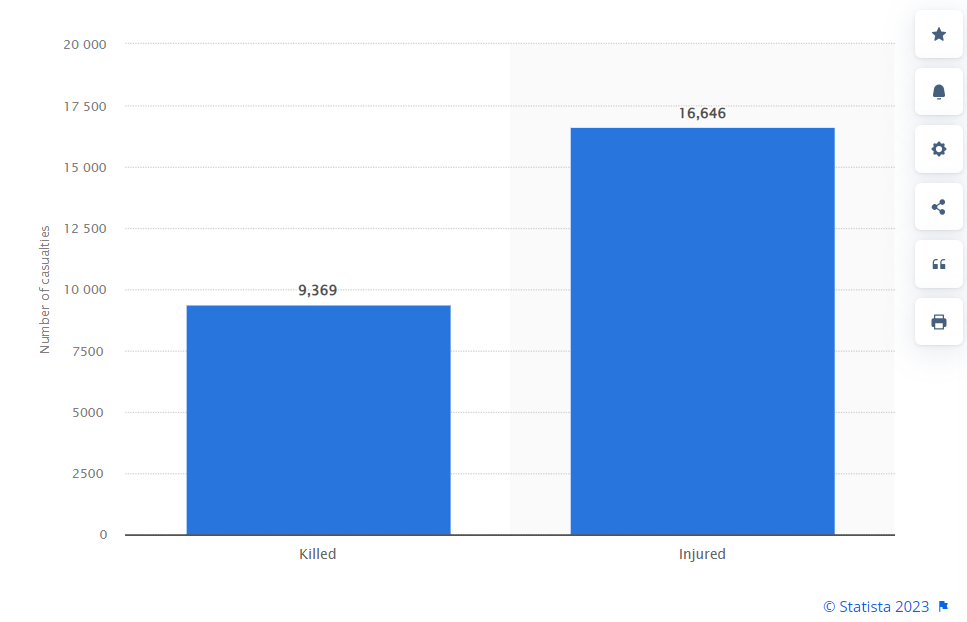
According to the data of the German online platform Statista, as of the end of July 2023, the number of dead among the civilian population of Ukraine as a result of Russian aggression reached 9,369 people, and 16,646 citizens were injured.
Due to the Russian invasion of Ukraine, as of the beginning of May 2023, 23,760 Ukrainian civilians and 7,000 military personnel are missing.
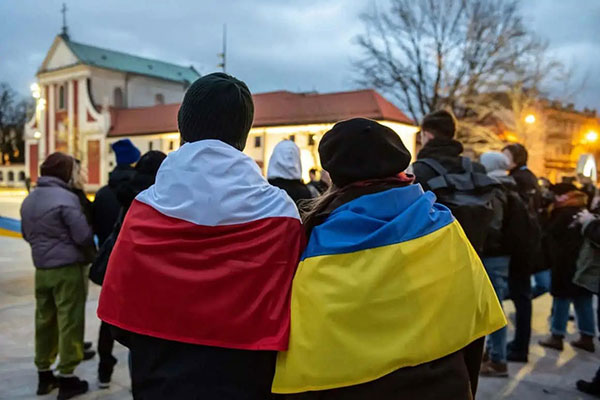
The UN Office for Human Rights reports that as of June 2023, the number of refugees from Ukraine in the world is 6.24 million, including 5.882 million in Europe.
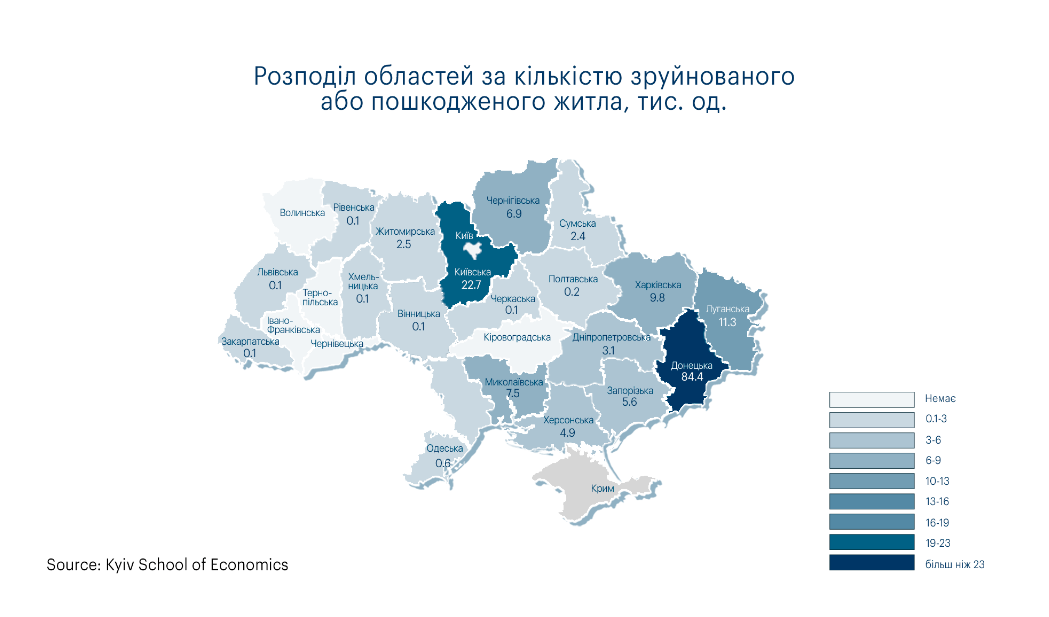
The Kyiv School of Economics reports that as a result of the full-scale invasion of Russia, the total number of damaged housing stock as of June 2023 is more than 163,000. The total area of damaged or destroyed objects is 87 million m2, i.e. 8.6% of the total area of the housing stock of Ukraine.
The World Bank estimated Ukraine’s losses from the Russian invasion at 411 billion dollars. Prime Minister of Ukraine Denys Shmyhal said that the Cabinet of Ministers predicts that this amount will double after the liberation of the temporarily occupied territories.
The goal of Russia
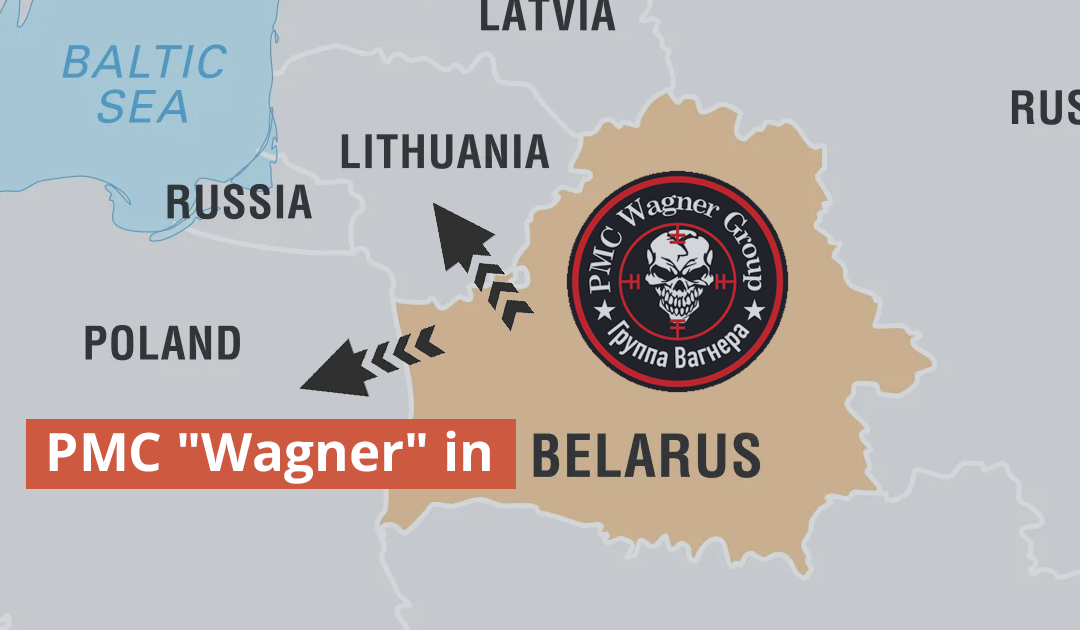
“You see what is happening with Belarus. In fact, the goal is the same — it is necessary to deprive Ukraine of its independence and return it to the bosom of the Soviet Union, to a common system of state leadership. Belarus is economically and militarily not an independent structure, it is managed by Russia. This is what the Russian Federation wants with Ukraine as well,” — Igor Koziy.
“The strategic goal of the Russian Federation, in my opinion, was to destroy Ukrainian statehood as such. Apparently, they expected that they would enter in organized columns, people would meet them with bread and salt, and that was the end of Ukrainian statehood. But Ukrainians began to resist, Ukrainians began to defend themselves. As of today, they are coming here from the Russian Federation to deliberately kill Ukrainians, to kill,” — says Valery Zaluzhnyi, Commander-in-Chief of the Armed Forces of Ukraine.
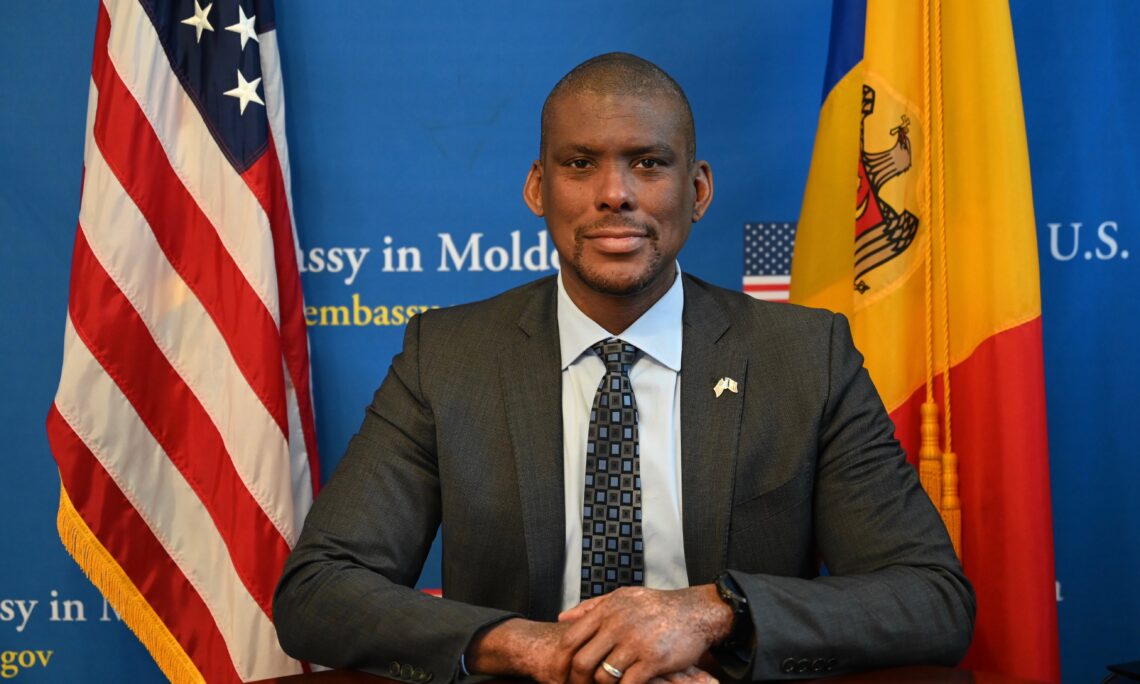
“This is more than just a land grab. This is the rattling of nuclear weapons by a permanent member of the UN Security Council, who is trying to undermine the principles of the UN Charter regarding territorial integrity and sovereignty and impose a new world order,” — said Dereck J. Hogan, Acting Assistant Secretary of State for Europe and Eurasia.
***
Russia’s goal is to destroy the Ukrainian state as such. Despite the confidence of Russia about a quick victory in three days and the uncertainty of the world community about the fact that Ukraine will stand, Ukrainians have been defending their land for one and half years, liberating it and pushing out the enemy.
Anya Ostymchuk