

“It is in the clear interest of NATO and thus of the Nordic countries to support not only Ukraine by all means but the Baltic states and Poland, which form a strategic neighborhood where the western European hinterland, including Denmark, is protected”.
Warsaw
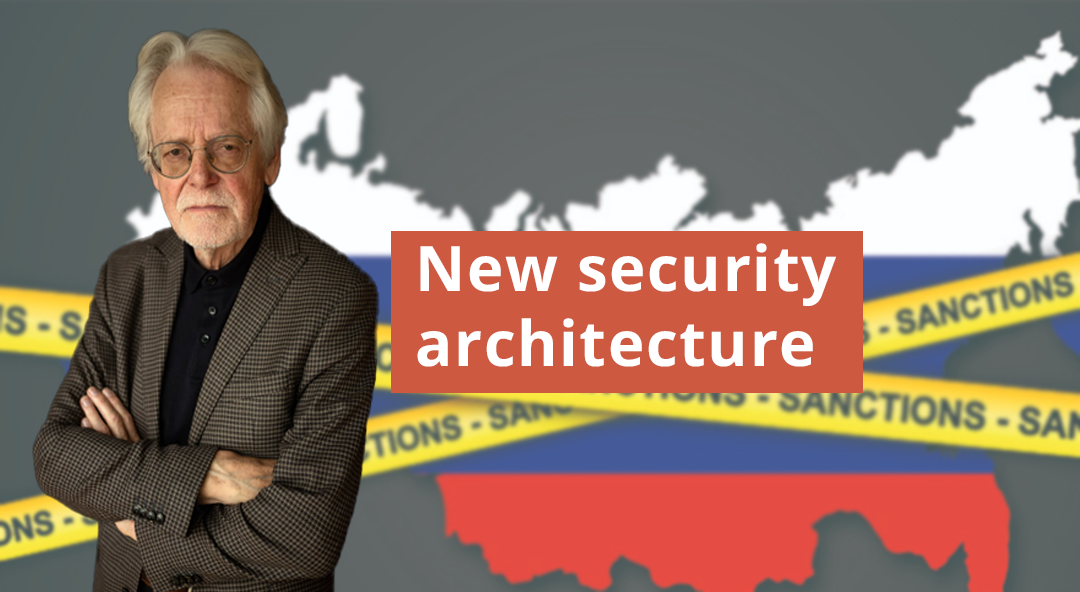
Few countries discuss the need for a new European security architecture more intensely than Poland, for almost 200 years a Russian province. Finally, in 1989, the Poles were able to leave the Muscovite Empire and return to Europe, a journey which the Ukrainians began in 1991, having been incarcerated in the Russian Peoples´ Prison since the lost Battle of Poltava in 1709.
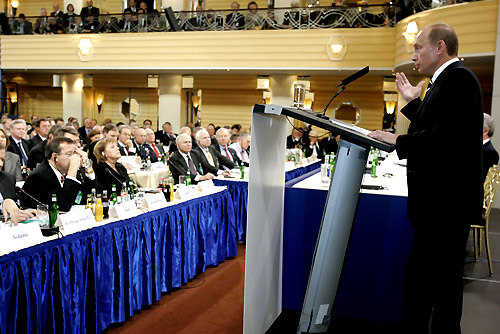
The Polish view is and was that NATO should have initiated an update of its military preparedness and its security policy thinking no later than 2007 when Russian President Putin delivered a broadside at the international security conference in Munich. It didn’t happen. Western Europe in particular, but also the United States, preferred to cling to the illusion of Putin as a partner, with whom one could talk, and who, moreover, was plenty engaged in holding together his post-Soviet empire. Besides, he supplied cheap energy.
Even the Russian assault on Georgia in 2008 and the First Ukraine War in 2014 did not shake these reveries.
The turning point occurred – much to the astonishment of the Kremlin – with the Second Ukrainian War, initiated by Russia in February 2022. NATO woke up and pronounced, at its summer meeting in Vilnius in 2023, a new reality: Russia was no longer a partner or just an adversary, but a deadly, nuclear-armed enemy.
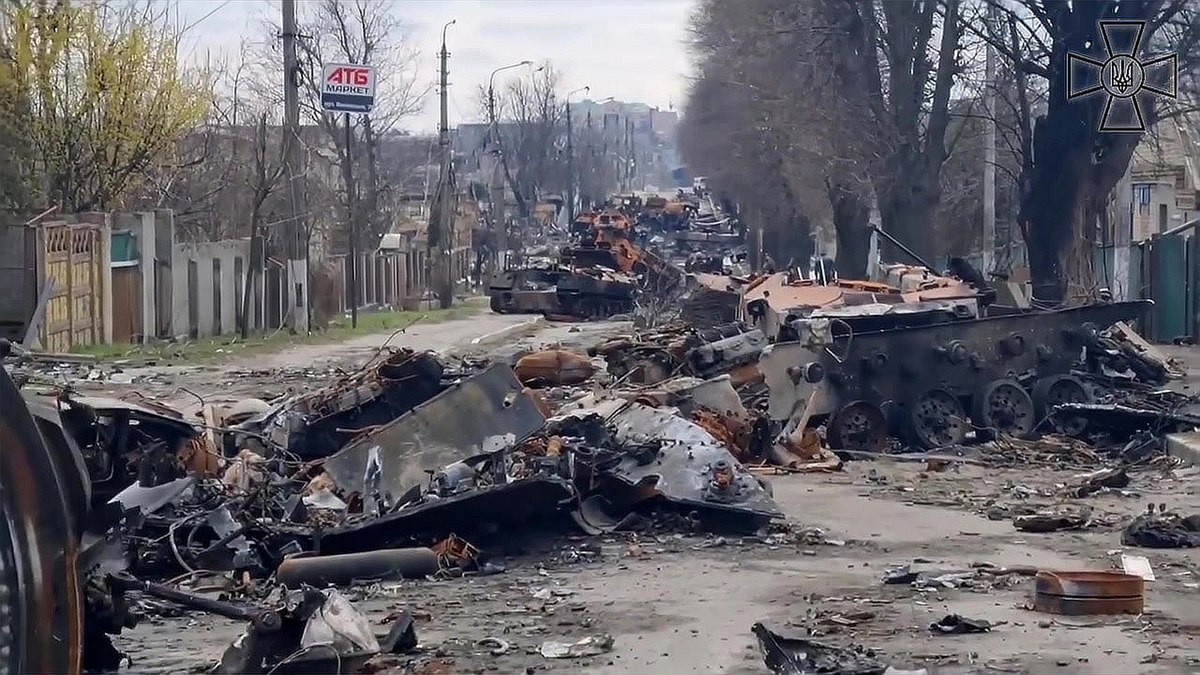
This very late realization necessitates a strengthened security architecture, not only without Russia but against Russia in its role as a most serious threat to Europe 20-14 or so runs an argument in Warsaw. “Putin,” says a Polish observer, “is the erratic and murderous dictator, a psychopath, who at any moment may plunge the planet into a nuclear disaster.”
Dozens of Western countries, accepting this view, are now strengthening both their own and Ukraine’s defenses. The Ukrainian armed forces are fighting for their republic and for Europe as a whole with amazing energy. The West knows this and supports Ukraine gratefully and massively, but still not sufficiently to win. To hold back on the delivery of much-needed ammunition and military hardware, including long-range precision missiles, is not just a scandal, it is a security policy betrayal.
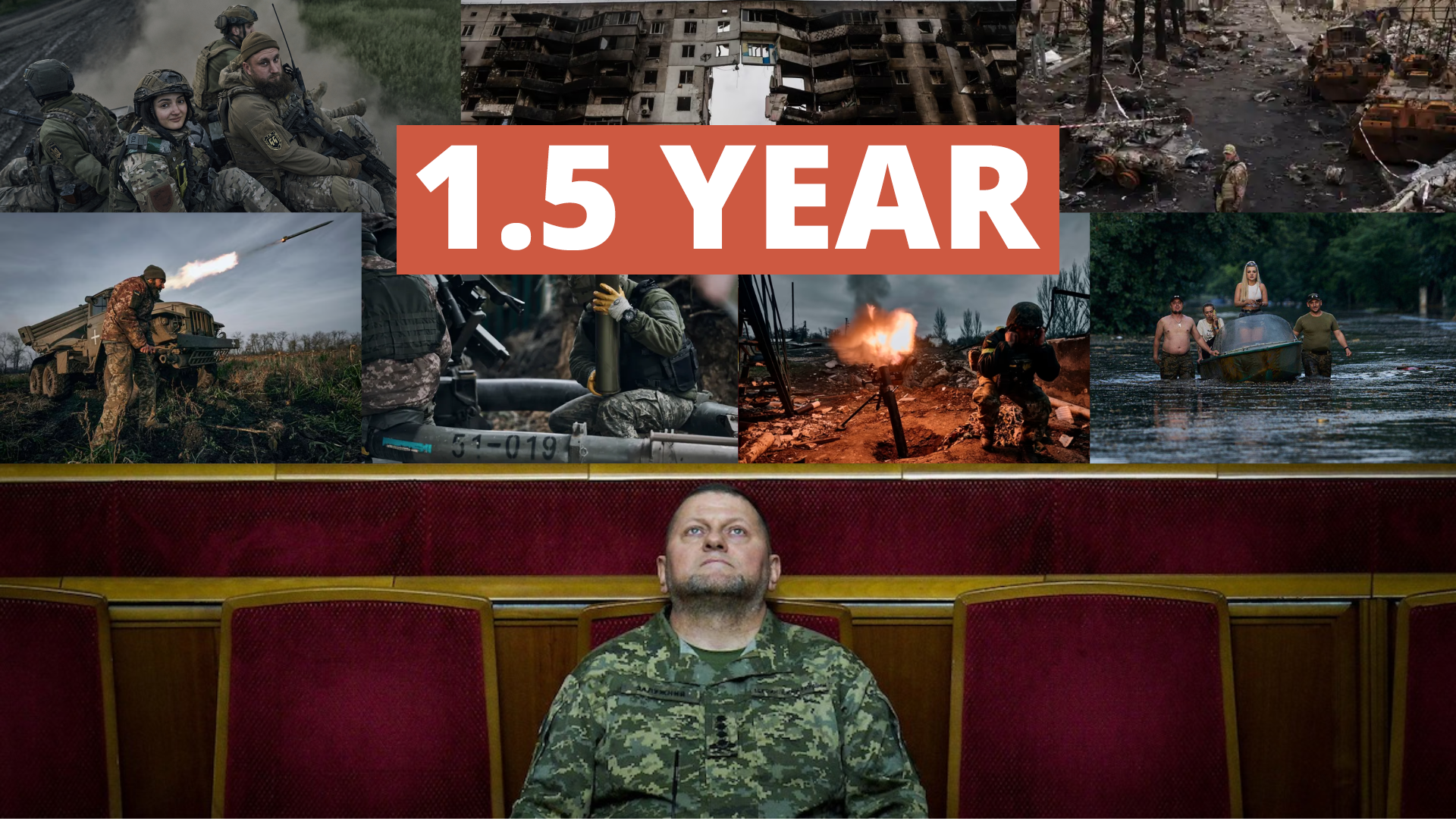
Who expected the tenacity of the Ukrainians 18 months ago when, despite all declarations to the contrary, Putin attacked his neighboring country? Very few. That Ukraine can maintain an offensive in the late summer of 2023 – hardly having had an army 10 years earlier – is impressive. According to its critics, the present offensive has not brought the Ukrainians big gains. What did they expect? A leisurely excursion to Crimea? An idyllic recapture of Donetsk? Let us instead take a look at the bigger, strategic picture. It is in order. It shows us all, not least the Kremlin, that Ukraine is alive and fighting and on the road to a victory, not now, not this year, but in the foreseeable future.
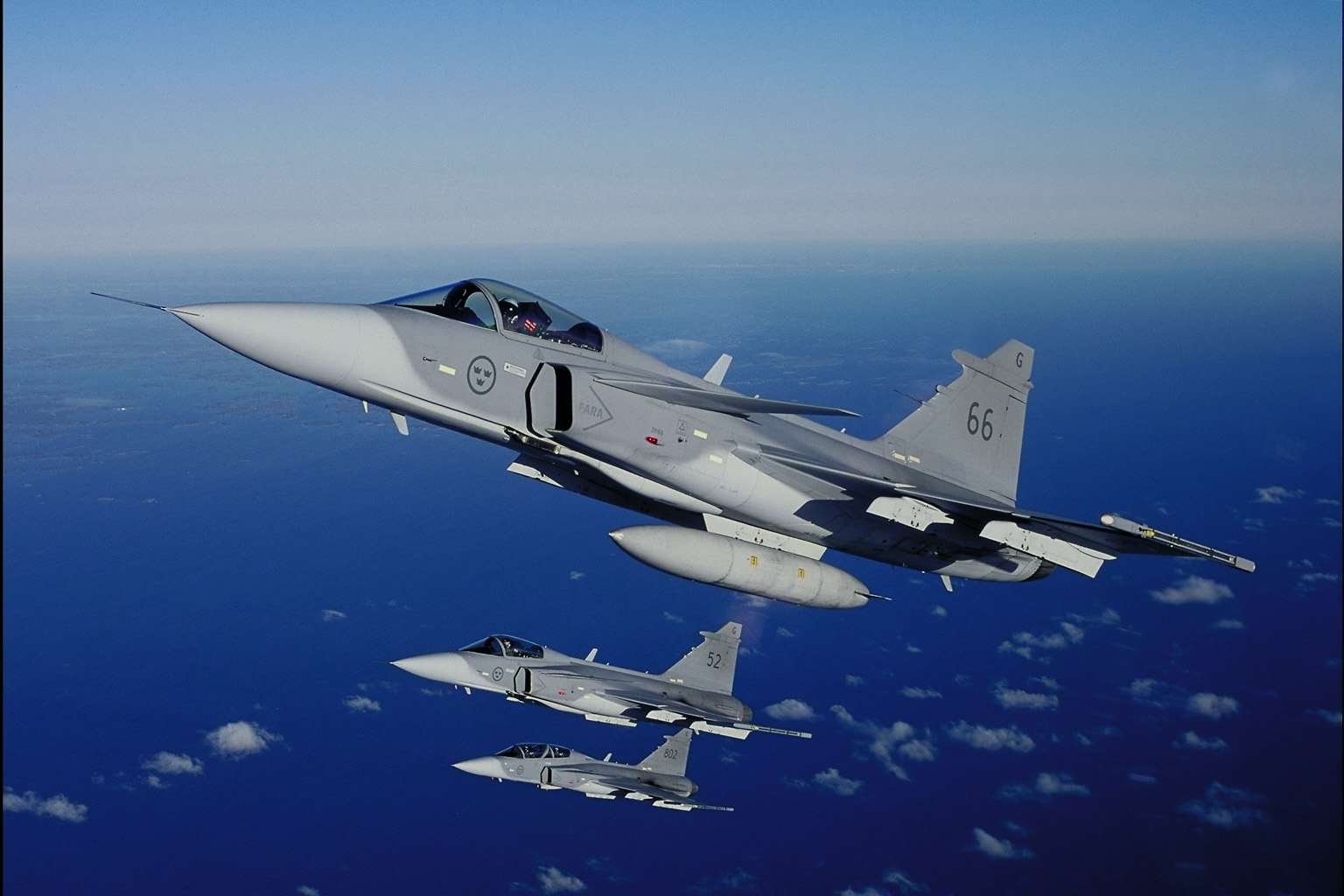
It is in the clear interest of NATO to support as fully as possible Ukraine, Poland, and the Baltic states, which together cover the West European hinterland. The Nordic countries are well aware of this, feeling the pressure in the Baltic Sea. With the Danish and Dutch F16s in the pipeline, Sweden gets ready to supply Kyiv with its excellent Gripen fighters [Saab JAS 39 Gripen — ed.], considered especially suitable for Ukrainian conditions. Moscow cannot be amused.
A new European security policy, based on sound geopolitical thinking, must have as a goal the earliest possible, non-bureaucratic admission of Ukraine and Moldova into NATO and the EU, followed by the West Balkans – Serbia excluded for the moment — where Moscow, Beijing, and other powers in the absence of the West are establishing themselves at the cost of the democracies. Will Austria and Switzerland come along? Not immediately, but the debate in the two Alpine republics is up and running.
A slightly later goal – attainable within a period of maybe 10 years – could be the military sovereignty of Europe, established around the nuclear arsenals of France and Great Britain, enhanced by Poland, the growing conventional power in the East, and Germany, which under another government may return to the tasks and responsibilities, that come with being Europe´s strongest power.
Poland is not the perfect democracy, which is once again being demonstrated in the campaign leading up to the parliamentary elections on October 15th [2023]. But the Poles are good at freedom. In that matter, the West can do worse than listen to Warsaw.
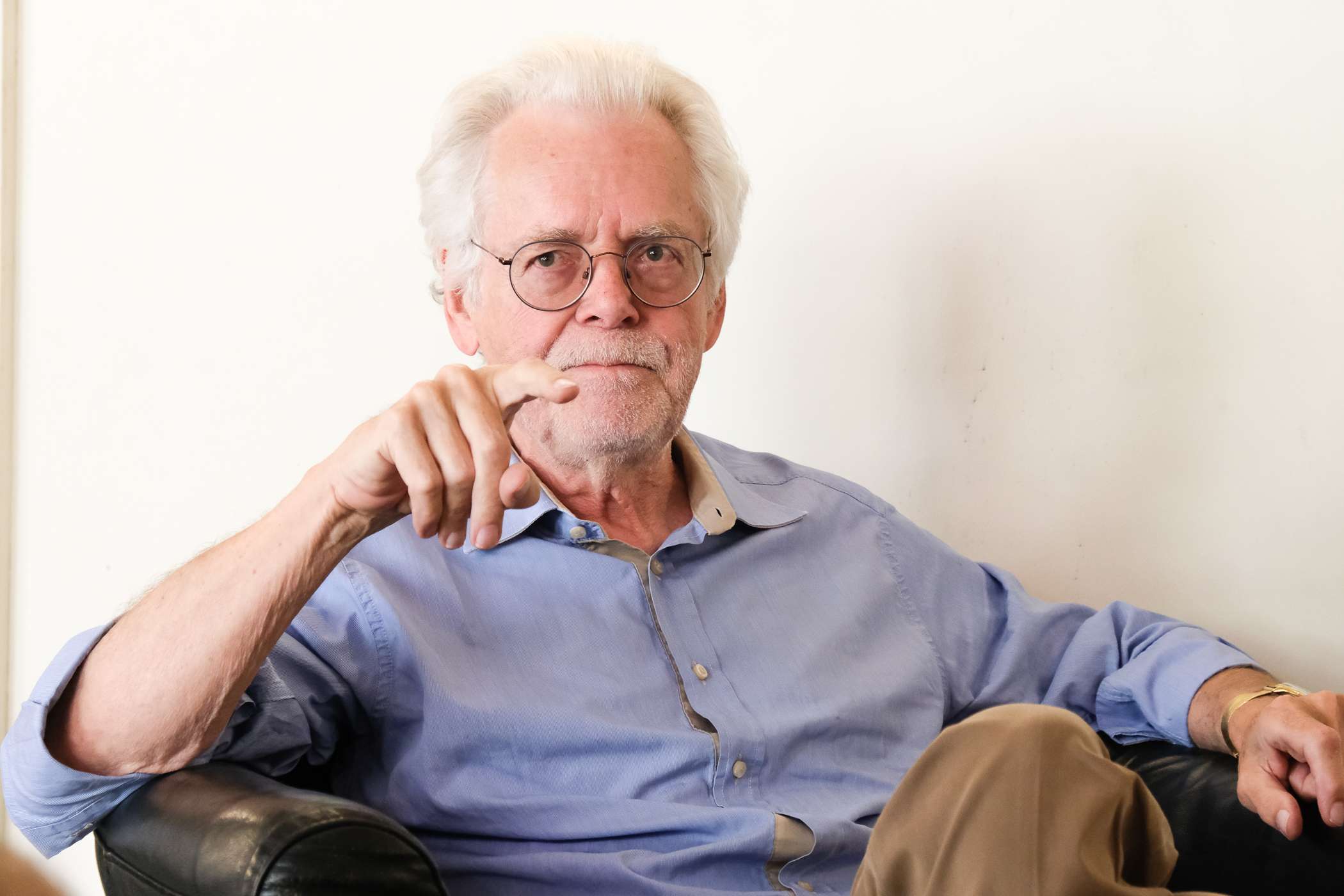
Author: Per Nyholm
Danish journalist since 1960, based in Austria, columnist and foreign correspondent at the liberal Danish daily newspaper Jyllands-Posten. This text was translated and adapted for The Ukrainian Review by Stanislav Kinka. Per Nyholm´s latest book, “Journeys in the Land of Blood” (Barcelona and Copenhagen, 2023), is freely available to any serious Ukrainian publisher, who might want to publish it.