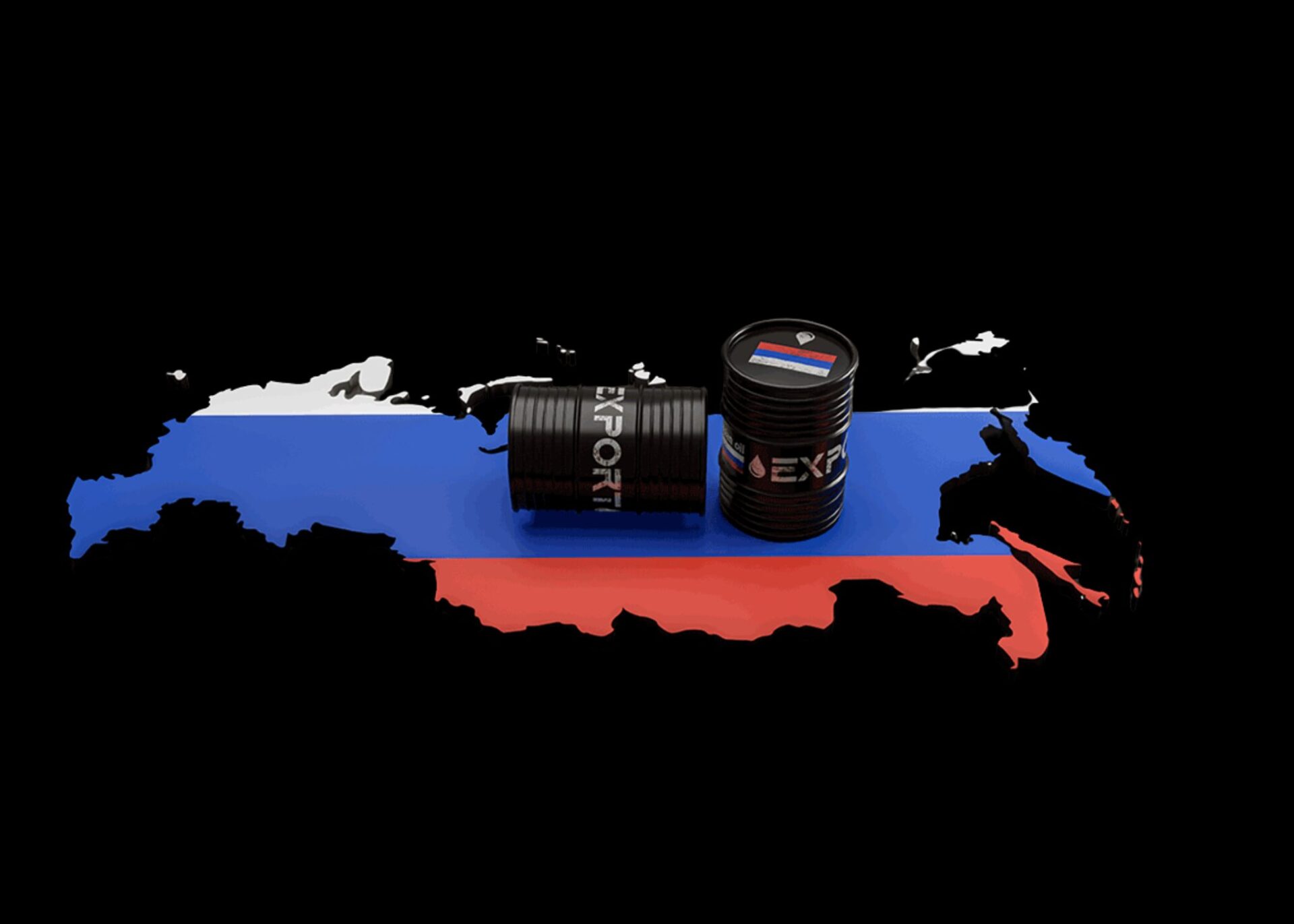


Russia’s oil exports are becoming increasingly difficult, while the growing volumes of crude without end buyers point to a deep crisis in the country’s oil sector caused by Western sanctions pressure. This was reported by Ukraine’s Foreign Intelligence Service.
By the end of 2024, oil and gas revenues accounted for about 31.3% of the federal budget. However, in 2025 this share fell to 27.1%, and for 2026 the Russian government forecasts a further decline to 23–25%, according to data from Russia’s Ministry of Finance and Bloomberg analytics.
What role oil plays in Russia’s economy and what the deepening crisis in the sector could lead to – we analyze below.
The Importance of Oil for Russia’s Economy

In 2022, Russia’s oil and gas revenues exceeded $320 billion, which allowed the Kremlin to quickly finance its full-scale aggression against Ukraine, explains Maksym Hardus, Communications Specialist at Razom We Stand and former official at Ukraine’s Cabinet of Ministers Reform Office.
“Even in 2023–2024, despite sanctions, monthly oil revenues amounted to $15–18 billion, a significant share of which directly or indirectly goes to military spending. Without oil revenues, Russia’s current level of military expenditures – over 6% of GDP – would be economically impossible.”
According to Russia’s Ministry of Finance and Bloomberg analytical reports, although the share of oil and gas revenues in the budget declined from peak levels of around 40% to approximately 25–27% in 2025, it still remains the main source of liquidity. These funds enable the Kremlin to sustain military spending, which currently stands at a record 6–7% of GDP.
The Mechanics of the Crisis: Sanctions, Technology, and Fire
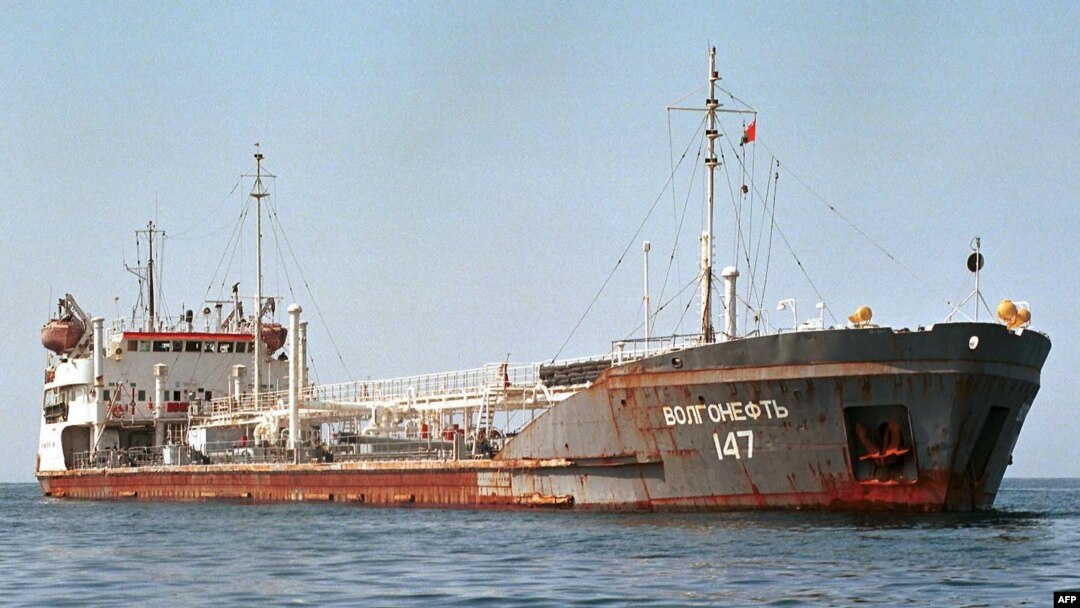
The current crisis in the sector is the result of the cumulative effect of three factors. First, US and EU sanctions against Russia’s “shadow fleet” became significantly more effective in 2025, leading to higher freight and insurance costs for Russian exporters.
Second, technological scarcity has become a reality. Most operating fields in Western Siberia are depleted, while developing new ones (Arctic or hard-to-recover reserves) is impossible without Western equipment and software for horizontal drilling. Without foreign service companies such as Halliburton or Schlumberger, production intensification is slowing, resulting in a natural annual decline in output of 3–5%.
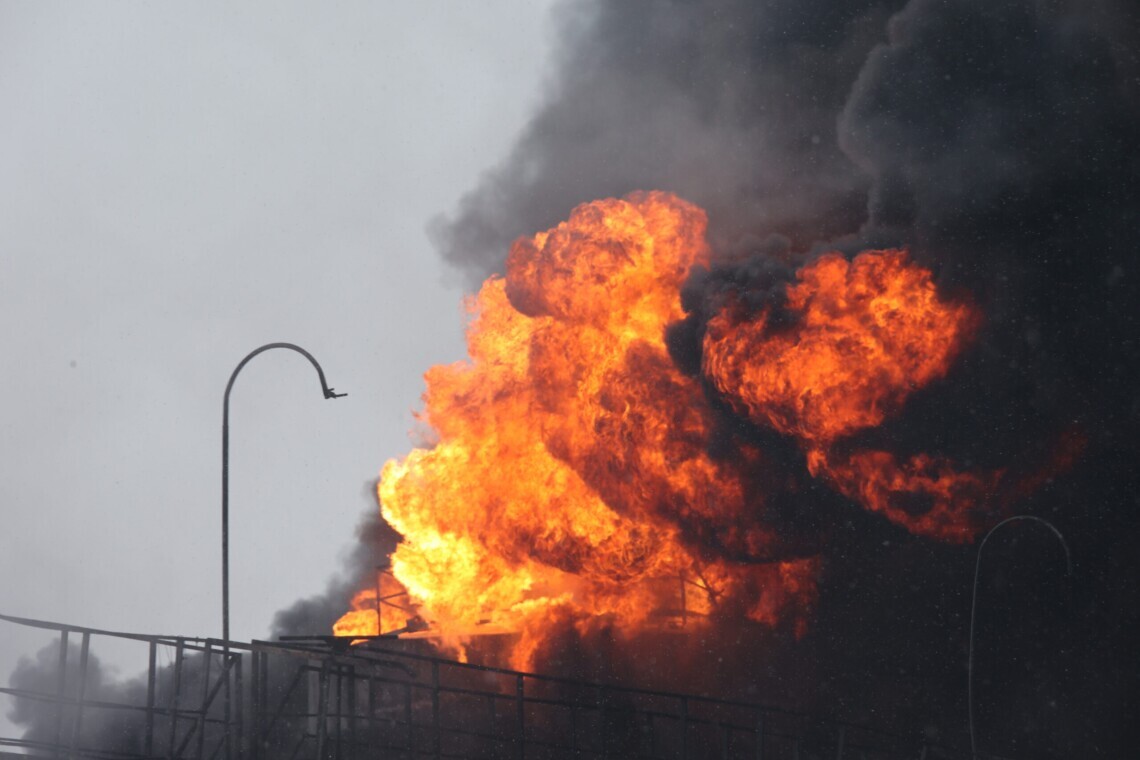
Third, the physical vulnerability of infrastructure has changed the rules of the game. Systematic Ukrainian strikes on oil refineries throughout 2024–2025 led to Russia losing its ability to produce sufficient volumes of high-quality fuel. This created a paradoxical situation: a country with vast oil reserves is forced to restrict gasoline exports to avoid shortages and social unrest at home.
A study published in Energy Policy (Spiro, 2025) concludes that the EU embargo on seaborne oil and the G7 price cap became the most “tangible” sanctions, as they reduced revenues through a “buyer’s discount” and higher transportation costs. The authors emphasize that without these measures, Russia’s oil revenues would have been significantly higher.
Comparison with the USSR

The price of Russia’s Urals crude — the key grade exported to global markets — after all discounts fell below $40 per barrel. When adjusted for inflation, this price is at a level that in the past was one of the decisive factors behind the economic collapse of the USSR. This was pointed out by Yurii Haidai, former Senior Economist at the Centre for Economic Strategy.
In December 1979, when Soviet troops invaded Afghanistan, a barrel of oil cost $101 — a record at the time. Adjusted for inflation, this is roughly $440–450 in today’s dollars (2026).
Rapid growth in production in Western Siberia brought the USSR massive foreign currency revenues. However, instead of building reserves for a “rainy day,” most of the money was spent on military needs and food imports.
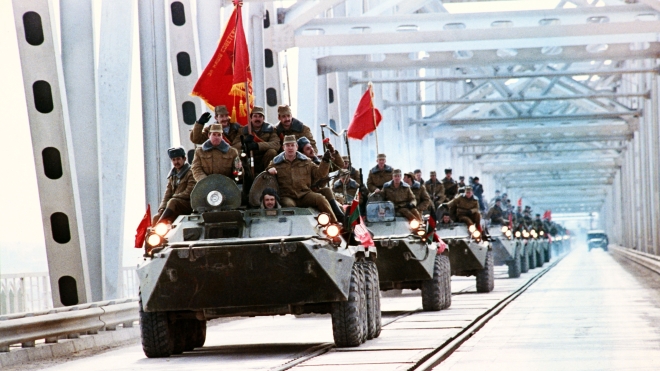
Seven years after the invasion, in 1986, the price of Russian oil fell to $30 per barrel — about $80 in today’s equivalent. And at the time of the USSR’s collapse in December 1991, a barrel cost $17, which corresponds to roughly $40 today. In other words, the current effective price of Russian oil, after all discounts, is very close to this historical benchmark.
Even after the collapse of the Soviet Union, oil remained a key factor in the economy and foreign policy: up to 67% of Russia’s export revenues came from energy resources. When Vladimir Putin came to power in 2000, oil cost $25 per barrel. At that time, he emphasized good-neighborly relations with the United States and did not oppose NATO enlargement.
What Lies Ahead for Russia’s Oil Sector
Maksym Hardus believes the crisis will continue to deepen, as without Western investment and technology, oil production could decline by 15–25% by 2030:
“Additionally, companies are underinvesting in geological exploration and modernization, because the state ‘squeezes out’ profits through tax mechanisms to finance the war. This leads to chronic budget deficits, rising domestic taxes, and further depletion of the National Wealth Fund, whose liquid portion has already more than halved since 2022.”
For Russia’s economy, this means stagnation, falling real incomes, and growing dependence on China and “grey” export schemes.
The Institute of Energy Research of the Russian Academy of Sciences forecasts a halving of production and a threefold decline in revenues by 2050 due to a lack of technology and investment. Experts at Freedom Finance stress that Russia’s 2026 budget cannot be balanced without oil and gas revenues.
NV analysts outline three scenarios: a baseline one — a deficit of 2–3% of GDP accompanied by tax hikes; a pessimistic one — a banking crisis triggered by “grey” schemes; and an option more favorable for the Kremlin — temporary stabilization through China, but at a discount.
Conclusion
The oil sector remains a key pillar of Russia’s economy and the main source of financing for the war, but its resilience is increasingly undermined by the combined impact of sanctions, technological restrictions, logistical problems, and military strikes on infrastructure. Falling Urals prices, widening discounts, shrinking budget revenues, and reliance on costly обходні (circumvention) export schemes point not to an immediate collapse, but to a prolonged structural crisis that will intensify over time.
Historical parallels with the late USSR show that low oil prices combined with high military spending place critical pressure on public finances. At the same time, the current situation demonstrates that even a significant drop in oil revenues does not automatically lead to an end to aggression. The Kremlin seeks to compensate for losses through internal resources — raising taxes and shifting the economic burden onto the population.
For Ukraine, this means that relying solely on Russia’s economic exhaustion cannot be the only strategy. Sanctions pressure must remain long-term and consistent, with stricter enforcement. In parallel, strengthening Ukraine’s own economic and energy resilience remains a key task, as it will determine the country’s ability to withstand aggression in the context of a prolonged confrontation.
Anna Romaniv