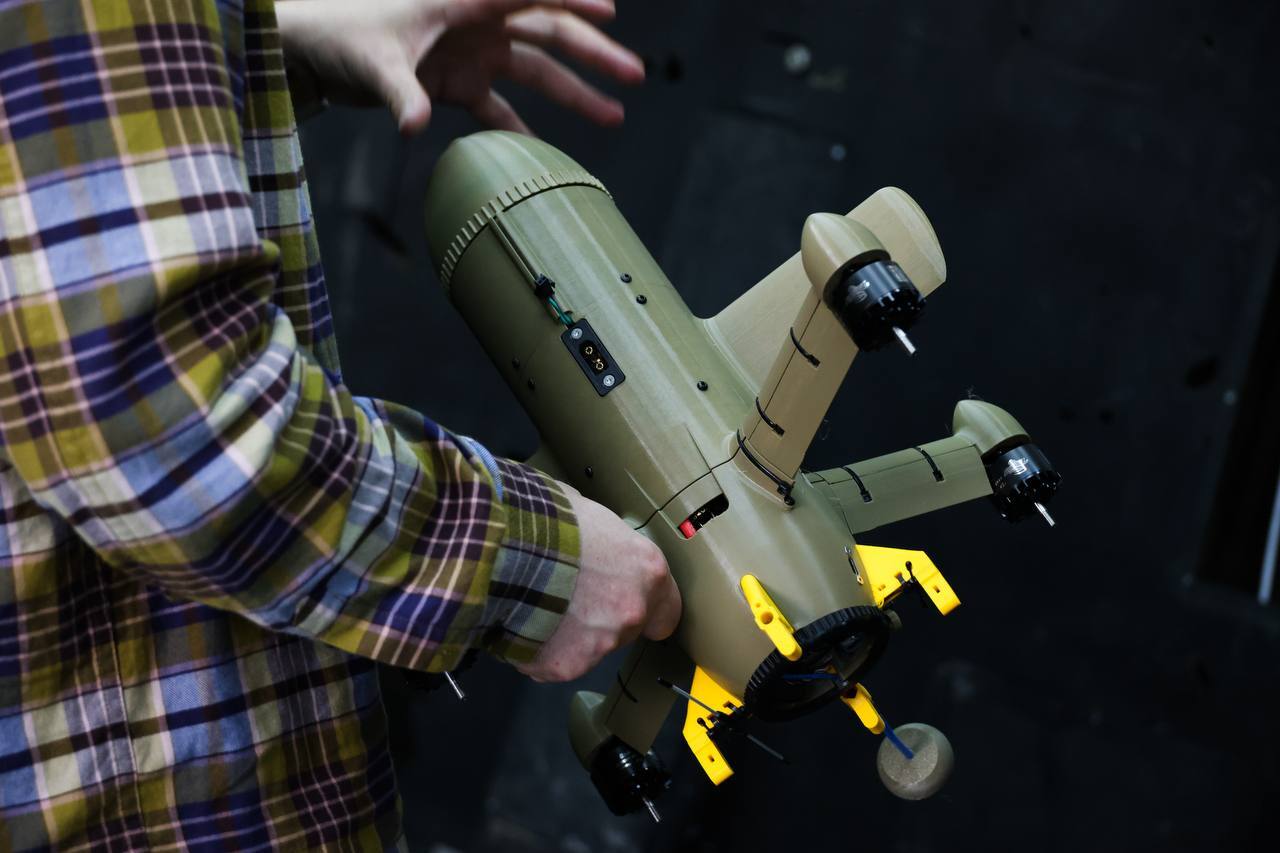


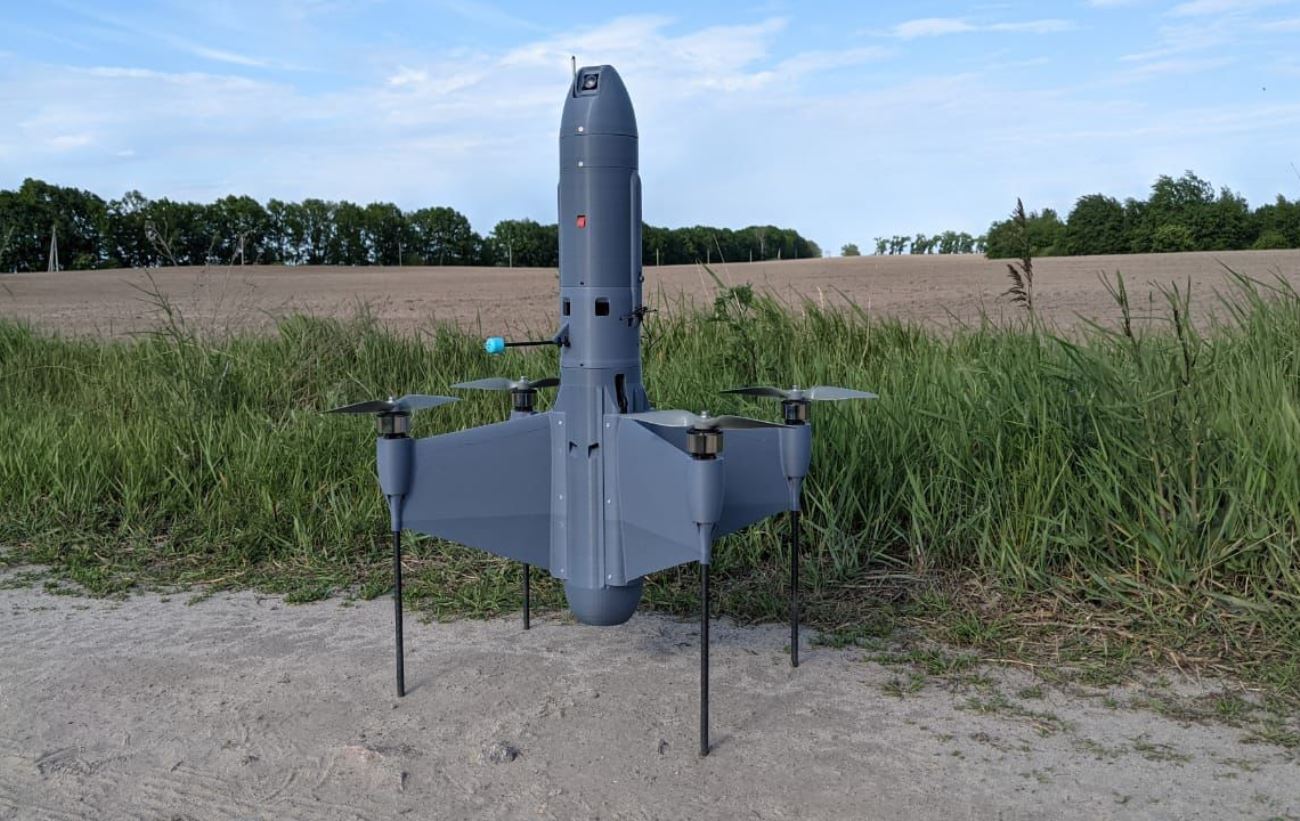
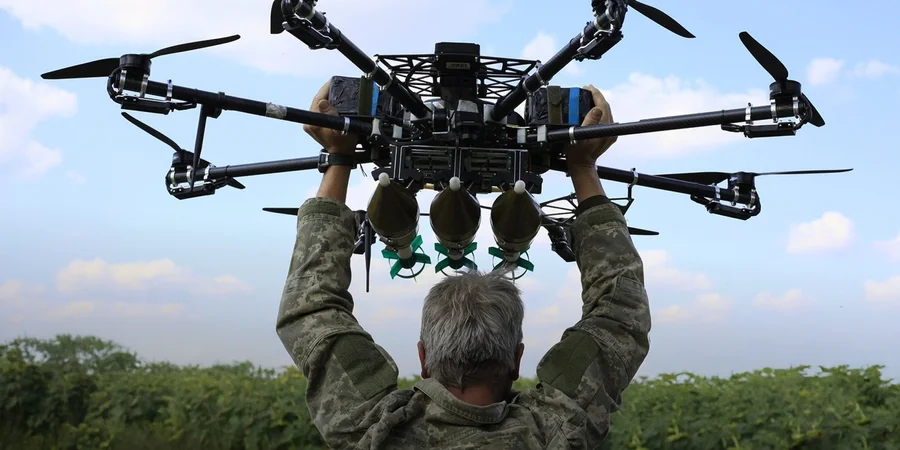
Ukraine has launched mass production of Octopus interceptor drones designed to counter Shahed attacks. The announcement was made by Ukraine’s Minister of Defence. This is an important step that strengthens the country’s own defence capabilities and reduces dependence on foreign air-defence systems.
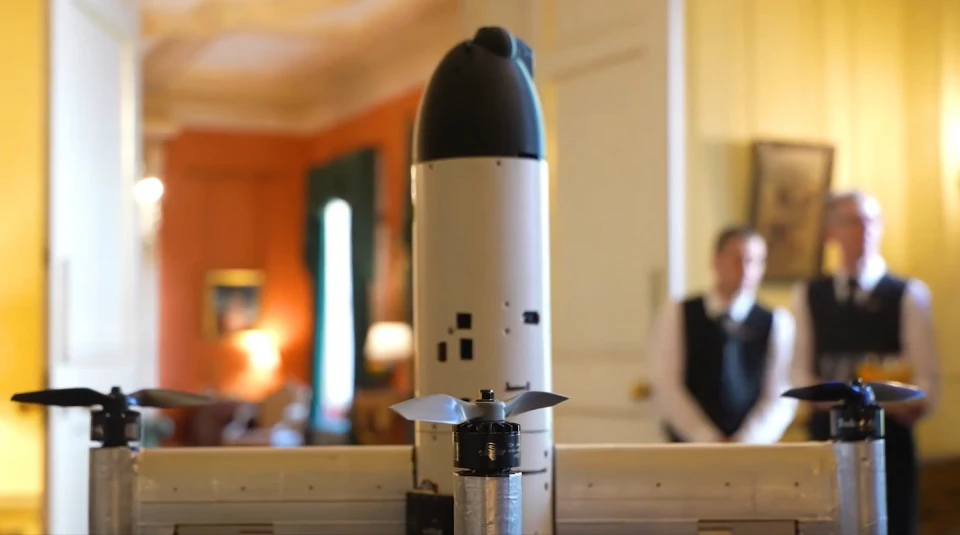
What Has Been Approved
Defence Minister Denys Shmyhal stated that three domestic manufacturers have received the Octopus technology, and another eleven companies are already preparing production lines. This marks a shift from experimental prototypes to real large-scale manufacturing.
According to the minister, “Octopus is a Ukrainian technology for intercepting Shaheds, developed by the Armed Forces and proven in combat.”

The drone operates at night, at low altitudes and under heavy jamming — exactly the conditions in which Russian attacks pose the greatest threat.
Why It Matters Now
Ukraine needs systems that can compensate for the shortage of expensive air-defence missiles. Mass production makes it possible to obtain a large number of interceptors quickly and, crucially, at a much lower cost compared to traditional systems. This creates an additional layer of defense in which some aerial threats can be neutralised with cheaper and more mobile assets.
Another key aspect is technological autonomy. Previously, Ukraine depended on imported unmanned platforms, including components that allied countries could not always supply in the required quantities. Now, part of air-defence shifts to domestic production, reducing the risks of delays and political restrictions.
New Approach at the Ministry of Defence
Transferring the technology to several manufacturers at once indicates a shift in how the Ministry of Defence works with industry. Ukraine is moving away from a closed defence sector that works for years on a single prototype. Now, the state creates demand, and private companies provide speed and competition. The ministry notes that this model enables “a rapid transition from innovation to serial combat solutions.”
This approach aligns with recent reports that Ukraine has begun a joint project with the United States on interceptor production. In practice, this reflects progress toward a hybrid defence model: developing domestic technologies while cooperating with allies.
Conclusion
The serial launch of Octopus means Ukraine is moving toward systematically strengthening its air-defence without excessive reliance on partners. Production capacity will grow, and the drone’s ability to operate in challenging conditions makes it one of the key tools for protecting cities and critical infrastructure.
In the long term, such projects shape Ukraine’s own defence potential — technological, industrial and strategic.