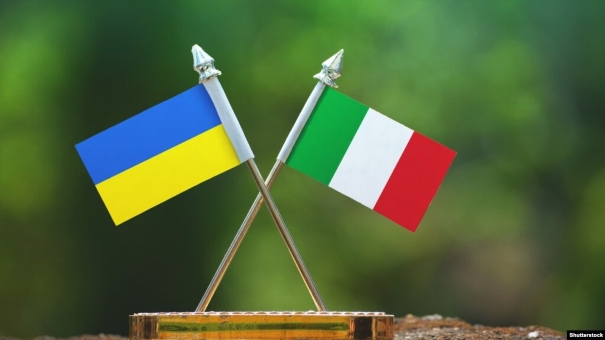


In Italy, the issue of continuing assistance to Ukraine amid a corruption scandal has sparked heated discussion. The Deputy Prime Minister and the Minister of Defense share opposite views over the feasibility of further support for Kyiv. Deputy Prime Minister Matteo Salvini said that new corruption scandals in Ukraine raise concerns about aid, while Italian Defense Minister Guido Crosetto advocates for continuing assisting.
The position of Deputy Prime Minister is as follows:
It seems to me that corruption scandals are emerging involving the Ukrainian government, so I would not want the money of Italian workers and pensioners to be used to fuel further corruption, Salvini said in comments reported by ANSA.
He also referred to the situation on the frontline, adding that Ukraine must be interested in stopping the war as Russian forces continue to advance.
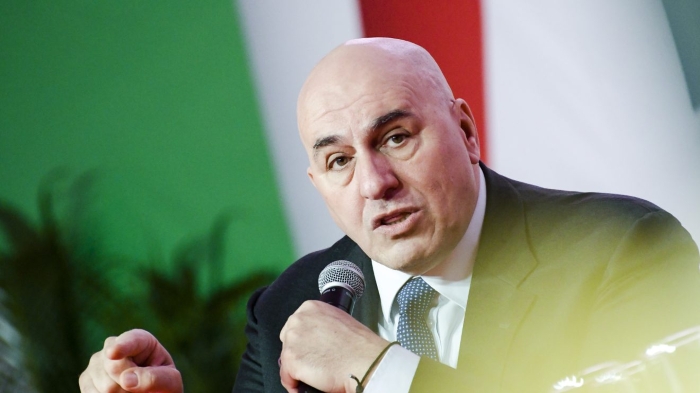
At the same time, Defense Minister Guido Crosetto admitted that understands concerns but emphasized that Italy is helping civilian Ukrainians, who are suffering the most from constant attacks. He stressed that he would not judge an entire country because of two corrupt individuals.
EU Reaction
As Politico reports, EU allies are demanding guarantees and transparency from Ukraine regarding the use of financial support amid the corruption scandal involving an alleged embezzlement of $100 million. However, the EU has not withdrawn its aid initiatives. The Union confirmed it will allocate €6 billion in new assistance to Ukraine. Earlier this week, Estonia officially approved an additional €150,000 to support Kyiv’s energy sector.
Ukrainian President Volodymyr Zelenskyy signed a decree imposing sanctions on businessman Timur Mindich and financier Oleksandr Zukerman. Their assets have been blocked.

Context of Anti-Corruption Infrastructure
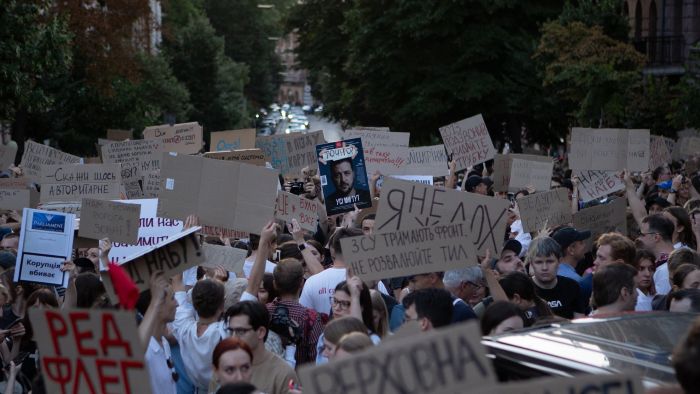
In summer 2025, Ukrainians defended the independence of anti-corruption bodies established after the 2014 Revolution of Dignity by taking to the streets in protest. In July 2025, the Verkhovna Rada adopted draft law №12414, which significantly restricted the independence of NABU and SAPO, transferring key powers to the Prosecutor General. However, due to public pressure, the controversial changes were withdrawn, demonstrating society’s strong commitment to combating corruption.
Recently, NABU and SAPO uncovered the most resonating corruption scheme in years, exposing a criminal organization that included current and former officials in the energy sector.
Conclusion
On the one hand, the fact that such schemes are being uncovered demonstrates the effectiveness of Ukraine’s anti-corruption institutions. On the other hand, amid intensified Russian attacks on energy infrastructure, these schemes appear especially cynical.
At the same time, the primary interest of European countries in supporting Ukraine remains the deterrence of further Russian expansion in Europe. Therefore, this is a reason to demand greater transparency and real accountability for corrupt businessmen—but not a reason to halt assistance. Public reaction inside Ukraine shows that Ukrainians will not tolerate such cases, which further underscores the importance of continued, conditional support.