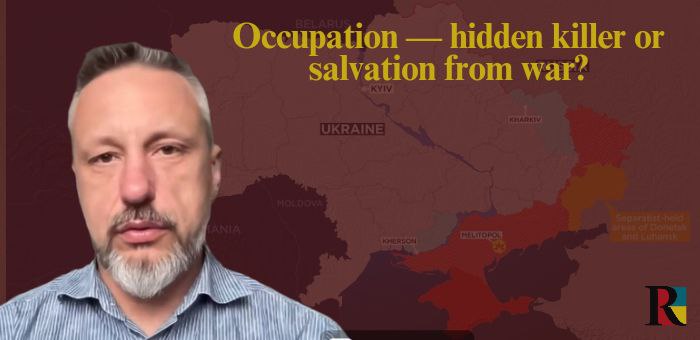


After the occupation, our cities emerge from the zone of total attention. It seems that the most dreadful thing – the death of civilians – is over, and infrastructural, cultural, and ethical problems cause incomparably less sorrow than Russian bombs and shells. This view is separately promoted by Russian propaganda, reinforcing it with numerous photos and videos depicting the return to normal life in occupied cities. But does this view reflect reality?
Using Mariupol as an example, occupational control doesn’t stop mass killing; it simply changes its character and intensity. Instead of active killing by weapons, passive killing through sabotage takes over. The numbers speak for themselves. Before the full-scale invasion, the mortality rate in Mariupol was around 100 deaths per week out of a population of 500,000. In the first six months of the 2022 occupation, in a population of 130,000, the mortality rate reached up to 200 people per week. And by 2023-2024, the mortality rate for 80,000 Ukrainians in Mariupol reached 350 people per week. We’re talking about deaths from natural causes: diseases, old age, household accidents. Why such high mortality? The answer is simple – the collapse of the medical system. The absence of doctors. Even with the opening of a new hospital with modern equipment, the absence of doctors continues to kill. Can Russia address this problem administratively? Undoubtedly. Then why doesn’t it? The answer is obvious. Deliberate genocide.
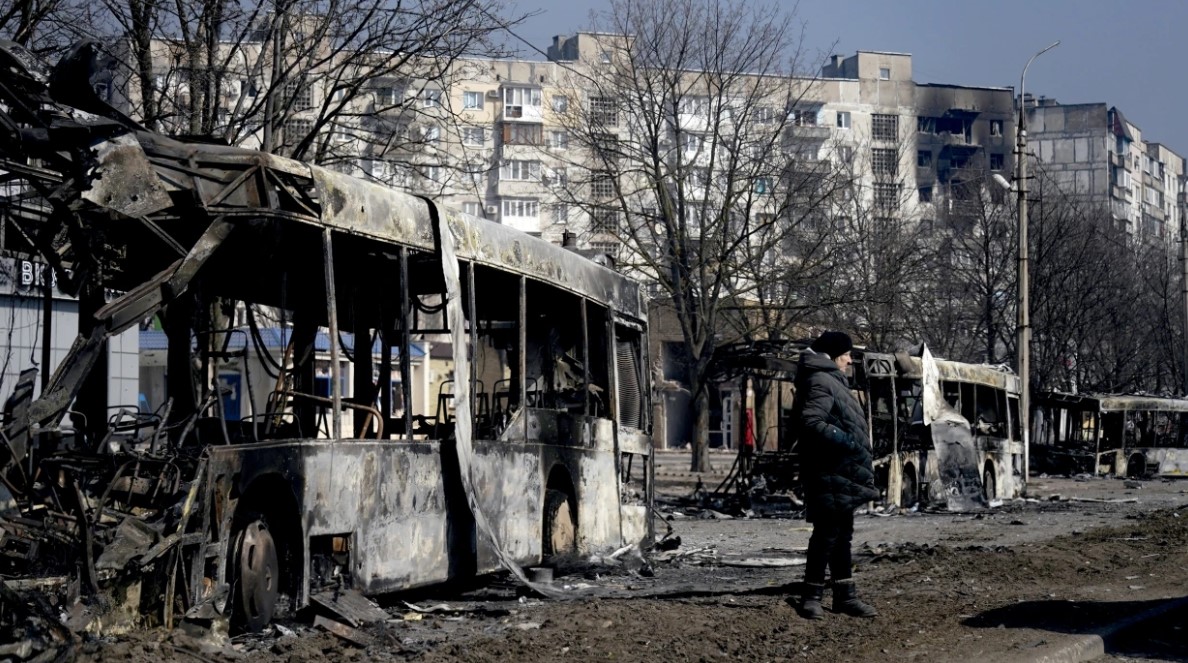
However, depriving access to medical care is not the only conscious part of the policy of exterminating Ukrainians. From the first days of the occupation, Russians successfully implemented a population replacement policy. Ukrainians are forced to leave Mariupol in various ways – from repression to “soft” expulsion. While repression and arrests are somewhat understandable, what does “soft expulsion” look like? Here, too, it’s better to speak in numbers.
As of today, Russians have dismantled about 500 high-rise buildings, which equals almost 35,000 apartments. Over the entire period of the occupation, Mariupol residents are supposed to be given 5,500 apartments in exchange. And suppose we add that in 2024, Russia plans to dismantle another 508 buildings, comprising 30,000 apartments, without constructing any compensatory housing. In that case, it turns out that only 10% of Mariupol residents can remain living in Mariupol. All others must seek their fortunes elsewhere. In other cities, regions, and countries. What is this if not part of extermination?
Moreover, Russians actively build housing for mortgage loans for Russian citizens, which is inaccessible to Mariupol residents under any circumstances. As a result, in just 2023, during the “peaceful times” of the occupation, about 40,000 Mariupol residents left the city. Evacuating to escape genocide into Ukraine and European Union countries. Trying to flee from the “quiet” and hidden mass murder of occupation, which often remains unnoticed by all the world around.
By Petro Andryushchenko
*These opinions are solely those of the author. The Ukrainian Review takes no position and is not responsible for the author’s words.
Petro Andryushchenko adviser to the mayor of Mariupol. After war started in Ukraine by the Russian Federation in February 2022, he became the de facto “voice” of Mariupol.
On his Telegram channel “Andryushchenko Time” tells the truth about the horrors of the occupation, deportation of people by the Russian occupants, and the “filtration” camps in Donbas.
Stanislav Kinka adapted this text for The Ukrainian Review.