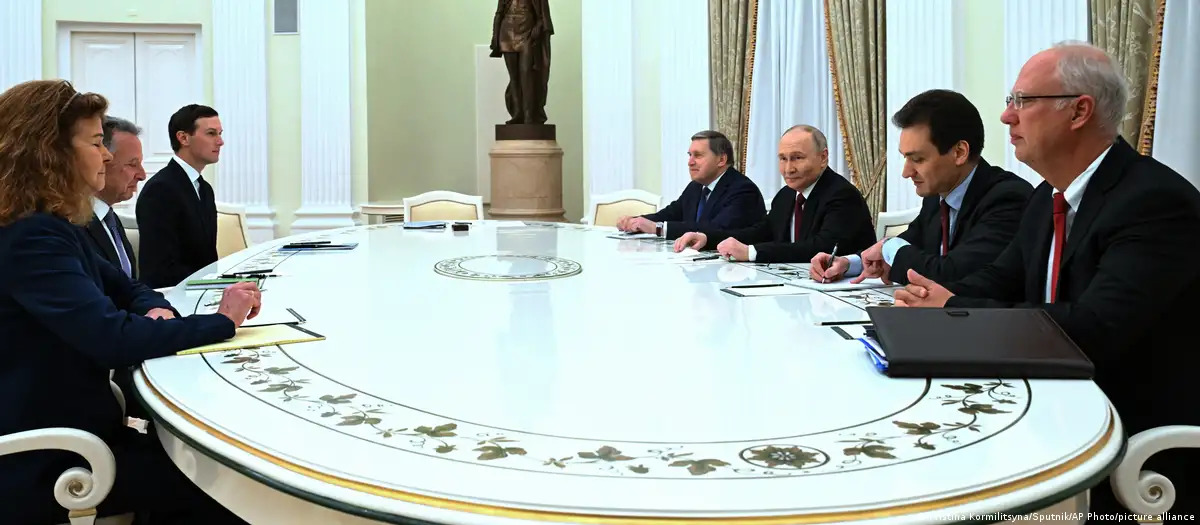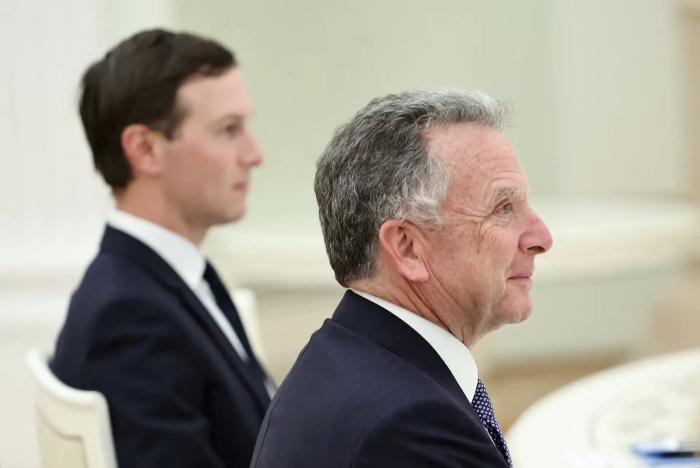


Predictably, the three-hour meeting between Vladimir Putin and Steve Witkoff in Moscow did not produce results, though officials still called it “productive.” Steve Witkoff, the special representative of U.S. President Donald Trump, and Jared Kushner, Donald Trump’s son-in-law, walked around Moscow yesterday, waiting for the delayed conversation.
Meanwhile, more controversial statements about Ukraine continue to come from the U.S.
Moscow Buying Time
The Kremlin now claims it knows the clarifications of the peace plan and states that some points look acceptable while others do not. Unsurprisingly, officials in Moscow support those provisions drafted with Russian representative Dmitriev. They reject the edits proposed by Ukraine and the EU. These edits include rejecting recognition of occupation, refusing limits on the size of Ukraine’s army, and blocking the proposal to hand over the remaining parts of Donetsk region to Russia. Russia also refuses to pay reparations. This was emphasized only to highlight Moscow’s dominance in decision-making after a failed the EU attempt to push usage of frozen Russian assets.
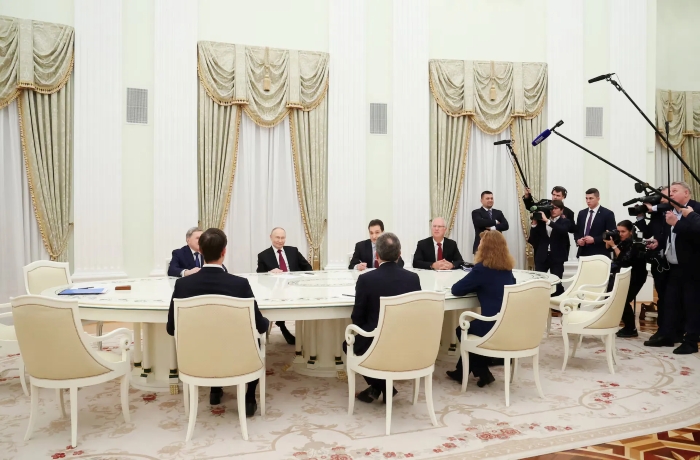
According to Politico, Putin made Trump’s representatives wait for several hours before they entered the Kremlin to show superiority. While the Americans waited, Putin spoke to journalists at an investment forum.
Witkoff and Kushner planned to meet with President Zelenskyy today but canceled their visit, according to a Euronews journalist.
Simplification of the Issue in the U.S.
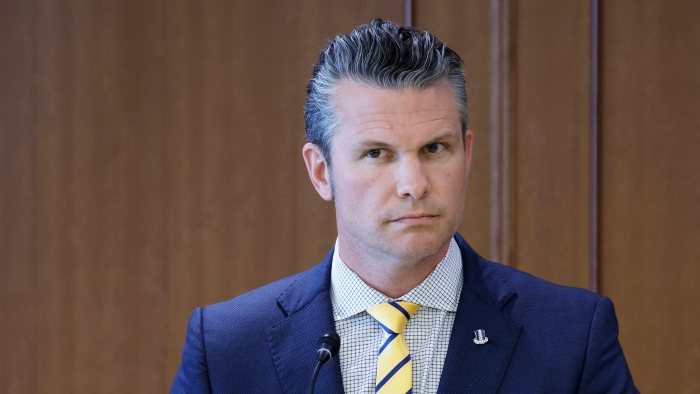
U.S. Secretary of Defense Peter Hegseth, amid failing talks, suggested a very simple solution in his opinion:
It would be good if Putin, Trump, and Zelenskyy met for dinner. Let’s see what comes of it. It would be a dinner for peace, Hegseth said.
After all Russian tortures, including the starvation of Ukrainians in prisons and in occupied territories, the “dinner” format looks cynical.
A thin line still exists between open Putin sympathizers like Witkoff and more moderate representatives, such as Marco Rubio, who at least points to Ukraine’s interests.
Ukrainians are actually independent and sovereign. And their economy should be allowed to not just recover, but to thrive, and turn it into a prosperity story. That’s what we’re trying to achieve, Rubio said.
Russian conditions directly oppose the concept of sovereignty, and economic prosperity remains impossible without a just peace.
Conclusion
Trump no longer sets public deadlines, such as the end of the year, for a deal. Yet he avoids stating the real reason: Russia does not want peace. Meanwhile, the Kremlin enjoys humiliating U.S. representatives and indirectly influencing the EU decisions, including the one on frozen assets. Putin manipulates the U.S. desire to make a deal without punishment for aggression, as they view this option as the easiest. He will continue doing so for as long as possible to avoid sanctions.