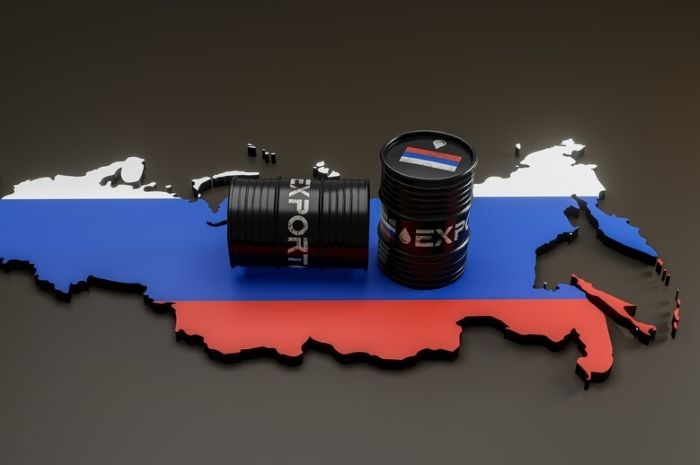


Members of the US House of Representatives have announced their readiness to vote on a bill imposing sanctions on Russia, drafted by Senators Richard Blumenthal and Lindsey Graham. At the same time, Reuters reported that Donald Trump is prepared to sign the bill if it grants him the authority to make final decisions on such restrictions.
On November 19, the United States also imposed sanctions on several Russian IT companies and individuals probably involved in cyberattacks.
Sanctions as one component
US politicians advocating for stricter measures understand that sanctions are only one tool to deter Russia. Ted Lieu, vice chair of the Democratic Caucus, stressed that sanctions must complement military assistance to Ukraine. Trump told reporters he views the Republican work on the sanctions package positively and suggested that Iran might also be included.
Republicans Lindsey Graham and Brian Fitzpatrick supported a bill that would penalize countries doing business with Russia, especially those purchasing its energy resources. However, while Washington debates new restrictions, the sanctions adopted on October 22 already contain significant loopholes.
Exception for Hungary and Slovakia
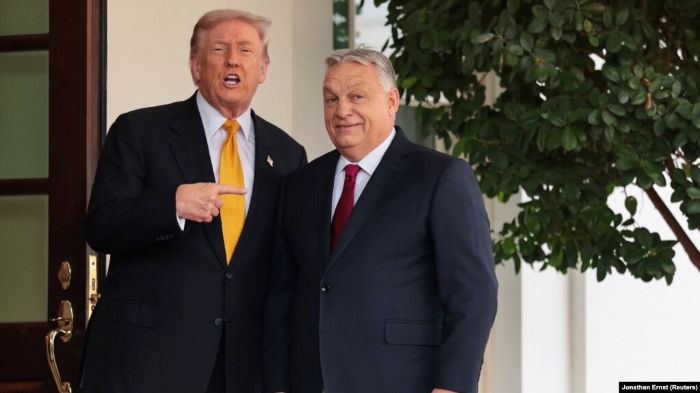
Hungary insists it has an indefinite exemption from US sanctions against Rosneft, despite Washington describing it as a one-year postponement. This concession emerged after Viktor Orbán’s visit to Washington on November 7. Orbán claimed the exemption would remain in place as long as he is Hungary’s Prime Minister and Trump is US President — turning the issue into a tool for election messaging.
Slovak Economy Minister Denisa Saková stated that the exemption requested by Orbán from Trump also applies to Slovakia. According to her, this is automatic because the Slovnaft refinery in Bratislava is owned by Hungary’s MOL.
Additionally, citing Hungary’s “energy security,” the United States lifted sanctions on the construction of new units at the Paks II nuclear power plant, a project run by Russia’s state-owned Rosatom.
Conclusion
Sanctions against Russia and the countries economically supporting its war machine are a necessary component of achieving peace. Yet Washington hesitated for months before imposing the first package — and the pattern is repeating. Moreover, the United States has developed a peace plan: according to Axios, Trump’s special envoy Steve Witkoff actively discussed it with Russian representative Kirill Dmitriev, who is optimistic and claims that Moscow’s position is “finally being heard.” Russia’s Foreign Ministry spokeswoman Zakharova has denied this.
Moscow continues to exploit discussions of a vague peace agreement, using them to buy time without facing additional economic or military pressure. Meanwhile, sanctions that can be so easily altered or waived undermine their credibility. Once again, Russia wins geopolitically, preserving its foothold within the EU’s energy sector.