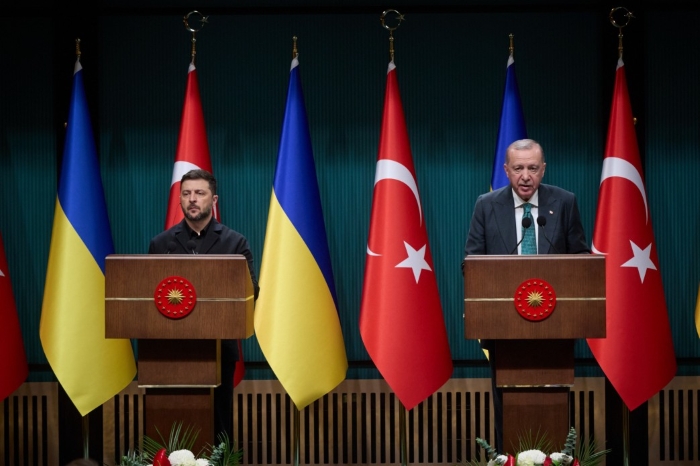


Ukrainian President Volodymyr Zelenskyy held a working meeting with Turkish President Recep Tayyip Erdoğan. Among the key topics discussed were bilateral relations, economic cooperation, and security. Amid renewed talk about a possible new round of negotiations, Turkey is increasingly being positioned as a platform and mediator. The statements made during the leaders’ press conference were strong and offered a sense of hope. However, against the backdrop of rumors about a pro-Russian peace plan that would require significant concessions from Ukraine, whether these assurances regarding sovereignty will be upheld remains open.
Platform for Negotiations
Earlier, the Turkish side repeatedly emphasized its willingness to serve as a place for potential negotiations. For instance, Turkish Minister of Foreign Affairs Hakan Fidan stated in an interview with A Haber that the Russian-Ukrainian war is now “nearing its end” and that Turkey is ready to provide space for talks. A hidden competition has emerged among some states seeking additional geopolitical weight, and at this stage Turkey appears to be the preferred option.
Since the beginning of this year, we in Ukraine have supported all decisive steps and the leadership of President Trump — every strong and fair proposal to end this war. Only President Trump and the U.S. have sufficient power to finally end the war. President Erdogan today proposed formats for talks, which I supported, and it is important for us that Turkey is ready to provide the necessary platform, Volodymyr Zelenskyy stated during his visit.
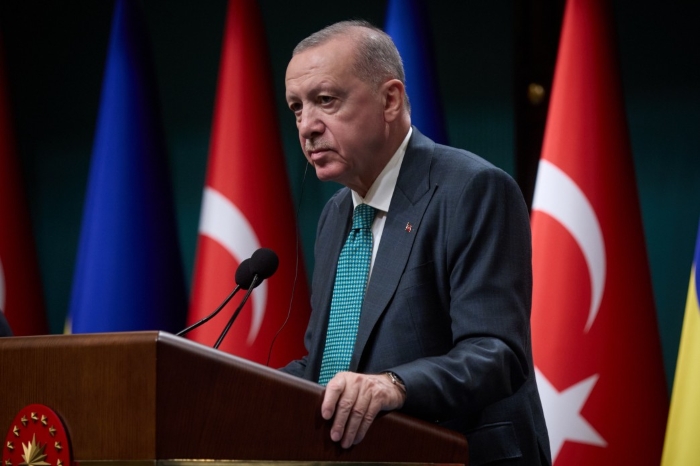
During the briefing, Turkish President Recep Tayyip Erdoğan said that Turkey wants to resume the Istanbul process between Ukraine and Russia, but with a broader scope. At the same time, he reaffirmed that Turkey supports Ukraine’s sovereignty and stressed once again that Crimea, along with all other occupied territories, is Ukraine. Other positive topics of discussion included enhanced defense cooperation, including joint production projects, Turkey’s active involvement in the “Coalition of the Willing”, particularly its naval component. Also, Presidents discussed the resumption of prisoner exchanges and the return of Ukrainian civilians.
Talks About a New Plan
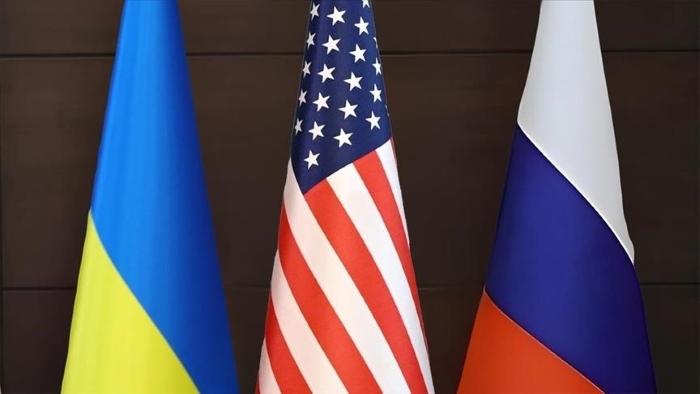
Zelenskyy was also supposed to meet with U.S. Special Envoy Steve Witkoff, but the meeting did not take place because Witkoff postponed his trip. Another troubling sign for Ukraine is the departure of Special Representative Keith Kellogg, which means the absence of an experienced voice on the ground. Kellogg became someone who understands Ukraine and can persuade others that Russia is the party sabotaging all peace efforts. Against this backdrop, discussions about a new “framework plan” are concerning. According to Reuters, the U.S. has signaled to Zelenskyy that Kyiv must accept a new plan developed jointly by Washington and Moscow to end the war. This plan, as reported, may require significant concessions from Ukraine.
Conclusion
Throughout the full-scale war, Turkey has remained an important communication channel between Ukraine and Russia. Thanks to Turkish mediation, prisoner exchanges were conducted — and, according to the results of the meeting, will continue — and the grain deal became possible. Therefore, Turkey’s role in future talks is logical and expected. The challenge, however, is that instead of compelling the aggressor to sit down at the negotiating table, there are renewed attempts from the U.S. side to encourage Ukraine to make concessions. It is crucial that the vision of peace based on justice, reiterated once again in Ankara on November 19, does not remain merely declarative.