
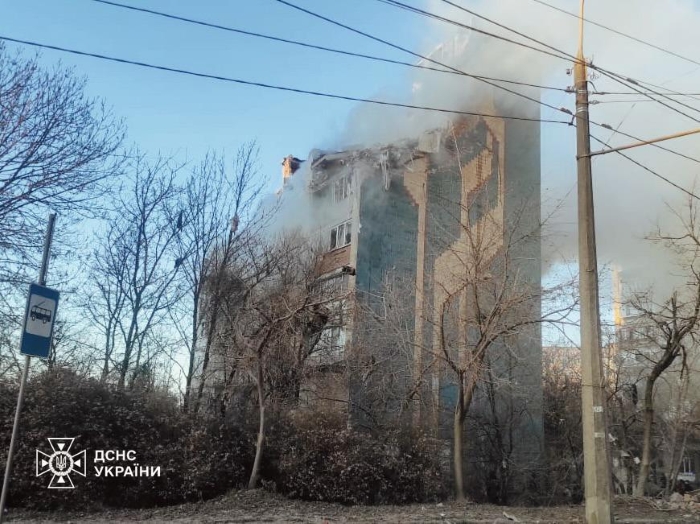


On the night of Wednesday, November 19, the Russian army launched a massive attack on Ukraine using strike UAVs and Kalibr missiles, firing from Tu-95MS and two Tu-160 aircraft, as well as MiG-31K fighter jets. In total, 48 missiles and 470 attack drones were used. The attack mainly targeted western and central Ukraine, while Kharkiv also suffered a large-scale assault.
Consequences
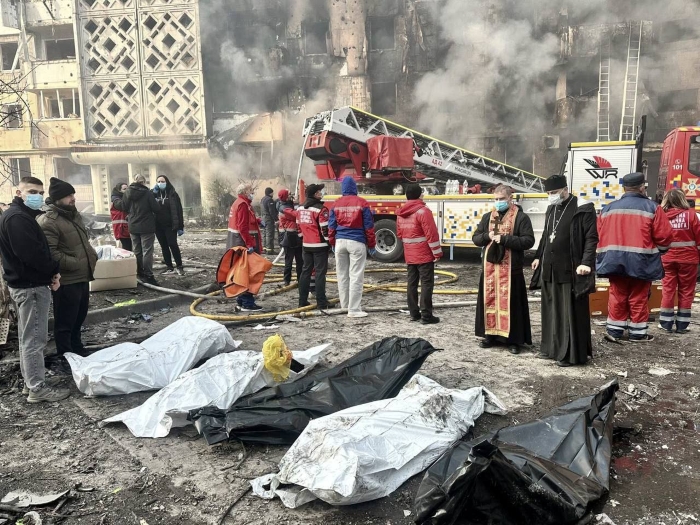
In Ternopil, a Russian strike completely destroyed floors 3–9 of a residential high-rise building. At least 25 people have been killed, though more may remain under the rubble. The concentration of harmful substances in the city’s air exceeded safe levels sixfold.
Kharkiv faced another night of attacks by Shahed drones. The number of injured has reached 46, including two children. Sixteen apartment buildings were damaged, along with cars and several public facilities.
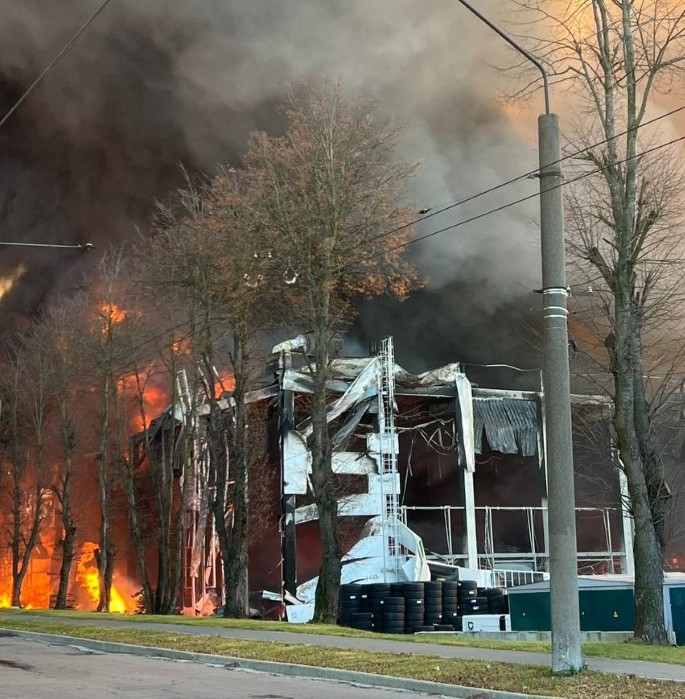
Lviv was covered in smoke due to fires at civilian warehouses. In Lviv Region, an energy facility, a woodworking enterprise, and a warehouse were also targeted.
Energy infrastructure came under attack in the Ivano-Frankivsk Region.
According to DTEK, one of the company’s units in the Dnipropetrovsk Region was hit by drones, injuring five energy workers. Power lines were damaged in the Khmelnytskyi and Cherkasy Regions.
The month of mass attacks
As expected, with the beginning of the heating season and shorter daylight hours, Russia has intensified its strikes.
The previous attack of similar scale took place on November 13–14, 2025, when Russia launched 430 strike drones and 18 missiles, mainly targeting the capital.
On November 16, Russia conducted a massive night strike using around 177 Shahed and other attack UAVs and one Iskander-M missile.
On November 17–18, Russia attacked Ukraine’s north, south, and east with 4 Iskander-M ballistic missiles and 114 strike UAVs.
According to UA War Infographics, between November 10 and 16, Russian forces slightly reduced the intensity of missile and bomb strikes. However, the scale of drone attacks remained nearly unchanged. A total of 1,186 drones were recorded over six days.
Conclusion
Russia continues to escalate its campaign of terror by increasing both the stockpile and production of strike capabilities. While the primary target remains Ukraine’s energy infrastructure, the consistent strikes on residential buildings, civilian warehouses, and public facilities aim to spread fear and undermine morale.
Despite the scale of these attacks, the international response has not yet matched the urgency of the threat. Strengthening air defense, disrupting Russia’s production chains, limiting access to components, and restricting its ability to launch and manufacture drones and missiles would be far more effective than responding to the consequences.