

Moldova as Ukraine’s strategic partner during a full-scale war
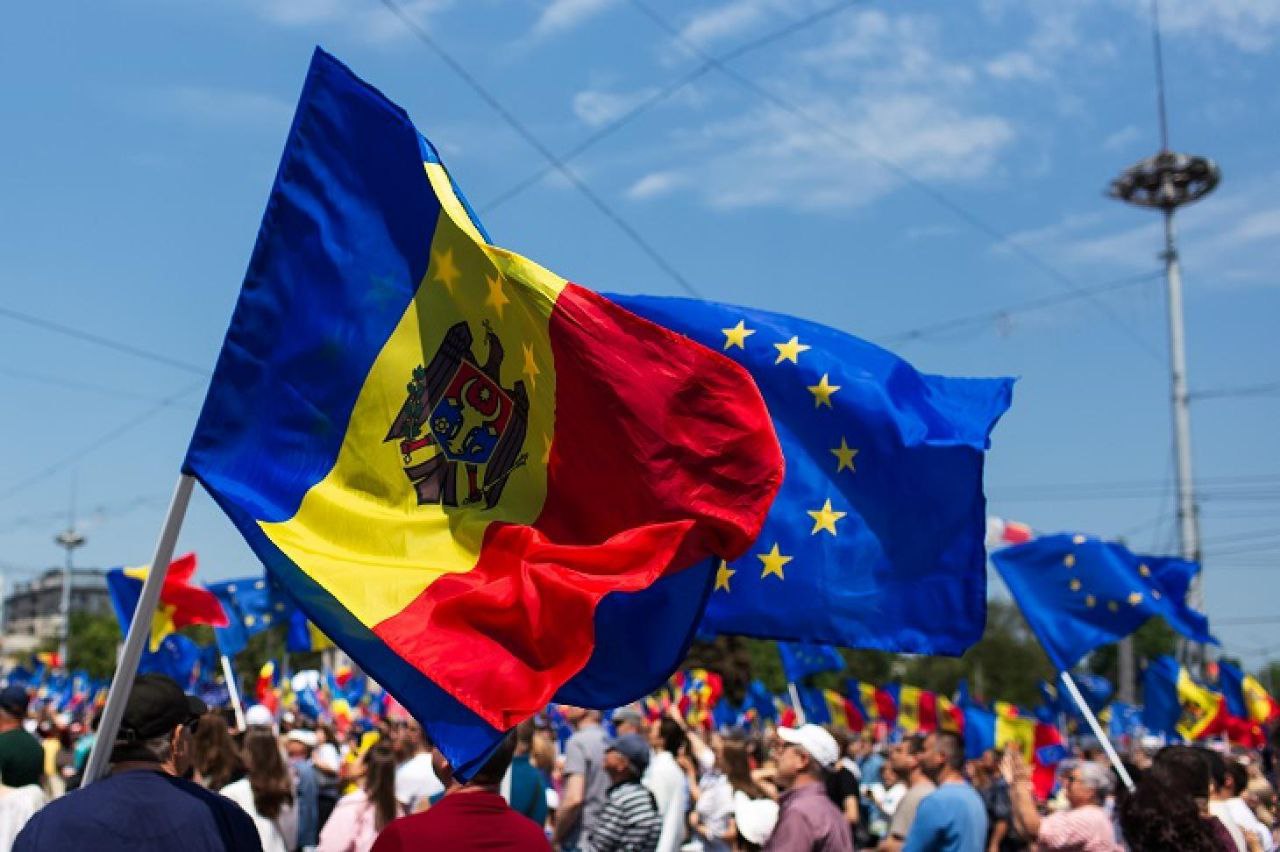
Today, Moldova has made its European choice. For EU countries, this choice is unambiguous. Moldovan President Maia Sandu is actively engaged in international activities, and the Moldovan government is involved in European economic, information and, most importantly, security initiatives. However, the internal political situation is cause for concern. Pro-Russian activism and its external support are not abating and are even gaining momentum. The main goal is to destabilise Moldova’s political regime and cut it off from the integrated geopolitical landscape that has begun to take shape with the support of European partners, including Romania. The activity of Moldovan President Maia Sandu has predictably provoked aggression from Russian propagandists and pro-Russian forces within the republic itself, who seek not only political revenge, but essentially a complete geopolitical reorientation of the state. Of course, all this causes great concern and the need to understand the turbulent processes in the republic. In terms of European relations, Moldova is important in terms of preserving integrity and preventing Russia from reaching the EU’s borders. In the current situation, public sentiment and political stability in Moldova are key to security in the Odesa region. Moldova also provides temporary protection to Ukrainian refugees and cooperates with Ukraine on energy and security issues. The interests in supporting Moldova’s democratic choice coincide with those of Ukraine and the vast majority of European partners.
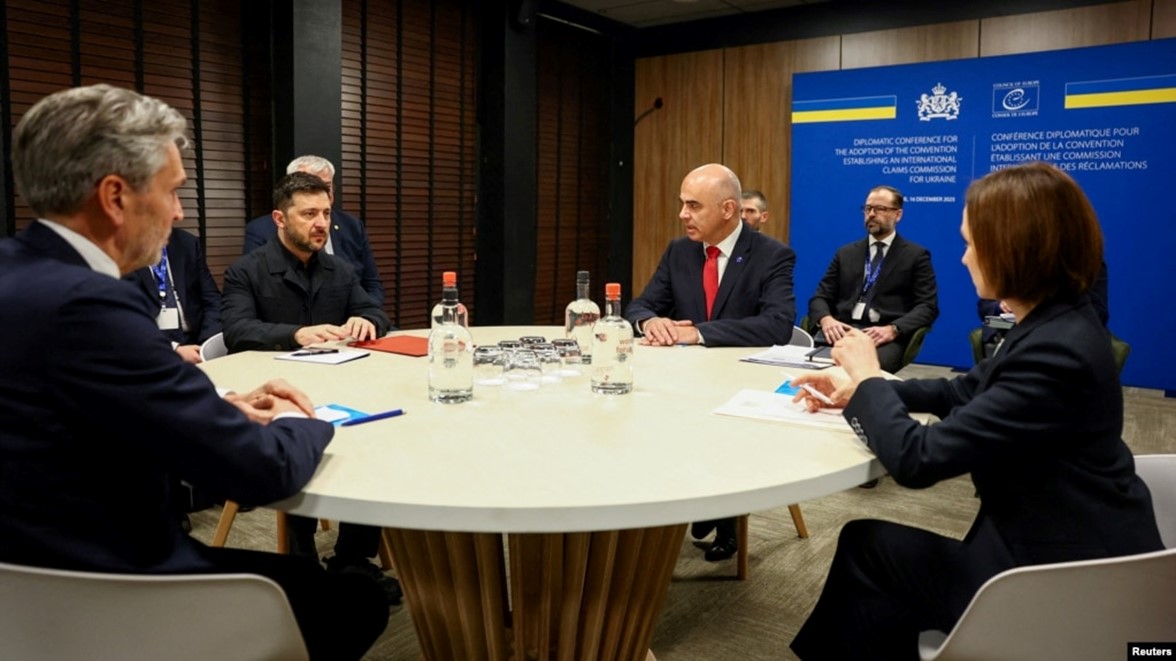
Ukraine and Moldova are currently united by a common course and tasks that have become particularly acute since the start of the full-scale invasion in 2022. Moldova is a key partner for Ukraine in the region. Both countries are candidates for EU membership and coordinate their European integration aspirations within the Associated Trio (May 2021). This is determined by the synchronisation of the two countries’ efforts to overcome the encroachments of a common enemy on the territorial integrity of democratic states. Moldova consistently opposes Russian aggression, supports Ukraine’s territorial integrity, and demands the withdrawal of Russian troops from Transnistria. This position unites the ruling party and a significant part of the population. The existence of the PMR has become a problematic challenge for both countries.
Ukraine’s experience in recent years has been extremely valuable for Moldova in combating threats of hybrid interference in domestic political and economic affairs.
The political situation in Moldova: trends revealed by the 2025 parliamentary elections
Moldova is currently in a complex and ambiguous political situation. Moldova is a parliamentary republic. The country has a multi-party system. There is room for completely different political positions and views to be expressed. This is a sign of democracy and openness to change. However, this situation is being actively exploited. Both external and internal forces often use the electoral process as a space for conflict and political battles. The systematic inclusion of pro-Russian influence in the economy and political sphere since the 1990s has yielded results. The Kremlin brutally interferes in the electoral process through a whole range of politicians and a network of loyal political forces. Moreover, according to DW, Moscow has allocated € 200 million to launch a campaign to influence the parliamentary elections in Moldova in September 2025. This money was part of a plan to bribe influencers and voters against the backdrop of a powerful media ‘campaign’ targeting the population. Given the growing pro-European sentiments in Moldovan society, Moscow viewed the republic’s parliamentary elections as its last chance to significantly influence the country’s foreign policy and pull Moldova away from the EU and Ukraine.
Attention to political parties in modern Moldova is key to understanding the current state of the political regime. The main thing is to recognise that there are significant polarities – divisions in political views. The country is balancing between Western aspirations and Russian influence. Western aspirations are expressed not only in European integration itself. Separately, they also have a unionist character in terms of the unification of Moldova and Romania. The division of political forces and organisations is not only polarised. It demonstrates a complex internal structure. Here, we see both populists and political pragmatists, Euro-optimists and Euro-sceptics, etc.
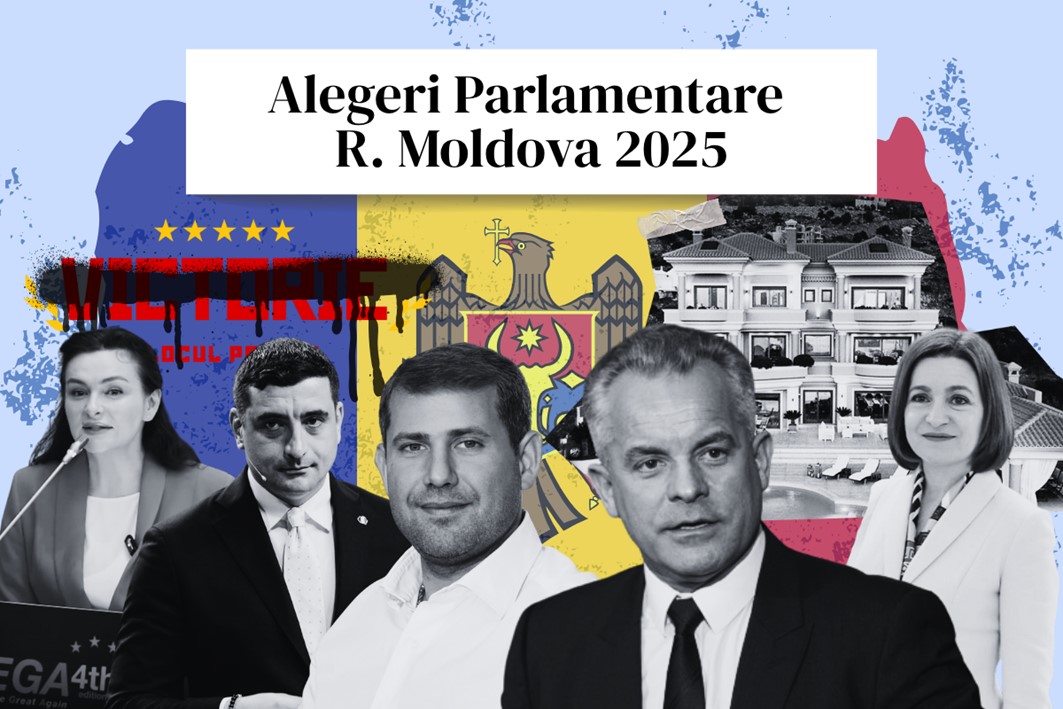
Both large and ‘small’ political parties are expressing this trend. Thus, the main parties in Moldova today are the pro-European Action and Solidarity Party (Partidul “Acțiune și Solidaritate ), which won the last elections, and various opposition forces, in particular the pro-Russian Patriotic Electoral Bloc (Blocul Electoral Patriotic) led by the notorious leader Igor Dodon. There are also other parties such as ‘Alternative’ (Blocul electoral “Alternativa”), ‘Our Party’ (‘Partidul Nostru’) and ‘Democracy at Home’ (Partidul Politic Democrația Acasă). They represent quite opposing pro-European or pro-Russian positions with a significant split in the electorate, including along regional lines. Already at the stage of counting the preliminary results of the 2025 parliamentary elections, it became clear that the struggle between the main political players would be extremely fierce, especially since ideologically irreconcilable sides were facing each other. This dynamic is provided by the independent online media outlet Cotidianul md.
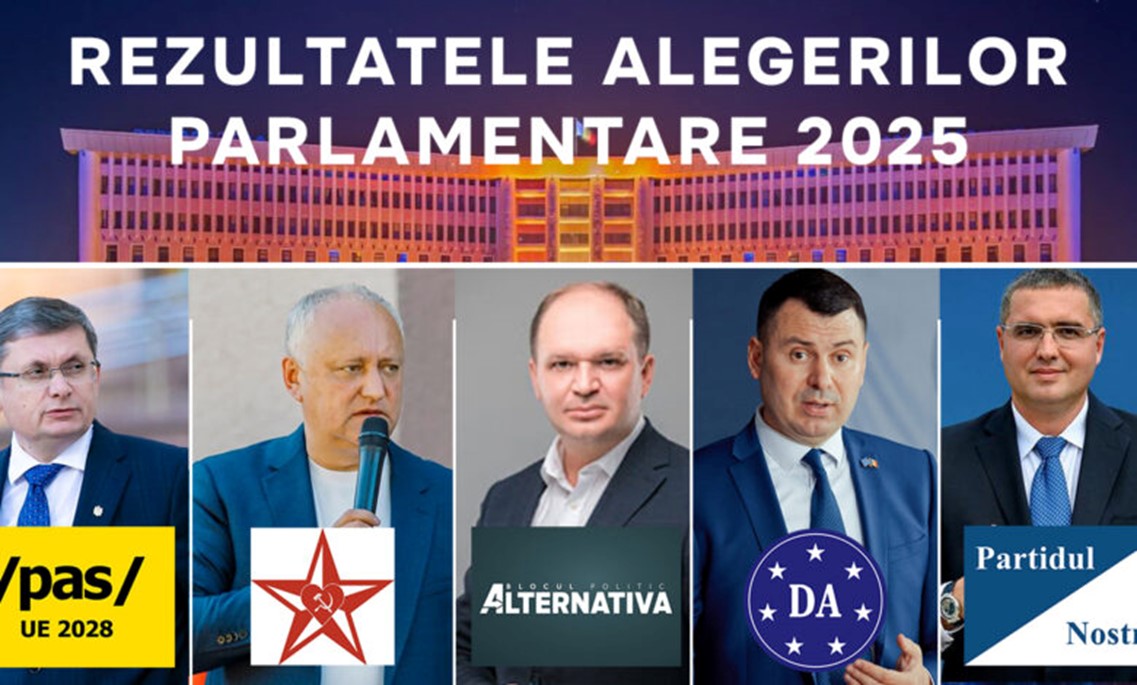
At the same time, the existence of parties formed around a specific politician or businessman, which rely solely on his reputation, is a fairly common practice in the political reality of Moldova. This places political forces in direct dependence on the opinion and ideology of a specific person in the long term, with significant centralisation of party leadership. Oligarchic influence is only growing. Today, it is becoming more engaged but no less dangerous.
Until 2019, oligarch Vladimir Plahotniuc effectively controlled the political situation in the country through the ruling Democratic Party. In 2025, Plahotniuc, who was under sanctions, was extradited from Greece to Moldova on charges of stealing a billion dollars from the budget. Another example is the activities of oligarch Ilan Shor’s political party, Shor, before it was banned and dissolved by the Constitutional Court of Moldova in June 2023. The Shor party does not exist as a legal entity. At the same time, the potential threat remains.
The political structures of oligarch Ilan Shor continue to operate today under different names. These include the political bloc ‘Victory’ (Victoria). This is the main coalition formed by I. Shor back in 2024. It includes parties affiliated with him (e.g., Shans, Vidrodzhennia, etc.). The electoral fiasco in the parliamentary race of the oligarch’s political projects led to an objective weakening of his influence. The Moldovan government and the Central Election Commission are systematically working to limit the access of political organisations associated with Shor to the electoral space. This increases the chances of removing a significant centre of Russian influence in Moldova. This is particularly noticeable in regions where his supporters are leaving office.
Alongside them are other representatives of political organisations that are disloyal to the government. It should be emphasised that there are no bans on political parties that profess communist ideology in the country. One such party is the Party of Communists of the Republic of Moldova. The PCRM is quite active in the electoral process. In alliance with other left-wing parties, particularly the Socialists, they pose a certain threat to the ruling Action and Solidarity Party, especially through their rallies in large cities. During the election campaign, especially in August-September 2025, rallies and campaign events were held, led by the leaders of the PSRM and PCRM, with pro-Russian and social slogans. The positions of the ‘left’ are undoubtedly based on a peculiar rhetoric of “revanchism” and ‘Soviet nostalgia,’ which is fuelled among the elderly. However, over the years, there has been a significant loss of potential for such political projects. Their pro-Russian orientation and stable long-term relations with Russia remain unchanged. In 2025, the Party of Communists of the Republic of Moldova (PCRM) participated in the parliamentary elections as part of the Patriotic Bloc together with the Socialists (PSRM).
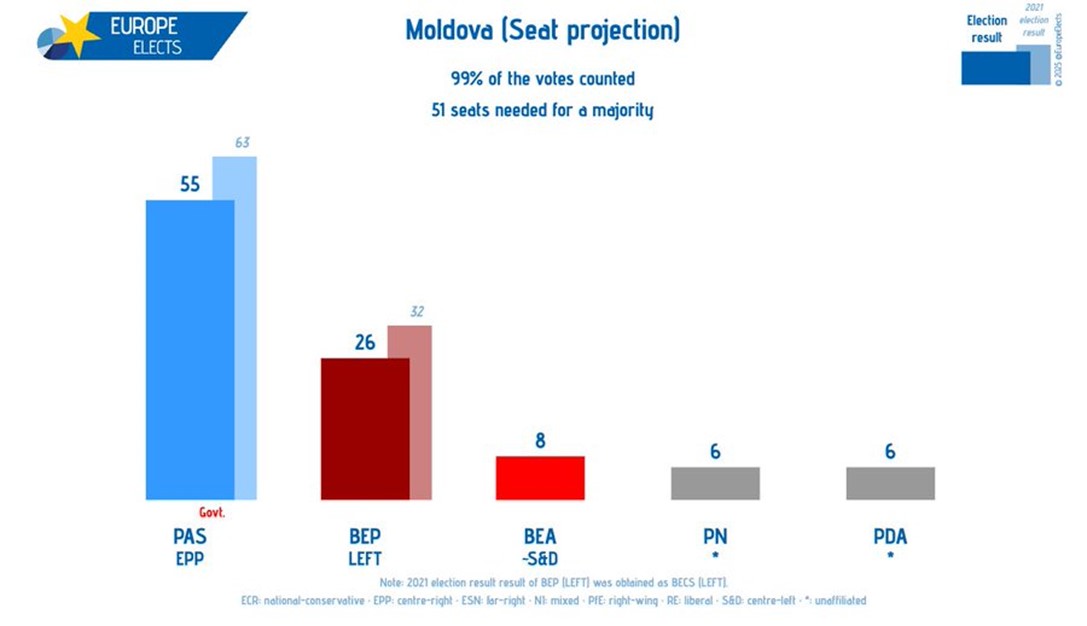
Parliamentary elections based on a proportional representation system confirmed the significant tension in the country. This trend is quite noticeable against the backdrop of the results of the previous presidential elections, when it was the votes of the Moldovan diaspora that secured the victory of the incumbent president, Maia Sandu. 28 September 2025 became, in a way, a turning point in the attempt to defend the pro-European choice. The ruling pro-European party won with 50.2% of the vote. At the same time, the Patriotic Bloc received 24.17% of the vote. In parliament, the Action and Solidarity Party won 55 seats, while the Patriotic Bloc won 26. Thus, the result demonstrates a strong pro-European orientation, but the threat of a pro-Russian ‘rollback’ is still present. The Kremlin’s main bet was on the consolidation of all forces under its control, the campaign, and the personality of Igor Dodon, the most prominent among other figures.
There are also diametrically opposed visions of the republic’s future. The conflict reached its peak on 29 September 2025 with a rally in Chisinau organised by the pro-Russian Patriotic Electoral Bloc. The bloc did not recognise the results of the election and attempted to demonstrate significant support among the population. The demonstration was not actually mass in nature. According to various estimates, a total of 1,000 people took part in the pro-Russian rally. Of course, Igor Dodon managed to create a ‘background’ for coverage by Russian channels. However, the information about the ‘reward’ for pro-Russian protesters in the amount of $50 to $300 practically reproduces the traditional logic in an attempt to imitate ‘mass support.’
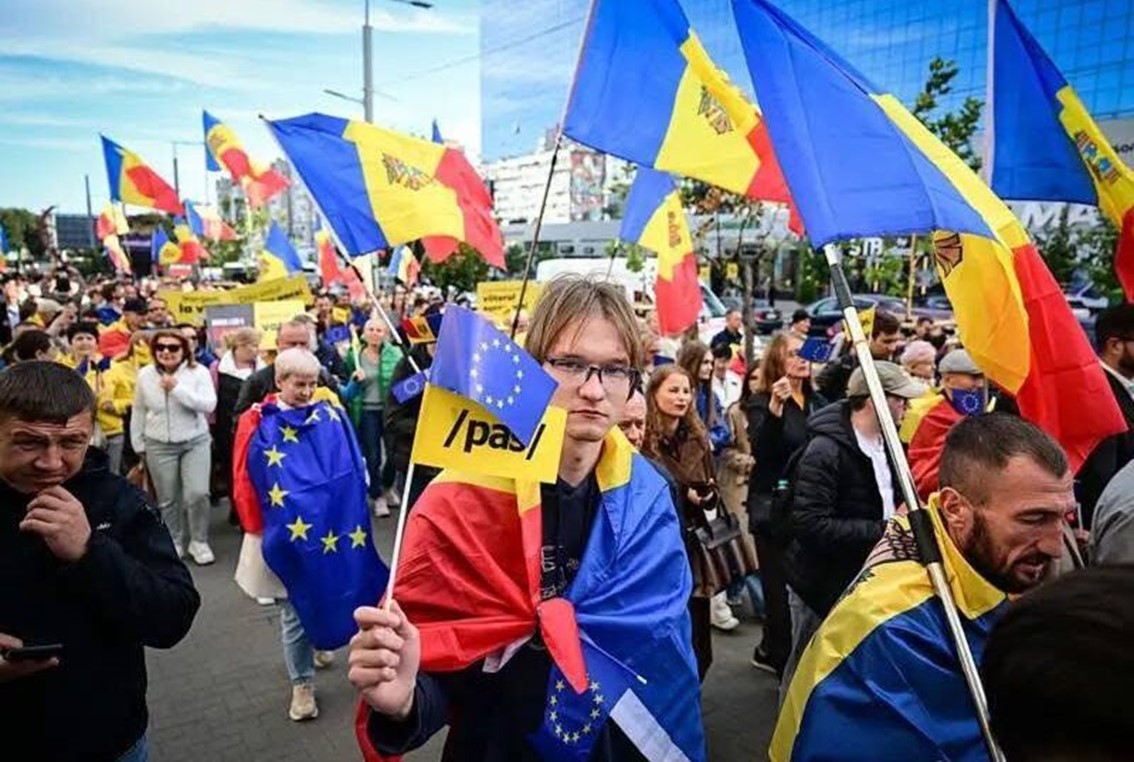
There is a confrontation between generations in political choice in modern Moldova. Young people are the key social force for Moldova’s pro-European future. Young people defend their right and opportunities for free integration into the single European space. However, some young people are leaving the country. This creates objective challenges for the formation of a sustainable civil society in the country.
Pro-Russian political and media activity against the backdrop of new realities
The pro-Russian opposition in Moldova relies on already classic ideological positions. At least several parties can be identified that are essentially not just loyal to Moscow, but also take on the role of leaders of its strategy in the country. This strategy is based, among other things, on internal divisions within the country, either through electoral campaigns or in regions where local elites are dissatisfied with the policies of the central government. One such region is Gagauzia, an autonomous district in southern Moldova. The Russian language and openly pro-Russian politicians, such as Yevgenia Gutsul, a criminal suspect detained by Moldovan law enforcement on 25 March 2025. Russian media and narratives have a strong influence in the region, shaping pro-Russian public opinion. However, there are also significant shifts towards EU affinity, but in the context of labour migration. These ‘shifts’ in public opinion among the Gagauz people of Moldova are quite slow. In a national referendum in 2024, about 95% of the Gagauz electorate voted against Moldova’s accession to the EU. In the parliamentary elections in September 2025, Gagauzia remained a stronghold of the pro-Russian Patriotic Electoral Bloc. These indicators remain key to understanding the overall dynamics of public sentiment.
The Kremlin is effectively betting on destabilising the situation through disinformation. Information attacks from pro-Kremlin sources escalated during the energy crisis of January 2025 due to the suspension of Russian gas supplies. The situation was presented in a way that benefited the Russian Federation, with accusations against the EU and Ukraine. Several independent Moldovan media outlets actively countered the disinformation campaign and monitored its overall dynamics. According to data from Texty.org.ua, Telegram became the main platform for the dissemination of pro-Russian content (where groups of channels, so-called ‘networks’, were created). The amount of content reached a record 65%. In total, the amount of content beneficial to Moscow in the information space for the period of January 2025 amounted to 1,695 publications (in Romanian and Russian).
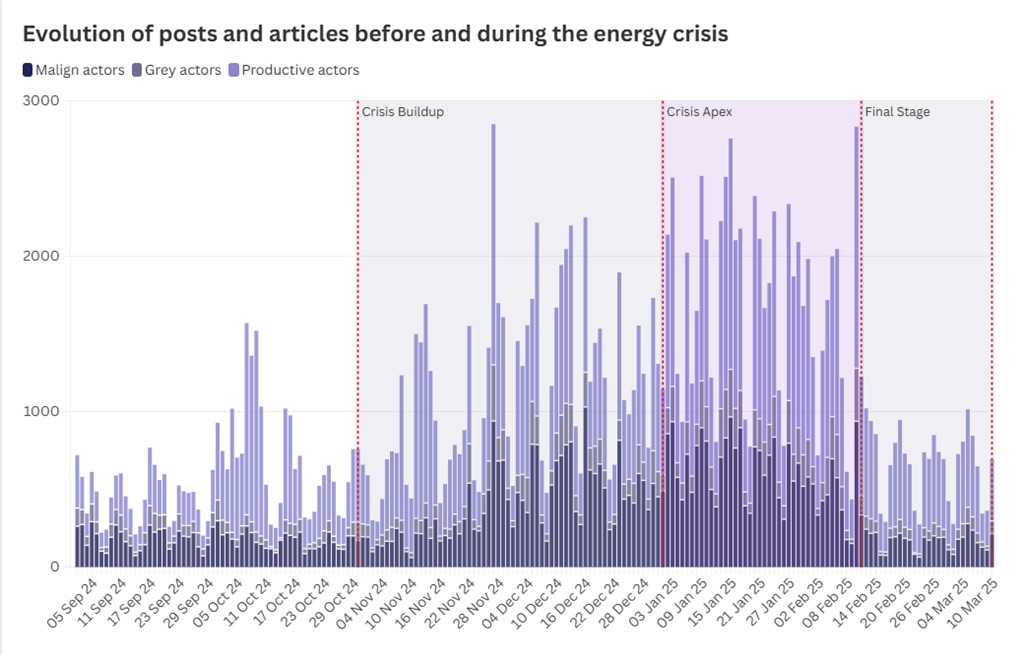
In particular, there is a constant emphasis on the ‘oppression of the Russian-speaking population’ and economic problems, direct accusations of ‘external control’ by EU countries, ‘dragging into NATO,’ etc. These statements are directly related to the policy of the Moldovan government and its support for Ukraine. Most pro-Russian influencers are negative about the rapprochement between Moldova and Romania.
Propaganda statements spread quite quickly, especially in a situation where Moldova is only just beginning to actively combat information attacks. It is no secret that the dissemination of opinions favourable to the Kremlin takes place in two main ways: through a network of pro-Russian Telegram channels, often anonymous (Pridnestrovets, Sputnik Moldova, Argumenty i Fakty v Moldove, Bloknot Moldova, etc.) and the official media of the PMR. Additionally, they are spread through speeches by politicians and opinion leaders in the Moldovan media. However, there are also ways of so-called ‘soft power’. For example, the activities of the Metropolis of Moldova, which is associated with the Russian Orthodox Church and has an influence on some citizens. It is opposed to the Metropolis of Bessarabia (influenced by Romania). The conflictual nature of these relations is also reflected in the media sphere.
CONCLUSIONS
Moldova’s experience today is somewhat similar to that of many post-Soviet republics, taking into account purely national characteristics that have developed over the years of independence. Moldova has the internal resources and potential for European integration and is consistently following this path. At the same time, it is necessary to take into account the large-scale national trauma caused by the creation of the PMR. It has become a constant reminder of the possibility of war, shifts in geopolitical poles and destabilisation. The PMR factor is a constant source of tension and hybrid information attacks against the central government. Regaining sovereign control over the entire territory of the republic is a long but important journey.
Today, the pro-European elite is confident in the effectiveness of a peace-oriented strategy in restoring the country’s territorial integrity. In particular, Maia Sandu adheres to this position. At the same time, the pro-Russian vector of influence is represented by a number of political projects that accuse the Moldovan government of economic turmoil and the failure of social policy. They exert pressure through rallies and information campaigns. This raises the question of systematic steps to limit Russian influence through the Patriotic Electoral Bloc party and ‘left-wing’ political forces, in particular the communists.
In analysing the current situation in the Republic of Moldova, significant attention should be paid to studying party divisions within the country. In particular, this involves not only identifying external influences on these political forces and systemic financing channels, but also internal characteristics. These include the personalistic nature and oligarchic ‘investments’ in the development of party structures and networks of informational loyalty throughout the country. Understanding the ‘regional’ nature of political forces is necessary for realising systemic policy in this direction, creating common goals and objectives for the future, and permanently removing destabilising information influences.