

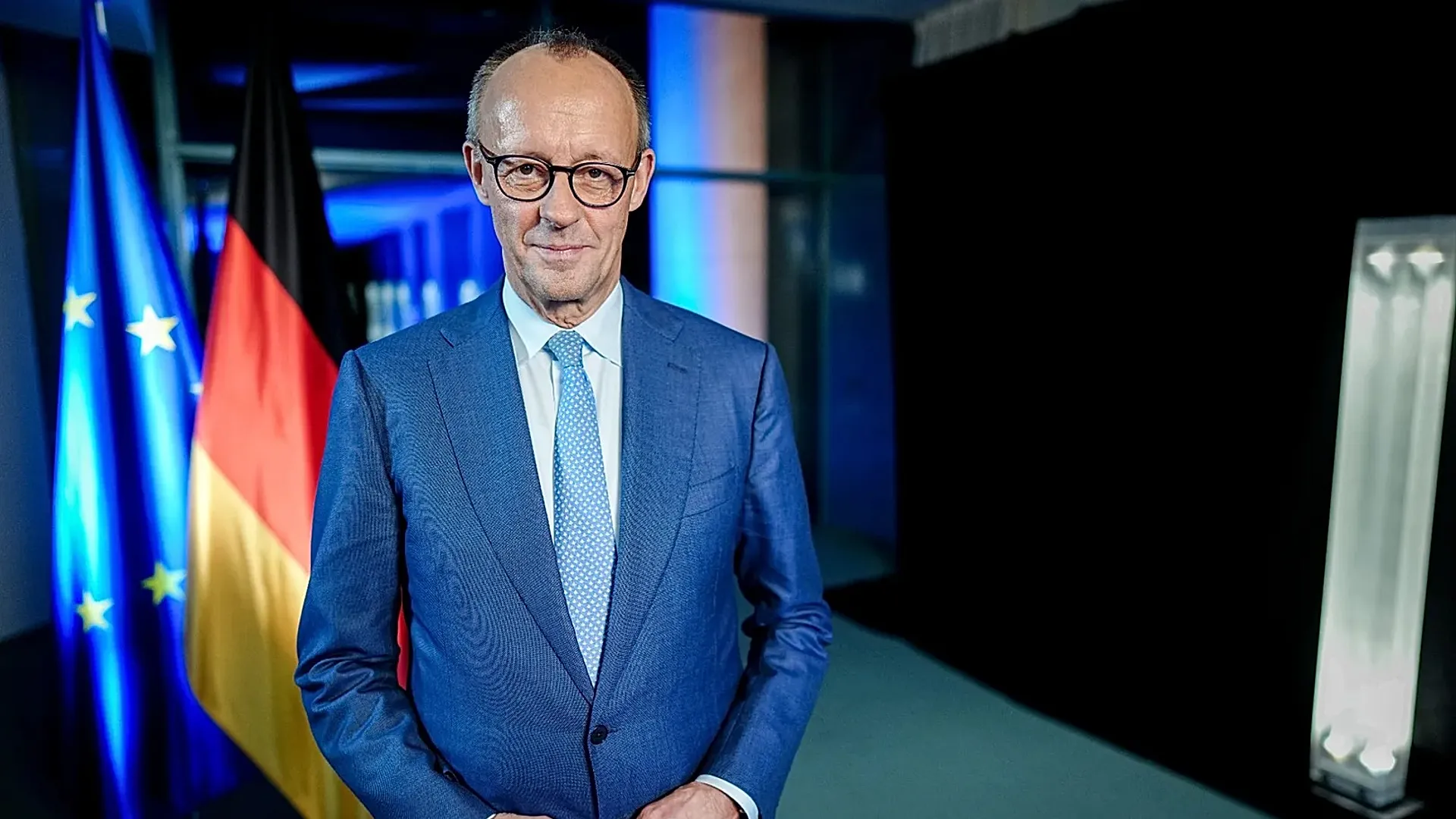
German Chancellor Friedrich Merz said that the war unleashed by Russia against Ukraine is part of a broader plan directed against all of Europe. He made the statement in his New Year’s televised address to the German public, released on December 31.
According to Merz, a horrific war is raging in Europe that directly threatens the freedom and security of European countries. He stressed that Russia’s aggression against Ukraine is not a “distant war” that has nothing to do with Germany.
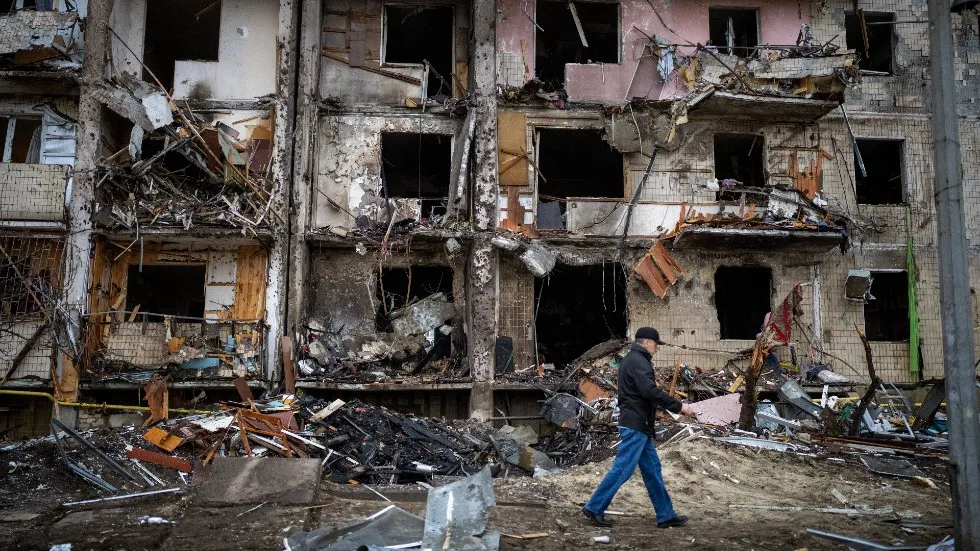
The chancellor noted that Russia has been waging an aggressive war with “relentless brutality” for the fourth consecutive year, while Ukrainians are forced to welcome the New Year under missile attacks, often without electricity and in constant fear for the lives of their loved ones.
Merz also stated that Russia’s invasion of Ukraine was and remains part of a plan against the whole of Europe. According to him, Germany faces sabotage, espionage, and cyberattacks on a daily basis.
The chancellor separately addressed issues of Germany’s security and defense, emphasizing the need to strengthen the country’s defense capabilities. He underlined that Germany must be able to defend itself so that it does not have to do so in practice.
In concluding his address, Merz called on citizens to show trust and resilience amid global challenges and expressed confidence that 2026 could become a year of new beginnings for Germany and Europe.
What Finland’s president said about Ukraine
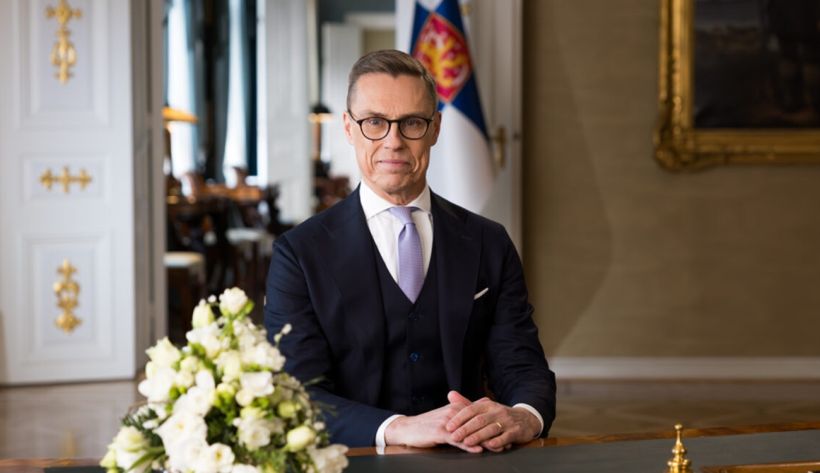
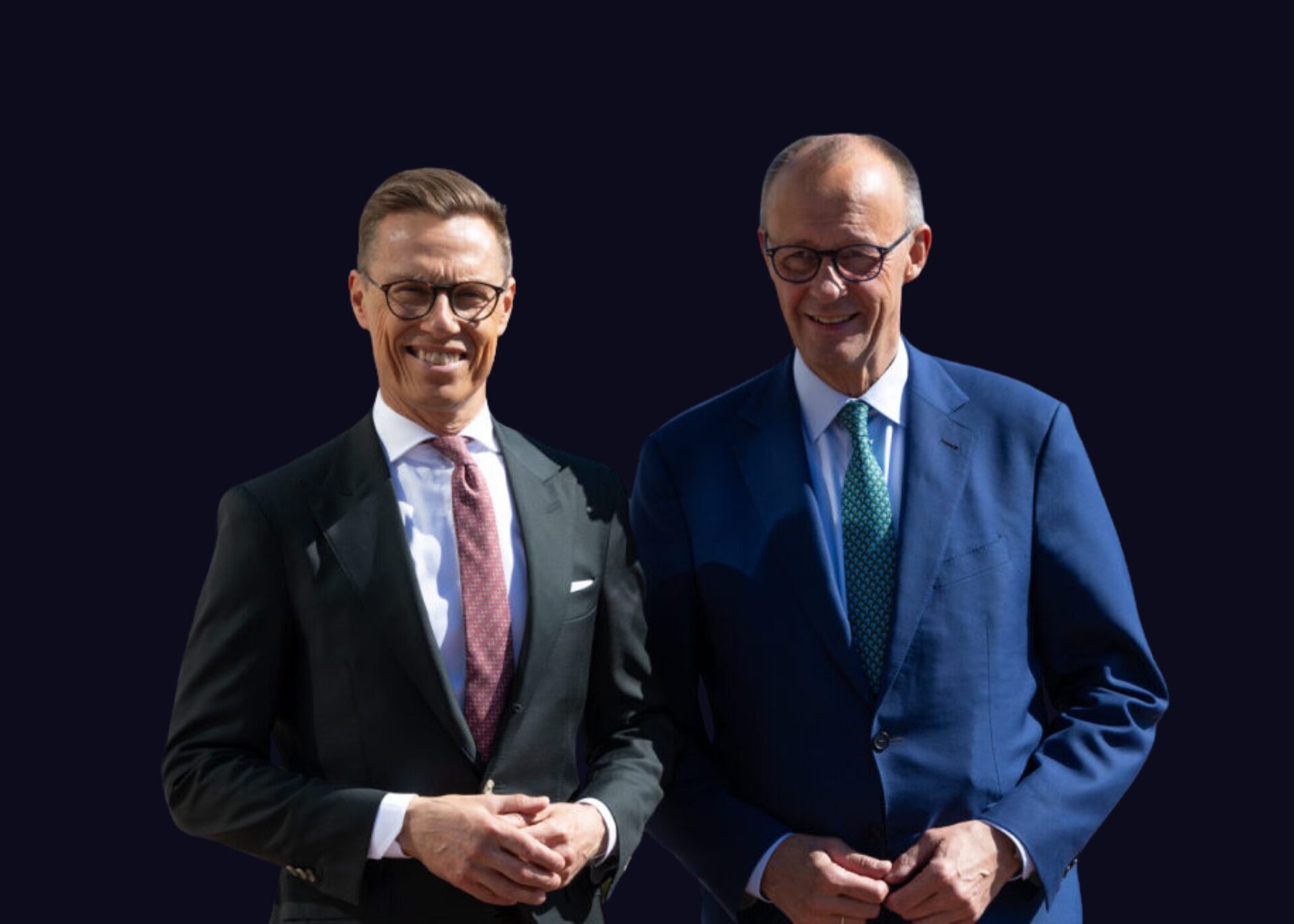
Finnish President Alexander Stubb suggested that some provisions of a potential peace agreement between Ukraine and Russia may not meet expectations of justice. He said this in his New Year’s address, according to Yle.
As Yle notes, Stubb’s address was built around three key themes, one of which was peace in Europe. Commenting on Russia’s war against Ukraine, Stubb emphasized that peace agreements usually involve compromises.
“Peace is most often a compromise. We must be prepared for the fact that not all points of a peace agreement will likely correspond to our idea of justice,” the Finnish president said.
At the same time, Stubb noted that peace in Europe is now closer than at any time since 2022. However, he said the West cannot be certain that Russia is ready for a peaceful settlement.
The president also stated that Finland seeks to establish functional and peaceful relations with Russia, while stressing that further developments in this matter ultimately depend on Russia’s actions.
What is happening with peace talks
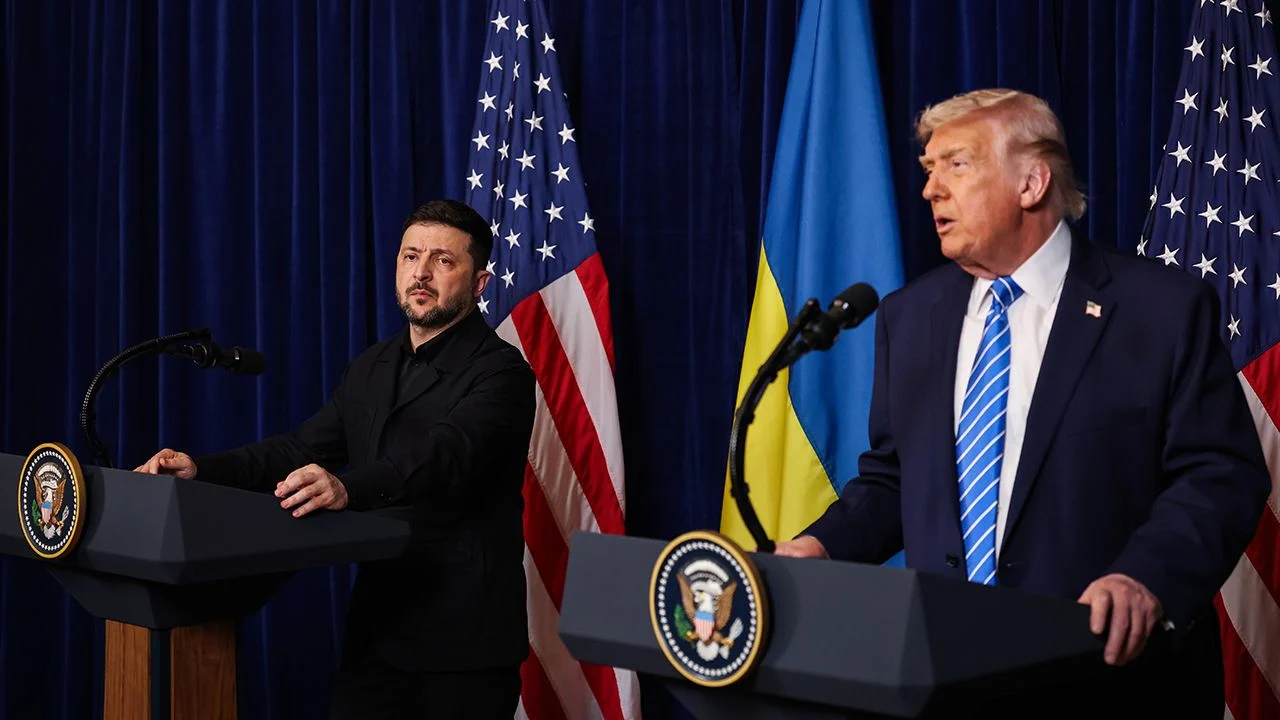
It should be recalled that Ukraine is currently discussing a peace plan proposed by Washington with the United States. The document is being finalized and consists of 20 points. According to Ukrainian President Volodymyr Zelenskyy, the initiative is about 90% ready.
Key disputed issues include the status of Donbas and the Zaporizhzhia Nuclear Power Plant, which is under Russian occupation. Russia insists that Ukraine hand over the entire Donbas and withdraw its troops from the region, while the United States proposes a compromise in the form of a so-called free economic zone.
Zelenskyy, for his part, says the peace plan must be approved in a nationwide referendum, but this would require a ceasefire lasting at least 60 days.
Conclusion
Statements by the leaders of Germany and Finland point to different but interconnected approaches among European countries to Russia’s war against Ukraine and possible ways to end it.
Berlin emphasizes the systemic threat to all of Europe and the need to strengthen security, while Helsinki focuses on the complexity of peace negotiations and the likelihood of compromises.