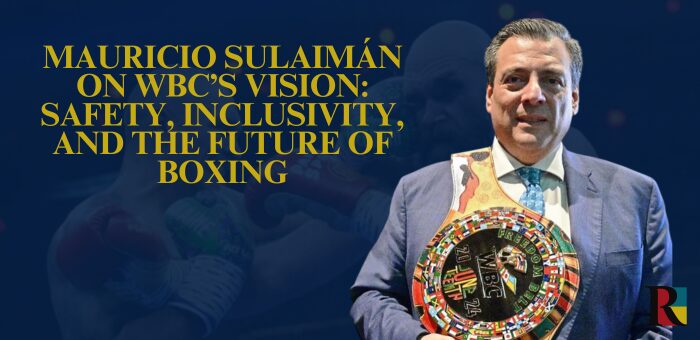


In an exclusive interview for The Ukrainian Review, Mauricio Sulaimán, President of the World Boxing Council (WBC), shared insights into the organization’s milestones, the upcoming Riyadh Season WBC Grand Prix, and his unwavering commitment to making boxing safer, more inclusive, and globally accessible.
Pioneering Safety Reforms and Social Responsibility
The WBC has been at the forefront of reforming boxing to make it a safer and more ethical sport. The council’s initiatives over the years have not only reshaped the rules of the game but have also set new standards in athlete welfare. Among its most significant contributions are the reduction of championship fights from 15 to 12 rounds and the introduction of mandatory weigh-ins a day before the fight instead of just six hours prior, allowing boxers to recover properly before stepping into the ring.
These changes have been instrumental in reducing the risks associated with severe dehydration and extreme weight cuts, which can lead to life-threatening injuries. According to a study published by the British Journal of Sports Medicine, rapid weight loss in combat sports is linked to an increased risk of concussions, reduced cognitive performance, and long-term neurological damage.
Sulaimán emphasized the impact of these safety reforms:
The WBC is responsible for most, if not all, major changes in boxing to humanize the sport, making it safer and just for the boxers.
Beyond fighter safety, the WBC has positioned itself as a leader in promoting social responsibility, tackling discrimination, and advocating for inclusion. Over the years, it has taken strong stances on issues ranging from fair pay for boxers to the integration of fighters from diverse backgrounds.
The promotion of unity, respect, and reciprocity have led to many great and historical happenings throughout the years, – Sulaimán noted, underlining the WBC’s broader role beyond boxing.
Boxing as a Social Equalizer: Sulaimán’s Personal Motivation
For Sulaimán, the WBC’s global expansion is not just about sports entertainment; it is about creating opportunities and transforming lives. Historically, boxing has been a sport of resilience — many of its champions have risen from poverty to international fame.
Boxing is the sport of the poor, the one that takes youngsters out of the streets and guides them to a decent life, – he stated, stressing that the sport remains a beacon of hope for underprivileged youth worldwide.
The WBC’s support for amateur boxing and grassroots programs has helped nurture young talents in countries where opportunities are scarce. Programs that provide training, education, and scholarships for young boxers have been particularly impactful, ensuring that the next generation of fighters has a pathway to success beyond the ring.
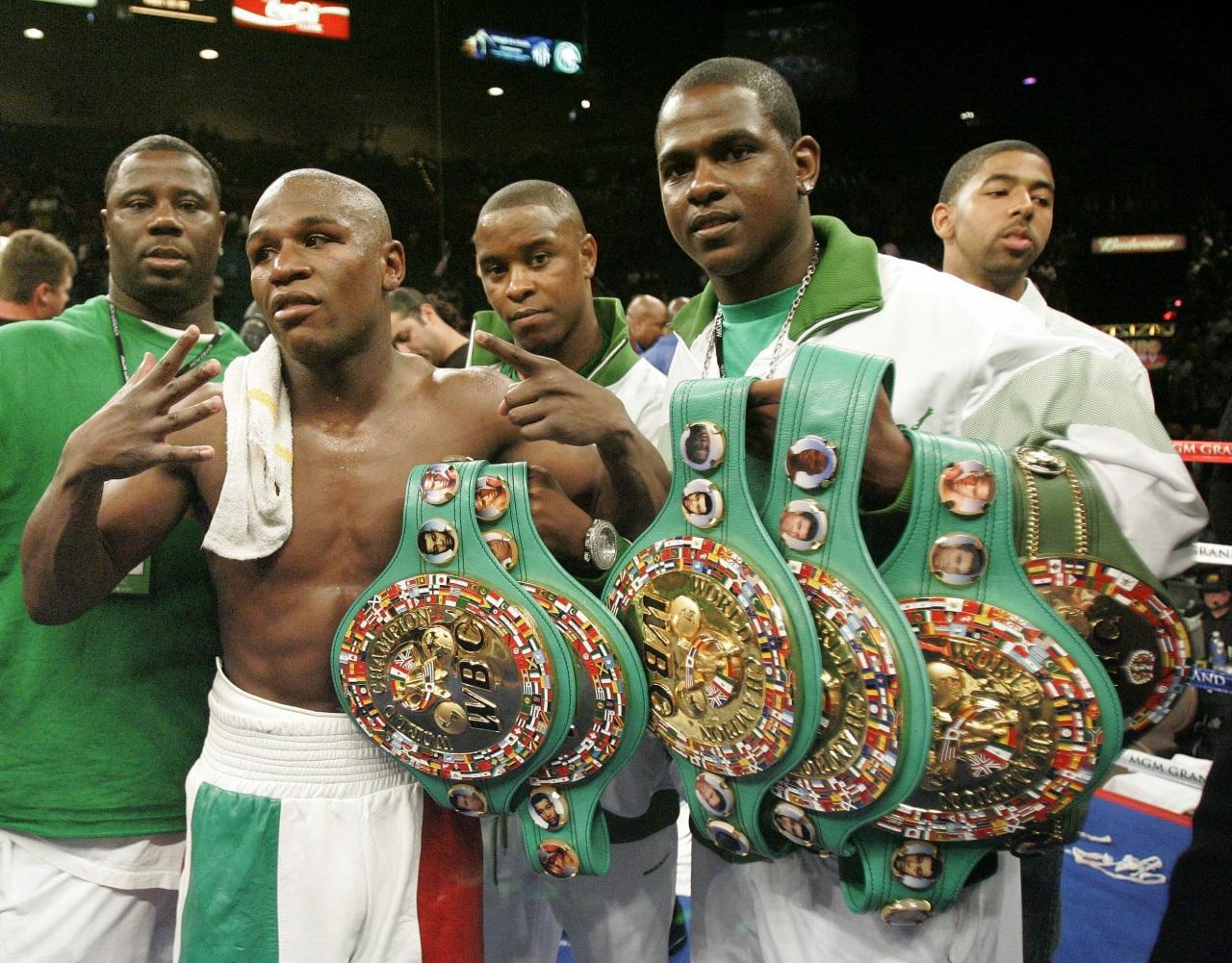
Our motivation to continue to grow boxing in a global scale comes from the history of the WBC and the unique values and principles that we follow in our day to day operations ; Boxing is the best sport in the world, the oldest one and it can give any country of the world satisfactions in winning Olympic medals or world championships. It is the sport of the poor, the one that takes youngsters out of the streets and guide them to a decent life. All boxers are the same globally, they are humble, decent, hard working, passionate, loyal and have the heart of warriors that go beyond understanding in their hopes to becoming someone in life.
The Debate Over Women’s Boxing Format
Women’s boxing has gained significant recognition over the past decade, yet the WBC remains firm in its stance on keeping championship bouts at 10 rounds of two minutes each, as opposed to men’s 12-round, three-minute format.
This position has sparked debate, as some female champions advocate for equal treatment in terms of fight duration. However, Sulaimán cited medical research as the primary reason for maintaining the distinction.
Sports studies and science have concrete data that indicate that women are more susceptible to brain trauma, – he explained. – This is not discrimination nor sexist — it is pure science.
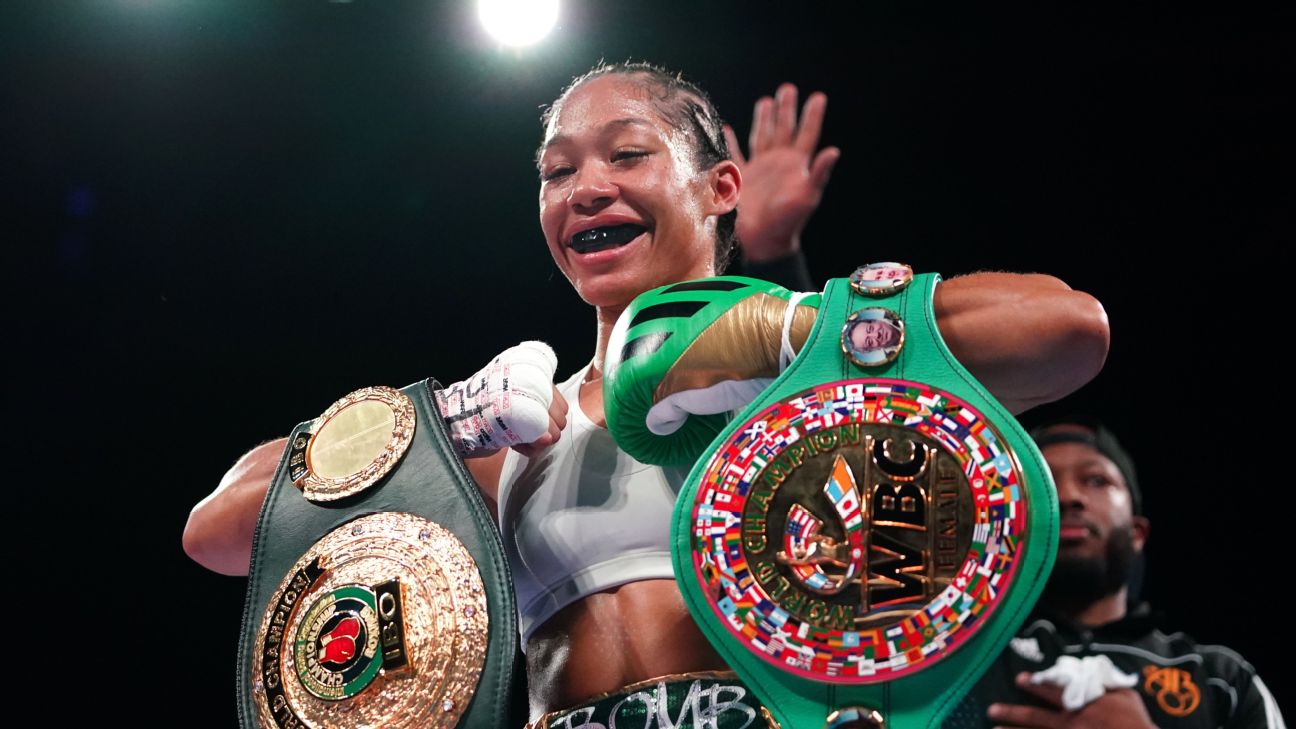
While this decision may not sit well with all female fighters, it underscores the WBC’s commitment to prioritizing safety over external pressures. The organization has consistently argued that increasing round duration would expose female athletes to unnecessary health risks, a stance that remains controversial but rooted in medical studies on concussion susceptibility.
The WBC will continue to protect all athletes, men and women and our rules will never change due to pressures; we are not in popularity contests, we are all for safety and fairness.
The Riyadh Season WBC Grand Prix: A New Era for Boxing
One of the most ambitious projects on the WBC’s horizon is the Riyadh Season WBC Grand Prix, set to debut in February 2025. This tournament will be one of the largest boxing events in history, featuring 128 fighters across four weight divisions: Featherweight, Super Lightweight, Middleweight, and Heavyweight.
More than just a competition, the Grand Prix is designed as a global talent showcase. It will be limited to boxers aged 26 or younger with no more than 15 professional fights, ensuring that rising stars get a chance to compete at the highest level.
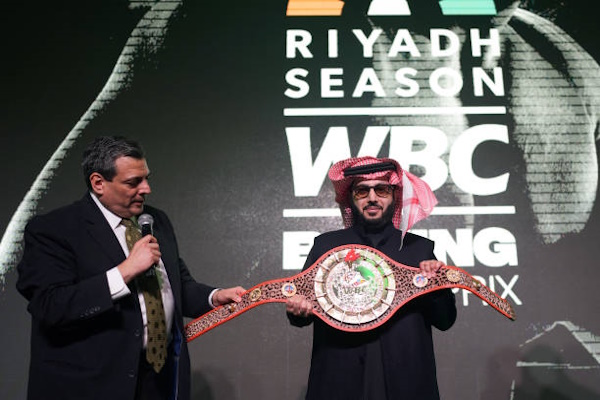
For Sulaimán, this tournament is deeply personal.
The Riyadh Season WBC Boxing Grand Prix is the last dream of my dear father, José Sulaimán, which is now a reality only because of the great support of His Excellency Turki Alalshikh.
By structuring the tournament as a platform for young fighters, the WBC aims to accelerate the careers of emerging talent in a controlled environment that prioritizes safety and fair play.
With the tournament taking place in Saudi Arabia, questions of inclusivity and accessibility naturally arise. The WBC has received over 400 applications from boxers worldwide, ensuring that participation is not limited to fighters from elite boxing nations. This initiative aligns with Saudi Arabia’s broader push to establish itself as a global sports hub.
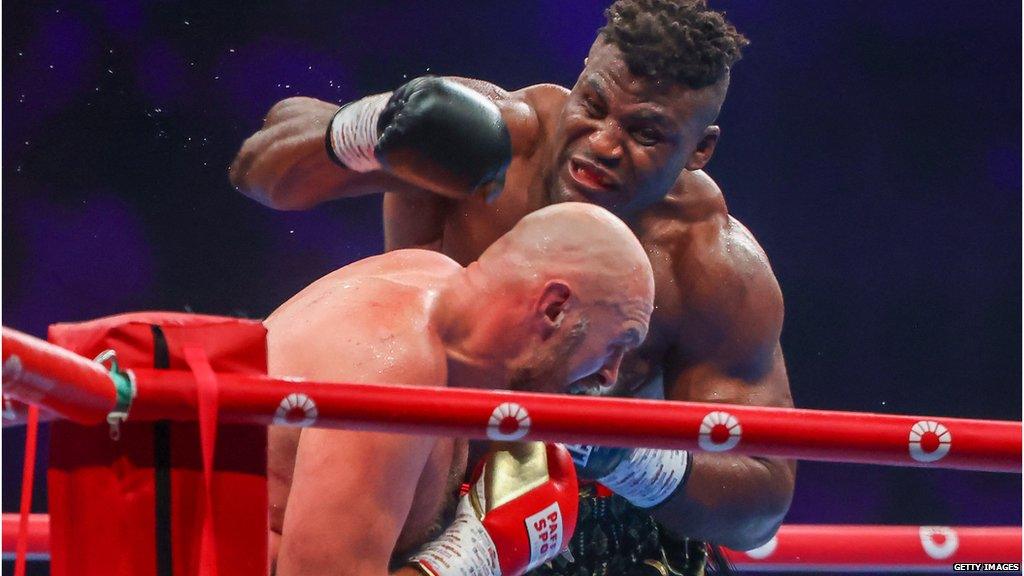
The Evolution of the WBC Championship Belt
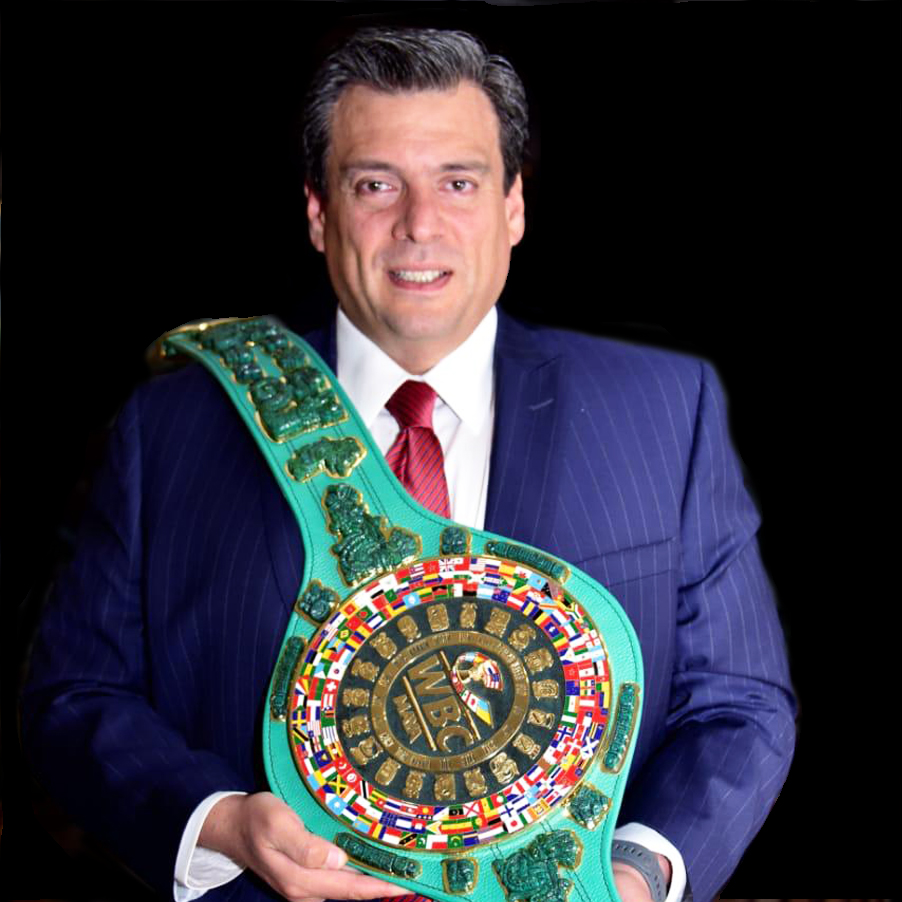
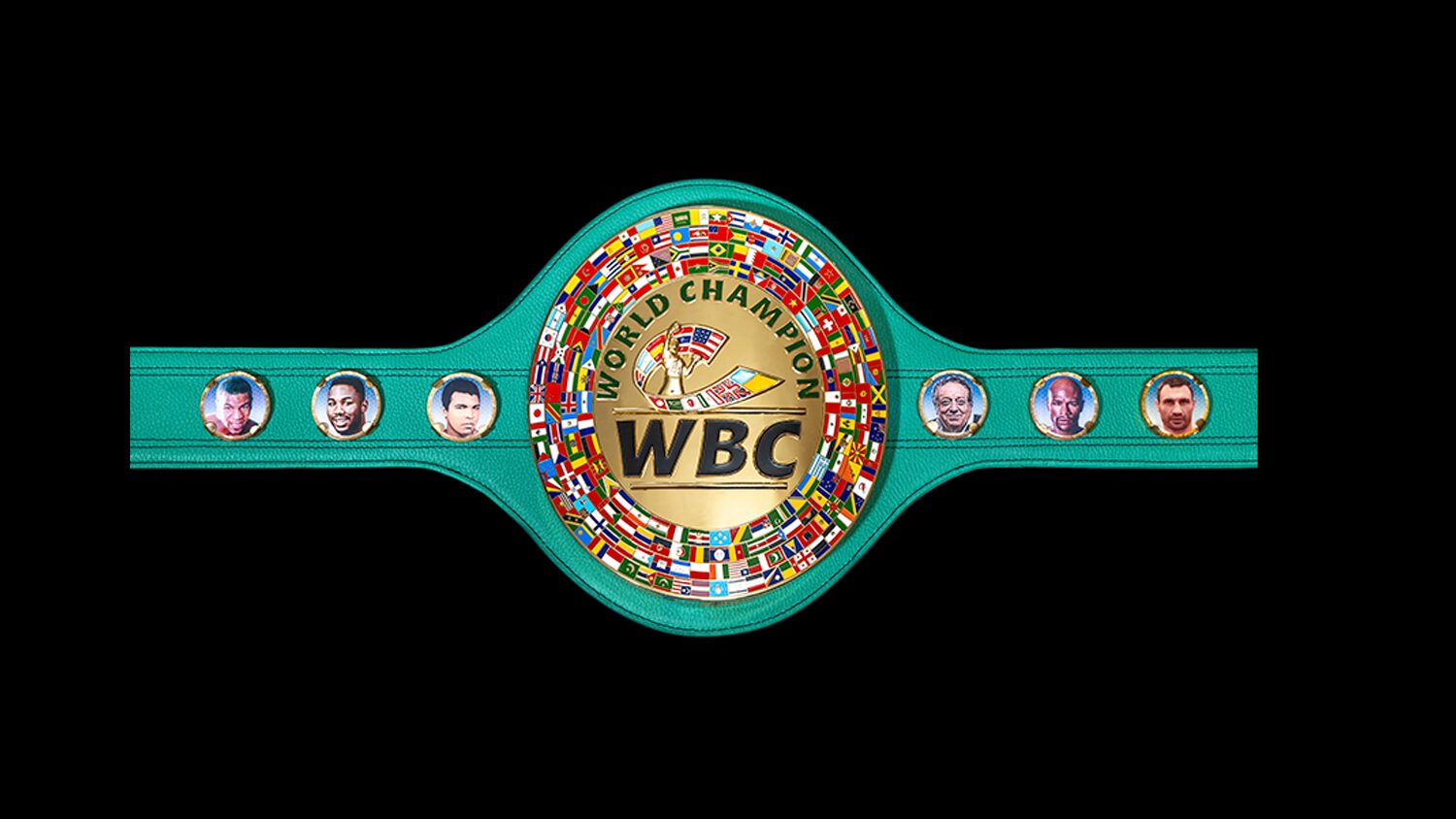
Another significant change in WBC’s approach to international boxing is the redesign of its iconic championship belt. The removal of the Russian flag and the addition of Saudi Arabia’s reflect the shifting landscape of global sports diplomacy. The Ukrainian flag is still the largest on the belt.
Sulaimán explained the philosophy behind the belt’s evolution:
The WBC championship belt is the dream of all fighters of the world. It has evolved from a small and simple belt to this new sixth generation amazing highly attractive unique trophy for the best of the world. It has 4 rings around its limits in which the flags of all countries recognized by the UN are present. The WBC will forever search for peace and will never remain quiet of any injustice happening inside or outside the ring.
This move has been seen by many as a response to Russia’s geopolitical actions, as well as a reflection of the growing influence of Saudi Arabia in the boxing world.
Financial Stability for Fighters: WBC’s Retirement Plan Initiative
One of the most pressing issues in professional boxing is financial instability among retired fighters. Many champions, despite earning millions during their careers, struggle financially after retirement due to mismanagement, lack of financial literacy, or exploitative contracts.
To address this, the WBC is making it mandatory for all fighters in WBC-sanctioned fights to have a retirement plan in place. This initiative aims to ensure that boxers are not left without financial support once they step away from the ring.
We must educate and support fighters to save money for their life after the ring, – Sulaimán stressed. This marks a crucial step toward long-term athlete welfare, ensuring that champions who have given their all to the sport are not left behind once their careers end.
Final Thoughts: The Future of WBC Under Sulaimán’s Leadership
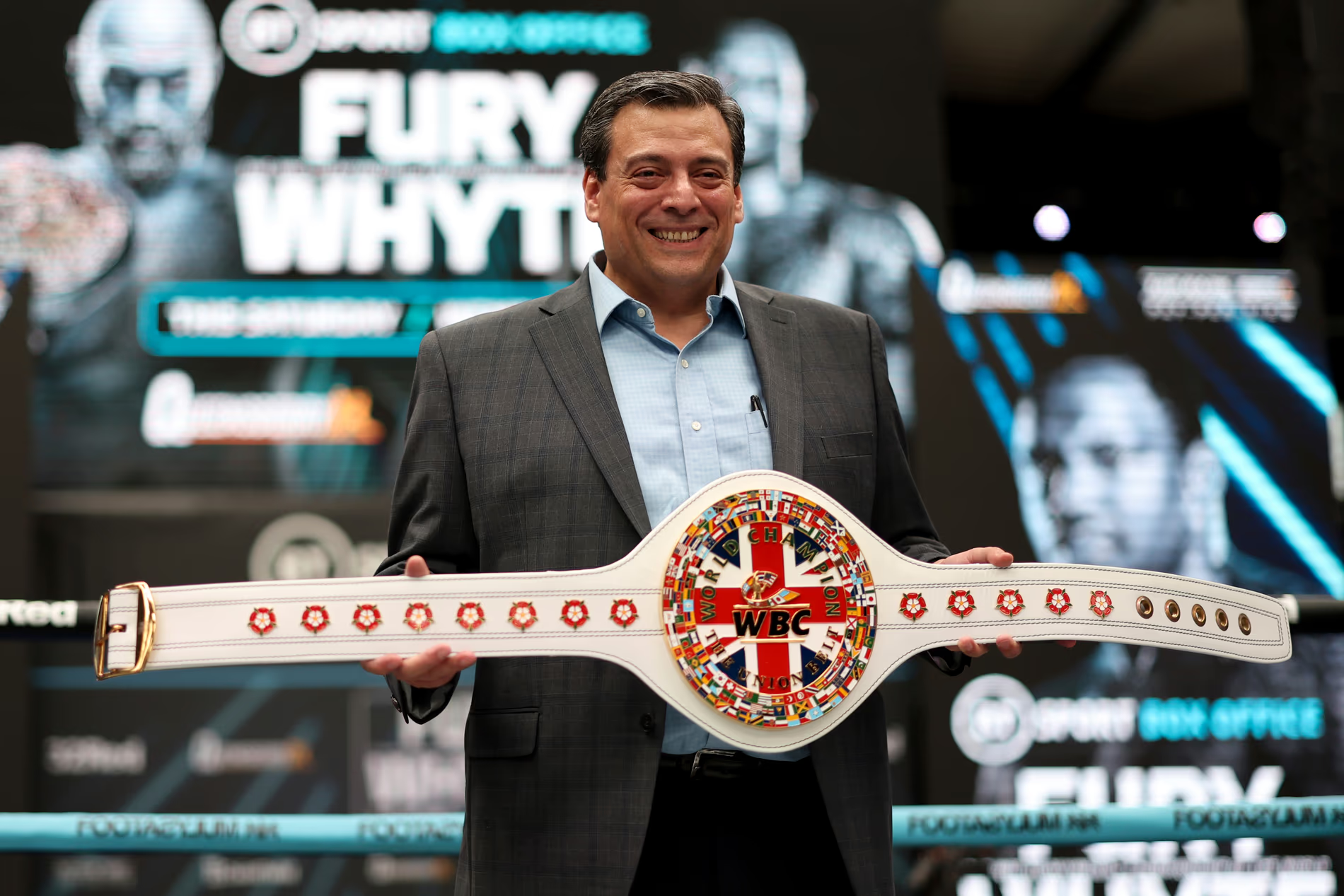
Under Mauricio Sulaimán, the WBC continues to drive boxing forward with a balanced approach — preserving tradition while embracing innovation. Whether through safety reforms, gender equality debates, or the creation of new platforms for young fighters, the WBC remains a pivotal force in shaping modern boxing.
With the upcoming Riyadh Season WBC Grand Prix, enhanced social programs, and a focus on long-term fighter security, the WBC is reinforcing its commitment to making boxing a sport that prioritizes both excellence and responsibility.
As the sport evolves, the WBC’s decisions — some welcomed, others controversial — will undoubtedly influence the trajectory of boxing for years to come. What remains certain is that under Sulaimán’s leadership, the WBC is unwavering in its mission to “protect the fighters, before, during, and after their years in the ring.”
Looking ahead, the WBC’s influence on boxing will continue to shape the sport’s future, balancing tradition with innovation and athlete welfare. Whether through groundbreaking tournaments like the Riyadh Season Grand Prix, ongoing safety reforms, or financial security initiatives for fighters, the organization remains steadfast in its mission. As the sport evolves, the WBC’s leadership under Mauricio Sulaimán ensures that boxing remains not just a spectacle, but a disciplined, fair, and transformative force in the lives of athletes and fans worldwide.
Oleksandr Yavtushenko