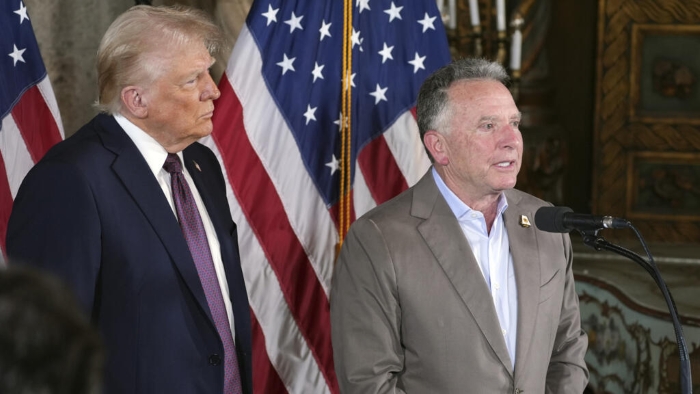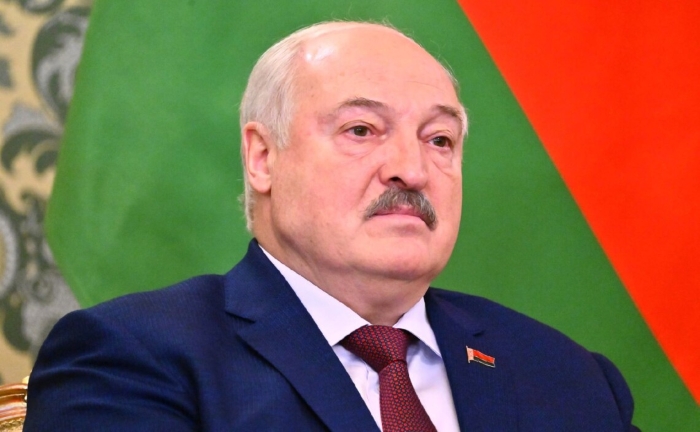


The Belarusian dictator continues commenting on Russia’s war against Ukraine in a rude manner. Now, he shifted his rhetoric toward praising Donald Trump. He now claims that peace in Ukraine depends exceptionally on Trump and the United States.
The main thing is that Trump does not back down from this position. He is a person with character and can be impulsive. What matters is that he does not simply abandon the issue and step aside. If he moves persistently in this direction, there will be a result. Europeans have nothing to fuss about, said the self-proclaimed president of Belarus.
This statement demonstrates how the co-aggressor is adjusting his position. His goal is to secure the most favorable political outcomes for himself.
Prisoners as Leverage
On December 13, Ukraine and Belarus marked the return of 114 civilians. They had been convicted and imprisoned by the Belarusian authorities. The release occurred at the request of U.S. partners and with their assistance. Ukraine’s Coordination Headquarters was also involved.
For Lukashenko, this step created a “win-win” scenario. Opposition representatives were forced into exile. Outside Belarus, they have fewer tools to influence society. At the same time, Lukashenko achieved partial sanctions relief.
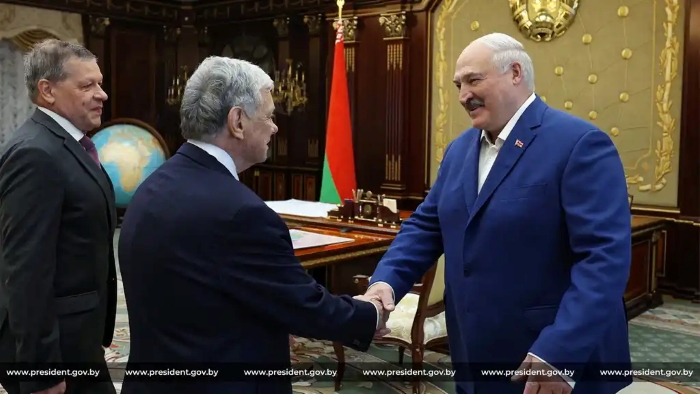
On December 13, negotiations also took place with John Cole, a special representative of U.S. President Donald Trump. Following these talks, Alexander Lukashenko pardoned 123 political prisoners. In return, Washington agreed to ease sanctions on the Belarusian potash industry.
Real Attitude Toward the U.S.
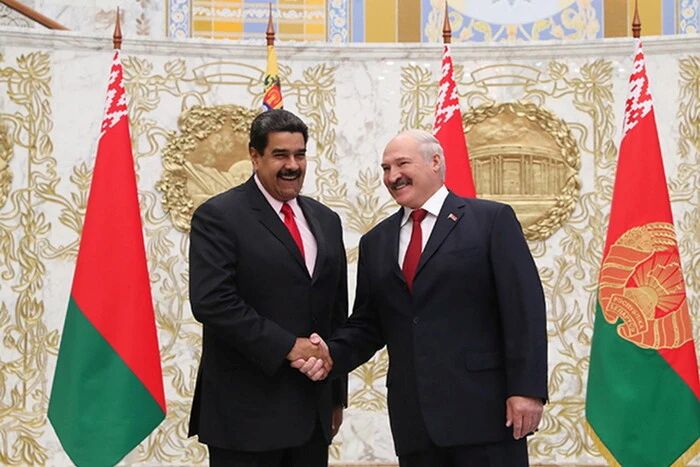
At the same time, Lukashenko continues to demonstrate loyalty to U.S. adversaries. He recently stated that Venezuelan President Nicolás Maduro could come to Belarus if forced to leave office.
According to Lukashenko, Belarus and Venezuela maintain long-standing relations. He added that Maduro would be welcome in Minsk.
This position highlights the ambivalence of Belarus’s foreign policy. Lukashenko maintains contacts with the United States. Simultaneously, he signals alignment with Washington’s geopolitical rivals. This approach has long defined Belarus under his rule.
Conclusion
The situation in which Lukashenko effectively holds civilians hostage presents a severe diplomatic dilemma. Their health and living conditions are unsatisfactory. Governments must choose between lifting sanctions or maintaining pressure while repression persists.
However, appeasing dictators, regardless of their scale, cannot be a sustainable solution. Lukashenko continues to authorize arrests based on vague accusations such as “probable cooperation with Ukraine’s special services.” The Belarusian case illustrates a broader reality. Defeating Russia would make many countries lives easier. Lukashenko’s political survival depends directly on Kremlin support.
Moreover, released Belarusian opposition figures repeatedly stress one point. Ukraine’s strategic victory is a vital precondition for democratic change in Belarus itself.