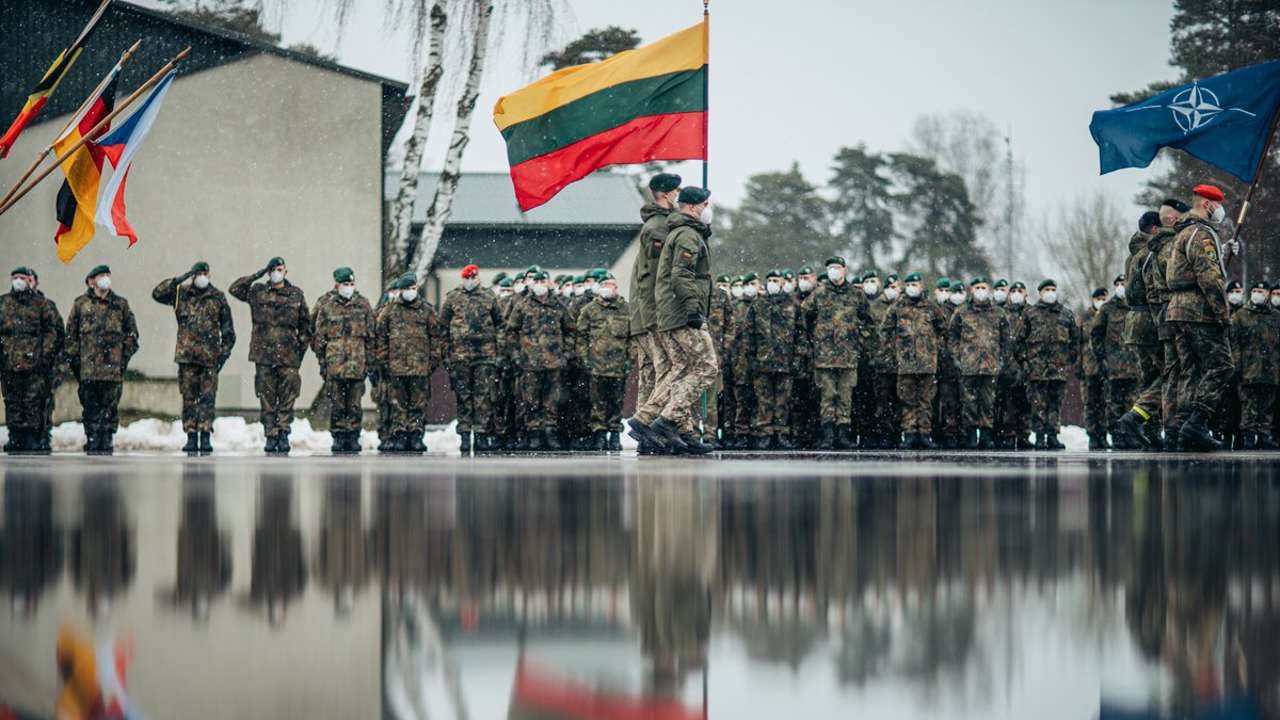


Lithuania is reviewing its national security strategy, recognizing an “existential threat” and the likelihood of conflict with Russia by the end of the decade, according to LTR. At the same time, Germany has prepared a simplified version of its secret defense plan for internal use to coordinate actions if NATO faces an escalation in security threats.
Boosting Military Readiness
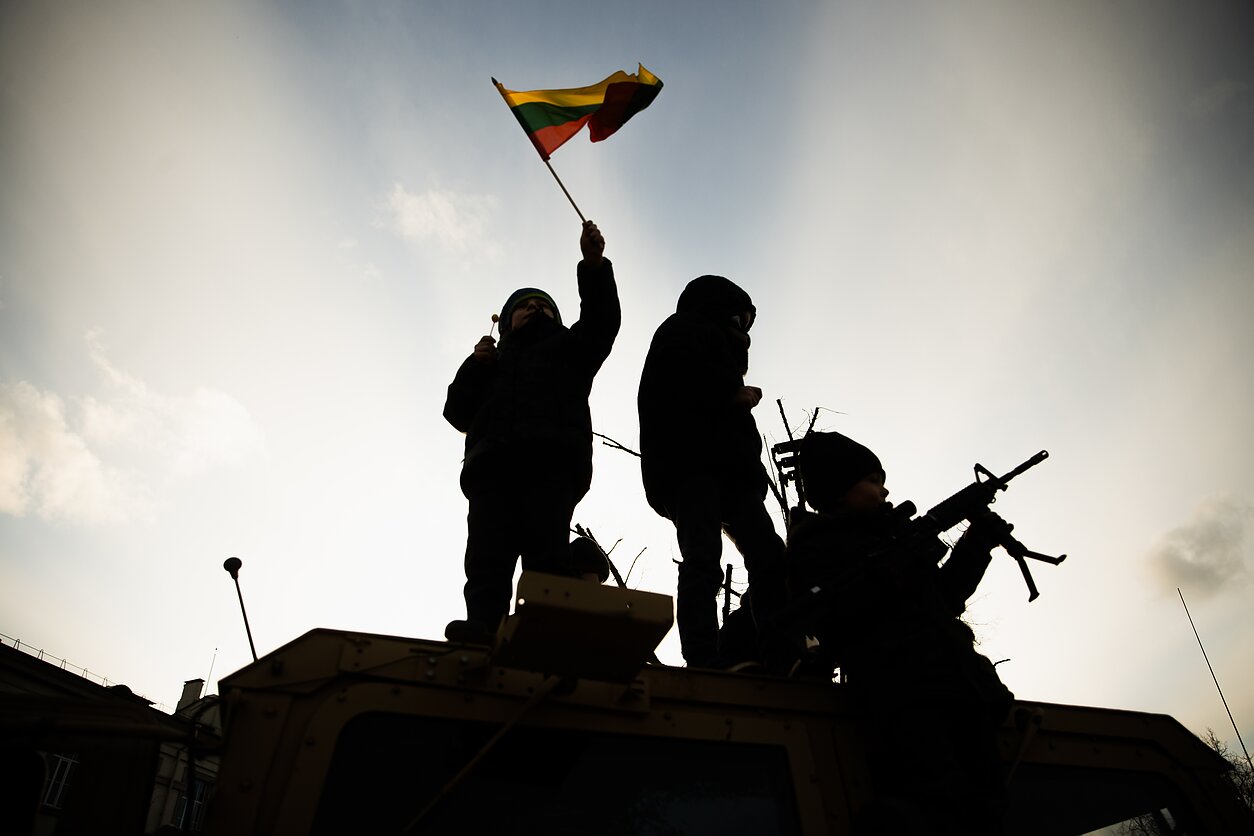
The new strategy notes a sharp deterioration in Lithuania’s security situation. It emphasizes that the country’s main pillars of defense remain its armed forces, societal resilience, and support from allies. The document also highlights the need to prepare the state and citizens for potential defense during a possible conflict with Russia.
The security assessment confirmed the findings of the previous strategy, which already included measures for comprehensive defense, the creation of territorial defense units, and strengthening of voluntary armed formations, including the Lithuanian Riflemen’s Union. The updated document explicitly identifies an “existential threat” to the state and considers Russia’s ability to use military force and rebuild combat capabilities even during the war in Ukraine.
Lithuanian officials estimate that the probability of a military conflict could increase by 2030. Defense spending is planned at 5–6% of GDP, with next year’s defense budget expected to exceed 5%.
Armed Defense and Infrastructure Preparation
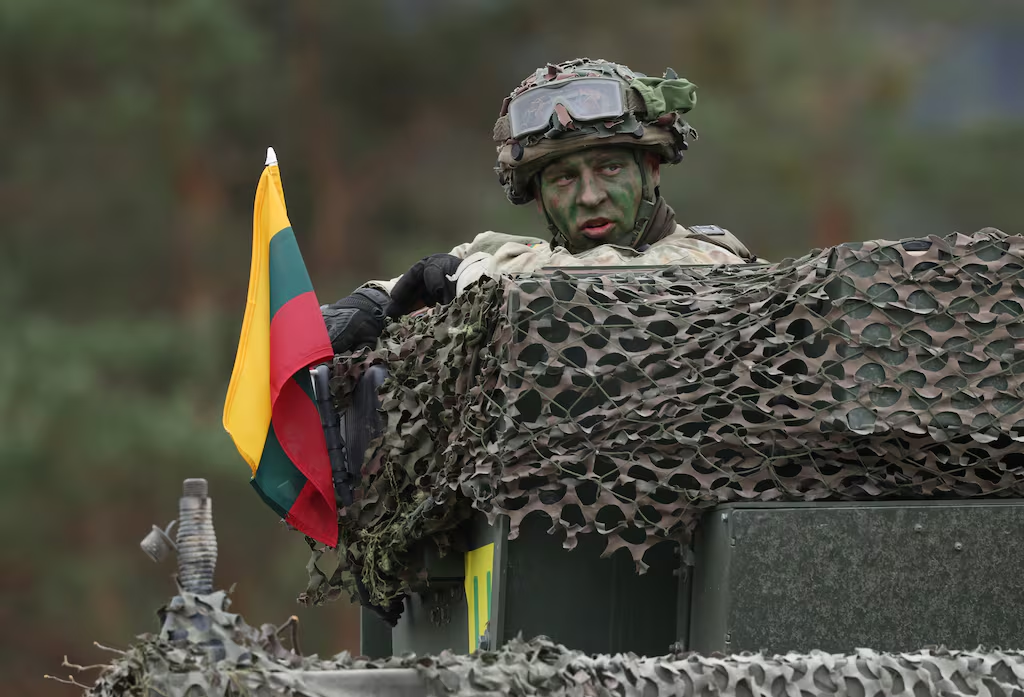
The strategy calls for forming a military division, strengthening national resilience, and emphasizing the role of allied deterrence, including the presence of U.S. troops in the region—even though Washington has previously urged Europe to take greater responsibility for its own defense.
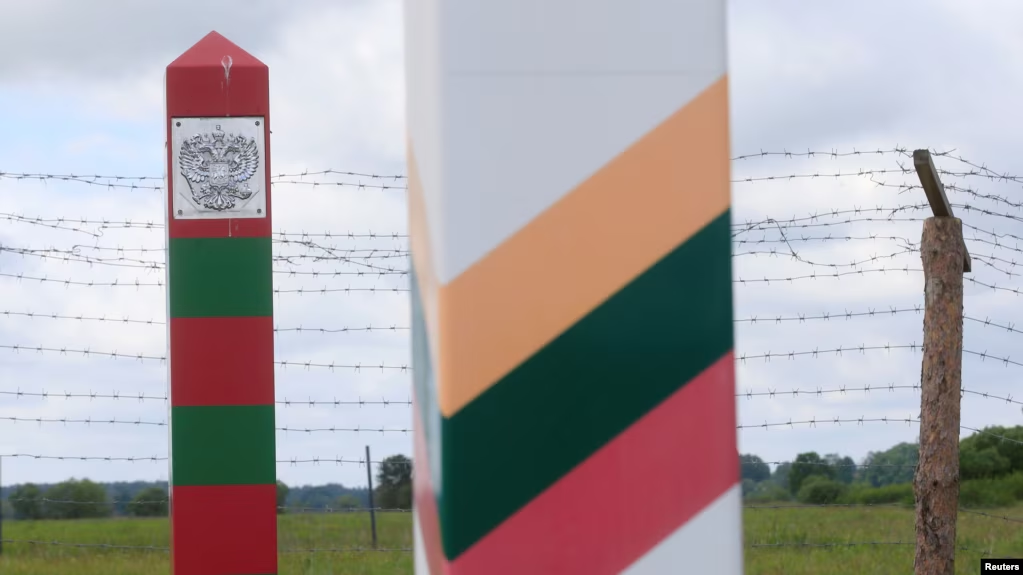
It has also been reported that Lithuania plans to strengthen its defence line. The country will equip border bridges with special structures for possible demolition. These measures will apply to the borders with Russia and Belarus. Other Baltic countries are taking similar measures. For example, Latvia has completed around 280 km of engineering barriers along its border with Russia. Lithuania is also keeping restrictions on goods transit to Russia in place until 2027.
Conclusions
The updates to defense strategies in Lithuania and Germany reflect growing awareness of threats in Europe and the need to prepare for potential expansion of Russian aggression.
The priorities for both countries remain armed defense, national resilience, and allied deterrence. Preparation for crisis scenarios includes both domestic measures and enhanced cooperation with NATO partners. This demonstrates European countries’ intent to minimize risks in the event of escalation. It is likely that other European nations will join similar measures in the near future.