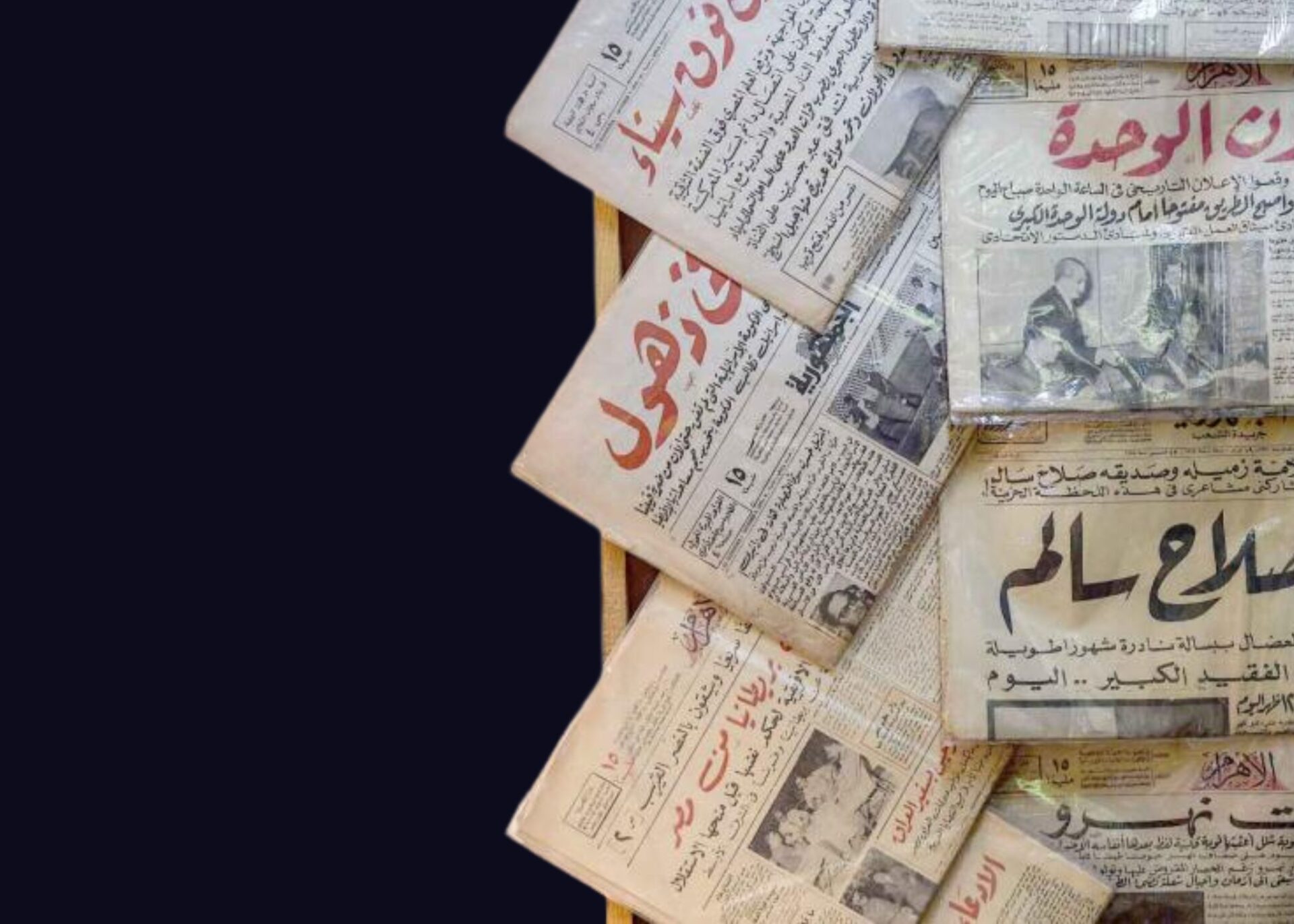


In most Arab countries, the media operate under strong state control or intense pressure of self-censorship. Journalists avoid criticizing authorities, as well as religious and socially sensitive topics, due to cybercrime laws, persecution, and economic constraints.
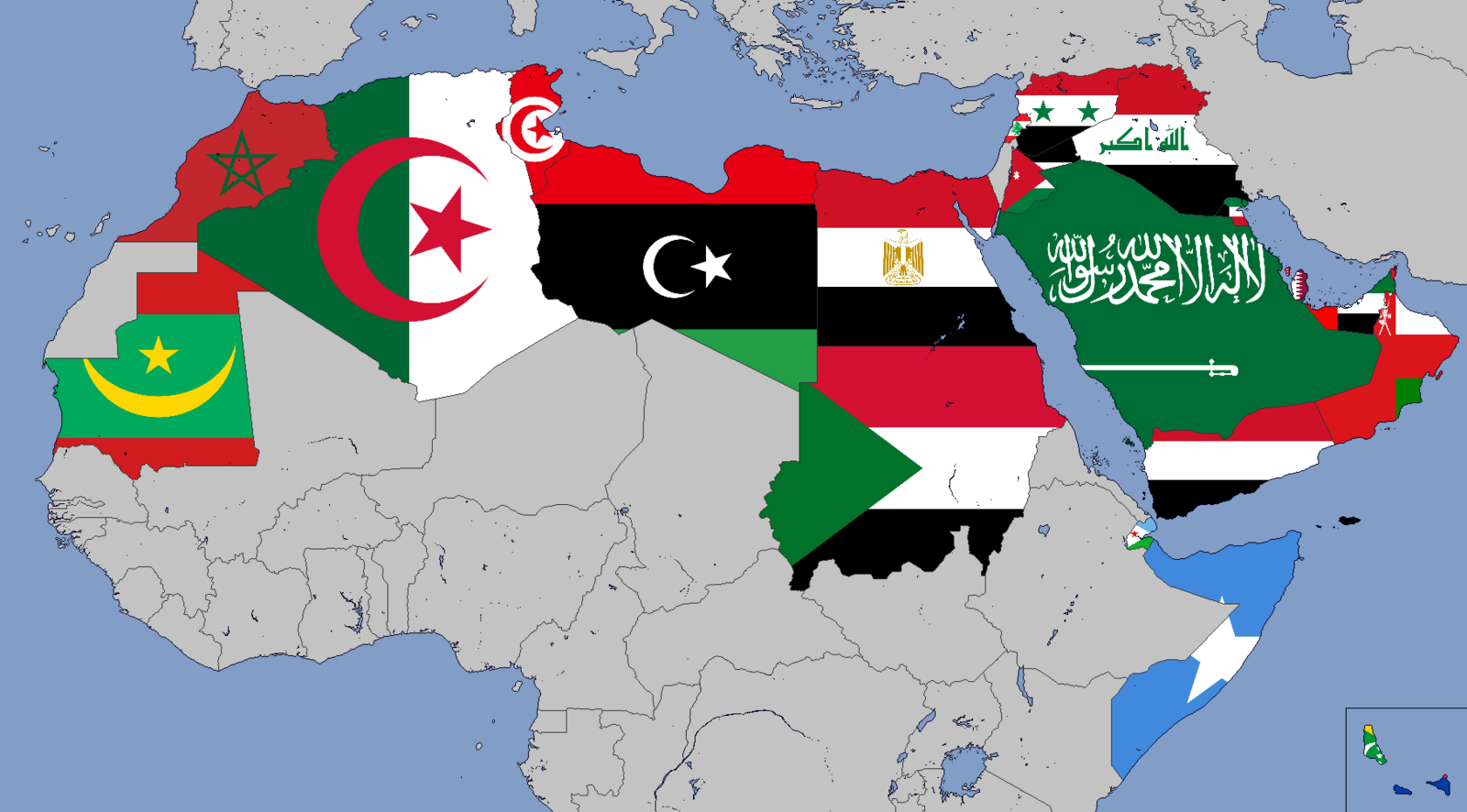
As a result, most Arab states rank near the bottom of the World Press Freedom Index compiled by Reporters Without Borders. Despite this, television remains the most popular source of news.
Below is an analysis of how Arab media have covered Ukraine and the Russia–Ukraine war, and what rhetoric they use today.
Qatar
One of the smallest countries in the Arab world by territory, Qatar wields significant regional influence thanks to the Al Jazeera television network. Its bold style of news coverage is often emulated by competitors, and governments of other countries have repeatedly complained about the channel to Qatari authorities, which fund it.
At the same time, Al Jazeera strongly criticizes the foreign policies of other states, such as the United States or Israel, but is far more cautious when covering Qatar’s own domestic issues.
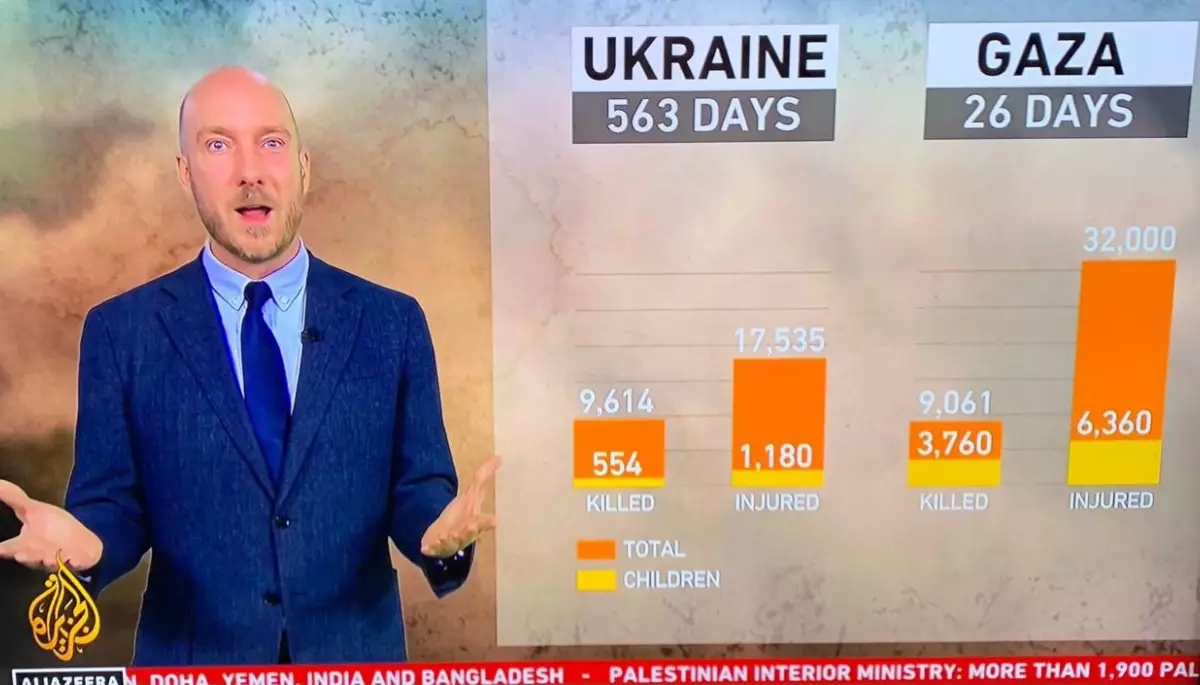
In 2023, Al Jazeera resorted to manipulation by comparing the number of civilian casualties in Russia’s war against Ukraine with those in the Israeli–Palestinian conflict. The channel claimed that civilian losses in Gaza exceeded those in Ukraine, but relied on outdated Ukrainian data—covering only the first 563 days of Russia’s full-scale invasion.
At the same time, journalists failed to note that, according to the UN, the real number of civilian deaths in Ukraine is significantly higher, as data from Mariupol, Sievierodonetsk, Lysychansk, and other temporarily occupied territories are unavailable.
Overall, however, Al Jazeera demonstrates a very cautious approach to the war in Ukraine. The outlet conveys official statements from the parties without offering its own assessments or sharp criticism of Russia.
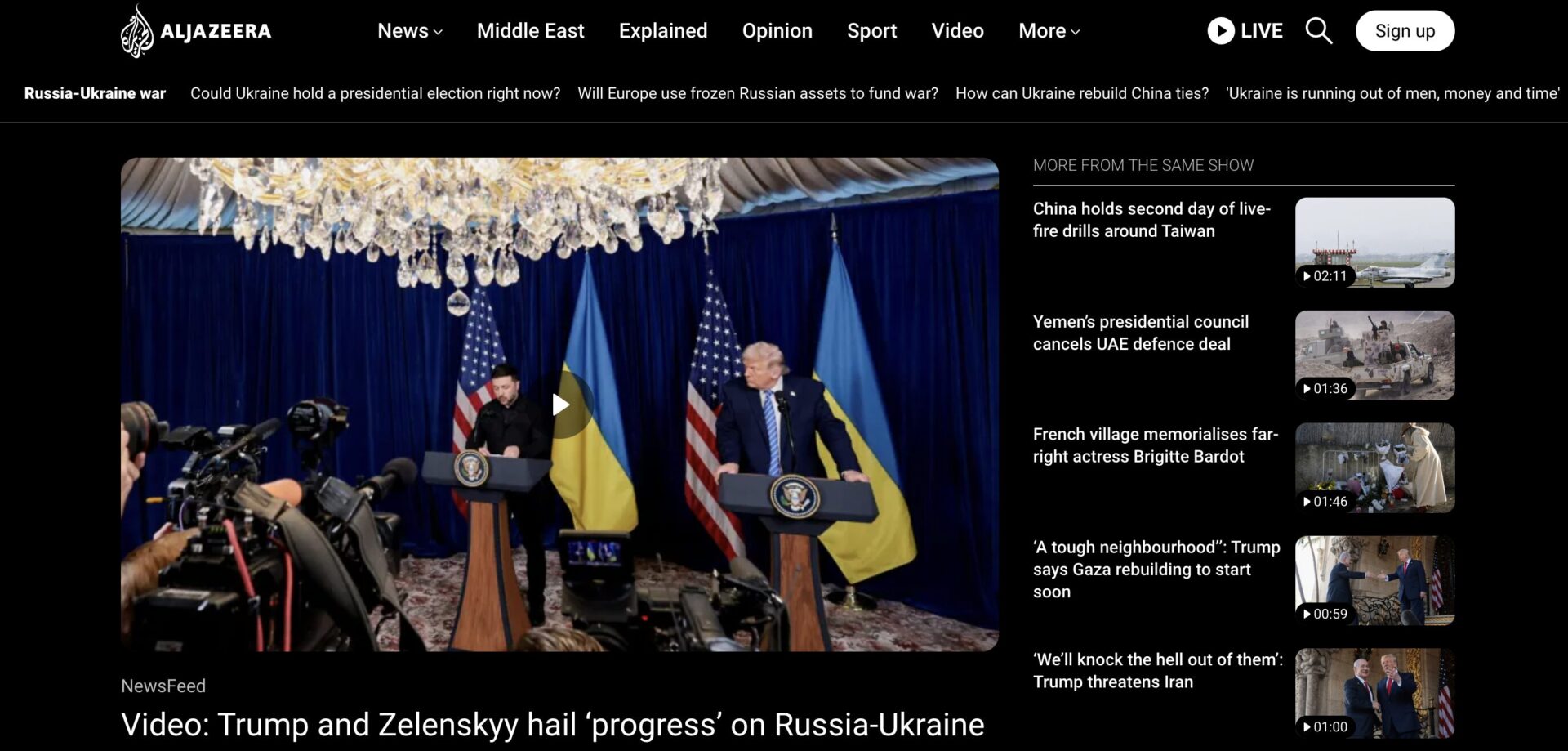
At the same time, the channel actively covers diplomatic negotiations, such as meetings between Zelenskyy and Trump or phone calls between Trump and Putin. In these materials, the focus is placed on progress in talks, security guarantees, and unresolved issues related to Donbas, while military actions and their consequences are reported briefly and without emotional framing.
The channel avoids direct criticism of Russia while giving space to Ukrainian statements, diplomatic contacts, and international reactions. This aligns with Al Jazeera’s overall style: covering global events boldly, yet with political caution.
Egypt
Egyptian media enjoy the widest audience among Arab countries, and the Media Production City complex in Cairo supplies television content to much of the Arabic-speaking world.
News coverage by Ahram Online during the analyzed period demonstrates a predominantly factual, news-driven approach to the Russia–Ukraine war. The focus is on frontline developments, statements by international organizations, and diplomatic signals, without deep emotional or ideological evaluation.
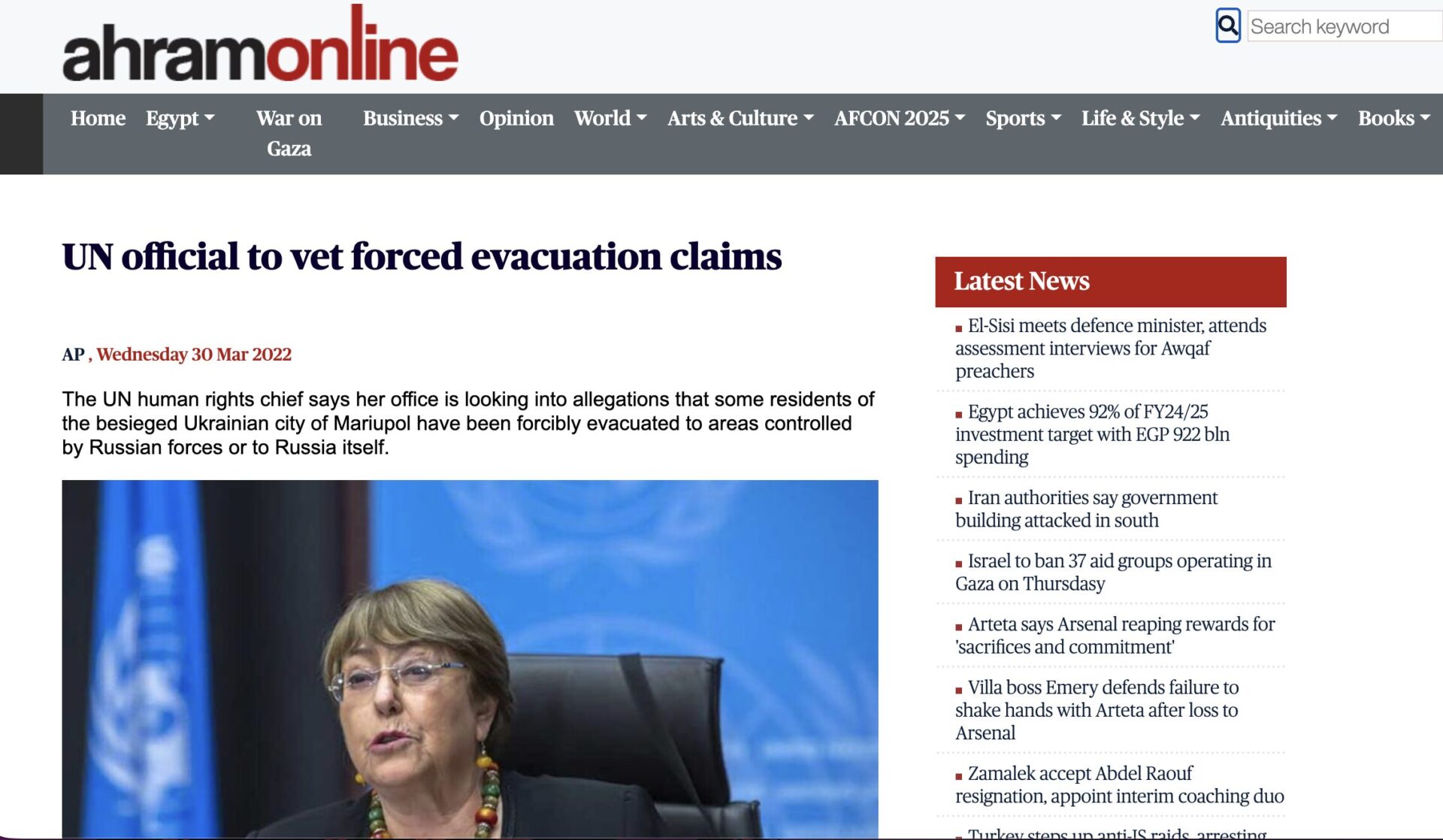
Considerable attention is paid to the humanitarian consequences of the war. In particular, Ahram Online reports on UN investigations into alleged forced evacuations of civilians from Mariupol and regularly publishes updates on casualties from Russian strikes on Ukrainian cities, including Mykolaiv. Such coverage shapes the image of Ukraine as a country suffering large-scale civilian losses.
At the same time, the outlet actively covers Russian statements about “reducing military activity,” accompanied by skeptical assessments from Western officials. This underscores distrust of Russian promises and highlights the discrepancy between Moscow’s official rhetoric and the reality on the ground.
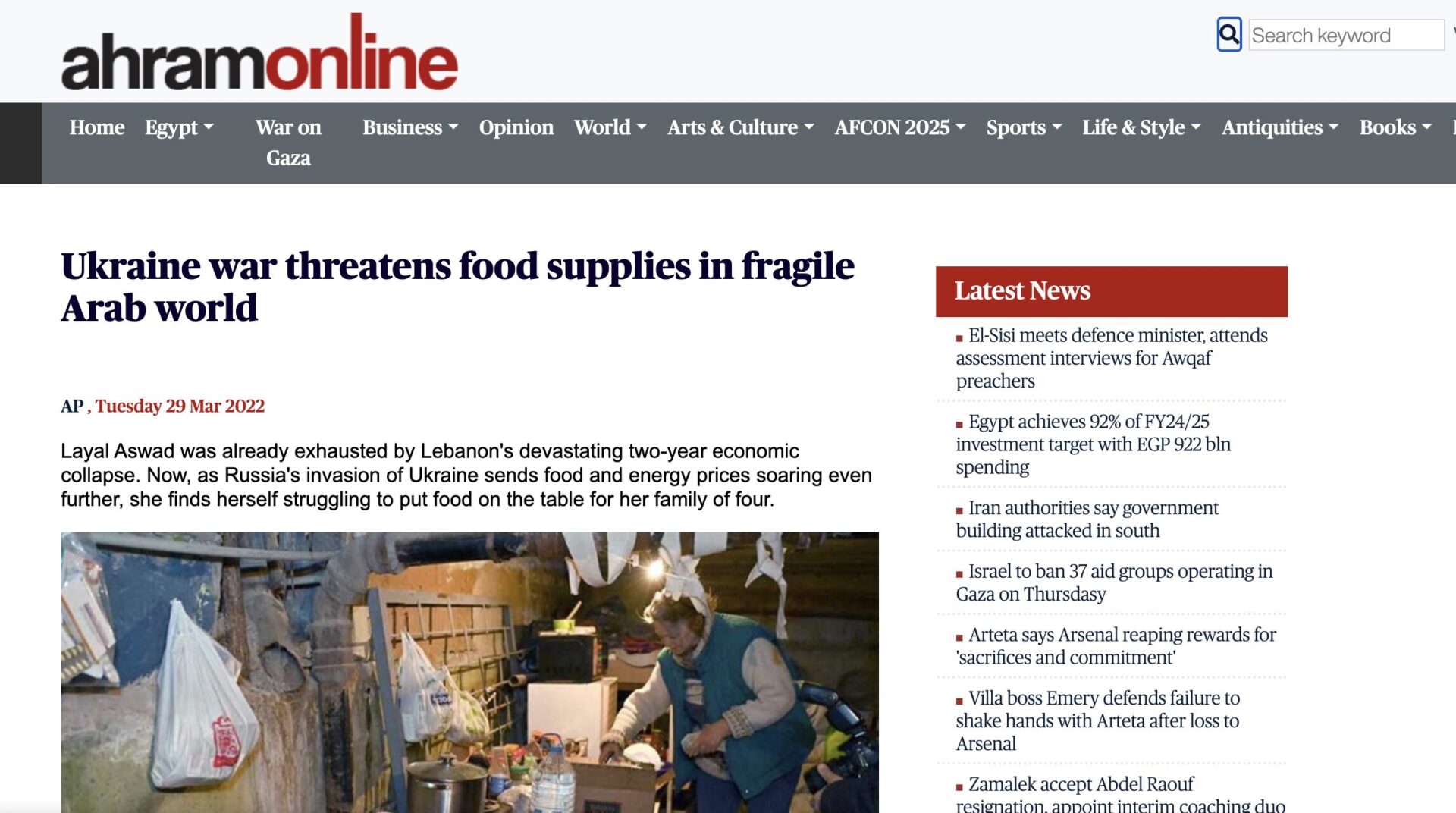
A separate block of materials focuses on the international consequences of the war, especially threats to food security in the Middle East and North Africa. In this way, the war in Ukraine is presented not only as a European conflict but as a factor of global instability directly affecting the Arab world.
In parallel, Ahram Online publishes analytical pieces and opinion columns criticizing Western media coverage of the war. These texts promote narratives about double standards, racial bias, and the dominance of a Western information perspective, which contrasts with the restrained tone of its news reporting.
At the same time, Arabic-language branches of Russian state media (RT Arabic, Sputnik) operate actively in Egypt. Their narratives are often echoed by local outlets or on social media, where arguments about NATO expansion as the cause of the war or the “ineffectiveness of sanctions” are frequently encountered.
Lebanon
It should be noted that Lebanon was the first Arab country whose Ministry of Foreign Affairs officially condemned Russia’s invasion in 2022. This sparked an intense media backlash: pro-Russian forces criticized the move as “submission to the U.S. embassy,” while other media defended the MFA’s position as “the only moral one.”
Lebanon’s media landscape consists largely of private television channels and radio stations, many of which have close ties to political forces or influential families. Unlike Egypt, Lebanon’s media environment is highly polarized. Because the country is divided into competing political and religious camps, coverage of the war in Ukraine directly depends on who finances a given outlet and which ideology it adheres to.
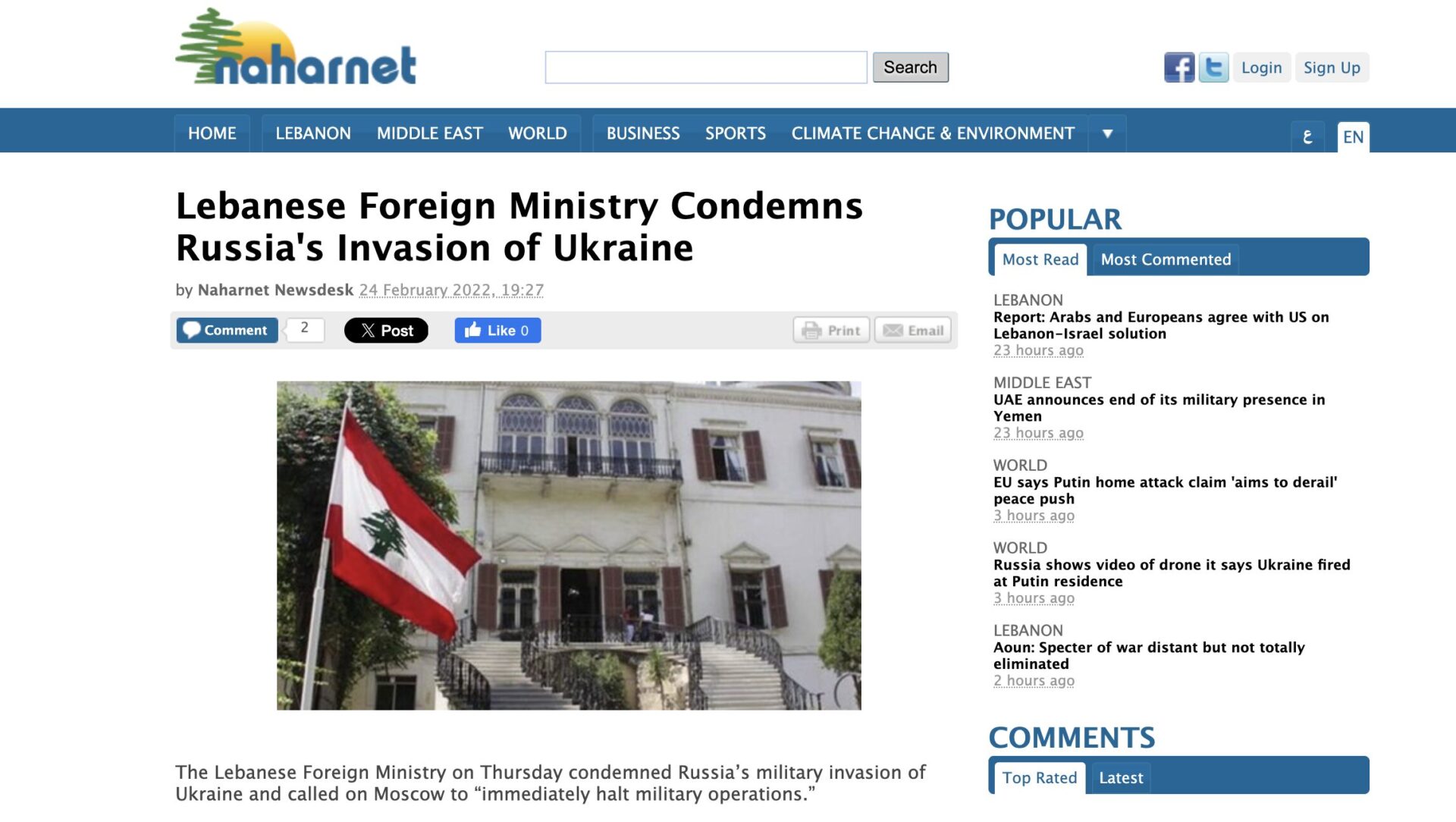
Pro-Western and independent outlets (such as An-Nahar and L’Orient-Le Jour) condemn the Russian invasion. They draw parallels between Ukraine and Lebanon, portraying Ukraine as a country fighting for its independence against a powerful neighbor. These media actively report on war crimes and the destruction of civilian infrastructure.
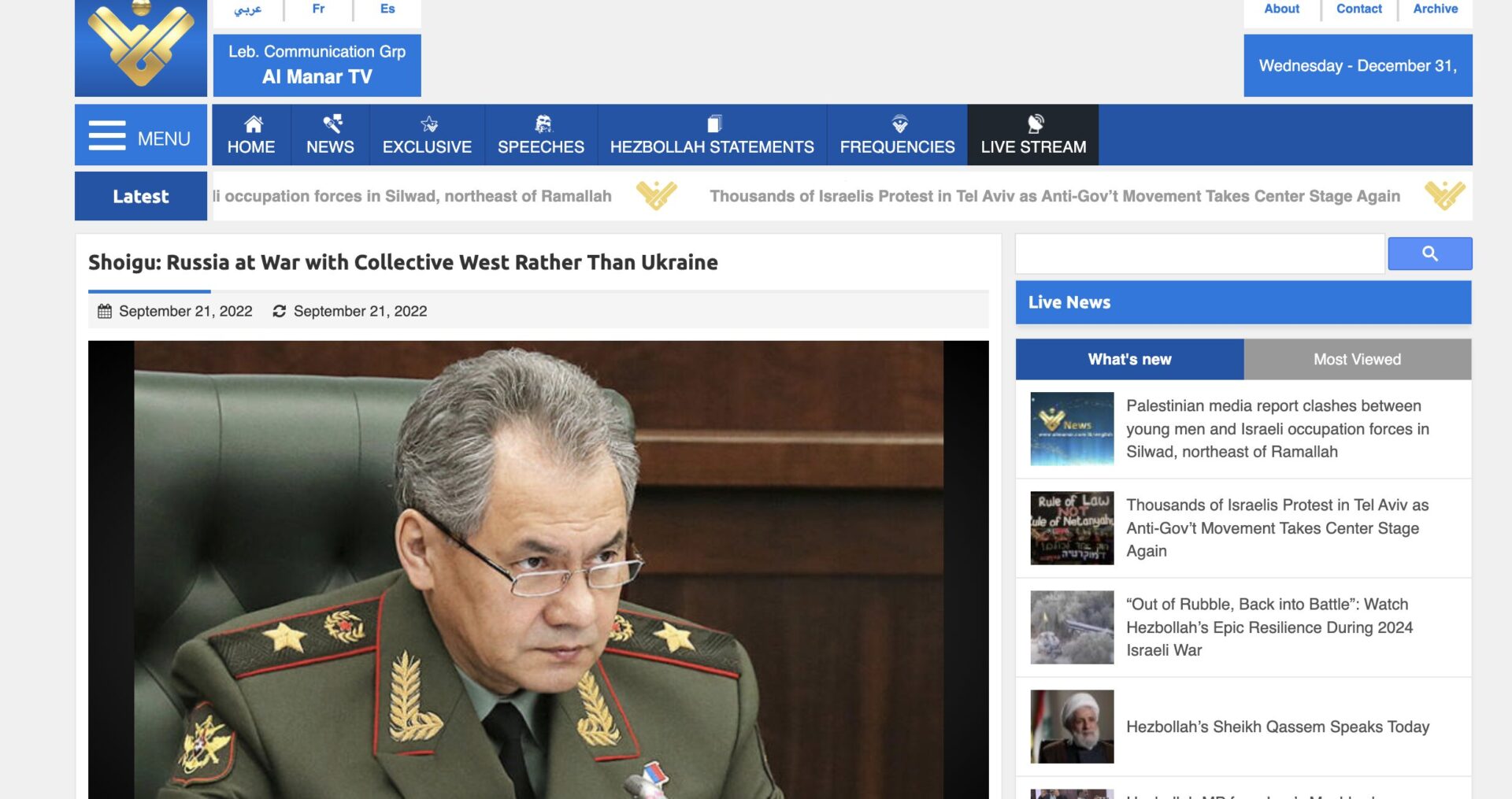
Outlets close to Hezbollah and Syria (such as Al-Akhbar and Al-Manar) promote pro-Russian narratives. They often describe the war as a “just response to NATO expansion” or a “Western proxy war against Russia.” In these materials, Ukraine is frequently portrayed as a “tool of the United States.”
The theme of “double standards” is one of the most popular across Lebanese media regardless of orientation. Journalists often compare the global response to the war in Ukraine with reactions to conflicts in Palestine or Lebanon. They write about the West’s “selective empathy” and the speed of assistance to Kyiv in contrast to decades of neglect of Middle Eastern problems.
***
An analysis of Arab media shows that Russia’s war against Ukraine is perceived in the region not only as a European conflict but as part of broader geopolitical processes that directly affect the Middle East. The tone and rhetoric of coverage largely depend on each country’s political context, level of press freedom, and foreign policy orientation.
In Qatar and Egypt, a restrained, information-focused approach dominates: media relay statements by the parties, emphasize humanitarian consequences and diplomacy, but avoid harsh criticism of Russia. At the same time, the war in Ukraine is often framed through the lens of global instability—particularly threats to food security and the economies of Arab countries. Parallel to this, narratives about Western “double standards” are integrated into the information space, resonating with local public sentiment.
Lebanon’s media landscape, by contrast, demonstrates deep polarization. Here, the war in Ukraine reflects internal political divisions: some outlets openly support Ukraine as a victim of aggression, while others reproduce pro-Russian and anti-Western narratives. This makes Lebanese media a telling example of how a global conflict is used in domestic political struggles.
Overall, Arab media rarely view Ukraine as a fully autonomous subject of international politics. Instead, the war is often interpreted through the confrontation of major powers—primarily the West and Russia—or through comparisons with the region’s own traumatic conflicts. Under such conditions, Ukraine’s image is shaped less from a Ukrainian perspective and more as an element of a global and regional debate about justice, Western influence, and the unequal distribution of international attention.
Anna Romaniv