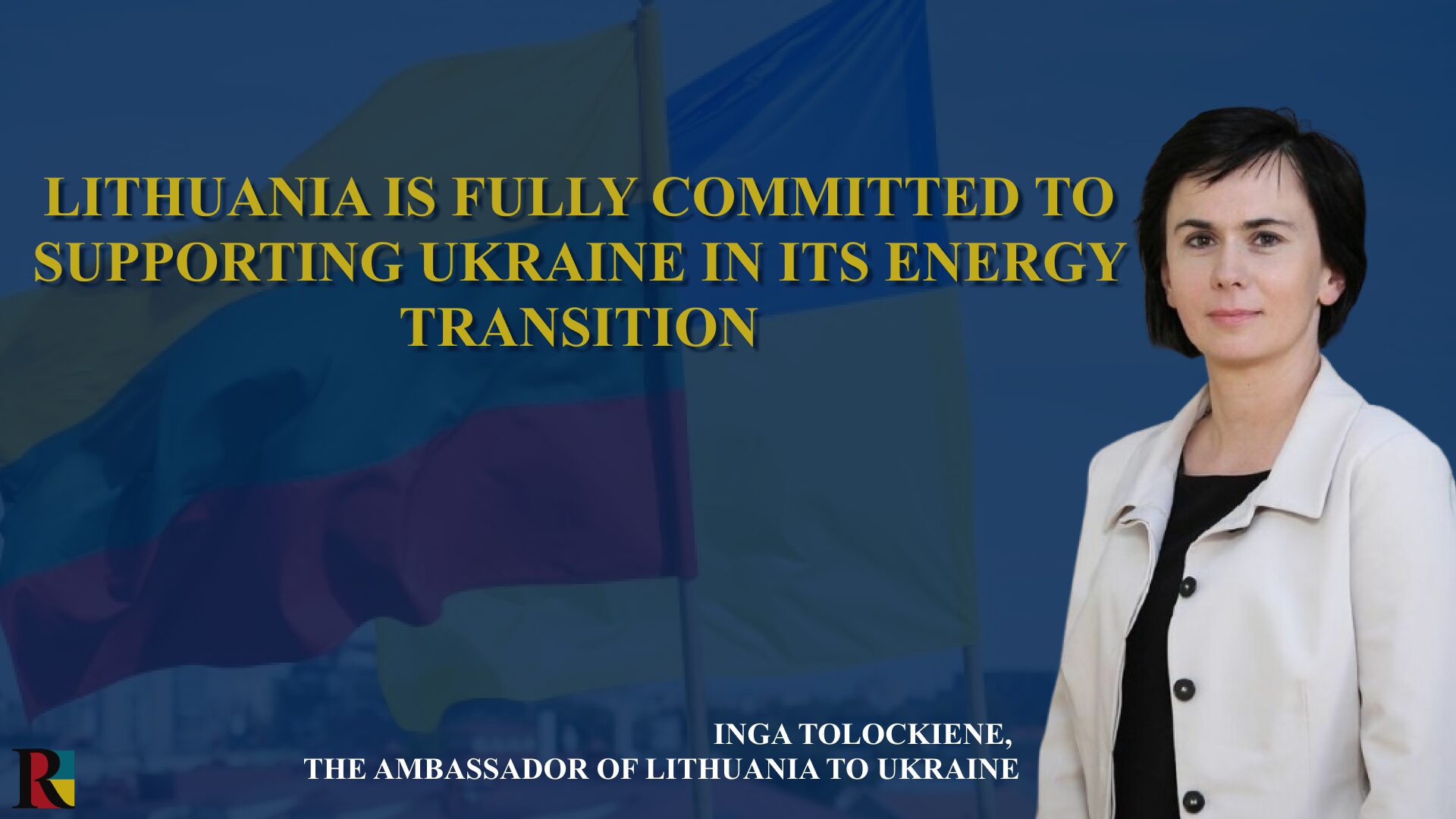


We talked to Inga Tolockiene, the Ambassador of Lithuania to Ukraine. She told us about the relationship between the thermal power industry and the Green Deal, and, most importantly, how Lithuania will continue to help our country on this path.
T.S.:Lithuania regularly helps Ukraine in the energy sector. In particular, you have supplied solar panels, generators, thermal power plant equipment, etc. What areas of energy assistance to Ukraine has Lithuania prioritized?
I.T.: Lithuania is a committed and steadfast partner to Ukraine, supporting its independence, territorial integrity, sovereignty, security, and the well-being of its people as much we can. We fully understand that russian designs extend beyond Ukrainian soil. Lithuanian and Ukrainian futures are deeply interconnected. In these challenging times, it is crucial to help Ukraine address its most pressing energy needs to ensure the functioning of the state and society, to support recovery and build a sustainable future. With that in mind, we are committed to providing both immediate and long-term support. In the short term, our priority remains unchanged: emergency assistance, particularly through supplying critical equipment for the repair and restoration of energy infrastructure. This includes solar panels, generators, and thermal power plant equipment, all vital for stabilizing Ukraine’s energy grid. Looking ahead, Lithuania strongly supports Ukraine’s renewable energy goals for 2030 and is committed to helping bring them to life. By strengthening Ukraine’s energy independence and supporting its transition to sustainable energy sources, we aim to contribute to a more resilient and secure future for the country.
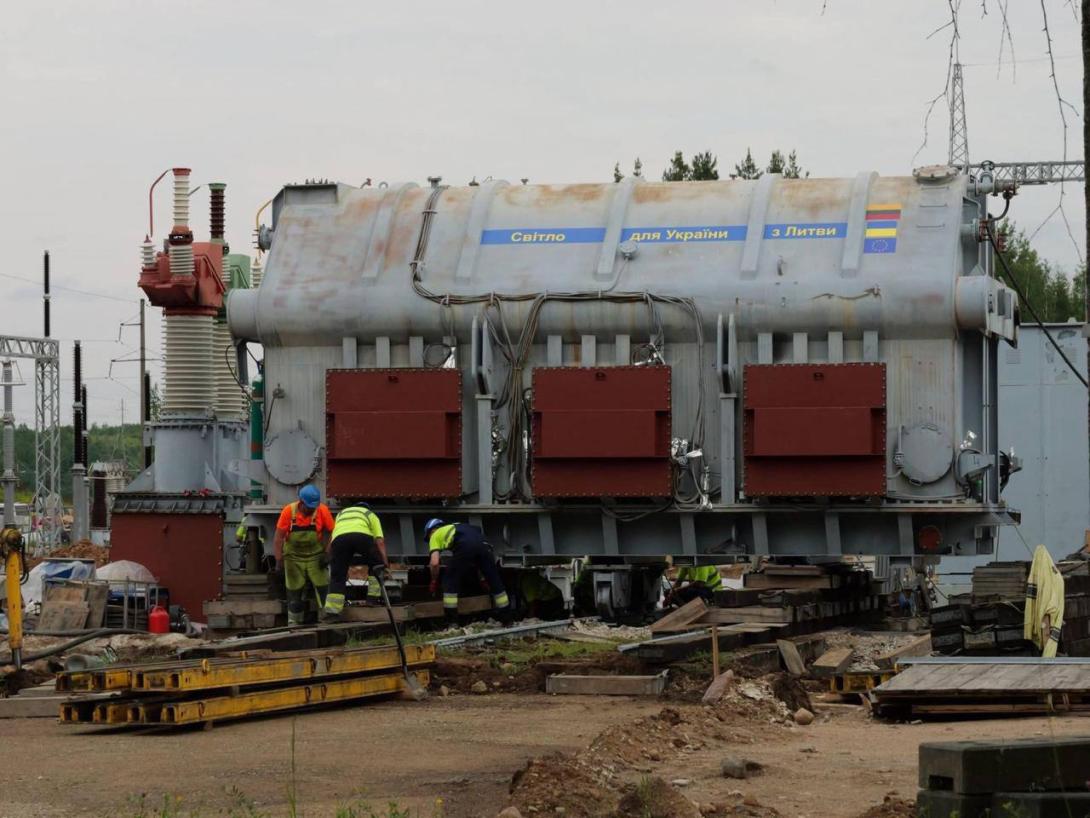
T.S.: Last year, Lithuania dismantled and donated its Vilnius TPP-3 to Ukraine as part of its energy assistance. Looking back at the winter that has already passed, can you assess how this equipment has helped Ukrainians?
I.T.: Lithuania has set ambitious goals for 2024 to support Ukraine, with the market value of the aid exceeding 54 million euros. This in-kind support package includes solar modules with 2 MW of generating capacity, equipment from the Vilnius TPP-3, diesel generators for nuclear power plants, 10kV transformers, and more. In parallel, the Lithuanian energy holding company – “Ignitis Group”, contributed 5 million euros as the first tranche of 10% of its 2023 windfall profits to Ukraine’s Energy Support Fund. Additionally, under the Climate Change Program, three key agreements were signed to install 1.79 MW of solar power plants on the roofs of public buildings in the Odesa region. Looking back, we acknowledge that while much of the aid was successfully delivered, not everything was completed as planned in 2024. The most challenging task was transporting oversized equipment, weighing around 200 tons, which required special permits and coordination between multiple parties. Before the full-scale invasion of Ukraine, cargo of this size was transported between Lithuania and Ukraine via special railway platforms through Belarus. With this route now unavailable, alternative paths had to be found. We are all around pleased that equipment donated by Lithuanian municipalities, companies, and NGOs has been put to use in Ukraine’s energy generation, transmission, and distribution sectors, helping repair infrastructure and restore electricity and gas supply to the population. We firmly believe that our contributions, particularly in the form of independent energy sources, has helped Ukraine maintain and stabilize its energy system, and will continue to do so, especially during the summer months when nuclear plants undergo their annual maintenance.
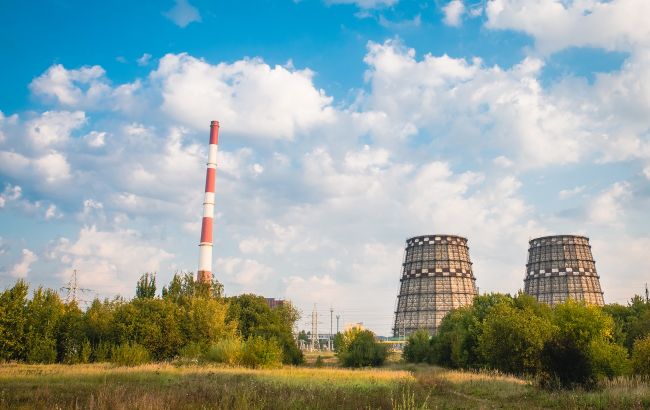
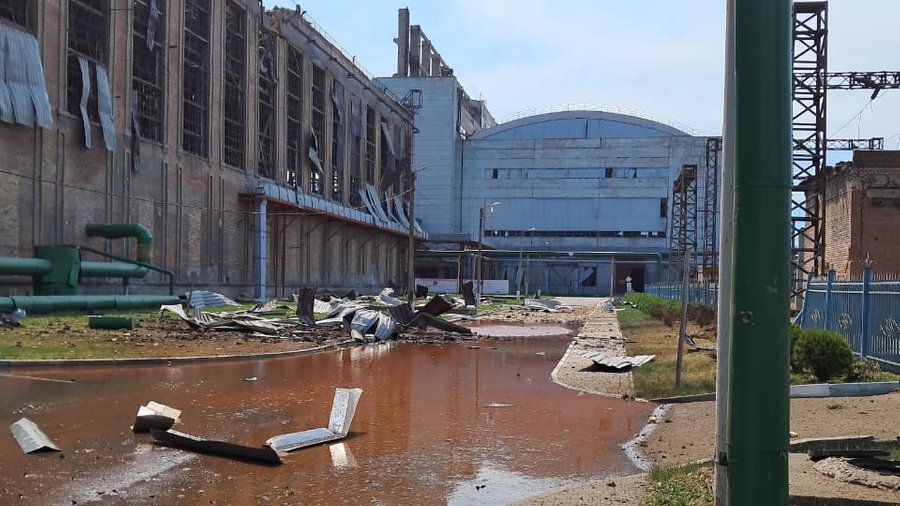
T.S.: Russia has managed to destroy 80% of Ukraine’s thermal power plants, and for us this can be a catalyst for accelerating the modernization of these facilities during the reconstruction process. What role will Lithuania play in this process?
I.T.: The Ukrainian government has set ambitious renewable energy targets and committed to key obligations under the Green Deal and the Paris Agreement. These initiatives share common goals: reducing energy consumption, improving energy efficiency, increasing the share of renewable energy, and decentralizing energy generation. Achieving them all will require comprehensive planning, investment, and international cooperation. At this critical time, it is our responsibility to work closely with Ukraine, helping to lay the foundation for a modern, resilient, and sustainable energy system. Lithuania is fully committed to supporting Ukraine in its energy transition, leveraging our own experience of modernization after reestablishing our independence in 1990. Having undergone a similar transformation, we understand the challenges involved and can offer valuable insights, expertise, and practical support. Lithuanian and Ukrainian energy experts are already in contact to develop a green pathway for Ukrainian companies, focusing on sustainable development and decarbonization to reduce greenhouse gas emissions and combat climate change. A key element of this process will be reporting and verification under Ukraine’s National Energy and Climate Plan.
T.S.: Given the Lithuanian experience in decommissioning outdated thermal power plants and the EU’s course towards the development of green energy, should Ukraine rebuild its outdated plants or should it reform them into maneuverable energy facilities?
I.T.: Considering the highly unstable situation on the front lines, our advice would be to approach energy infrastructure decisions with caution and practicality. In the short term, it is crucial to focus on rebuilding the energy capacities that can be restored quickly and with minimal investment. This will help stabilize the energy supply as soon as possible, especially in areas most affected by the war. However, in the long term, prioritization of the transition to a more sustainable and resilient energy system looks a rather natural choice to make. Investing in green energy solutions will not only support Ukraine’s energy security but also align with the EU’s green energy goals. This shift should include the development of renewable energy sources and the modernization of energy infrastructure, ensuring energy access for all consumers, with particular attention to the most vulnerable groups. By focusing on flexibility and sustainability, Ukraine will have all the necessary tools to build a secure and future-proof energy system.
T.S.: What energy projects is your country currently developing in cooperation with Ukraine? When can we expect the first results or announcements?
I.T.: As mentioned earlier, Lithuania is focused on fulfilling its commitments made to Ukraine in 2024 and this year, providing essential equipment for the repair and reconstruction of energy infrastructure. Consultations are also in progress for future cooperation initiatives. Additionally, Lithuania has launched the “Friends of Ukraine” initiative within the IEA framework, aimed at supporting the second phase of the joint work program. This phase will be more comprehensive and provide a longer-term strategy to strengthen Ukraine’s energy security. What we can say for now is that our Central Project Management Agency – the primary implementor of our development cooperation and reconstruction projects – is finalizing an agreement for this year’s €5 million programme to support Ukraine’s energy sector by installing solar power plants with storage systems in Ukraine’s educational and medical institutions, as well as in other public sites as coordinated with Ukrainian authorities.
T.S.: Ukraine used to be able to export 984,047 thousand kWh of electricity abroad, but now this figure is much lower. In your opinion, how long will it take for Ukraine to restore these volumes of electricity supplies?
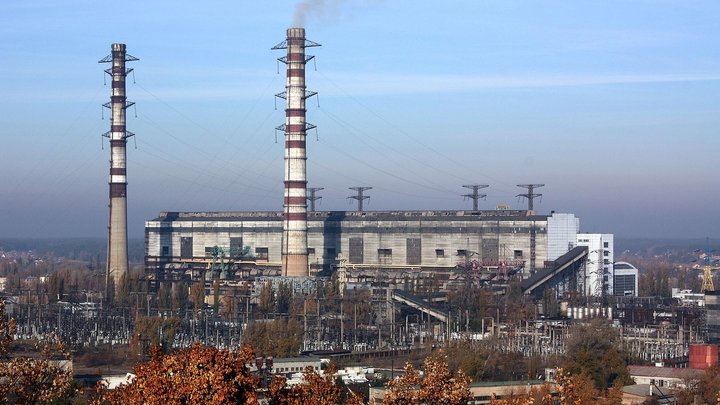
I.T.: The Ukrainian energy system was designed with a production capacity that significantly exceeded domestic demand, with a portion of the generated energy planned for export to Europe, a role successfully handled by the Burshtyn TPP. However, since the onset of the full scale invasion of Ukraine, the damage to energy generation capacities has been extensive. Additionally, some key facilities like the largest nuclear power plant and wind turbine plants are under occupation. While Ukraine’s energy demand has decreased by approximately 40 percent, the country still had to rely on importing energy from EU networks to stabilize its energy market and ensure supply. Experts estimate that restoring the full energy generation capacity and replacing the destroyed infrastructure will cost around 40,6 billion euros. Ukraine will need not only the continued support of partner countries but also increased business investment and incentives to drive recovery. We believe that at this stage, the priority is to ensure the stable operation of Ukraine’s energy system, maintaining a balanced production of safe, clean energy to meet consumption needs. Equally important is decentralizing and diversifying energy generation. Currently, nearly 70 percent of electricity is produced by nuclear power plants, and renewable sources, combined with storage systems, are crucial for meeting future energy demands. In 2024, Ukraine made significant progress, exceeding 1 GW of installed distributed generation capacity only from renewables. This is a promising start, and with continued investment and support, Ukraine can gradually rebuild and restore its energy export capacity.
T.S.: In which sectors can Ukraine become a strategic energy partner of Lithuania?
I.T.: Lithuania remains committed to standing united with Ukraine in achieving ambitious Green Deal goals. As participants in the G7+ Ukraine Energy Coordination Group, we are actively promoting the sustainable green recovery of Ukraine’s energy system. Ukraine can become a strategic energy partner in the development of decentralized solar energy projects. Lithuania has been a strong supporter of Ukraine’s green transition and continues to incorporate renewable energy within its own capabilities.
Tetiana Stelmakh