
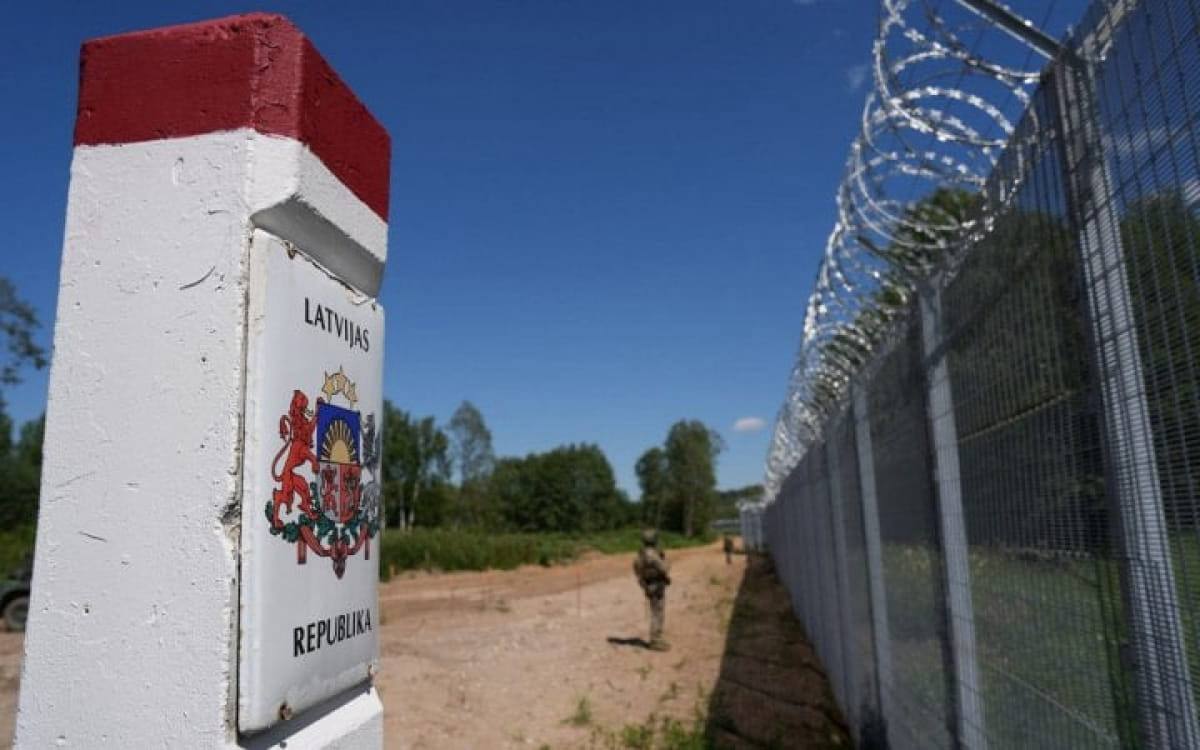


Latvia has officially completed the construction of a 280-kilometer fence along its border with Russia—a move that carries both infrastructural significance and a distinct security message. As the European Union’s eastern outpost, border control for Latvia has transformed into a key element of national and collective security. The project was implemented against a backdrop of rising tensions with Russia and a general transformation of the regional security environment. The physical barrier is designed to minimize the risks of illegal border crossings and hybrid threats. At the same time, it is part of a broader strategy to fortify the EU’s eastern frontiers. Latvian authorities emphasize that this is about protection, not isolation. Therefore, the completion of the fence is viewed as an intermediate but fundamentally important stage.
280 Kilometers of Security
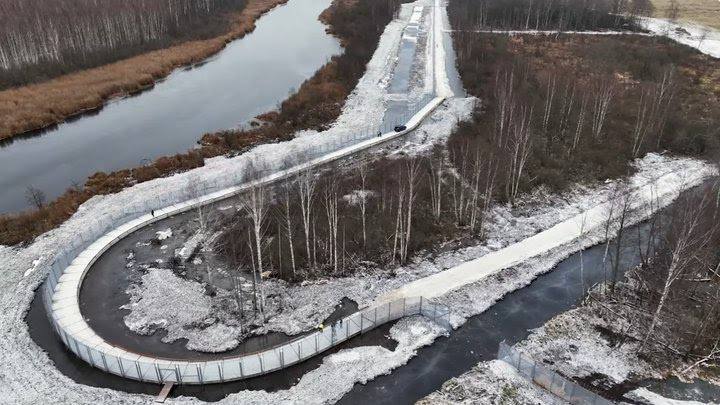
According to Latvian official sources, the construction of the fence on the Russian border has been completed across the entire planned length of 280 kilometers. This refers specifically to the physical barrier, which has become the foundation of a new border control system. The project was implemented in stages and covered difficult terrain, including forests and marshy areas. The cost of the project was previously estimated at 146 million euros, with six contractors participating in the construction.
Crucially, the completion of the fence does not signify the end of the entire border development project. According to official information, while the main construction work is finished, the full border infrastructure is still taking shape. The final completion of all auxiliary works is scheduled for the end of 2026. Thus, while the physical barrier is already functional, the security system continues to expand and improve.
Technological Strengthening of the Eastern Border
Parallel to the fence construction, Latvia is continuing the deployment of a full-scale border infrastructure. Work is currently underway to establish patrol roads, pedestrian bridges over marshy areas, observation towers, and other engineering structures. A key emphasis is placed on technical equipment, intended to ensure continuous monitoring and rapid response to potential incidents.
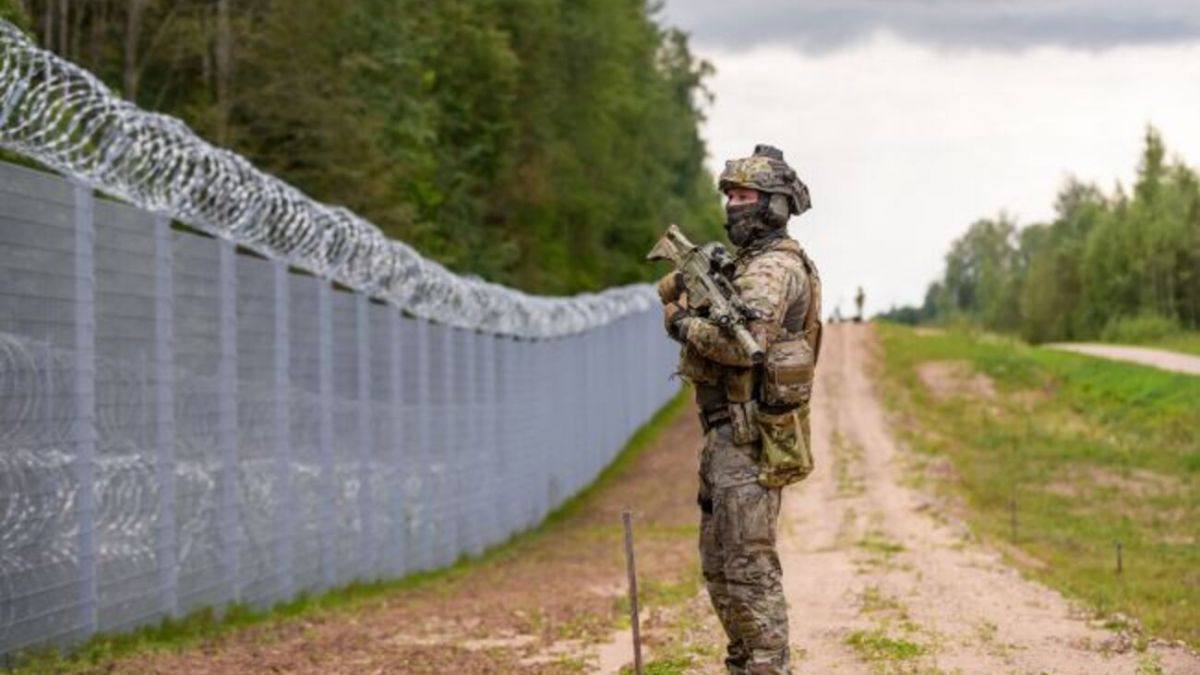
The State Border Guard noted that while the situation on the Latvian-Russian border is generally stable, isolated cases of illegal crossing still occur. According to border guards, the presence of the fence significantly facilitates their work. Latvia’s Minister of the Interior, Rihards Kozlovskis, specifically highlighted the importance of modern technology in the border security system.
“The equipping of the border with high-tech gear continues, and our ultimate goal is to create the most modern border guard service on the EU’s eastern border,” said Rihards Kozlovskis.
It is worth noting that this is not Latvia’s first step of this kind. Previously, the country built a 145-kilometer fence on its border with Belarus in response to the migration crisis and the use of illegal migration as a tool of pressure. In this context, the fortification of the border with Russia appears to be a logical continuation of the chosen policy.
Additionally, leaders of the Baltic states are discussing the elimination of railway links with Russia and Belarus, having referred the matter to their respective ministries for further consideration.
Conclusion
The completion of the 280-kilometer fence on the border with Russia serves as an important signal for Latvia, both domestically and internationally. This is not merely an infrastructure project, but an element of a long-term security strategy. Investments in the physical barrier and accompanying technologies demonstrate an awareness of long-term risks in the East. Latvia is showing that the EU’s eastern border is viewed as a zone of heightened responsibility. The fence, combined with video monitoring and border infrastructure, strengthens control on the border with Russia. Such an approach will likely define the European Union’s security policy in the region for years to come.