

Their own military capabilities have become a strategically important issue for European governments. But the expectations of economic stability and social security among European citizens come into direct conflict with the chosen policies. Western leaders are balancing the need to strengthen their defenses against the expectations of their own electorate. This conflict is gradually affecting the internal political stability of European democracies.
“If you want peace, prepare for war”
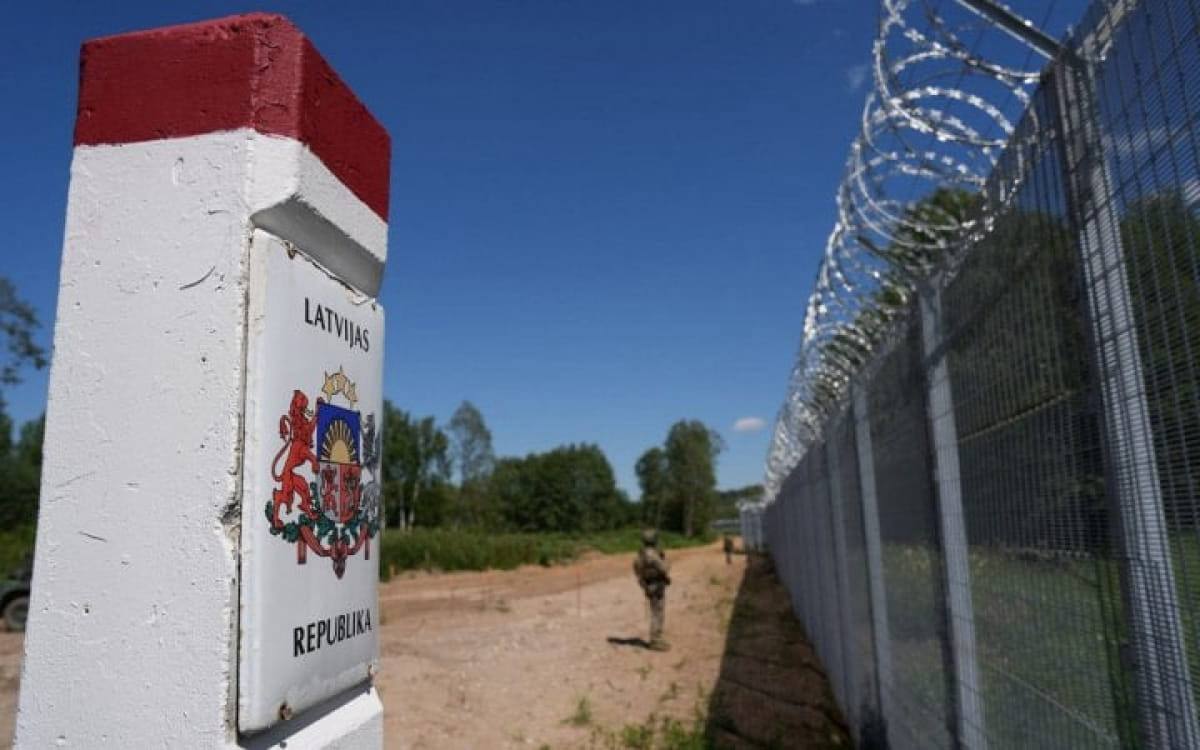
The Russian aggression against Ukraine has exposed the real state of Europe’s defense capabilities. It has highlighted weaknesses. It has triggered processes that are radically changing Europe’s approach to its own security and Ukraine’s role in this system.
This is evidenced most clearly by the increase in defense spending by NATO countries. From 2014 to 2023, there was a moderate increase in spending at around 2.6%, but over the past three years there has been a sharp jump: in 2023, 9.3%; in 2024, 18.6%; and in 2025, 15.9%. This reflects an awareness of the need to be prepared for defense in response to military aggression and the fear of possible expansion toward Alliance members.
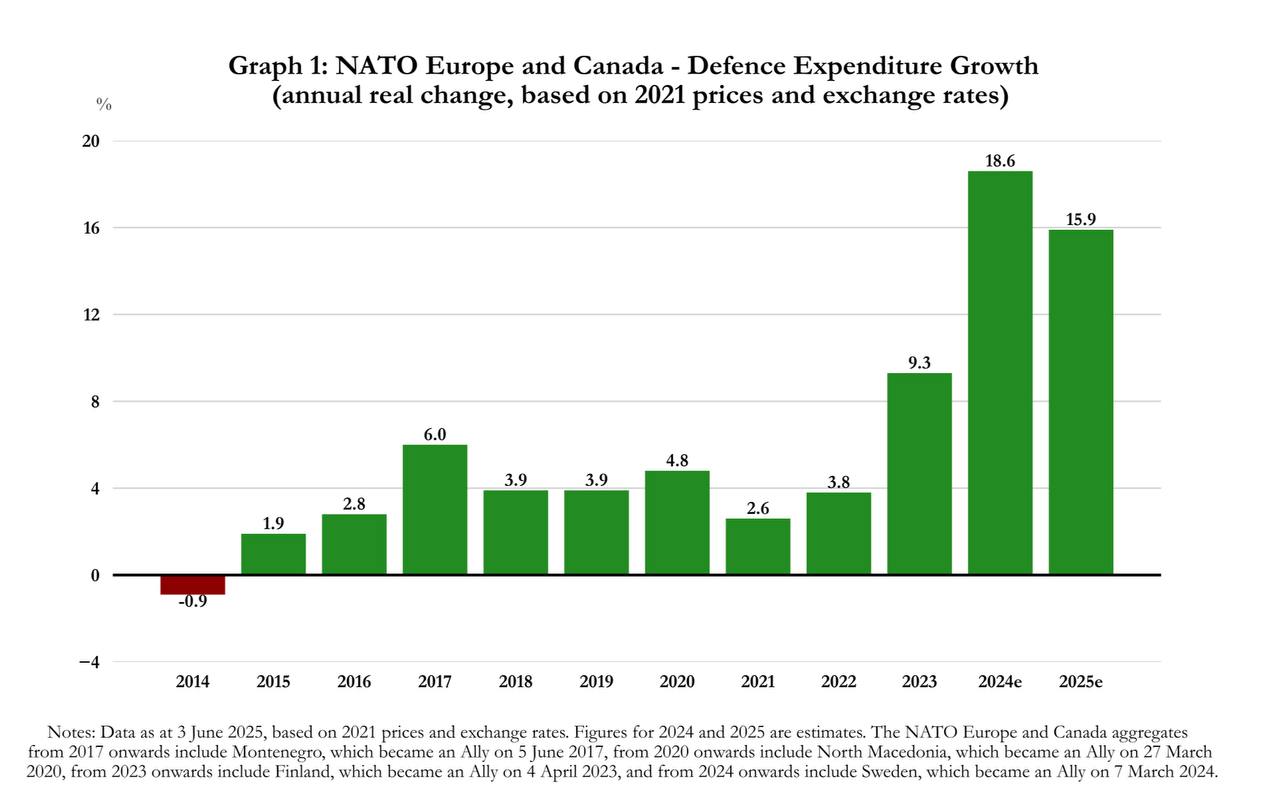
The change in White House rhetoric and discussions about a possible reduction in the American military presence in Europe have forced European countries to reconsider their security policies. A NATO report shows that in 2024, only 18 member countries reached a defense spending level of 2% of GDP, while in 2025, almost the entire Alliance (31 countries) met or came close to this benchmark. This realization has already led to a profound transformation of security processes, as European countries may be left to face a potential military threat.
Economy and social security
An interesting paradox can be observed in the sentiments of Europeans. 77% of Europeans are aware that Russia’s invasion of Ukraine poses a threat to the security of the European Union (according to a 2025 Eurobarometer survey). This figure reflects a high level of awareness of the danger among the population. However, inflation and a decline in social protection are increasingly drawing Europeans’ attention to domestic economic issues.
The decline in support for aid to Ukraine is proportional to the decline in Europeans’ economic well-being. Those who supported funding for military aid in 2022 withdrew their support in 2024 amid the deterioration of their own financial situation. These data are supported by Eurofound research. They show that in 2024, the share of people sensitive to economic changes who believe that Europe is helping Ukraine too much has increased. By contrast, those whose financial well-being has not changed continue to support assistance.
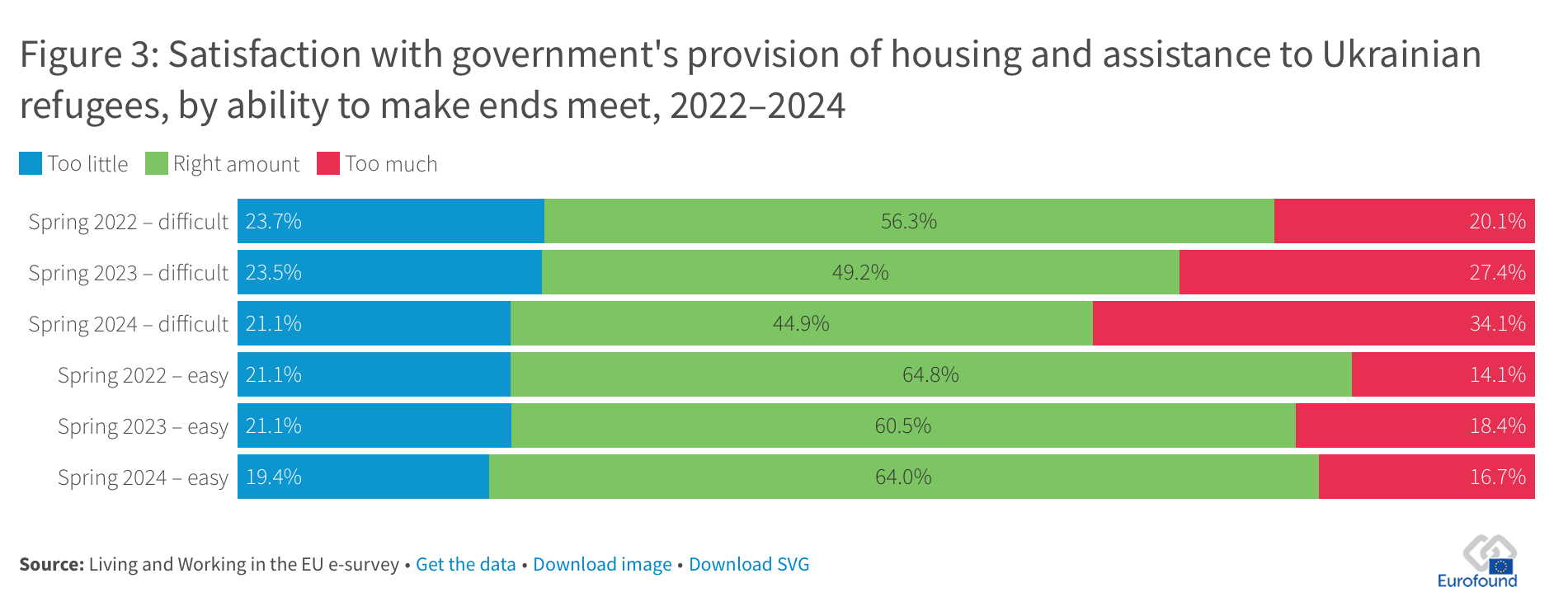
Europeans are less and less willing to keep the war at the center of public attention. Instead, they see overcoming the economic crisis as the main task for governments.
There is a lack of understanding of the need to finance military aid in a situation where part of the population cannot afford basic expenses. Within this framework, everyday problems are gradually replacing fear of external threats. This directly affects democratic processes, as government elites cannot ignore public expectations. Therefore, they are forced to balance between competing priorities. This makes support for Ukraine restrained and sometimes slows down decision-making processes. It also provokes political debates within society.
Political discourse
In December of this year, the French National Assembly voted to increase the defense budget in 2026 by 6.7 billion euros compared to 2025.
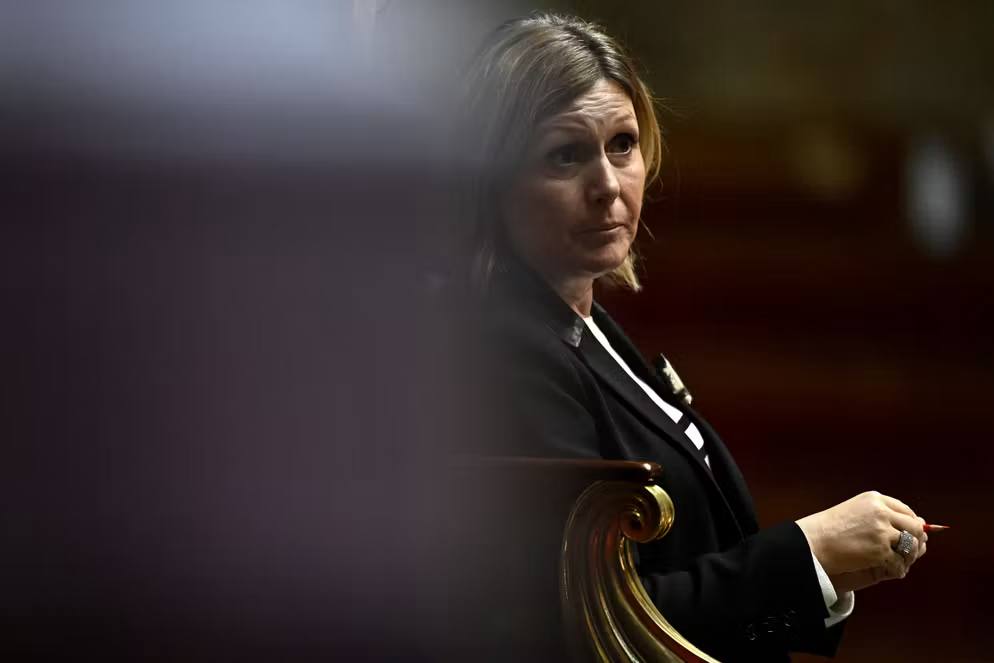
“Strengthening our defenses is no longer an option — it is a strategic necessity,” National Assembly President Yaël Braun-Pivet said on her X page.
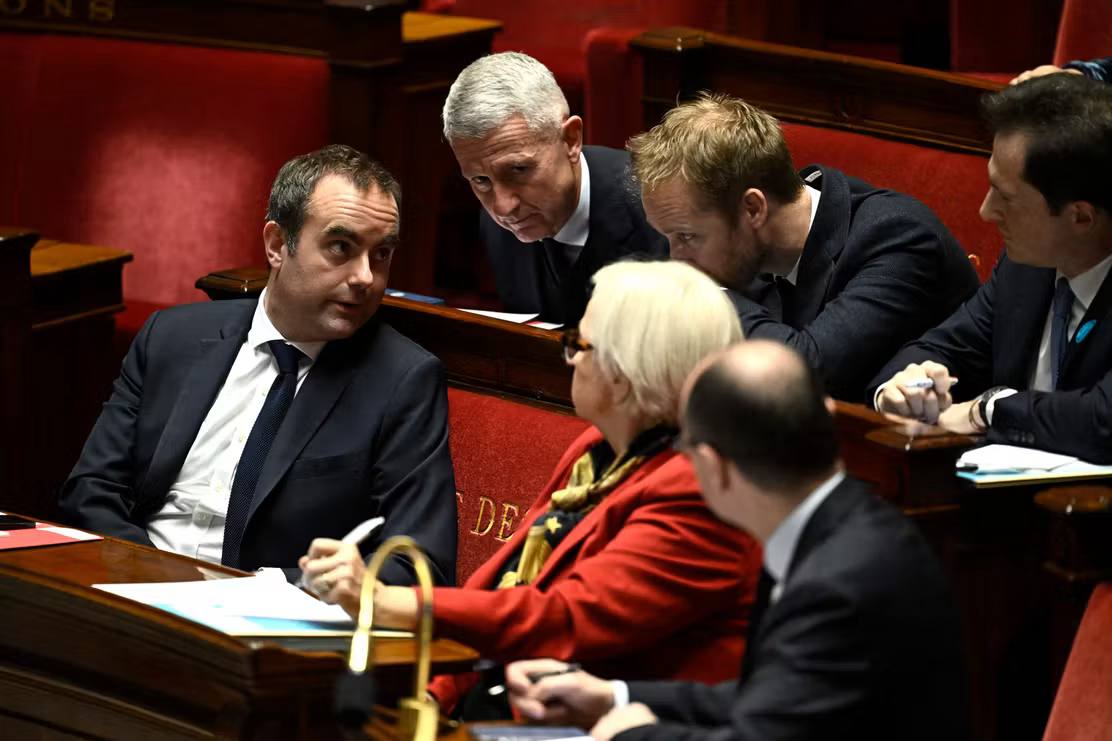
The far-right and communists do not share the position of the president’s party. In their opinion, the threat is exaggerated, and there is no need for additional defense solutions. Green parties, in turn, insist on prioritizing economic issues and social security for the population. This indicates polarization of views and the lack of a unified vision for the country’s development, which in the future may destabilize the political situation.
The lack of unity is not only seen among politicians but also among their voters, whose views align with one party or another. This is confirmed by the latest IFOP polls, which show that 62% of French people consider Russia to be a hostile country. At the same time, these figures vary significantly depending on party affiliation: from 88% among PS supporters to about 51% among voters of radical parties. In addition, 58% of French people believe that the Russian-Ukrainian conflict could escalate into new clashes with other states.
Two theses coexist in society: the need to support Ukraine and strengthen national defense, and at the same time the desire for economic stability and reduced inflation. This duality is reinforced by party vision, which can cause significant polarization in public views and fatigue from the flow of information.
The country’s leaders face a difficult task: to implement a strategic vision for the state’s development while maintaining the support of voters, particularly on the political flanks.
Conclusion
As a result, the war in Ukraine has moved from a foreign policy challenge to an internal issue for every European state.
A pro-Ukrainian stance can strengthen candidates’ positions in elections, become part of a collective defense strategy, or cause discussions about the use of state budgets.
In any case, European society is oscillating between the desire to solve its own everyday problems and the gradual awareness of the threat that has already reached Europe’s borders.
Oleksandra Babich