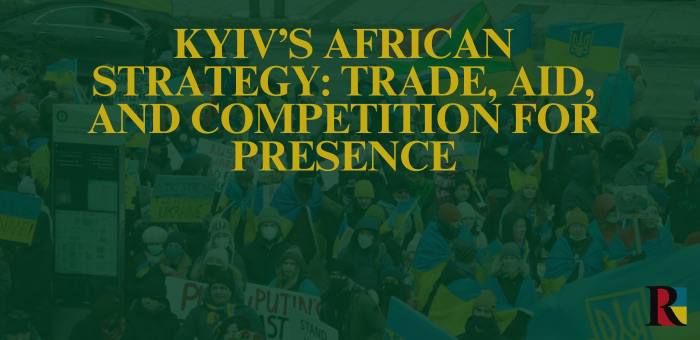


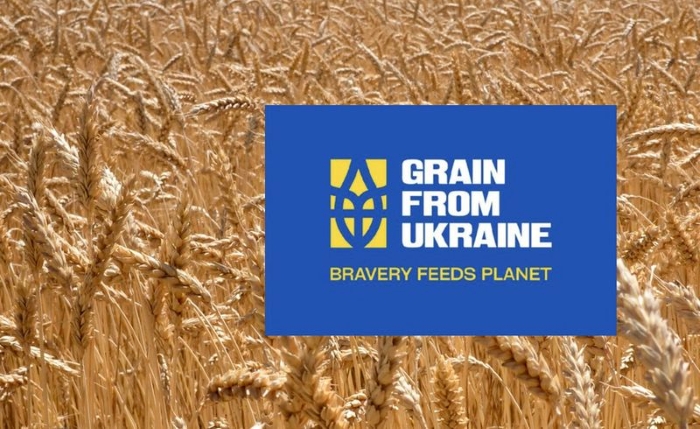
Despite strong Russian influence in the region, Ukraine is striving to strengthen diplomatic ties with varying degrees of success. Over the past four years, Kyiv has significantly intensified its engagement with African countries, aiming to build an equal dialogue based on partnership rather than dependence. Through the Grain from Ukraine initiative, the country has provided humanitarian aid and grain supplies to 18 countries and now stated about plans to expand the program to reach even more African states.
Strategy and Agreements
For a long time, African countries were not a key diplomatic focus for Ukraine, although regular grain supplies were maintained until the Russian blockade disrupted them. This led to a renewed focus on logistics and information campaigns emphasizing crisis resilience. According to the Atlantic Council, before the full-scale invasion, Ukraine and Russia together supplied around 50%—and in some countries up to 70%—of Africa’s grain imports, with Ukraine surpassing Russia by 2.2 million tonnes in 2022. That same year, President Volodymyr Zelenskyy announced plans to strengthen Ukraine’s presence across the continent.
The topic of partnership with Ukraine was also among the discussions during EU-South Africa summit in spring 2025.
In March 2025, Ukraine and Côte d’Ivoire agreed to deepen trade and economic cooperation, focusing on infrastructure, agriculture, exports and imports, education, and labour.
Ukraine also proposed establishing a joint hub for fertilizer production and transportation to serve the African region, alongside agreements on energy collaboration and joint agricultural projects.
Fight for Presence
Ukraine’s eighth embassy in Africa opened in summer 2025 in Mauritania’s capital, Nouakchott. Kyiv also offered to train Mauritanian soldiers, as the country borders Mali — a state backed by Moscow. Meanwhile, Mali and Niger severed diplomatic relations with Ukraine due to the presence of Wagner mercenaries supporting their governments against insurgencies.
Russia has also been supplying grain to Africa, including stolen Ukrainian grain. Its strategy is clear: destabilize the region and then offer “assistance”, as seen in Mali, Niger, and Burkina Faso. In Sudan, for example, the ongoing food crisis has been exacerbated by the 2024 conflict involving the Wagner-linked Rapid Reaction Force — and notably, Russia has provided no aid there.
Conclusion
Today, Ukraine views African countries not merely as export destinations but as partners for broader cooperation in agriculture, technology, and education. African votes matter in the UN, and the continent represents a promising niche for Ukraine’s foreign policy. Although many agreements are still pending implementation, Kyiv continues to advance new initiatives. Moreover, Africa’s energy potential offers an alternative to Russian oil and gas on the global market, making it an increasingly strategic direction for Ukraine’s global engagement.
Daria Maslienkova