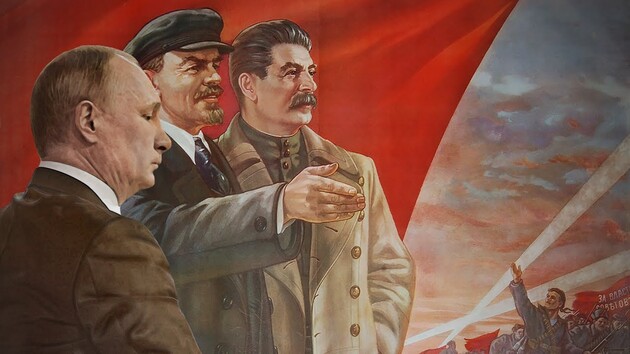


Russia’s full-scale war against Ukraine is increasingly seen in Europe as a manifestation of the Kremlin’s deeper and long-term policy. It is not just about the desire to break Ukraine’s statehood, but about the desire to revise the results of the collapse of the Soviet Union and regain control over the space that Moscow lost after 1991. That is why more and more politicians and experts are talking about the revanchist nature of Vladimir Putin’s course.
The Kremlin’s imperial vision
The ideological foundations of this policy were formulated by Putin himself long before the current war. Back in 2005, he publicly stated:
“The collapse of the Soviet Union was the greatest geopolitical catastrophe of the 20th century. Millions of our fellow citizens and compatriots found themselves outside Russian territory, and the state itself lost its historically established positions.”
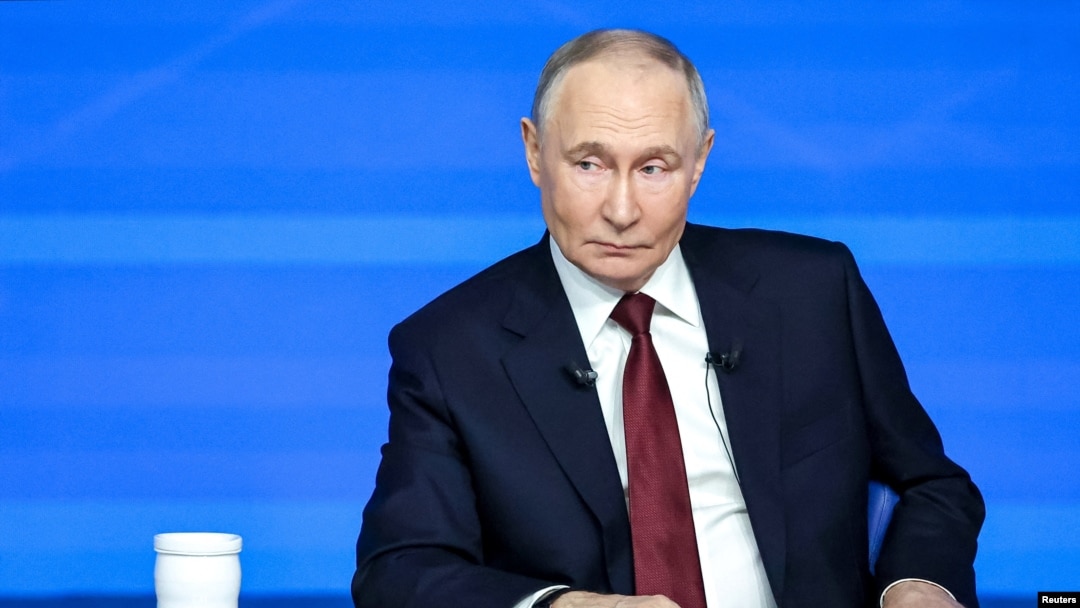
Since then, this assessment has become not just a historical judgment, but a guideline for action. The Kremlin increasingly appeals to the concepts of “historic lands” and “single space,” effectively denying the right of neighboring states to full sovereignty.
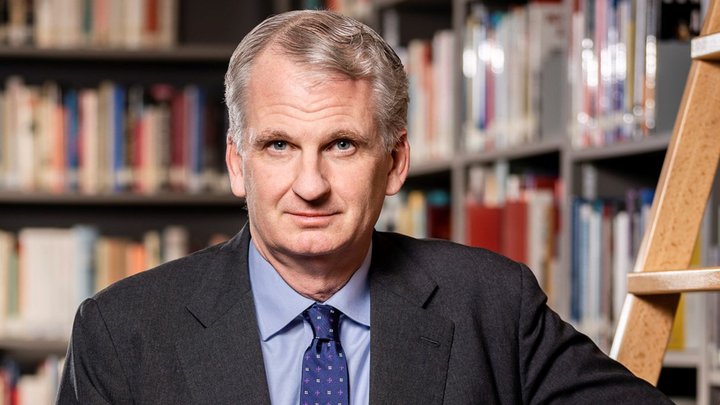
American historian Timothy Snyder summarizes this logic as follows:
“Putin thinks in terms of empire. In this coordinate system, the sovereignty of Ukraine, the Baltic states, or other post-Soviet countries is not perceived as final and legitimate. In his view, this is merely a consequence of Russia’s weakness in the 1990s, a temporary state of affairs that can and must be changed when the opportunity arises.”
Ukraine as a key target
Ukraine occupies a central place in this coordinate system. Without control over it, Russia’s project to restore its imperial influence loses its strategic meaning. That is why the war against Ukraine is so large-scale and brutal.
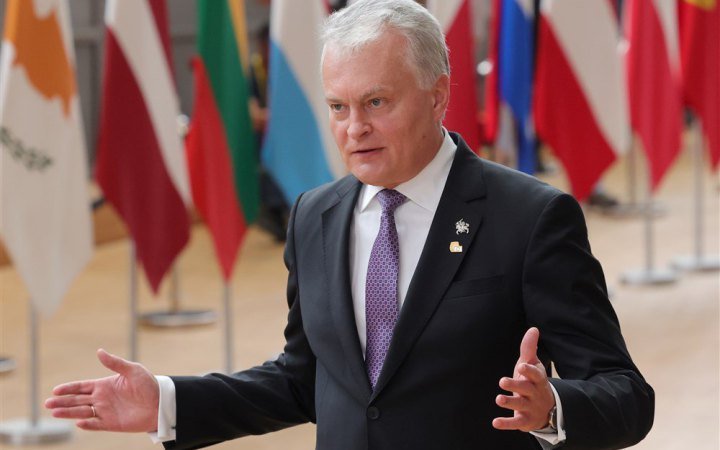
Lithuanian President Gitanas Nausėda has repeatedly emphasized that this aggression is not limited to Ukraine:
“This war is not just a conflict between Russia and Ukraine. It is a war against the principle that every state has the right to determine its own future. Ukraine is not Putin’s ultimate goal. If the aggressor is not stopped, he will continue to test Europe’s strength, looking for where resistance will be weakest.”
This view is shared in Poland, a country with its own historical experience of confronting Moscow’s imperial policy.
Pressure on Europe beyond the front lines
At the same time, the Kremlin is not only using military methods. Hybrid instruments—disinformation, cyberattacks, political influence, and energy blackmail—have become an important part of this strategy. The goal of such actions is to weaken European societies, sow doubt, and reduce their willingness to respond collectively.
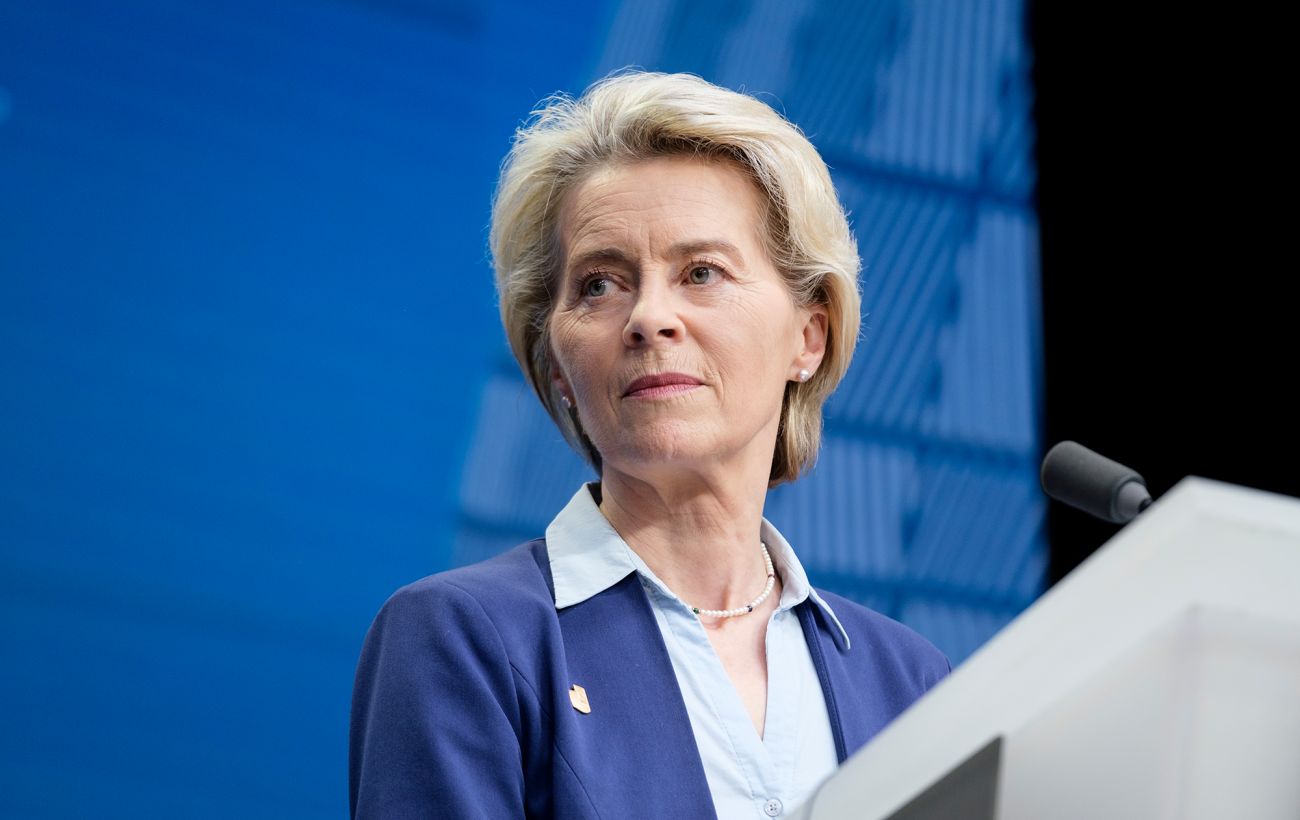
European Commission President Ursula von der Leyen directly described this approach, stating:
“We see a clear pattern: Russia has used gas and oil as a tool of pressure for years. It has created dependency in order to blackmail states and dictate political decisions at the right moment. Therefore, for the Kremlin, energy is not a business, but a geopolitical weapon.”
In this way, Russia is trying to regain influence not through direct territorial conquest, but through dependency and fear.
NATO and the limits of deterrence
Although a direct attack on NATO countries is currently considered unlikely, there is constant talk in Eastern Europe about the threat of provocations. Russia is testing the unity of the Alliance by acting in the so-called “gray zone,” where it is difficult to quickly apply collective defense mechanisms.
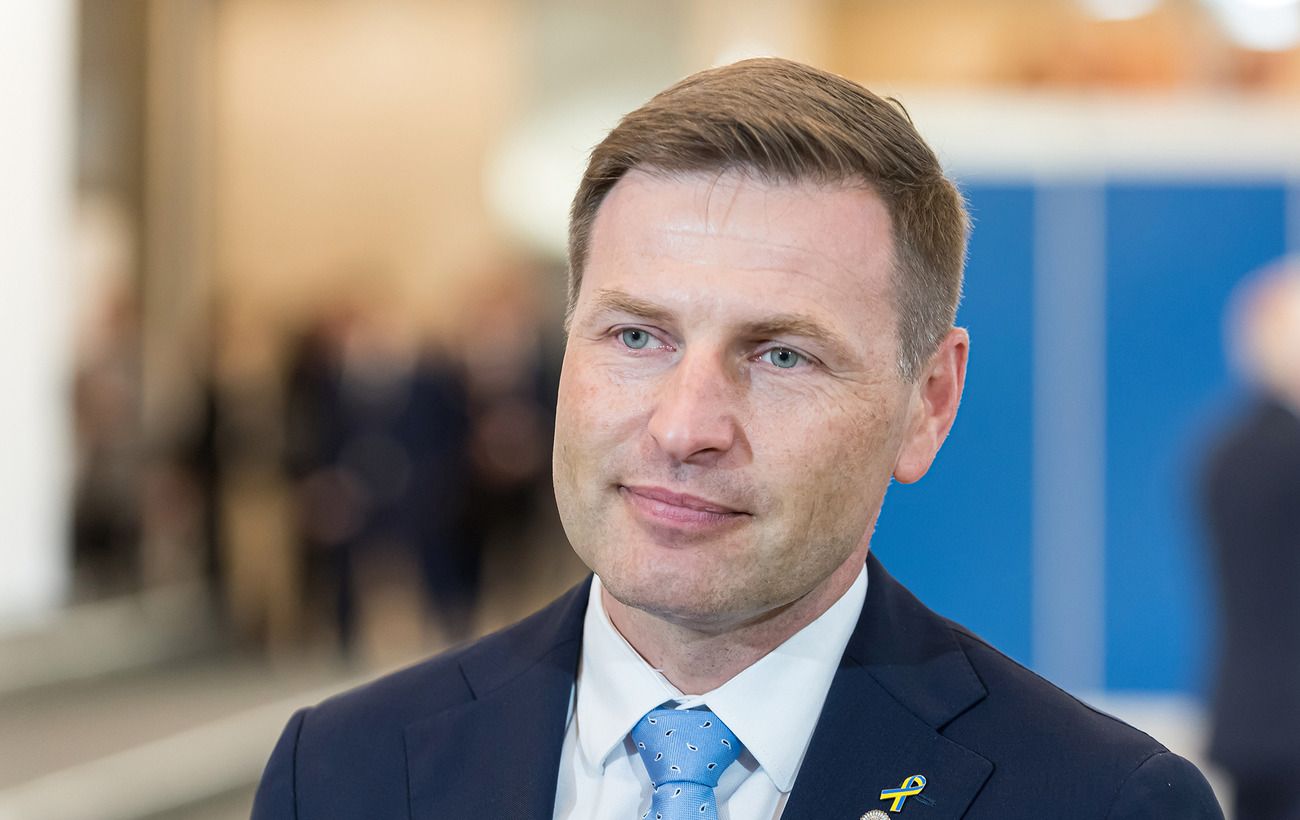
Estonian Defense Minister Hanno Pevkur described this tactic simply:
“Russia is not acting chaotically. It is testing our reaction step by step: what will happen if it goes a little further, if it breaks the rules a little more roughly. It is a constant test of whether NATO is really ready to defend every centimeter of its territory.”
Ukraine as a barrier to revanchism
In this context, Ukraine’s role goes far beyond the national question. Its resistance is holding back the further spread of Russian revanchism to the west. That is why support for Kyiv is increasingly seen in Europe as an element of its own security.
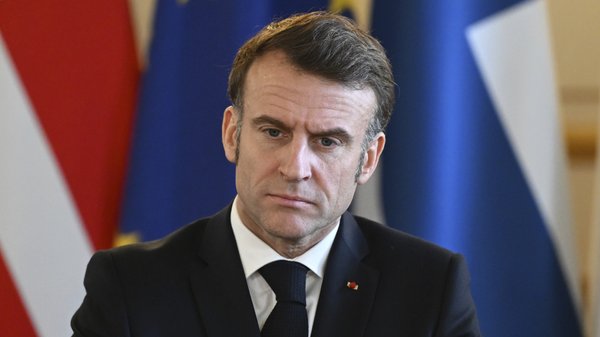
French President Emmanuel Macron put it this way:
“What is happening in Ukraine matters to every European. Ukraine is fighting today not only for its territory, but for a rules-based international order. If we allow borders to be changed by force, no country in Europe will feel safe.”
Conclusion
Vladimir Putin’s policy is increasingly clearly aimed at revising the borders and rules that emerged after the collapse of the USSR. The war against Ukraine, hybrid pressure on Europe, and attempts to restore spheres of influence are all part of the same strategy.
For Europe, this means realizing that the issue is not only about supporting Ukraine, but about defending the very principle of sovereignty and international order. History shows that imperial ambitions are only stopped when they are met with consistent and united resistance.