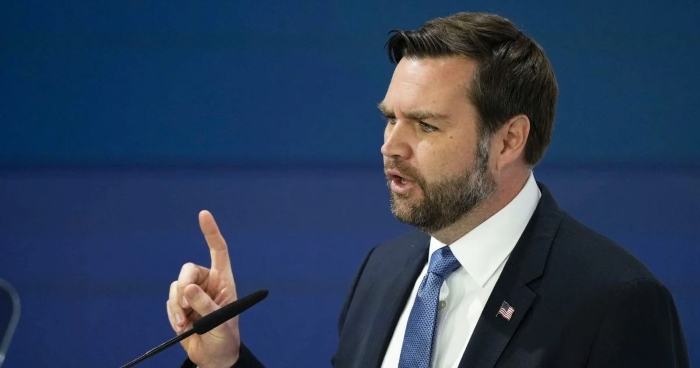


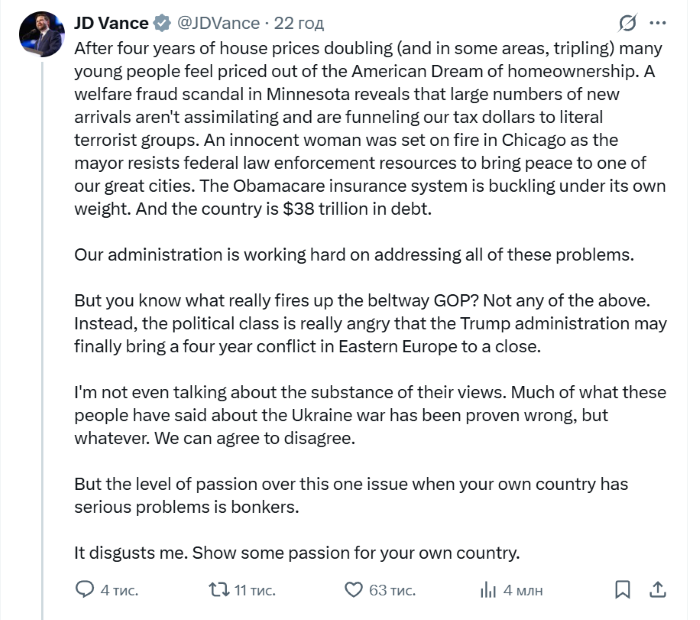
JD Vance has, from the beginning, pushed for stricter conditions on a peace plan. He also demands short deadlines for a peace deal. Now he accuses his Republican colleagues of ignoring U.S. domestic problems. He argues that they interfere with Trump’s attempts to “establish peace.” His wording is also telling: he calls the war a “conflict.”
Electoral Position
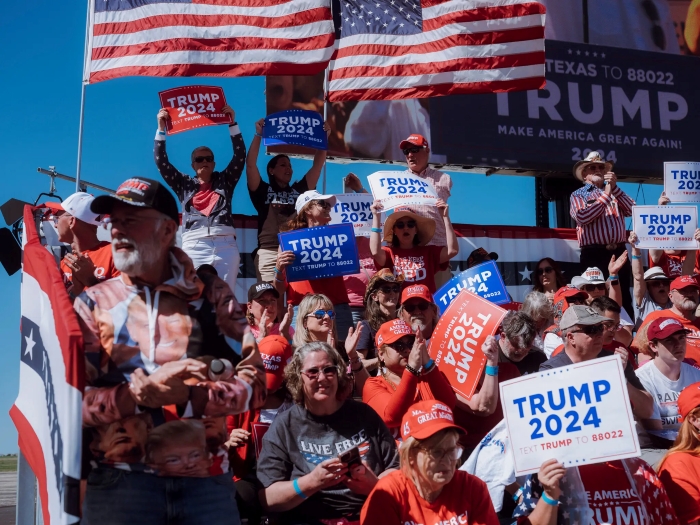
The Vandenberg Coalition published new polling on Russia’s war against Ukraine. Most Donald Trump voters blame Vladimir Putin for the collapse of ceasefire talks.
Only 16% of respondents believe that Ukraine should give up territory to end the war. At the same time, 46% support Ukraine’s position, and 39% remain neutral or undecided. Among voters dissatisfied with the White House’s progress on Trump’s promise to “work to end the war,” 46% say that a tougher approach toward Russia—through sanctions, tariffs, or other pressure—would increase their support for the president’s policy. A majority also believes that Putin must face justice for war crimes.
In addition, 76% support sanctions on Russian energy exports. These measures also benefit the U.S., because they expand the United States’ opportunities on the global energy market.
Split Within the Republican Party
Several prominent Republicans openly criticize the initial version of the peace plan.
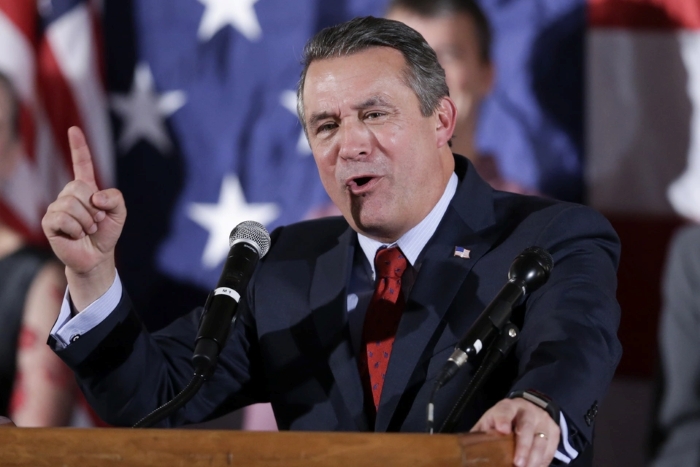
Don Bacon, a member of the U.S. House of Representatives, says that many Republicans still see themselves as Reaganites. They reject any form of softness toward Russia and oppose attempts to abandon Ukraine, which continues to fight for its freedom. Bacon argues that the 28-point plan looks like a surrender and calls it “disgusting.” He adds that Republicans do not want Trump compared to Neville Chamberlain.
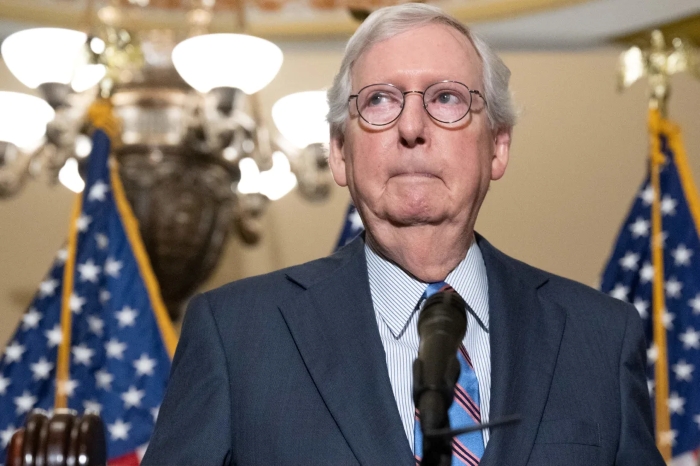
Senator Mitch McConnell, one of the most influential Republicans, points to data from the Vandenberg Coalition. He says that the “price of peace” matters to Americans. The demand that Ukraine cede territory remains a fringe idea even among Trump voters (16%). McConnell notes that sanctions on Russia and continued support for Ukraine gain far broader approval. He stresses that any deal that rewards aggression has no value. He also says that the United States is not—and should not be—a neutral arbiter.
Conclusion
Murder of Ukrainians were indirectly compared to high housing prices. Even a pragmatic view shows the danger of destabilizing a major European economy with strong agricultural and industrial potential. Such instability would also harm the United States, because its economy is closely tied to Europe.
At the same time, it is encouraging that many responsible U.S. citizens—even among Trump voters—support Ukraine’s territorial integrity. This means that Trump, while trying to impress voters with a quick peace plan, in reality acts against the opinion of many of them.
A Trump–Zelenskyy meeting would strongly influence the future peace proposal. However, Russia will most likely reject any acceptable offer.