

According to U.S. intelligence, Iran’s regime is not facing an imminent collapse. The country’s clerical leadership remains united, while Kurdish groups are considered too weak to challenge the government.
The state of Iran’s leadership
Iran’s leadership is not currently under serious threat despite the start of U.S. and Israeli attacks. Reuters reported that, citing sources familiar with the intelligence assessments.
As political pressure grows in the United States due to rising oil prices, U.S. President Donald Trump hinted that the largest American military operation since 2003 could end soon. However, intelligence reports stress that Iran’s clerical leadership remains cohesive. The country’s ruling elite is firmly entrenched.
During closed-door discussions, senior Israeli officials also acknowledged that there is no guarantee the war will lead to the collapse of Iran’s clerical government. Israeli and U.S. strikes killed not only Iran’s supreme leader Ali Khamenei. There were also dozens of other officials and commanders among dead, including leaders of the Islamic Revolutionary Guard Corps.
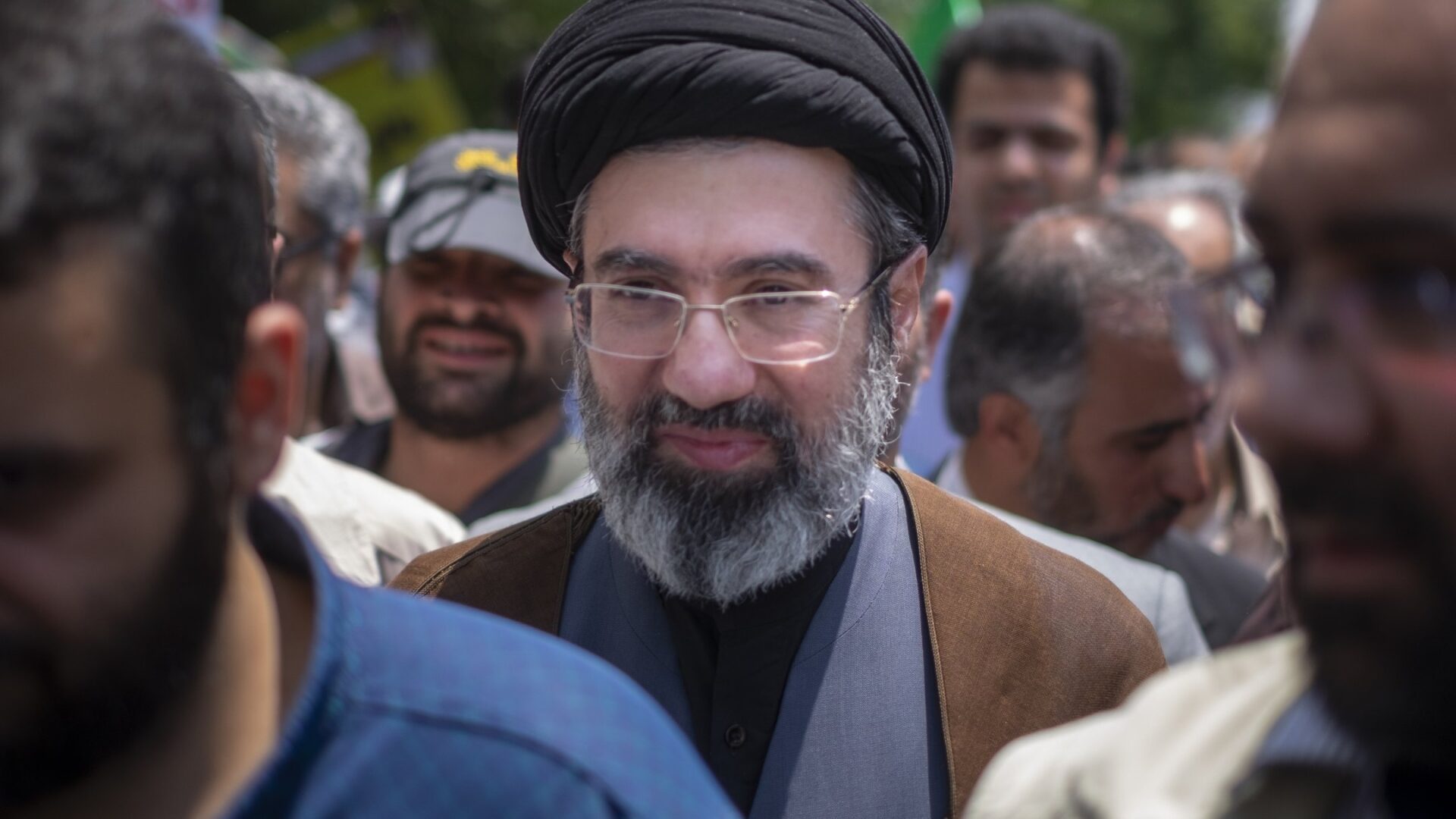
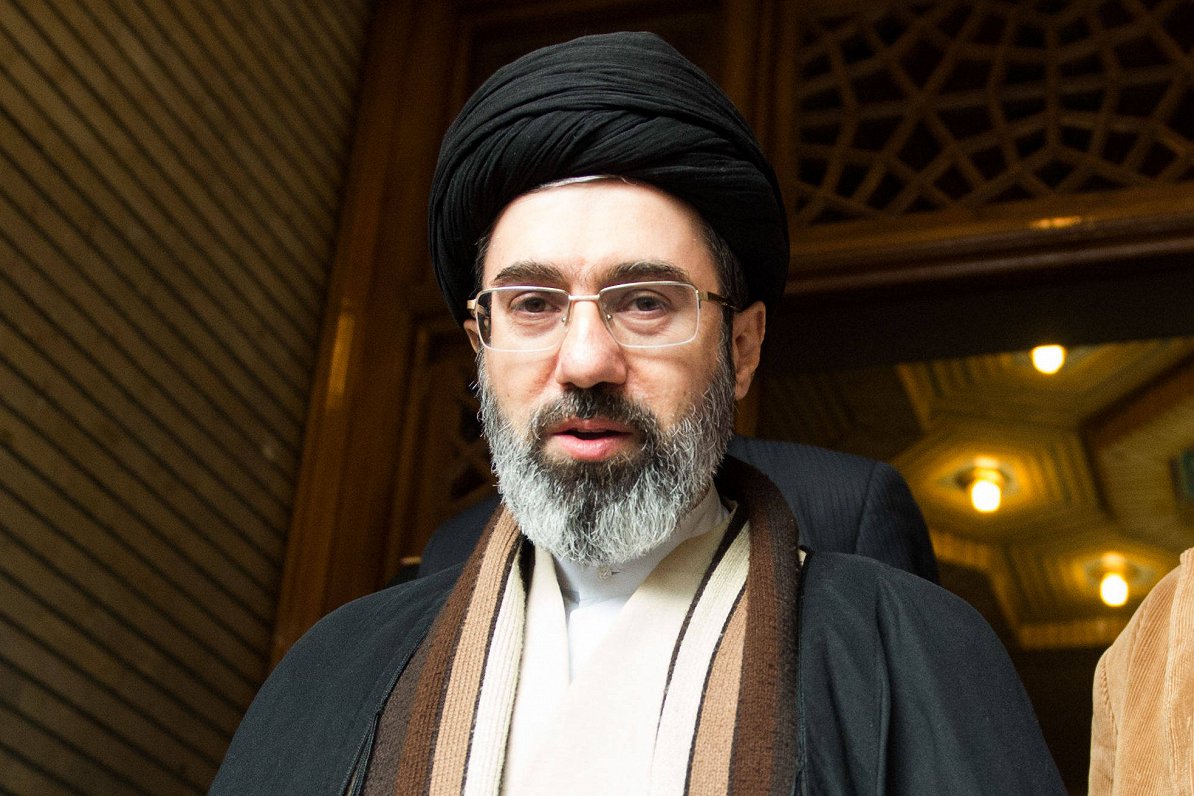
Despite these losses, U.S. intelligence believes that the IRGC and the interim leadership that took power after Khamenei’s death continue to maintain control over the country. Earlier this week, Iran proclaimed a new supreme leader: Mojtaba Khamenei, the son of the late Ali Khamenei.
According to Reuters sources, Israel has no intention of allowing any remnants of the former government to remain intact. Still, it remains unclear how the current U.S.–Israeli military campaign could overthrow Iran’s government. Sources suggest that such an outcome would likely require a ground offensive, which could allow Iranians to protest safely in the streets. The Trump administration has not ruled out the possibility of deploying American troops to Iran.
Kurdish groups considered too weak
Separately, U.S. intelligence doubts that Iranian Kurdish groups are capable of effectively fighting Iran’s security forces. Kurdish militias based in neighboring Iraq have consulted with the United States about the possibility of attacking Iranian forces in western Iran.
Abdullah Mohtadi, leader of the Komala Party of Iranian Kurdistan, said that “tens of thousands of young people are ready to take up arms” if they receive support from the United States. According to Mohtadi, units of the Islamic Revolutionary Guard Corps and other security forces have abandoned some bases and barracks out of fear of U.S. and Israeli strikes. He said he sees signs of weakness in Kurdish areas.
However, U.S. intelligence assessments indicate that Kurdish groups lack both the manpower and the firepower to pose a serious challenge to Iran’s security structures. Trump has also ruled out the possibility of Iranian Kurdish groups launching an invasion of Iran.
Earlier, The Ukrainian Review reported that the first week of the U.S. military operation against Iran cost the American budget about $6 billion, with most of the expenses going toward ammunition for air defense systems.