

Inventing something new – such a task for a person has become the main way to secure their needs in the world of real things. And yet, the very act of invention is often a creative feat, not appreciated by contemporaries. And certainly, the inventor who performs a series of such feats is a hero of all time. Seven heroes, whose fates are symbolic we present to you below.
Heroes of the creative class
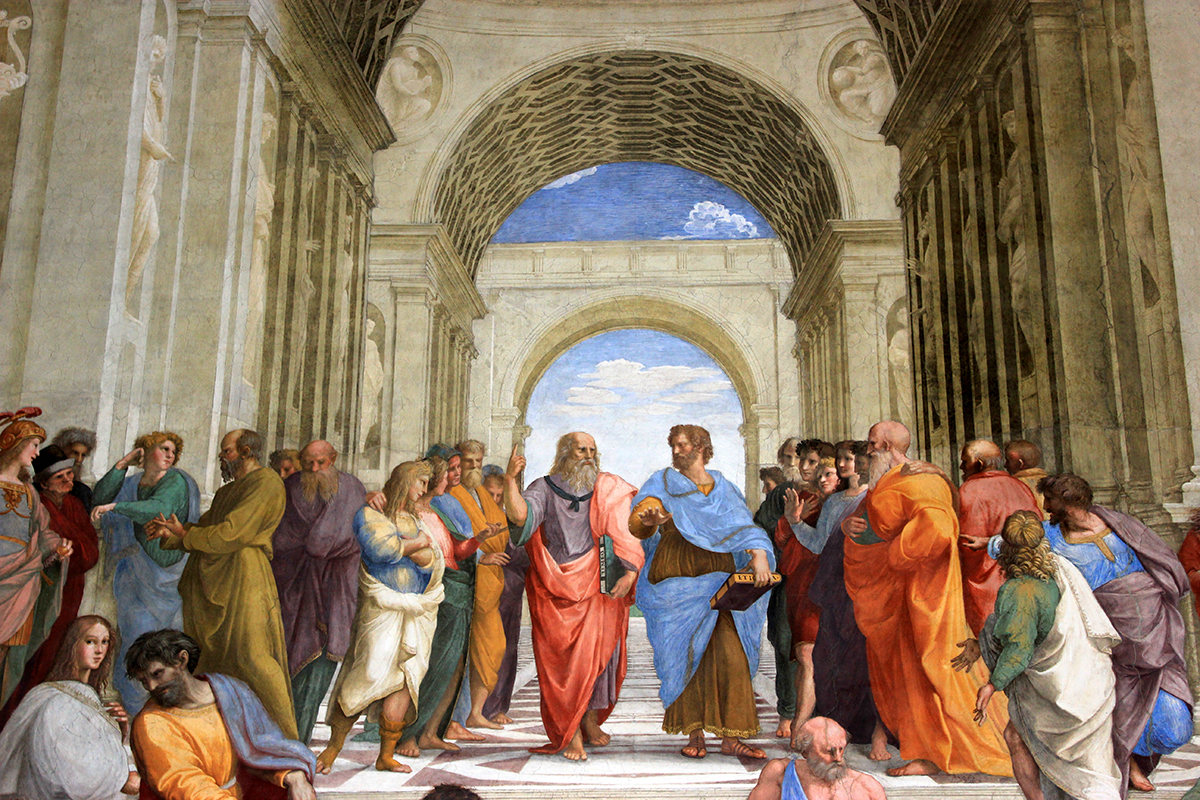
People have thought about going beyond the limits of the possible – and what, if not such a way out is each of the inventions – people have thought about since ancient times, and each of such ways out already in the darkness of gray millennia received authorship. The ancient Greeks called Prometheus the mythical patron of all inventions, who gave mankind fire as a symbolic first invention. The Old Testament, on the other hand, identified man’s striving for knowledge as almost the main reason for the fall of Adam and Eve. Therefore, the creative class balances the ethical border between the world of what is desirable and what is forbidden. The first representative of this class, who made an intellectual breakthrough and was not appreciated by his fellow citizens on the territory of Ukraine, was…
Anacharsis is a native of Scythia
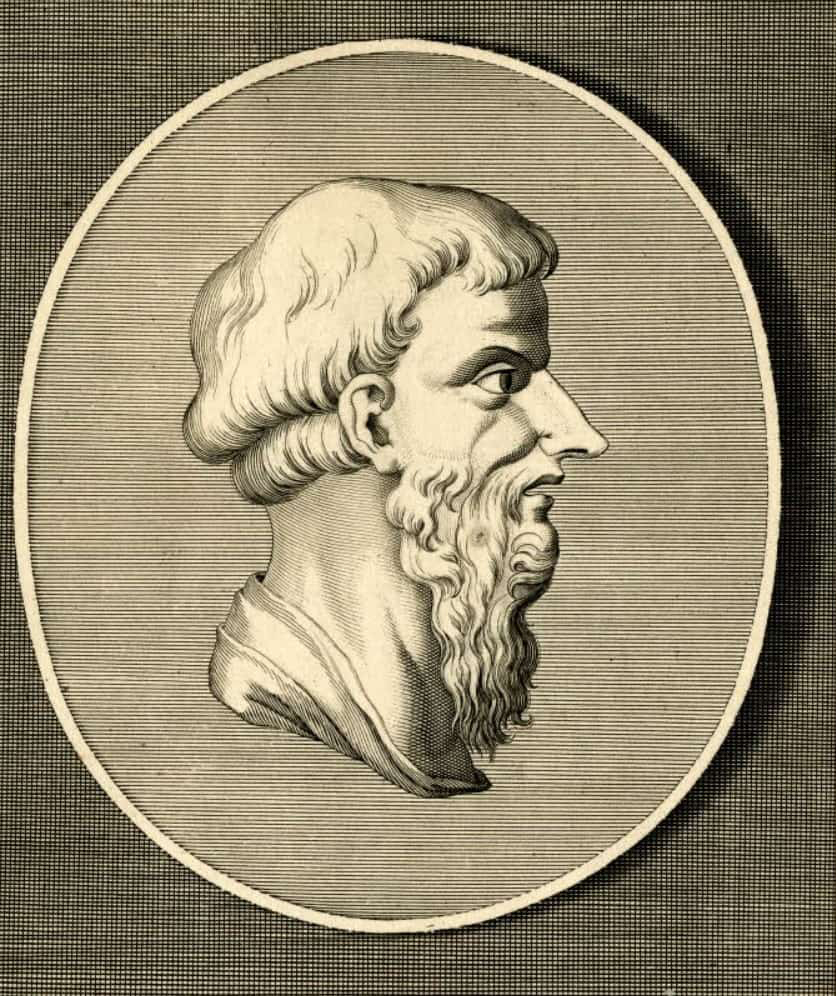
Ancient thinkers classified him as one of the seven most famous sages. According to legend, he was of the royal family and belonged to the relatives of the Persian conqueror Idanfirs. Herodotus stated that “he died because he wanted to introduce Hellenic customs and communicated with foreigners” – an eloquent epitaph of the first of the famous Ukrainian inventors. Such is the fate of prominent representatives of the creative class in Ukrainian lands and throughout the world – to be an unrecognised prophet during his lifetime, prosecuted for violating modern norms and customs. Deviant behaviour – i.e. non-normative, deviated from custom – already then became a sign of the inventor.
According to the Greeks, Anacharsis was the author of several inventions that forever changed humanity. These are blacksmith’s bellows – that is, it was associated with metallurgy and the birth of iron. This is a two-pronged anchor – that is, it helped sailors. And finally, this is an improved potter’s wheel. The scale of such inventions is immeasurable in their impact on civilization – and we are not interested here in the reality of their authorship – certainly, during the legendary life of Anacharsis, all these inventions already existed. No, we are interested in the fact that such important Greek inventions were attributed to a barbarian – a Scythian. The symbolic inclusion of Anacharsis in the circle of the Seven Wise Men of the ancient world, emphasises the belonging of the natives of Ukrainian lands to the origins of European civilization.
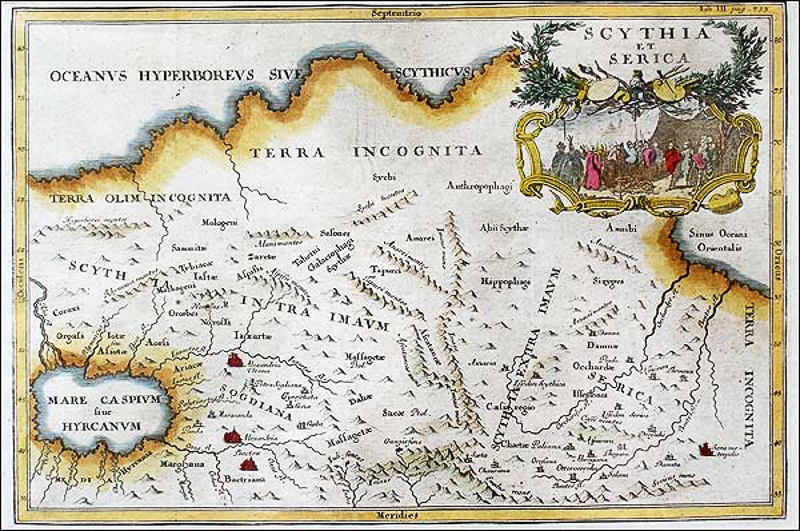
The fate of the great Scythian sage highlights the main problem of the invention in Ukraine – the thorny path to public recognition goes through overseas worlds and runs into the obstacles of the conservative opposition in the Motherland. There is, however, an important exception, which concerns inventions of the obvious, which are preferred here and now. It is mainly a technical advantage over the opponent in a military confrontation. The Middle Ages gave us an example of several such military Ukrainian inventors, but they too had the reputation of people not of this world. A typical inventor of the Middle Ages:
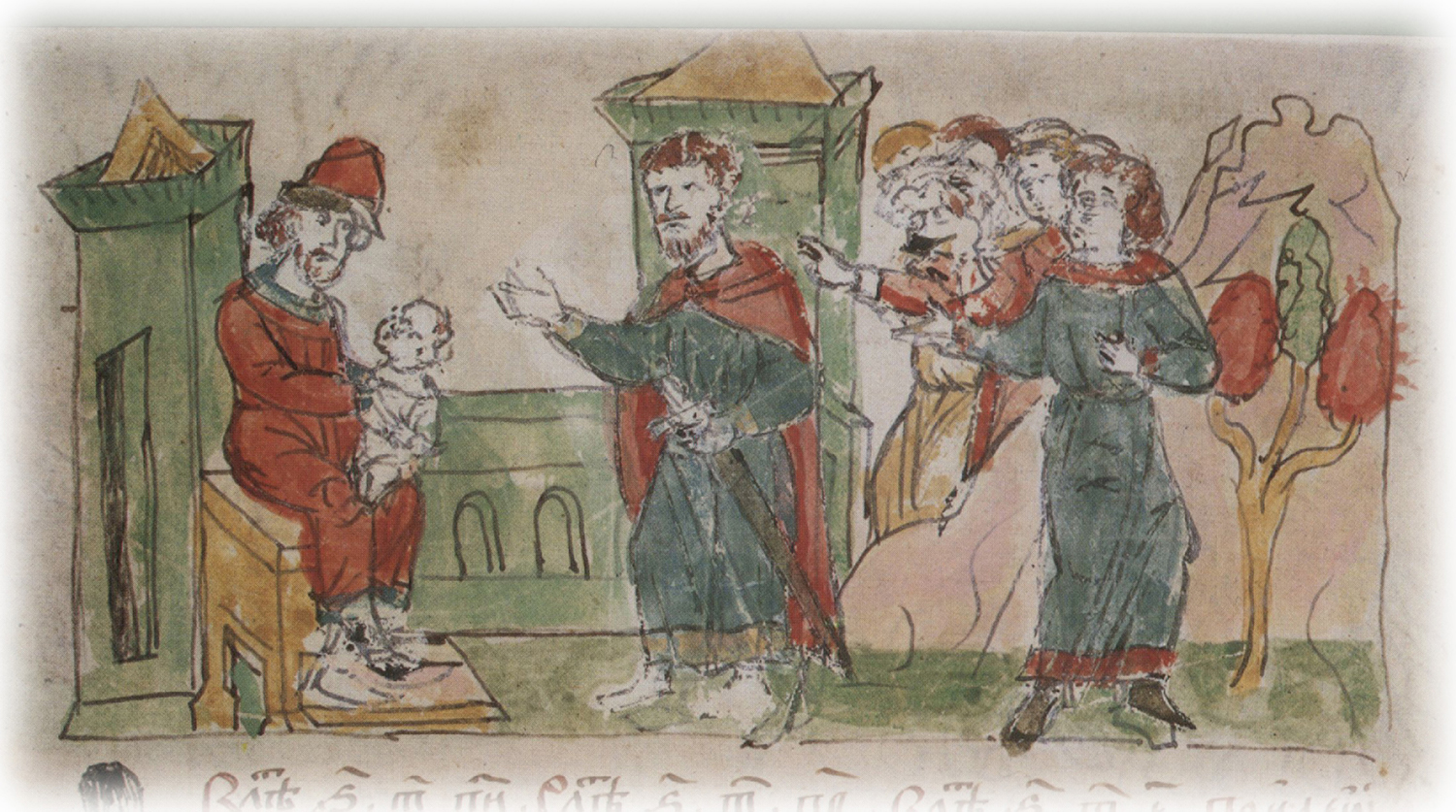
Oleg the Wise is a native of Varangian
To put the boats of his fleet on wheels and thus force the most powerful army in the world to surrender is the most famous episode from the biography of the Kyiv prince Oleg the Wise. And yet his whole life is a competition with the appointed, what is not the fate of the average Ukrainian inventor? The desire to outwit time, to bypass the limits of what is allowed. What is important here is what the mediaeval chroniclers determined – creativity is welcome in the military field, but if you are trying to compete with the forces of heaven – expect retribution. A guy from Halychyna solved this case of Oleg the Wise and became the first Ukrainian inventor of the modern era:
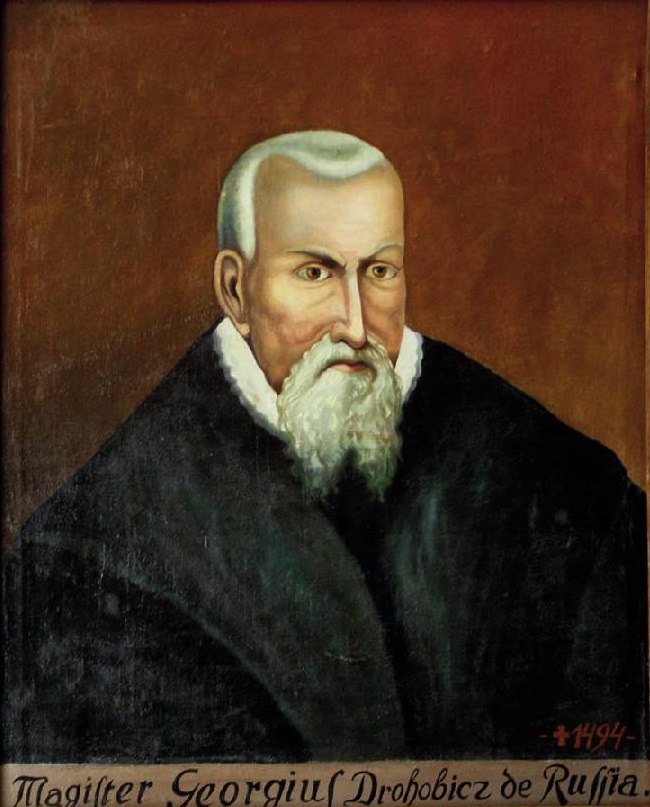
Yuri Drohobych or Yuriy Kotermak
Unlike Anacharsis and Oleg the Wise, Yuriy Kotermak is the first truly real historical figure among inventors from Ukrainian lands. Yuriy revealed the future to the world – the first two printed books of this Ukrainian author are devoted to prognostic calculations for the coming years. A new type of scientist is the first step into the world of modernity. It was people like Yuriy from Drohobych who succeeded in overturning public perceptions of the world around them. It is not for nothing that he is considered one of the teachers of Nicolaus Copernicus. Since the Renaissance, we cannot imagine an inventor who did not receive an education and did not teach at the University. It was the system of higher education that not only managed to create an atmosphere of acquiring knowledge but also an environment of its generation. The heyday of the university system in Ukraine fell in the long 19th century when classical institutions of higher education appeared like mushrooms in our lands. In their laboratories, the creative class began to create Modernity. One of them was:
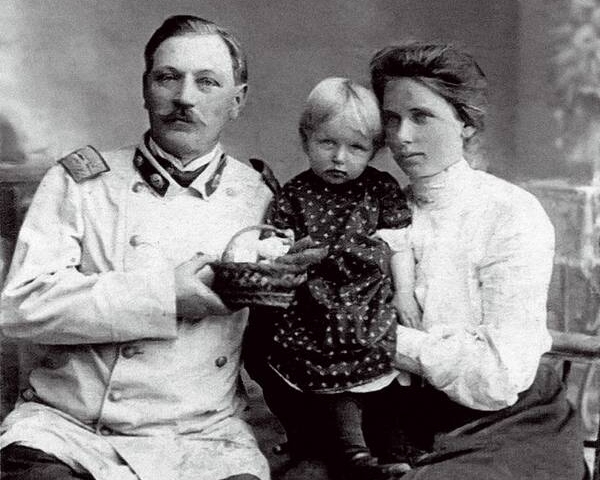
Yosyp Tymchenko from Slobozhanshchyna
He was the son of a serf who, like his predecessors, felt the strength to defy his destiny and became a mechanic at the university workshop in Odesa. According to legend, he ended up in Odesa because he was going to travel to overseas lands, inspired by the example of Mykola Myklouho-Maclay. Already in the Odesa workshop, Yosyp improved devices for many research laboratories and, together with university theoretical scientists, developed dozens of innovations and inventions. Two years before the Lumiere brothers, thanks to the optical experiments of Professor Lyubimov, he constructed a film camera on which he shot two short films at the Odesa racecourse.
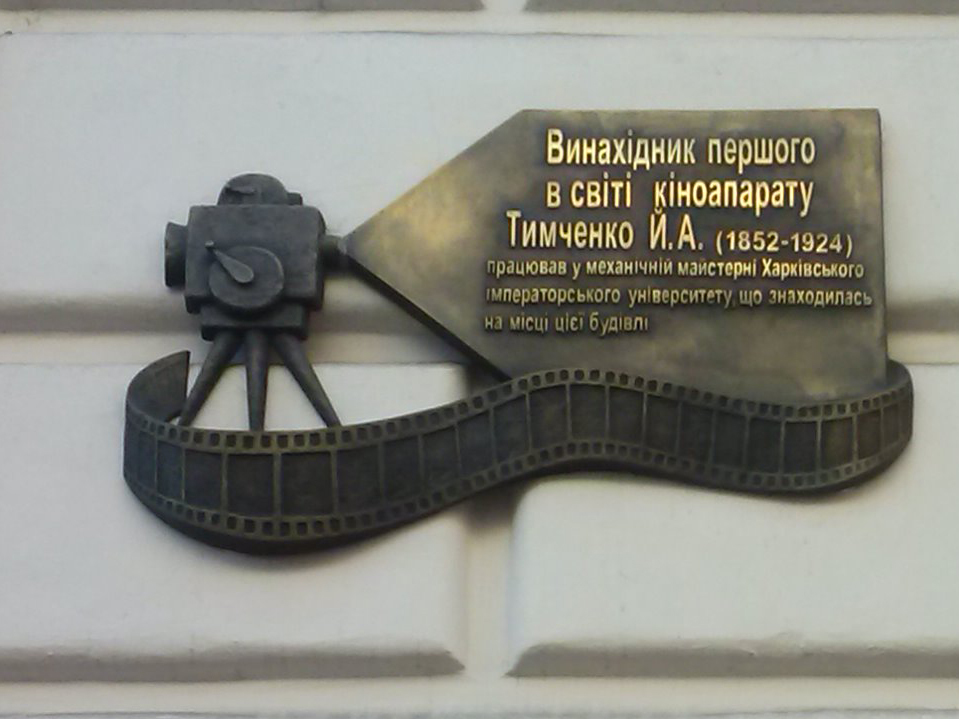
The fate of the Ukrainian inventor is telling – he built a workshop for the University at his own expense, and his greatest invention was “appreciated” on merit – sent to the Technical Museum. The time was coming when the introduction of inventions gave incredible economic advantages, but in the Russian Empire, they could not create decent conditions for such an introduction. Most of the Ukrainian design scientists worked abroad, such as:
Stefan Drzewiecki from Podillia
He was born in a family of landowners from Podillia and spent part of his life in Odesa on Maly Fontan [seaside resort area on the Odesa coast — ed.] in his own manor. He devoted his whole life to subjugating the water element – and finally realised the fantasies of Jules Verne. First, in 1878, he designed a bicycle-powered submarine, and in 1885, the world’s first electric-powered submarine. Ironically, the greatest achievements of Drzewiecki’s inventive activity fell during the Parisian period of his life. The creative environment and established connection between science and business of the French capital provided incredible advantages. It is characteristic that Ukrainian biologists realised themselves there – Nobel laureate Ilya Mechnikov in particular. Like his student, the winner of cholera and plague:
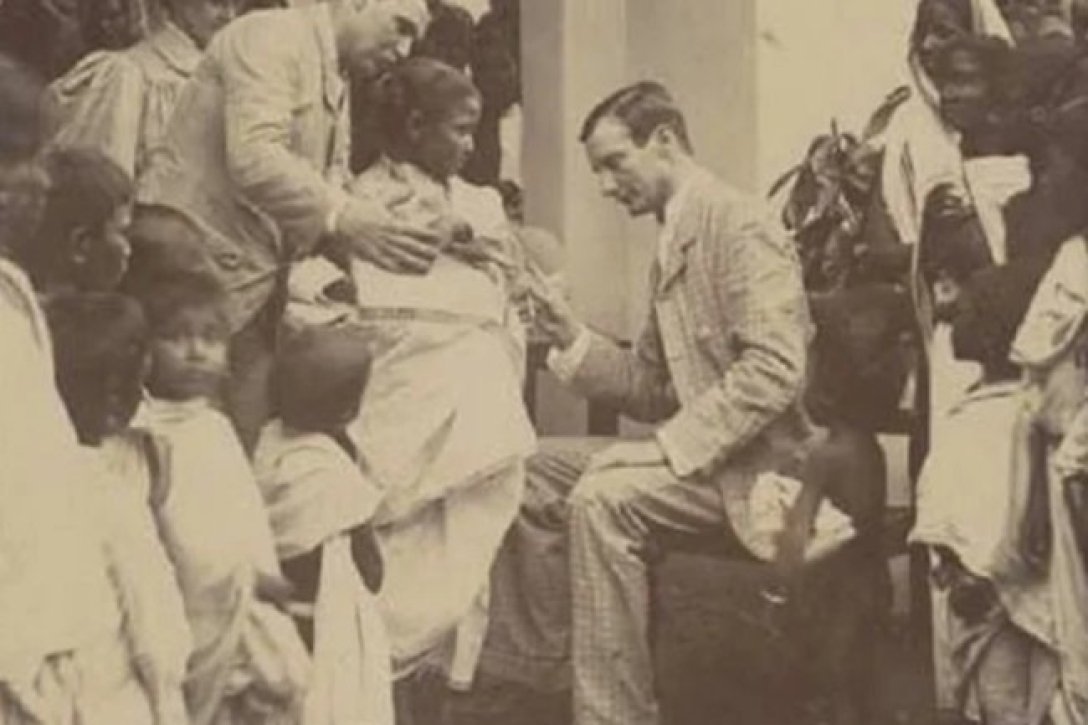
Volodymyr Khavkin from Odesa
The fate of a scientist in Ukraine in the second half of the 19th century is not only an inventive feat. Often it is also a challenge to the political system. As a student, Waldemar Mordechai Wolff Haffkine took part in the activities of an anti-government organisation and was expelled from the University. University freedoms, which since the Middle Ages had guaranteed teachers and students protection from the pressure of secular and spiritual authorities, were severely restricted in the Russian Empire. World-renowned scientists could not work in this prison suffocation of the empire – Volodymyr followed his teacher to the laboratory in Paris, where a constellation of outstanding epidemiologists had gathered. It was in such an atmosphere that the genius of the young scientist was revealed and, multiplied by self-sacrifice and the feat of painstaking laboratory work, gave effect – the world’s first vaccines against the two most famous epidemic diseases in history – plague and cholera – were developed. A breakthrough in medicine, synchronous with the inventions of Volodymyr Khavkin, we owe to another Ukrainian scientist:
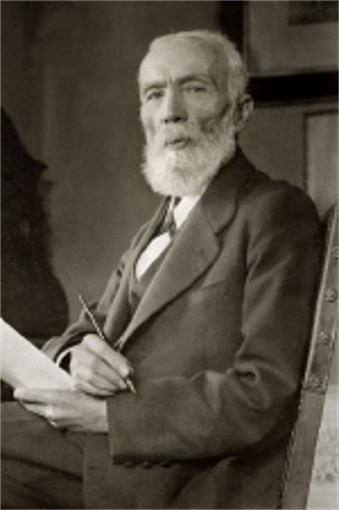
Ivan Puluj from Halychyna
It was not easy to combine the freedom of scientific thought and the national identity of a Ukrainian in the 19th century. Ivan Puluj definitely succeeded in this – he not only preserved his Ukrainianness but also raised his children to be patriots. He studied in Lviv, Vienna, Strasbourg, and worked in Prague – and yet he noted: “There is no greater honour for an intelligent man than to protect his own and national honour and to work faithfully for the good of his people without reward in order to ensure a better fate for them.”
Ivan Puluj’s most famous scientific development is the cathode tube, thanks to which it was possible for the first time in the history of mankind to take an X-ray picture of the human body for medical purposes. Puluj himself called the X-rays recorded by scientists’ X-rays, although he has priority in the theoretical and practical developments of the medical use of rays.
Epilogue
It is impossible to imagine the world without Khavkin’s vaccines, Puluj’s rays, Drzewiecki’s submarines, and thousands of other inventions that were made by Ukrainian representatives of the creative class. You and I must remember that the heroes of inventive breakthroughs are nurtured by an atmosphere of free exchange of ideas, freedom of thought, and scientific experimental activity – all that makes Ukraine a modern country in the European sense.
Author: Volodymyr Pivtorak, historian.
Translated by Stanislav Kinka.
The article was prepared as part of a cycle of materials for the Independence Day of Ukraine.