

Time was divided for millions of Ukrainians into “before” and “after”. Until February 24, 2022, there was a peaceful life full of creativity and hope, after – forced migration, a threat to life and health, loss of property, and death of loved ones.
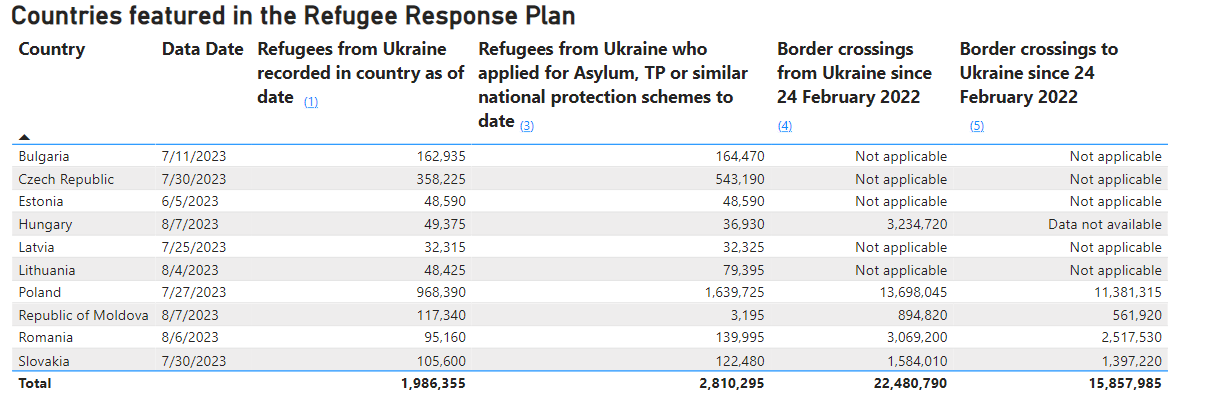
According to the UN as a result of heavy shelling and fighting, an estimated 5.1 million people have been driven from their homes and are internally displaced and more than 6.2 million people have crossed into neighboring countries in the region including Poland, Hungary, Moldova, or other countries globally. Poland has welcomed the greatest number of Ukrainian refugees, hosting nearly 60 percent of all refugees from Ukraine. Overall Approximately 17.6 million people are in need of humanitarian assistance in 2023.
The map that is up-to-date at the publication of the article shows that in August 2023, the largest number of refugees from Ukraine is in Germany.
According to official data from the Ministry of Social Policy, 4.9 million internally displaced persons are registered in Ukraine.
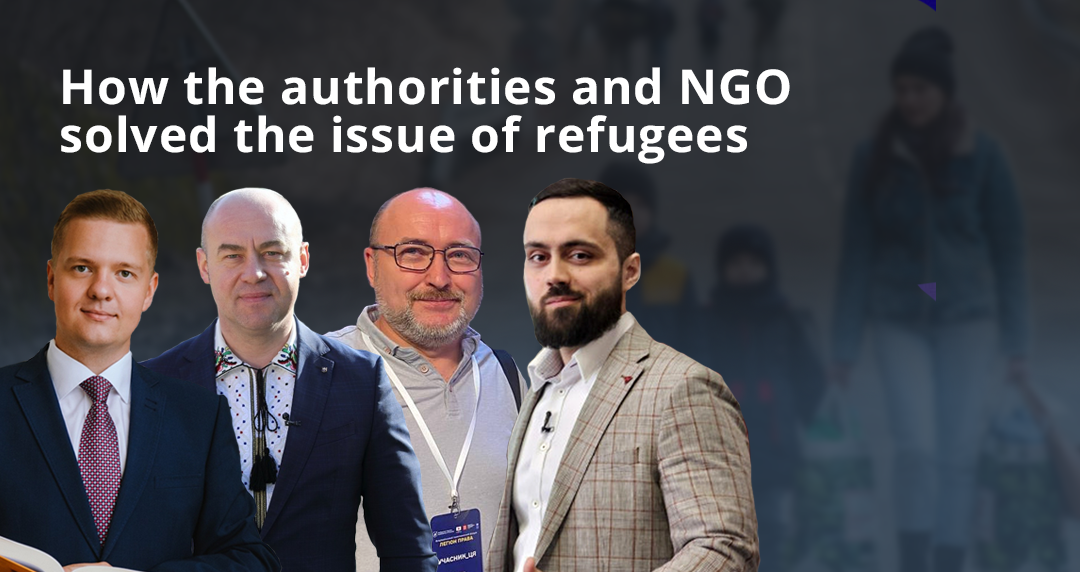
We decided to talk to government officials and NGOs to find out how they dealt with the challenge of a large number of refugees and internally displaced persons.
Oleksandr Yavtushenko, co-chairman of the Council for Internally Displaced Persons at the Darnytsia District State Administration in the city of Kyiv, secretary of the Council for Internally Displaced Persons in the Obolonsky District of Kyiv at the Obolonsky District State Administration in the City of Kyiv, Head of the Public Council Secretariat at the Ministry of Digital Transformation of Ukraine.
The first days after the large-scale invasion of the Russian Federation were very chaotic. Many people were in a panic, Kyiv was almost paralyzed and probably almost half of the population left the city in the first days. At the same time, active battles were fought in the north, south, and east of the country. People from these regions fled wherever they could, and even when Kyiv region was a very dangerous area, and Kyiv was under threat from the encirclement, people came to the capital and the region.
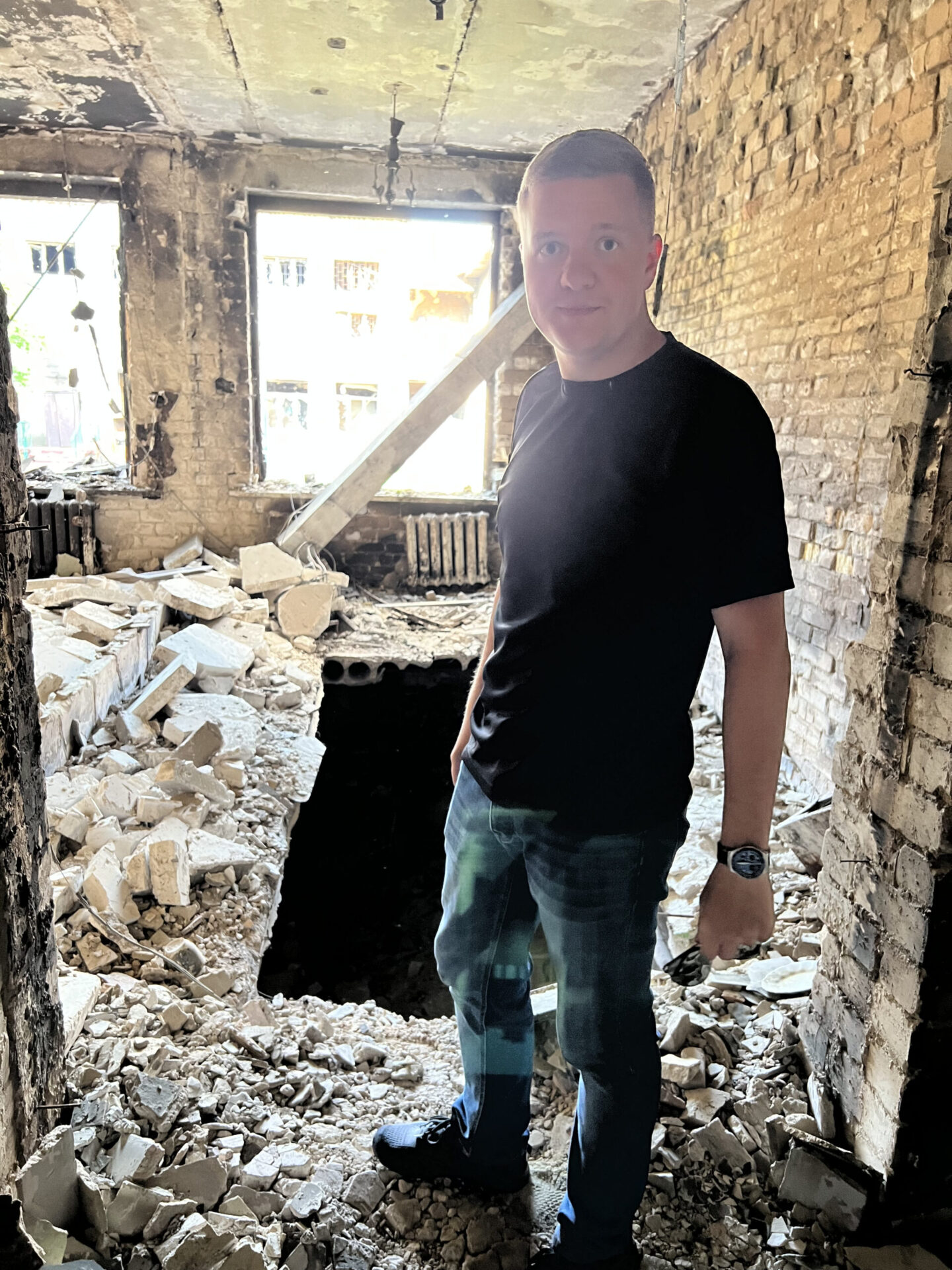
it is very difficult to give exact numbers, but in the first months after the invasion, several thousand people passed through us directly, and we provided legal aid and food kits to several tens of thousands more.
The first challenges were to house, warm, and feed people, almost immediately there was a need to provide them with means of personal hygiene, and for many even clothes. A separate problem was the issue of evacuating people from already occupied territories or territories that were semi-encircled. It was a very dangerous job, cars were often shot at, bridges were blown up and we had to abandon vehicles and go on foot. Through the heroic efforts of volunteers and the regional authorities, it was possible to conduct successful operations to evacuate entire families to the controlled territory in extremely difficult conditions.
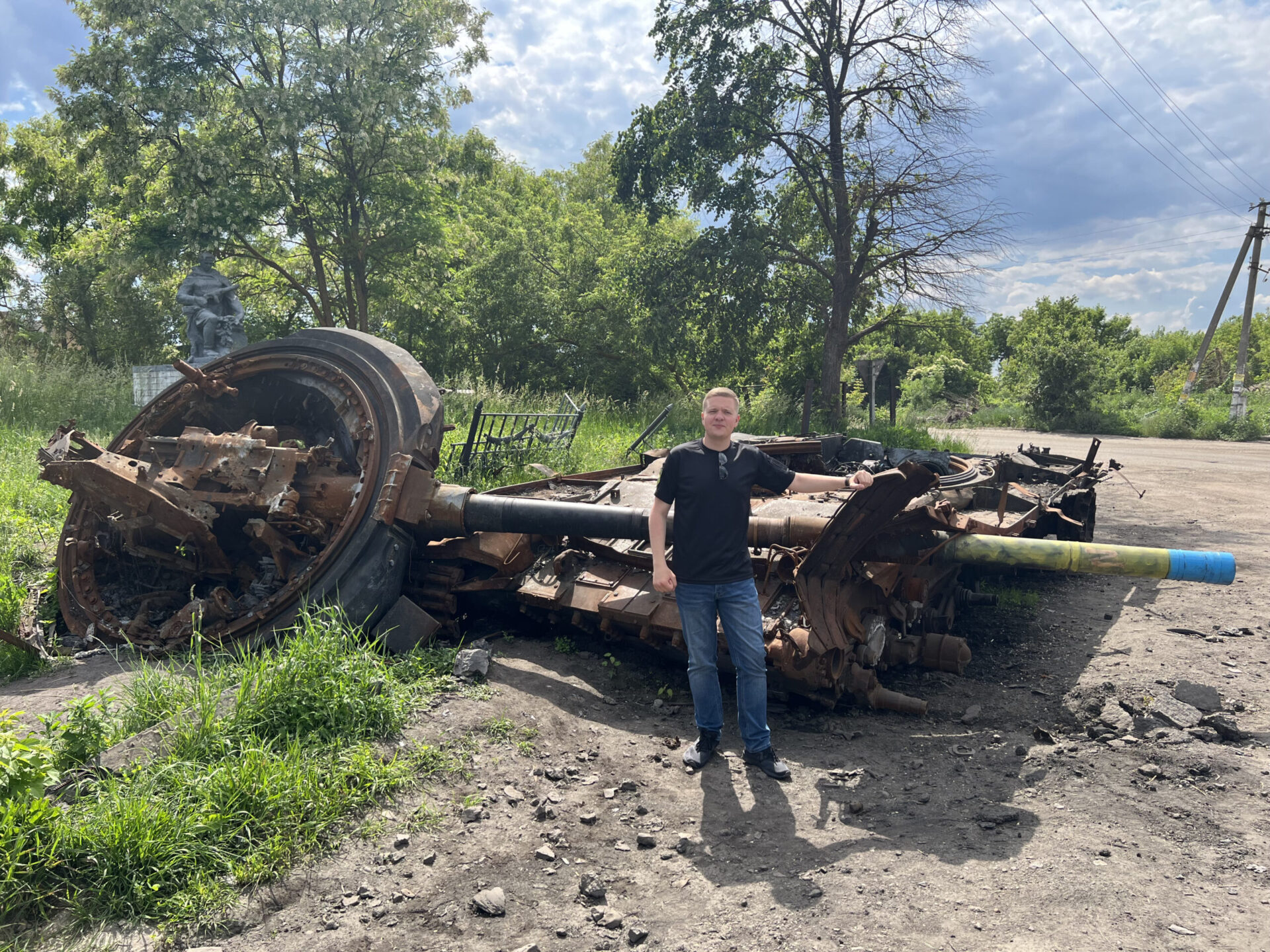
March [2022] was quite warm, which also helped a lot and allowed us to focus on people’s needs for food, shelter, and hygiene. Although we felt the support of donors and partners almost immediately, in the first weeks and even months it was completely insufficient, no one understood what to do, how and whom to help, and a certain systematic work was probably built in the middle of the summer, when the Kyiv region had already been de-occupied for several months and it was possible to focus on solving the problems of the affected population and internally displaced persons in a calmer security regime.
Kyrylo Fesyk, head of the Obolonsky district state administration in the city of Kyiv
The Obolonsky district of the city of Kyiv became the main front-line zone of the city of Kyiv.
During the first two months of the military aggression of the Russian Federation, the leadership of the district carried out its work around the clock, and I personally carried out a trip and a quick response to all critical points, where all the necessary assistance was immediately provided to provide the military with everything necessary for the defense of the district.
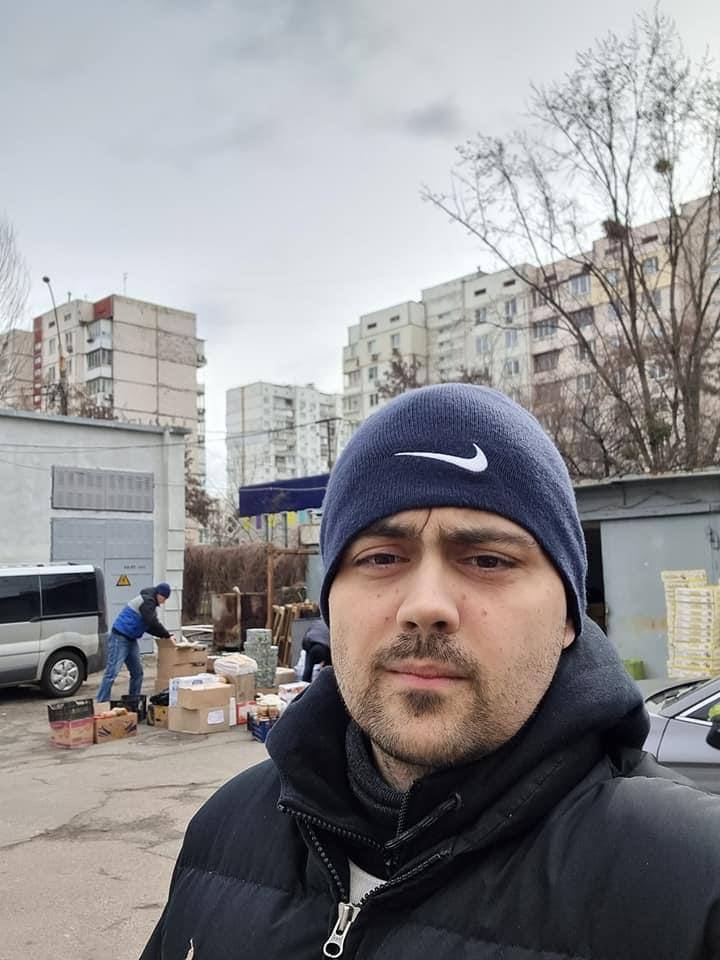
The leadership of the Obolonsky district of the city of Kyiv took all the necessary measures to provide for families who found themselves in a difficult situation due to the war, therefore the district state administration team sent tens of thousands of food and hygiene kits to the residents of the Obolonsky district, residents of the Kyiv region, who were affected by hostilities.
Our team also organized several waves of the evacuation of residents of Pushcha-Vodytsia, people with disabilities, elderly people, and children deprived of parental care, with the further provision of their temporary residence in the territory of the Obolonsky district, resettlement of people who lost their homes, food, and transportation to safer cities of Ukraine. In addition, the immediate demining of Puscha-Vodytsia and territories where active combat operations were conducted was organized.
In addition, Obolonsky district became the only district of the city of Kyiv that faced evacuation.
The biggest challenge was providing temporary housing for people who came to our district from different parts of Ukraine to receive safe shelter, as well as solving the issue of housing for our Obolon residents whose property was damaged.
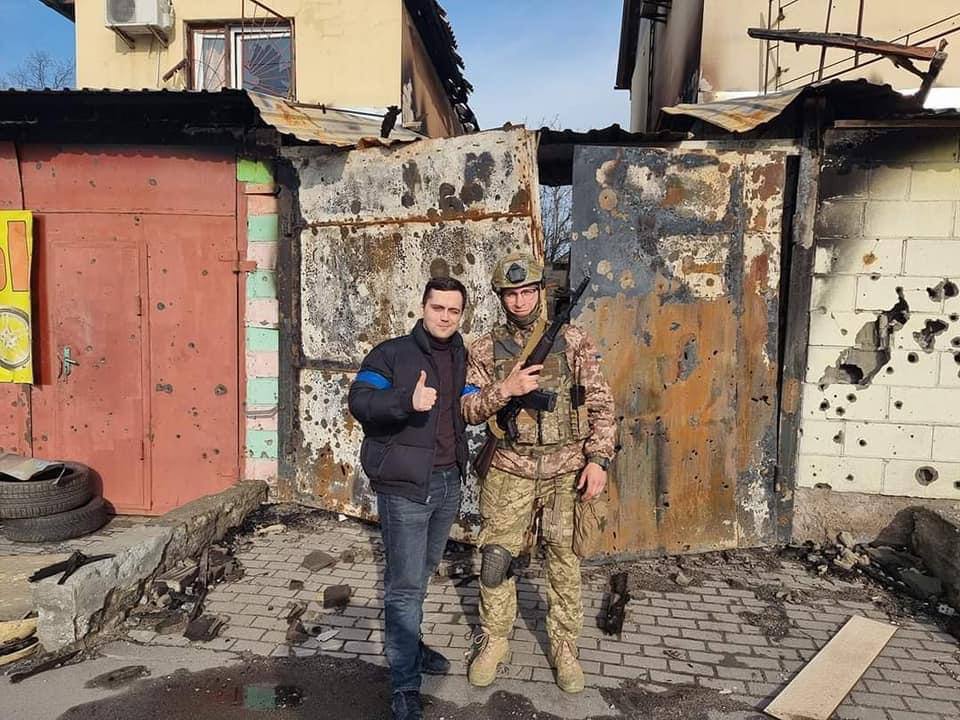
After an artillery projectile hit the high-rise building No.20 on Bogatyrska Street, where the said building was partially destroyed, several options were offered for temporary residence, as well as immediate registration of them as internally displaced persons to receive appropriate state benefits.
Also, in order to carry out the reconstruction of the house as soon as possible, investors were found and attracted, with the help of which a free examination of the damaged house was carried out and by October 2022, all the works were completed and the residents of the house were able to return to their homes.
As of today, we continue to provide logistical support to defenders and emergency services participating in hostilities in the East of Ukraine and defending the Obolon district of the city of Kyiv, namely battalions No. 129, No. 206, No. 244, battalion “Svoboda”, Voluntary formation No. 42 of the territorial community of Kyiv “Legion Obolon”, Obolon RU of the State Emergency Service of Ukraine in Kyiv.
Serhiy Nadal, mayor of Ternopil
Since the beginning of the full-scale aggression, the Ternopil Community has been doing everything possible to make the forced migrants feel at home in Ternopil. Ternopil received almost 30,000 officially registered internally displaced persons.
Ternopil is proud of the fact that tens of thousands of Ukrainians from Donbas, Kharkiv region, Zaporizhzhia, Kherson region, Chernihiv region, Sumy region and other regions of Ukraine felt at home in our city. Because Ukrainians are a big single family. And Ukrainians always help Ukrainians.
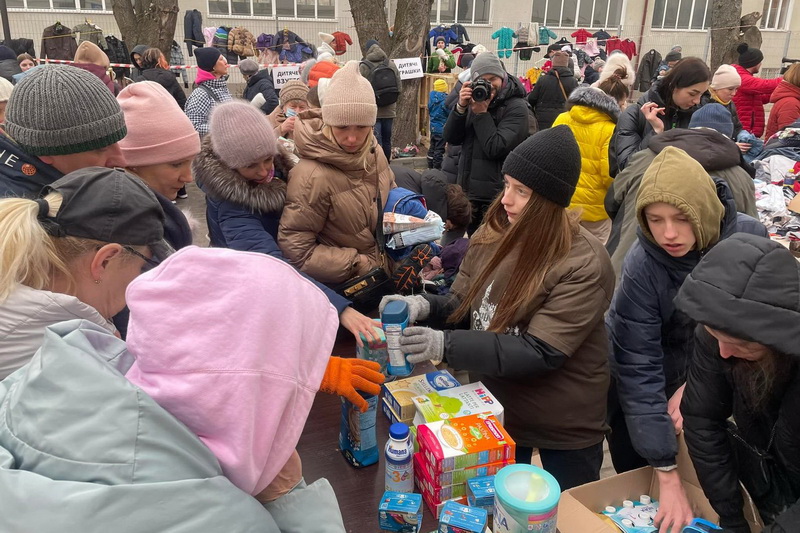
Ternopil residents sheltered over 6,000 IDPs in their houses and apartments free of charge. Pedagogical teams also did not stand aside and created a volunteer educational staff to help those affected by the war. They independently organized food for people, preparing breakfasts, lunches and dinners every day. A total of 2,970 beds were deployed in 12 schools and six vocational and technical education institutions. Over the entire period, more than 12,000 people received shelter here.
Since the beginning of the full-scale racist aggression, humanitarian headquarters have been actively operating in Ternopil, where internally displaced persons receive the necessary assistance, in particular, food kits, clothes, personal hygiene products, etc. Dozens of volunteer headquarters operate in Ternopil. The largest of them are at the city territorial center of social services for the population and the humanitarian headquarters at the Ternopil Science Center.
More than 30,000 people received individual assistance in Ternopil. These are hygiene products, clothes, shoes, and grocery sets. The same sets were received by enterprises that help displaced people.
Today, our churches have become not only spiritual support but also volunteer centers. Where humanitarian aid is constantly received, loaded, and distributed. Every refugee knows that he will find peace of mind and humanitarian support in the Ternopil church.
Almost 20,000 internally displaced people received free medical care in Ternopil hospitals. Both adults and children.
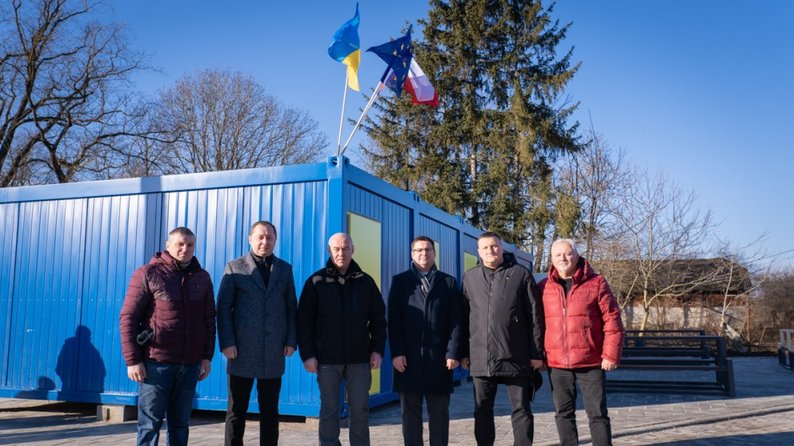
A modular town for displaced people was opened in the village of Malashivtsi of the Ternopil community. It was arranged on the initiative and cooperation of Czech partners – the Consulate General of the Czech Republic in Ukraine and the Czech government.
In order for refugees to feel at home, simple help is not enough. They should be integrated as much as possible into the economic, social, and cultural life of the community.
And the Ternopil community successfully integrated its new residents.
Ukrainian language courses were organized. There is a hotline for victims of Moscow aggression. Entrepreneurs of the city provided jobs for displaced persons. Social assistance was allocated. The city authorities provided conditions for the work of enterprises that were evacuated from occupied and front-line cities. More than 30 such enterprises relocated to Ternopil.
Today, internally displaced persons are an important part of the Ternopil community. They not only live and work but also implement important projects for the city and the country.
Yury Zykov, Head of the All-Ukrainian Association of displaced people “Spilna sprava” [“Common Cause”]
The first days and months of the full-scale invasion turned out to be the most difficult because the situation in the country was extremely unstable, the migration of the population inside the country and abroad exceeded all possible indicators that we had before, and the team worked non-stop 24/7. Everyone gave their best direction Thanks to the established communication between separate units, we provided information support, helped with the evacuation of people and provided support even before crossing borders with other countries, engaged in the resettlement of people in communities not only in the Vinnytsia region but also in other safer regions, provided humanitarian aid in several regions: Kyiv, Zaporizhzhya, Poltava, and Vinnytsia regions. At first, most of the humanitarian aid came from local humanitarian headquarters and charitable organizations. There was an almost daily assessment of the needs of certain communities in order to provide them with the most necessary things and help them with the placement of people who were looking for shelter.
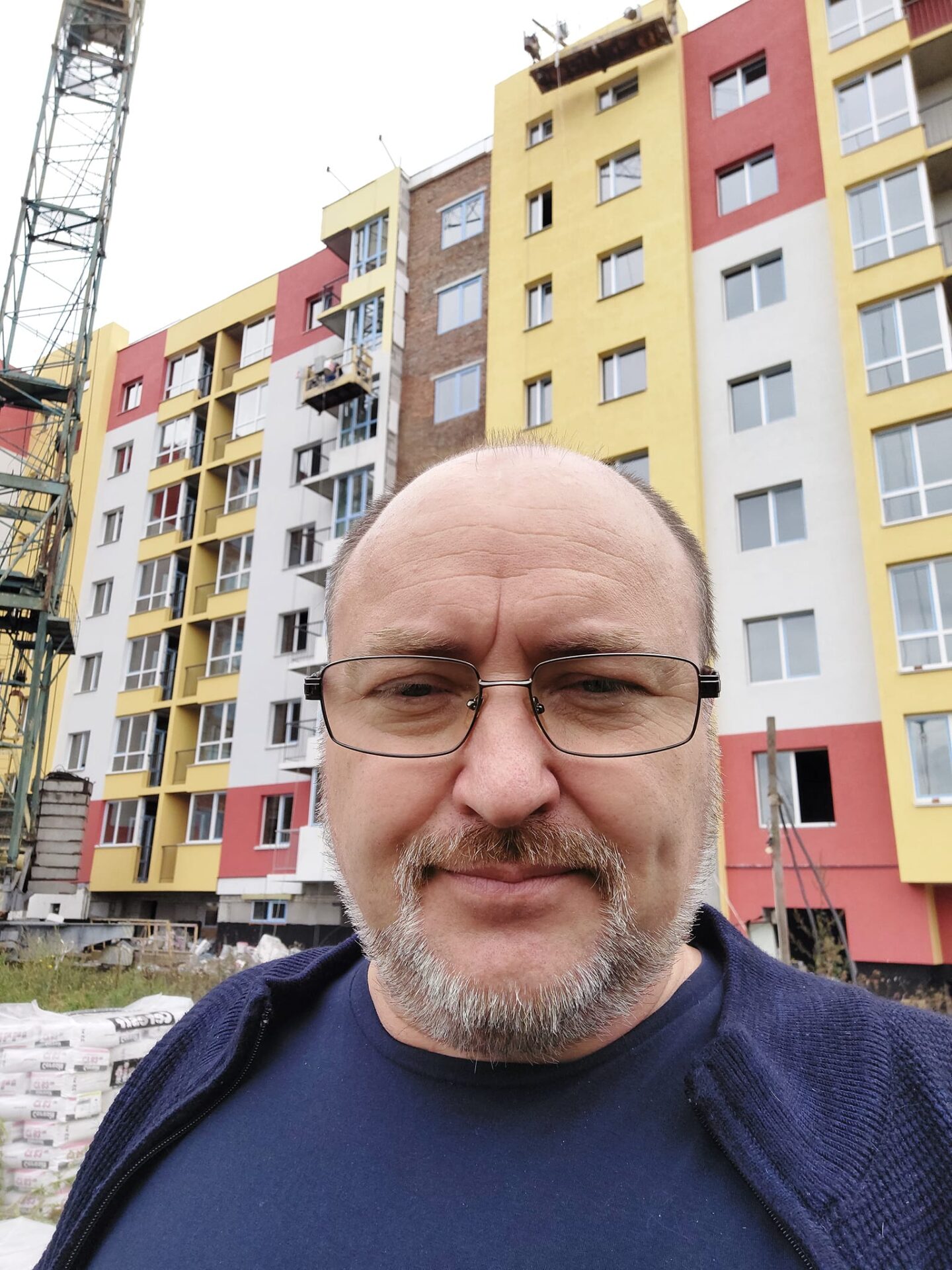
The main component of our successful work has always been and remains a strong team united by common goals, principles, and ideology. This is what allowed us to overcome all the most difficult periods associated with a full-scale invasion. Each of us has our own area of responsibility, but we act as a single mechanism that allows us to be flexible, quickly adapt and respond to challenges.
The material was prepared by Stanislav Kinka. Photos provided by the speakers.