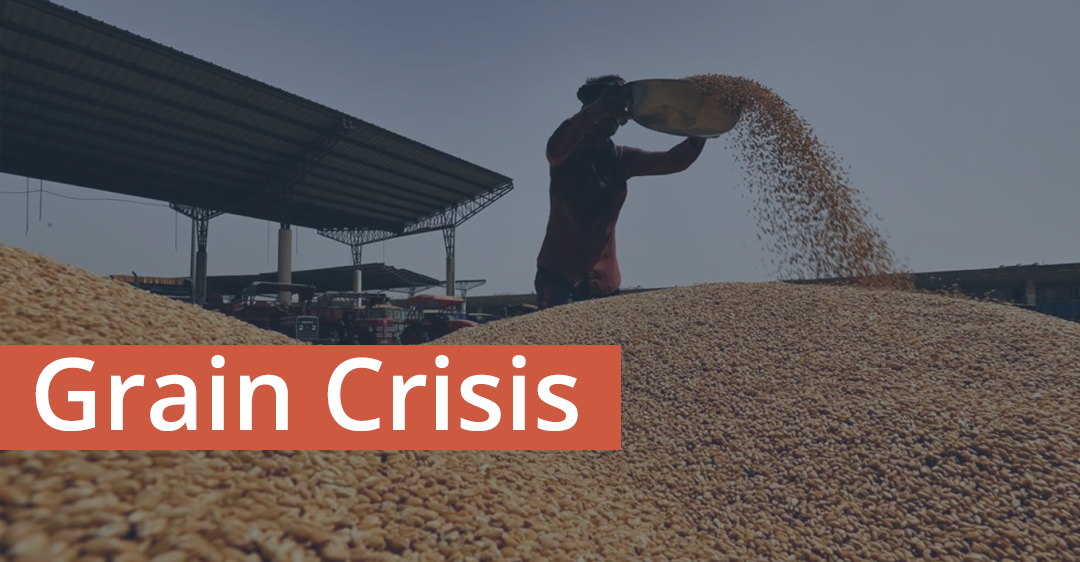


To reduce the influence of the Russian invasion of Ukraine on the world’s food safety, in July 2022, Turkey, the UN, and Russia brokered the Black Sea grain initiative. This agreement was devised to ensure that Ukraine, a major global grain producer, could smoothly export its grain through its southern ports via the Bosphorus. Since being initiated, the grain agreement has transported over 32 million tons of grain and various commodities to nations and areas desperately requiring food, predominantly in the Global South. This initiative has played a pivotal role in stabilizing food prices and enhancing worldwide food security.
For more details about how the grain deal worked, what problems it had, and Russian fakes about this initiative you can read our articles Three Russian fakes about the grain deal and Black Sea: Andrii Klymenko about oil embargo, grain deal, and “shadow fleet”
17 July 2023, Russia withdrew from the Black Sea Grain Initiative. However, the country, alleging that covert Western sanctions were impacting its food and fertilizer exports, had already essentially undermined the deal before formally terminating it. At the time of writing the article, the issues related to the termination of the agreement had not yet been resolved.
The Ukrainian Review has spoken with experts about possible solutions to the challenges of transporting Ukrainian grain. Read on for their insights.
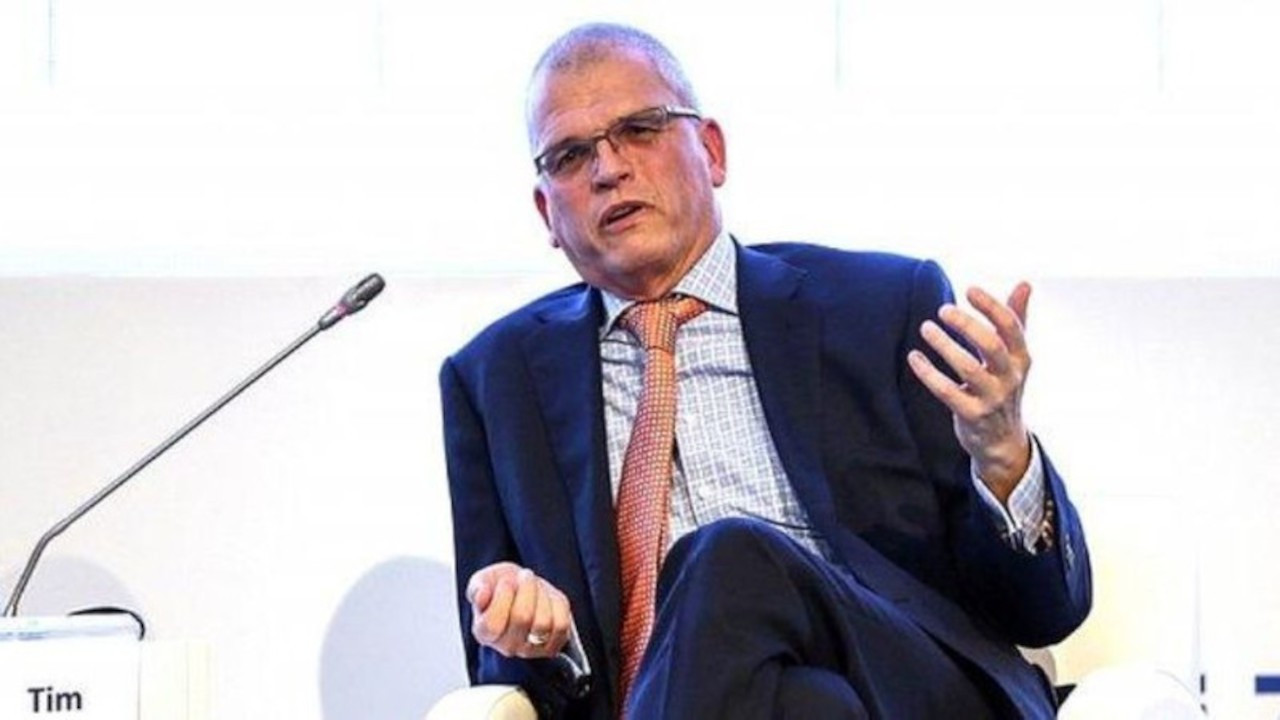
Timothy Ash, a Senior emerging market (EM) sovereign strategist at BlueBay Asset Management, an Associate Fellow at the Chatham House’s Russia and Eurasia Programme:
“We need to give Ukraine sufficient systems to defend its ports and shipping. If Ukraine’s grain transport system is destroyed there is no point in putting the Black Sea Grain Initiative back in place.
If we are unable to help Ukraine defend its ports then we need to look at establishing new export routes – that means looking at road, rail, and river transport. Unfortunately, there are currently limits set with the five Eastern EU states which is a complication. But surely we can think of solutions to get more grain out for export out of the EU through ports in the Baltic.
Well if no solution to the ending of the grain deal is found there will be a significant hit to the Ukrainian economy – lower growth, lower exports, less foreign currency earnings, and hence likely a weaker currency and higher inflation. It will also mean less grain supply to global markets, which will mean higher grain and food prices, hurting more of the poorest people in the world.”
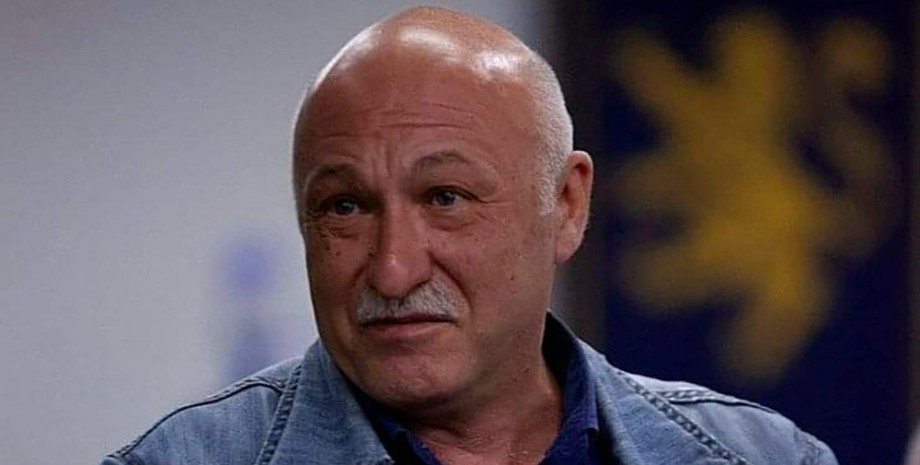
Pavlo Lakiichuk, Head of the security programs at Centre for Global Studies “Strategy XXI”:
“The best way to address issues surrounding the termination of the grain agreement is to renounce it entirely and move forward without Russia’s participation. Here, cooperation between Ukraine, the UN, and certain available guarantors could be pivotal. Currently, Erdogan seems to be on an unstable footing. From my perspective, he’s trying to position himself as a peacemaker while pushing for a ceasefire aligned with the current troop placements. This approach seems improbable, and I believe even those in Turkey see this.
Conversely, Erdogan might have received some signals, whether formal or informal, from our allies, indicating a desire among some Western nations for a halt in hostilities. In reality, Ukraine is working to re-establish grain flow without necessarily continuing with this agreement, although its renewal remains an option.
In essence, the Ukrainian Armed Forces and the Military-political leadership of Ukraine, through their force measures taken in response to the Russian attack after its withdrawal from the grain agreement, gently put, have demonstrated to Moscow that it’s unwise to approach the issue with a stance of force. We have a response to their provocations.
In this framework, Moscow, in essence, has self-sabotaged. By essentially cutting off the grain agreement, they’ve significantly distanced a major part of their apparent or not-so-apparent partners in Asia and parts of Africa. The Ukrainian Armed Forces have exposed Moscow’s weak points, particularly in the Black Sea region. The primary movement from the Black Sea isn’t centered on the Ukrainian grain route but focuses more on Russia’s oil route, its logistics, and its own grain corridor.
If we manage to cut off their route, the repercussions for Russia would be much steeper than any benefits they anticipated from discontinuing the grain route to Ukraine.
In practical terms, any strategy involving convoy creation might suffice to secure the grain route.”

David Ortega, a food economist and associate professor at Michigan State University:
“The main challenge is getting grain and other food commodities out of the region and into the world market to prevent a worsening food crisis that disproportionally affects lower-income countries that import a lot of their grain, especially in the Mideast and North Africa. It’s important to note that there is more than enough food in the world to meet demand; the issue is affordability -the rising cost of food- and access to food.
Russia and Ukraine supply a quarter of the world’s wheat and three-fourths of the world’s sunflower oil, which goes into producing many processed food products. Russia’s invasion of Ukraine last year led to a halt of maritime grain shipments from the Black Sea region, which handled most Ukrainian grain exports before Russia’s invasion. This led to soaring commodity prices, contributing to a global food crisis compounded by other factors such as the COVID-19 pandemic and drought. Soon after implementing the Black Sea Grain Initiative, grain started flowing from the region, and global food commodity prices came down.
Ukraine has also exported a sizeable amount of grain through the Danube River and via rail through Europe, which are more costly options. And with the termination of the Black Sea Grain Initiative, these other routes have emerged as the only way to transport grain out of Ukraine. Recently, Russia has attacked ports on the Danube, so there is uncertainty regarding how long this route will remain open—it could become too risky for companies to continue operating in the Danube.
If these other routes become unviable, we are likely to see commodity prices rise, which will undoubtedly affect countries that depend on the region much more. The conflict is also disincentivizing farmers from planting more grain, and production is down from before Russia’s invasion. Other countries and regions will need to make up for this deficit, but in the short-term, this will drive costs higher, especially for countries in the Mideast and North Africa.”

Andrii Klymenko, Crimea studies expert and the Head of the Monitoring Group of the Institute for Black Sea Strategic Studies:
“Recep Erdogan, the President of Turkey, plays a pivotal role. All possible solutions to ensure freedom of navigation proposed by Ukrainian maritime experts (like creating a mine countermeasure and naval patrol mission with the Black Sea neighboring countries – Turkey, Romania, and Bulgaria to escort vessels) have been practically rejected by these countries. Meanwhile, we assume the stance of the USA played a decisive role. They all harbor an existential fear of “escalation”, or put simply, they are afraid of Russia. And the main problem – and this is not only about the grain corridor – is how to rid them of this fear.”
Anna Nagurney, the Eugene M. Isenberg Chair in Integrative Studies in the Isenberg School of Management at the University of Massachusetts Amherst:
“Long-term, there may be additional logistical routes opened up, with proper investments using, for example, such countries as Moldova and Romania as transit routes and different modes of transportation (barge, truck, rail, etc.) but, in the short-term, such alternative transportation pathways are still inefficient and costly. Loading and unloading of trucks and barges takes time and, as for rail transport, through other neighboring countries of Ukraine, different rail gauges result in additional challenges of loading and unloading, which results in added time delays and increasing costs.

It is imperative to reinstitute the safe, secure, and efficient transport of Ukrainian grain on the Black Sea. Russia had already this year under the Black Sea Grain Initiative was delaying the processing and checking of loaded ships adding to the economic and social impacts.
Nato should engage in protecting ships loaded with Ukrainian grain for transport on the Black Sea. Hunger and food insecurity can lead to a rise in unrest and political instability in other countries and, hence, this should be of major concern to Nato. Wheat is such an important staple in bread, to start. The UN and Turkey should also deeply engage simultaneously in reinstituting the Black Sea Grain Initiative and ensure that it works effectively (safely, securely, efficiently, cost-effectively) for Ukraine and its many demand markets.”
Additional
In the wake of Russia’s invasion of Ukraine, the global economy is facing challenges, with factors such as an increase in the prices of essentials like food, fuel, and fertilizer, reports the United Nations Conference on Trade and Development. Financial uncertainty is on the rise, and there are changes in sustainable investments. Additionally, global supply chains are shifting, leading to increased trade costs. Countries in Africa and other underdeveloped regions are feeling the brunt, with many impacted considerably. The situation in Ukraine, which affects up to 53% of the world’s sunflower oil and seed trade and 27% of the wheat trade, further complicates global trade and commodity pricing. This scenario raises the risk of unrest, potential food shortages, and economic downturns, exacerbated by inflation. The already existing challenges from the COVID-19 pandemic make these regions even more susceptible.
Alina Kuvaldina