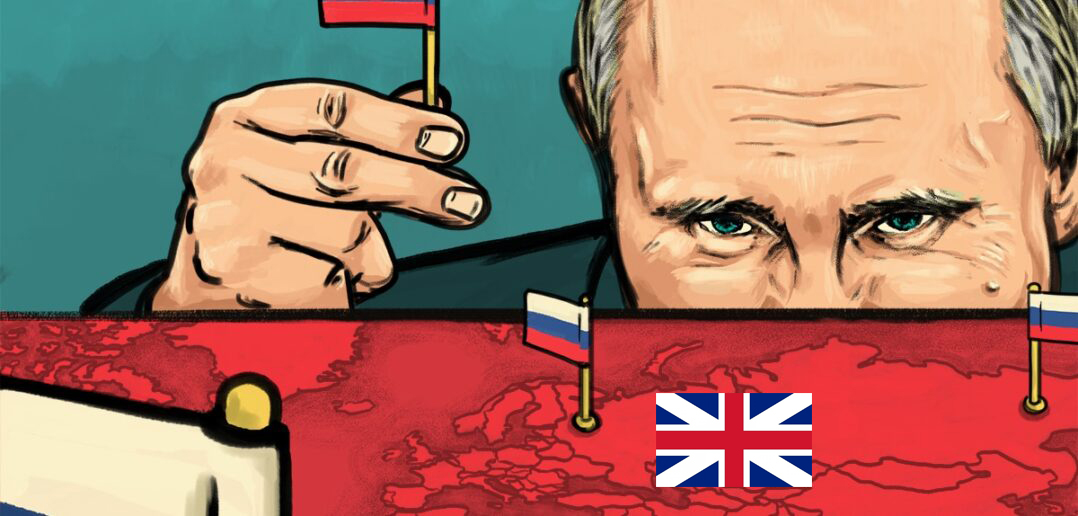


“Both a civil war and Russia’s disintegration into half a dozen nation-states are conceivable. A compromise must be ruled out. It would by its very nature compromise the security of the West, like the Munich Agreement of 1938, the great and disastrous betrayal of the 20th century”.
Chisinau
In Moldova’s fine, small capital, the peace of Europe reigns, tense and anxious. Chisinau is the Habsburg fringe, Moldovans and Romanians, Ukrainians, Turks, Jews — it was then — and Russians, a near-past prison camps and mass graves, two alphabets, on the right bank of the Dniester the Democratic Republic of Moldova, on the left an illegal Russian enclave named Transnistria, down to the south the partially self-governing Gagauzia, which leans towards Russia.
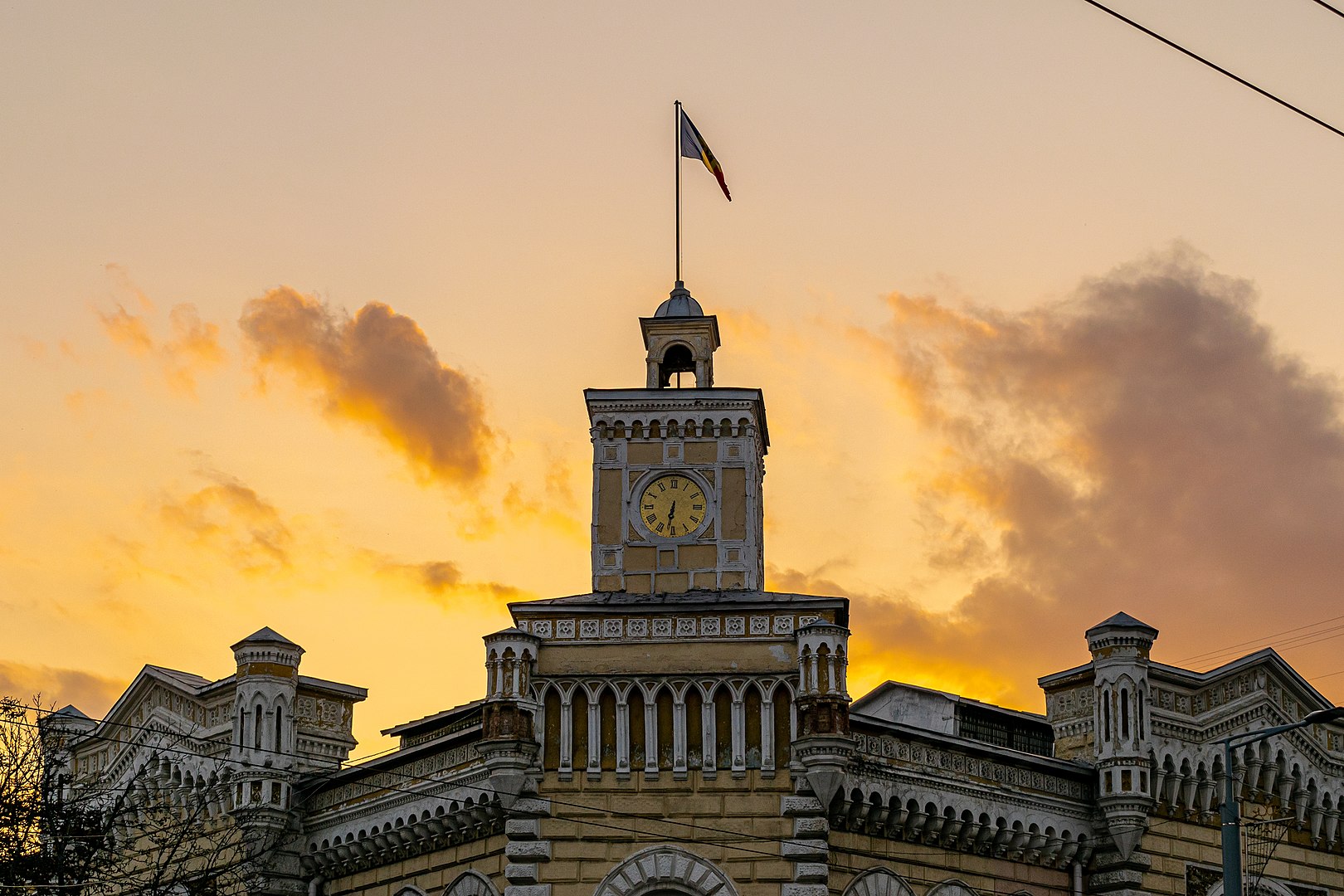
During the revolutionary years of 1989-1991, the Moldovans could have joined Romania. Had a referendum turned out differently, today they would have been members of NATO and the EU, the aim of the current government. In big politics, especially the small countries must remember to think big. Where would Denmark be if we had remained in illusory neutrality in 1949? Where would we be if in 1972, we had voted against the EU and a now almost united Europe that is approaching the most important thing — that we can protect ourselves?
Recently, half a hundred heads of state and government met in Moldova to take stock of Russia’s war in Ukraine, which started in 2014 with the annexation of Crimea and the march into Donbas, followed in 2022 by total war. Everyone knows that in Ukraine Europe is threatened by an eastern power, not a nation, hardly a state, but an empire, one-day tsarist, the next communist, and the third fascist, always limitless and barbaric.
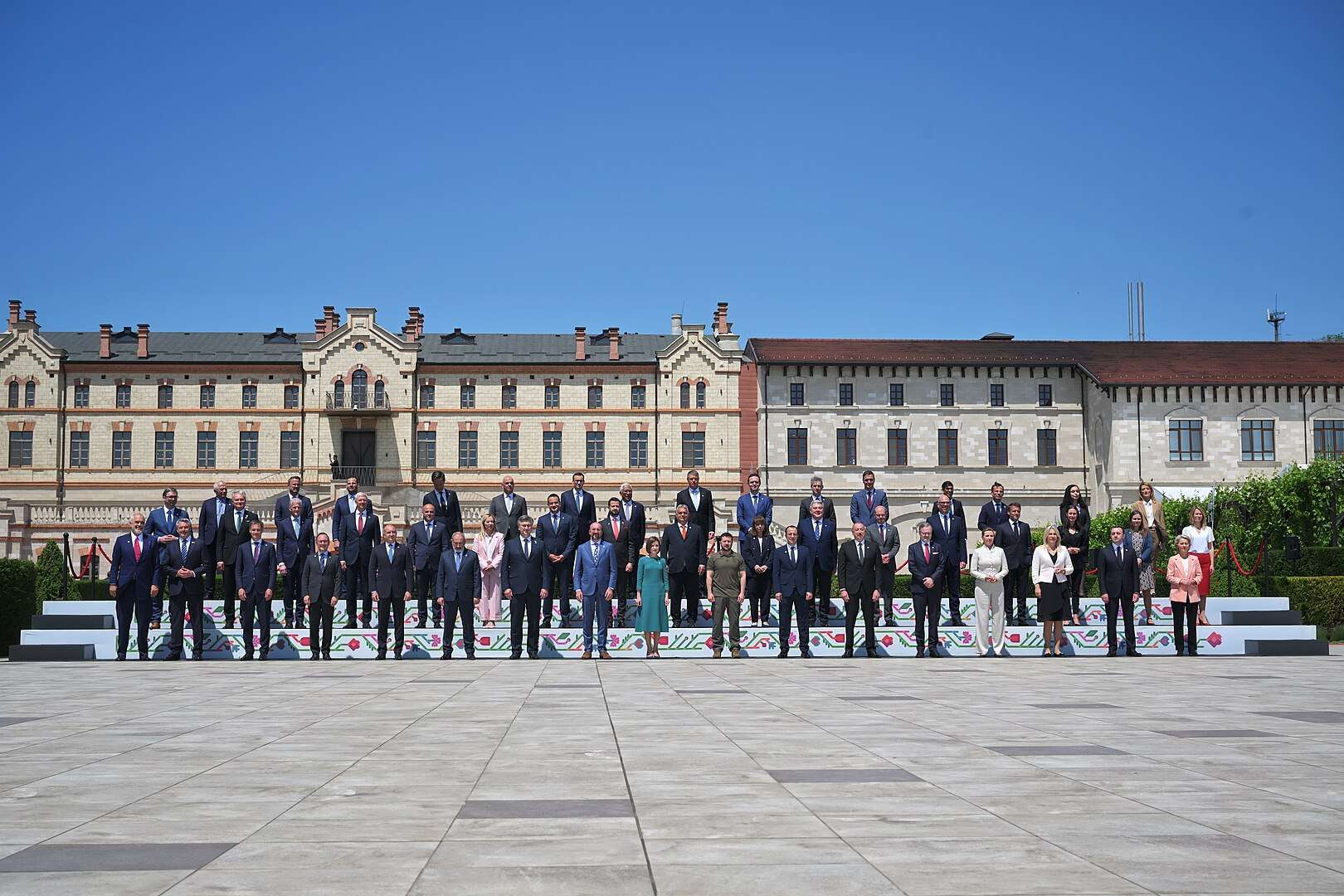
The summit in Moldova (slightly larger than Jutland, with three million inhabitants) should show Moscow that the West has woken up from its slumber of peace, that it does not intend to give up so much as a square meter of its territory or an iota of its freedom, that Moldova, Ukraine, Sweden and other European democracies that wish to, as soon as possible – and probably before the end of this decade – will be members of the continent’s main institutions. French President Macron returned to his real idea of a strategically sovereign Europe, united around the nuclear weapons of France and Great Britain, in close cooperation with the United States.
Ukraine 2022 was the electroshock that brought a brain-dead NATO back to life. The catastrophic bursting of the Dnipro dam [Kakhovka Dam on the Dnieper River — ed.] the other day has added another element to NATO’s eagerly awaited summit in Vilnius [scheduled to take place on 11-12 July 2023 — ed.]. The EU Commission seems flexible and rarely agrees. Everyone knows that the war in Ukraine could drag on for the next three to five years. Everyone knows that Russia must lose so thoroughly that we have heard from this historically anti-European power for the last time in the 21st century.
I’m spending a few days in Moldova en route to Ukraine. An old acquaintance is happy about the unity in the West and Ukraine’s impressive war efforts. The Russians are reacting nervously and without a plan to their growing difficulties in Ukraine and to their gradually complete isolation.
Russia has baselessly attacked Ukraine and must of course pay the price for its unheard-of brutal breach of the international legal order. Both a civil war and Russia’s disintegration into half a dozen nation-states are conceivable. A compromise must be ruled out. It will, by its very nature, compromise the security of the West, according to the Munich Agreement of 1938, deviating from the century’s great and catastrophic betrayal.
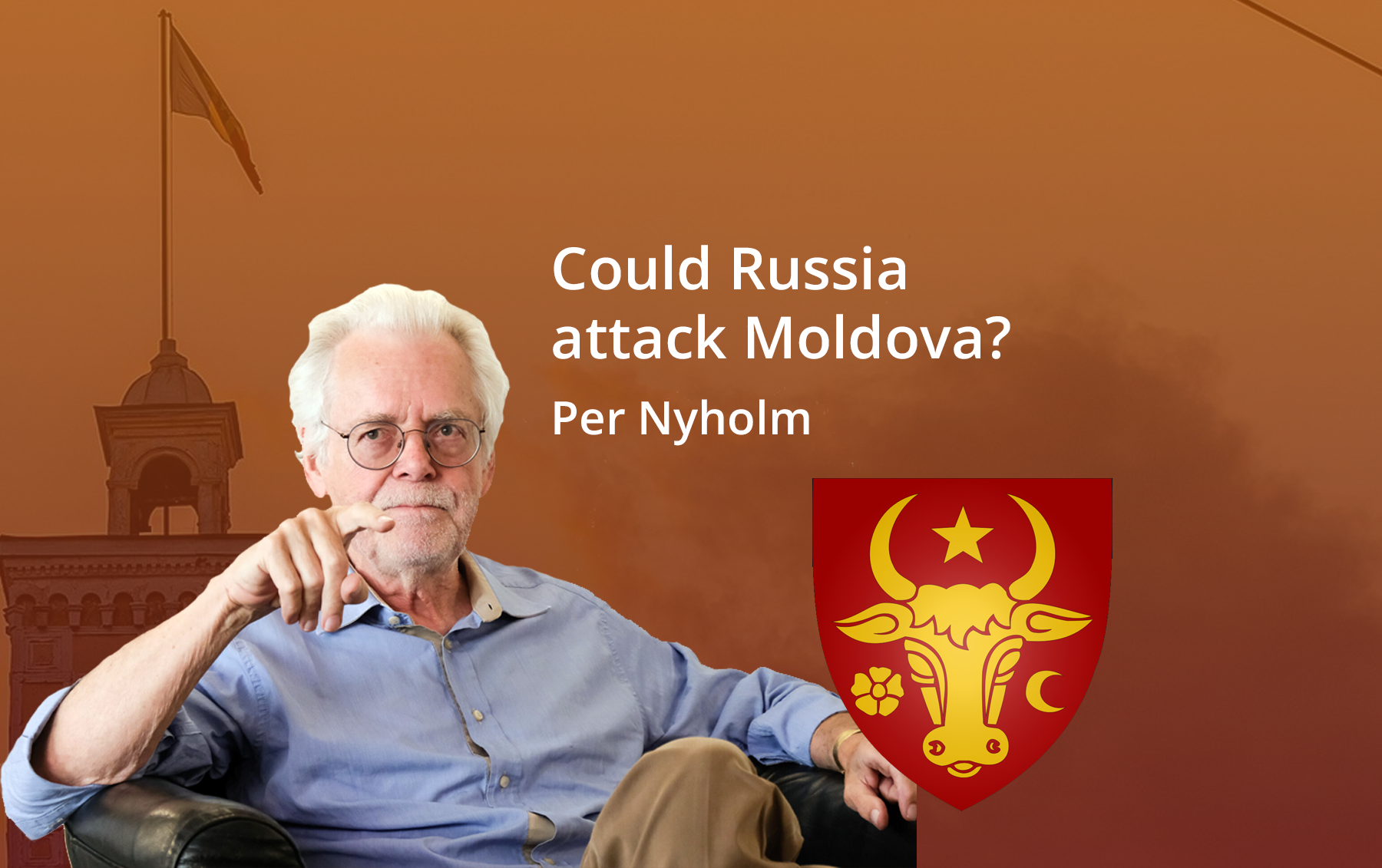
Author: Per Nyholm
Danish journalist based in Austria. Since 1960 he has been engaged in professional journalism, since 1980 he has been collaborating with the liberal Danish daily newspaper Jyllands-Posten as a paper´s foreign correspondent. We are pleased to present you with the translation of his column from Danish.