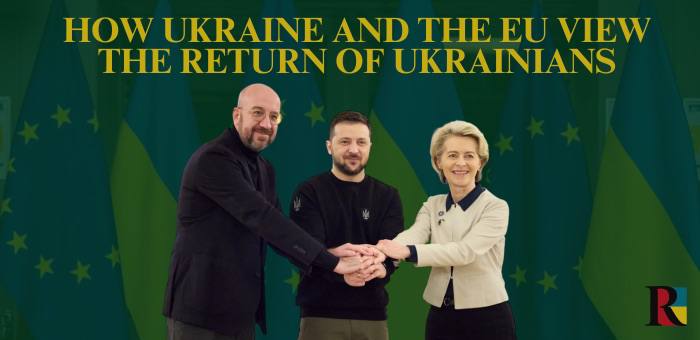


After a meeting with Ukrainians living in Poland, Deputy Head of the Presidential Office Iryna Vereshchuk wrote that Ukrainians returning from Poland should have a social support system in place. Her statement sparked criticism inside Ukraine, as social policies for those who have stayed in the country are far from ideal. Yet the issue is becoming increasingly urgent because of tightening social assistance in host countries and Ukraine’s own economic needs. According to the International Organization for Migration, about 5.6 million Ukrainians remain abroad, mostly in the European Union.
Current Situation
Most of those who do return cite emotional reasons for coming back. Problems with work or accommodation are secondary. However, concerns over income are growing.
At the beginning of 2025, a pilot project was launched to help Ukrainians, particularly those in Germany, one of the key host countries, to return to work in the defence industry. So far, there are no significant results due to a crisis in the Ministry of Integration and its subsequent liquidation. The government plans to allocate UAH 150 million from the state budget in 2026 to support the return of Ukrainians from abroad.
Meanwhile, the EU plans to phase out its temporary protection scheme. The EU Council has approved recommendations on common rules for internally displaced Ukrainians, differentiating between two scenarios: gradual return and sustainable recovery in Ukraine when conditions allow, and transition for those who qualify to other types of legal stay within the EU. As part of reintegration, the EU would also offer introductory visits for those preparing to return.
Different Scenarios
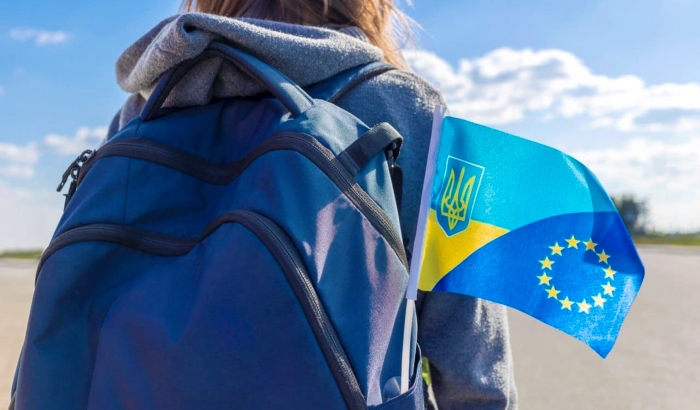
So far, the EU has considered a peace scenario under which allies would provide legal pathways to keep working Ukrainians in Europe, especially highly qualified workers. Under a strong peace scenario, the majority of Ukrainians express willingness to come back, but in reality the percentage of actual returnees remains far lower.
As Iryna Vereshchuk recently emphasized, the state needs to prepare the Ukrainian social support system in advance, offering temporary housing, humanitarian aid, medical care, and social assistance.
Conclusion
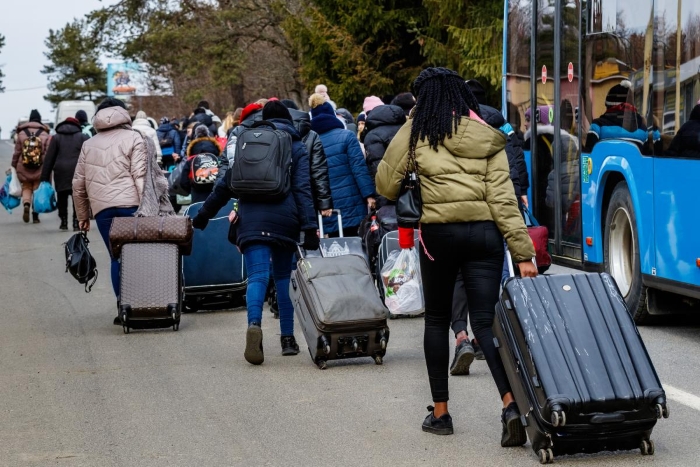
The return of Ukrainians from abroad is a complex, multidimensional process that depends on whether the war continues or peace is established, on security guarantees, and on the state’s capacity to provide housing, infrastructure, services, and economic incentives. It also hinges on information, legal frameworks, and social support. The EU is primarily interested in retaining effective workers, while socially vulnerable people remain in a difficult position. Russia’s ongoing attacks continue to increase the number of internally displaced persons; roughly half of those who lost their homes remain inside Ukraine and face numerous problems. The scale and pace of return will also depend on conditions in the countries where Ukrainians currently reside.