

Panel Discussion at YES-2025 in Kyiv
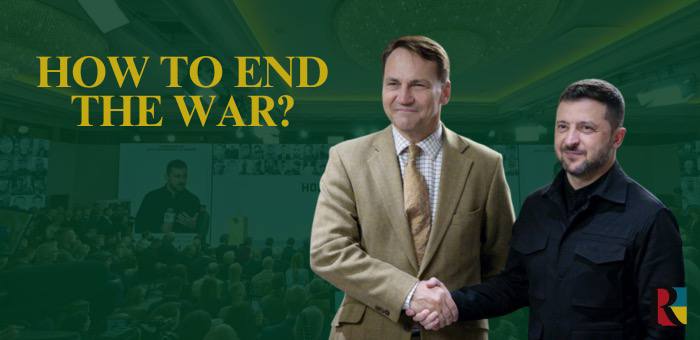
On September 12–13, 2025, Kyiv hosted the 21st annual Yalta European Strategy (YES) meeting. At the heart of the event was the key question: “How to End the War?”. The panel discussions brought together Ukrainian and international leaders, politicians, and experts to explore real pathways toward ending the war.
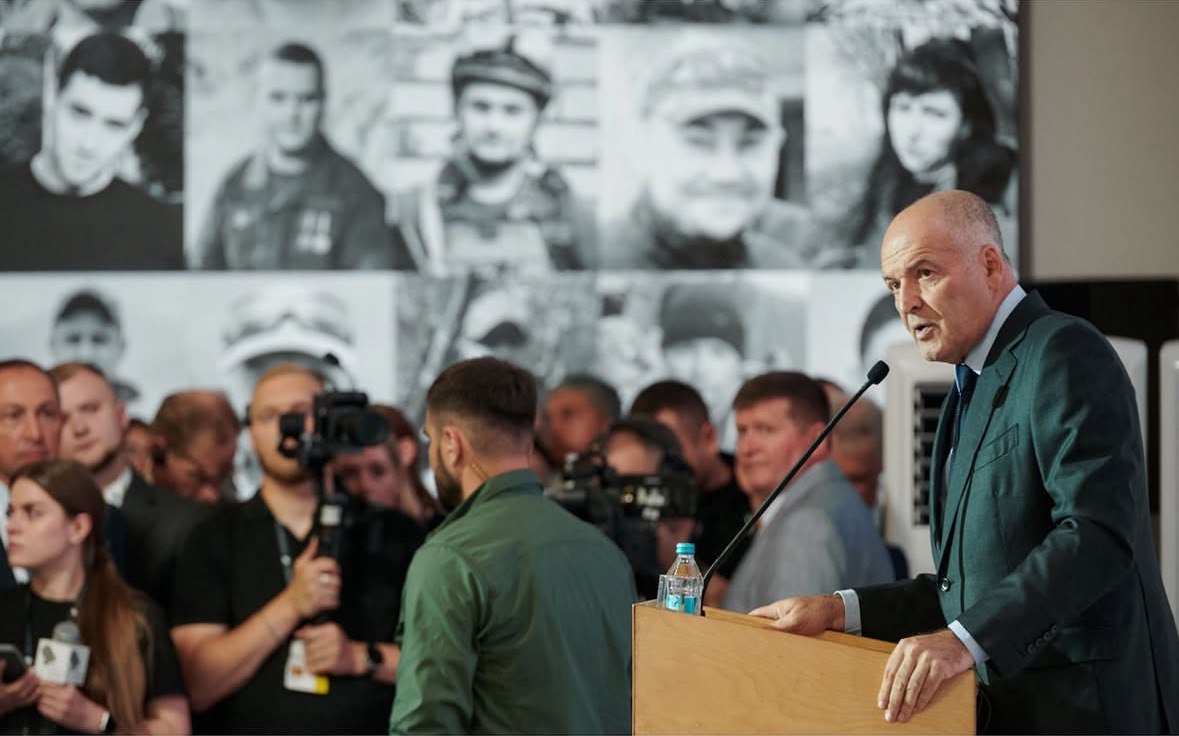
Victor Pinchuk: A Just Peace and a Fast Track to the EU
YES founder Victor Pinchuk set the tone of the debate. According to him, the war can only end on a “just basis.” He stressed that the goal is to preserve Ukraine’s sovereignty and security, while also ensuring its accession to the European Union.
“We must end the war on a just basis. This will allow us to preserve sovereignty, independence, security, and to join Europe,” Pinchuk stated.
He added that Russia’s economy is in deep crisis and that only “truly strong sanctions” combined with real military support for Ukraine can force Moscow to choose the path of ending the war.
Volodymyr Zelenskyy: No “Deal” with Territory
President of Ukraine Volodymyr Zelenskyy reminded the audience that any territorial concessions to the enemy would not bring peace, but only a pause — as already seen in 2008 and 2014.
“Russia will stop only when its fuel for war runs out,” Zelenskyy noted.
He emphasized the need for “truly strong responses”: sanctions, tariffs, asset confiscations, and systemic isolation of Russia. The President also drew attention to building a multi-layered air defense system to protect both Ukraine and its neighbors.
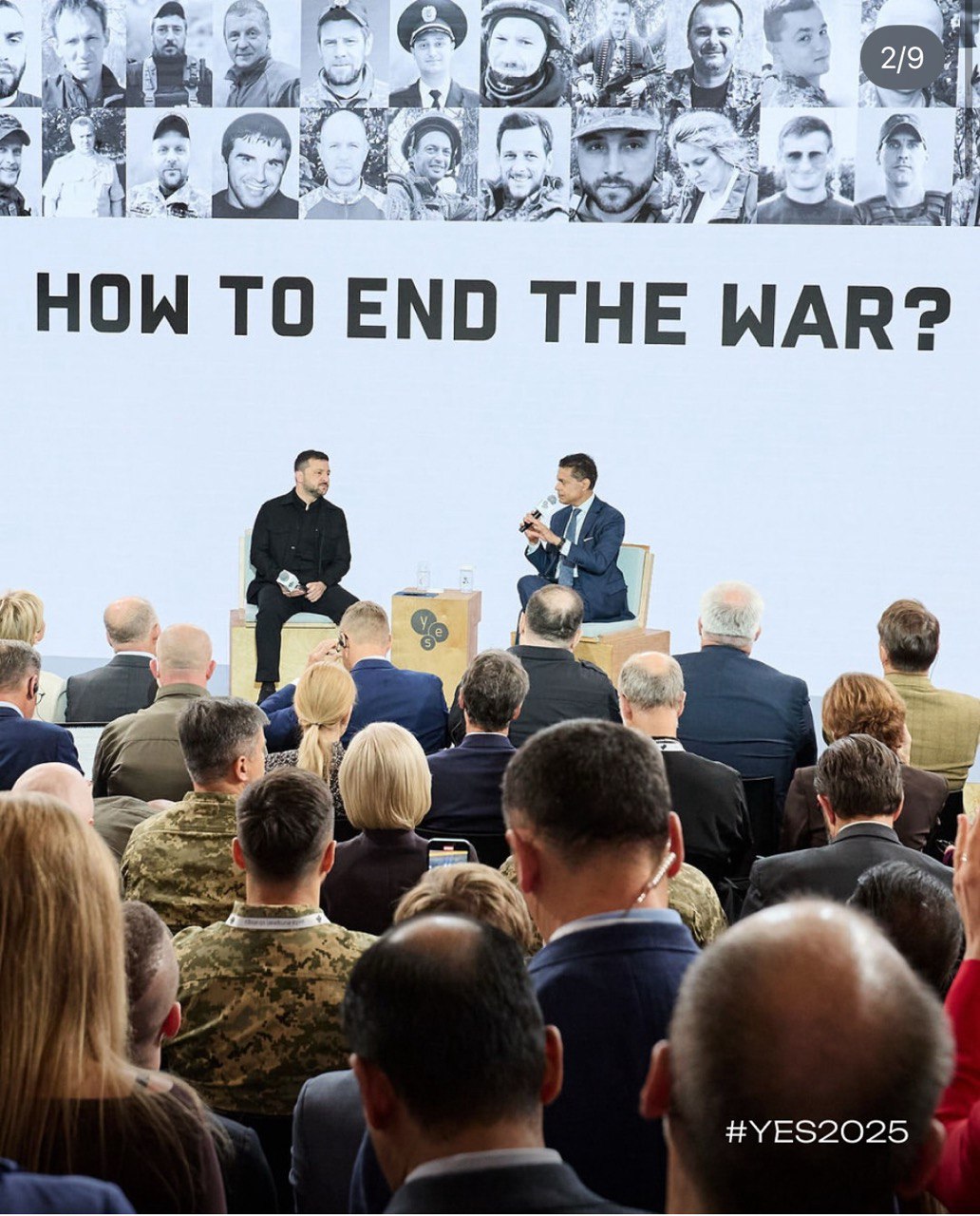
Security Guarantees: Joint Work with the U.S. and Europe
One of the central themes of the forum was security guarantees for Ukraine. Participants discussed what mechanisms and agreements could ensure the country’s long-term protection against future aggression. It was emphasized that work on the architecture of these guarantees continues — in close cooperation with the United States and the European Union.
This debate served as a vital bridge between military, diplomatic, and integration-related discussions, underscoring that peace is possible only with a durable system of protection, not with temporary ceasefires.
Insider View: EU Accession as Part of Security Guarantees
Behind the scenes at YES, accelerated accession to the European Union was discussed not only as a matter of integration, but also as part of a broader package of security guarantees. The idea was clear: the faster Ukraine becomes embedded within European institutions, the stronger its shield against renewed aggression.
For many participants, this concept carried strategic weight: a fast track to the EU is not only about reforms and economics, but also about a geopolitical safeguard — a political and legal shield as vital as military and diplomatic guarantees.
European and American Perspectives
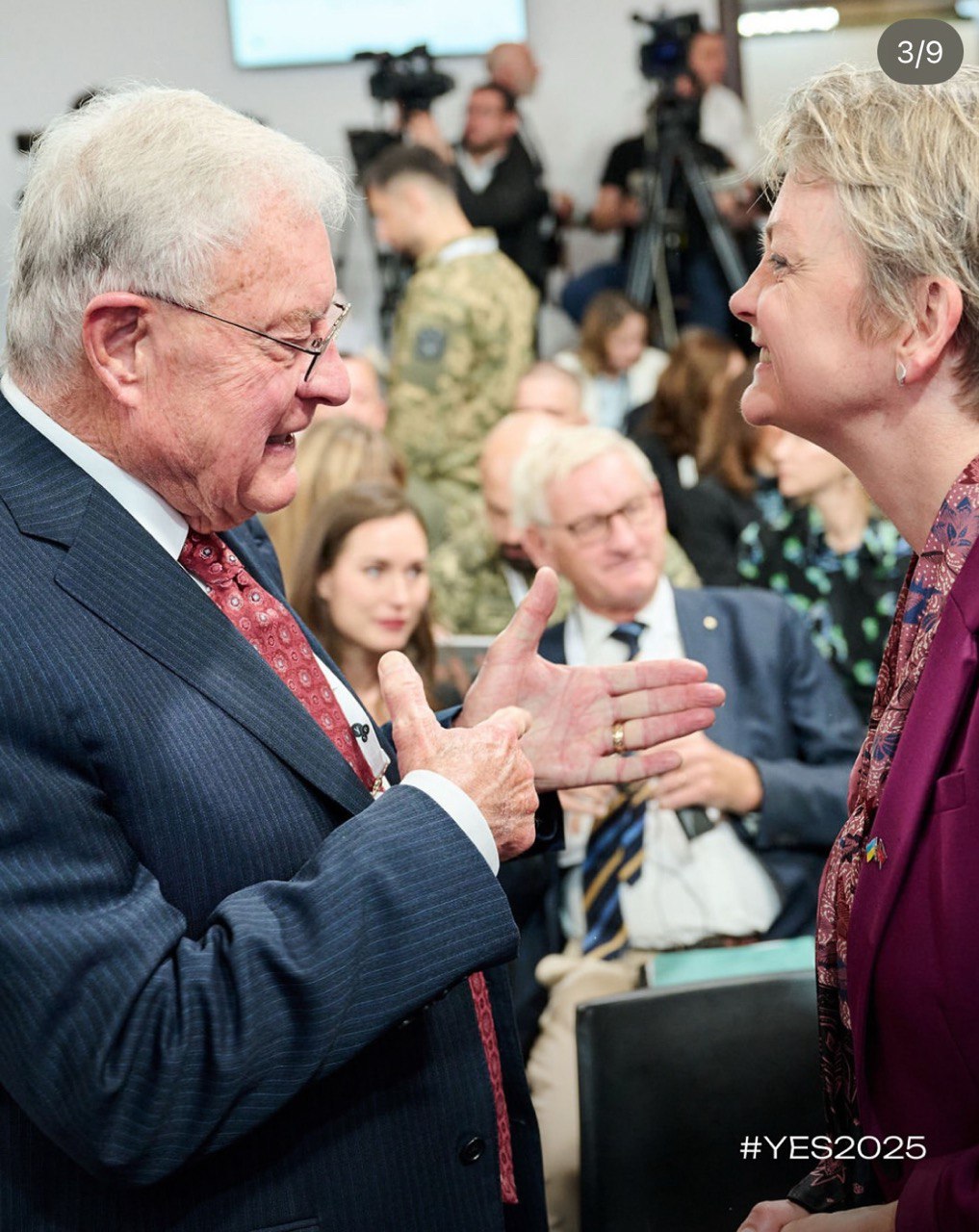
YES also featured a conversation with Keith Kellogg, the U.S. President’s Special Envoy for Ukraine. His remarks focused on practical elements of security guarantees and strengthening air defense.
Meanwhile, Finnish President Alexander Stubb highlighted the central lesson: deals with Vladimir Putin do not work, and Europe must be ready for long-term support of Ukraine.
Key Questions for the Future
The discussion on “How to End the War?” revolved around several pressing issues:
how to maximize pressure on Russia;
when Europe will be ready to respond to further attacks;
whether Moscow can be forced to negotiate;
what conditions should accompany Ukraine’s future EU membership;
and what reforms are needed for accelerated integration.
Conclusion
YES-2025 established a clear consensus: the war will not end through “quick deals” or territorial concessions. Ukrainian and international participants stressed that the path forward lies in stronger sanctions, sustained military support, and robust security guarantees. Increasingly, accelerated EU accession is being framed as an inseparable part of that guarantee package — a political and legal shield designed to secure Ukraine’s future against renewed aggression.