

Pope Leo XIV may visit Ukraine, and the Vatican has already developed a plan. However, security concerns pose challenges.
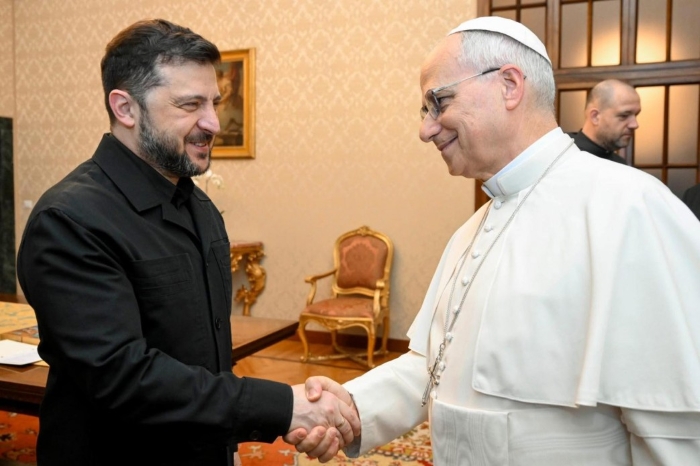
Earlier, on December 9, Ukraine’s President Volodymyr Zelenskyy met with Pope Leo XIV at the Vatican. The discussion focused on the war in Ukraine, diplomacy, and the return of prisoners of war and displaced children.
Past Papal Engagement
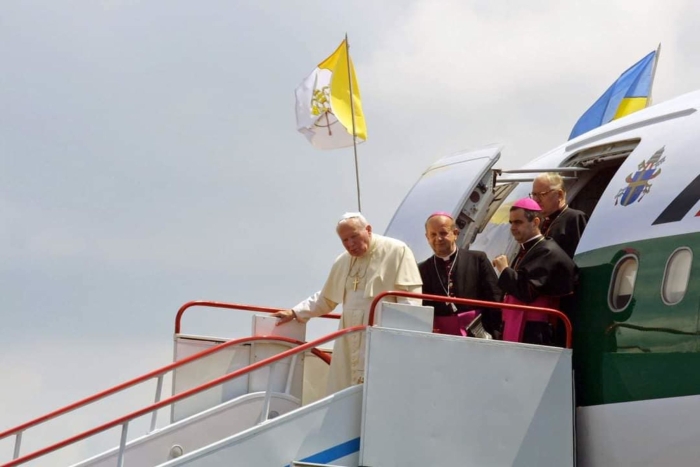
During his pontificate, the previous Pope Francis did not visit Ukraine, despite numerous invitations. However, he provided active humanitarian support and expressed condolences. The only Pope to visit Ukraine was John Paul II in 2001.
Pope John Paul II made a historic five-day visit to Kyiv and Lviv in June 2001. He celebrated Mass, led the Divine Liturgy, and addressed the Ukrainian people. John Paul II emphasized Ukraine’s European identity and its right to self-determination, although Orthodox leaders expressed tension during the visit.
Pope Francis and the War
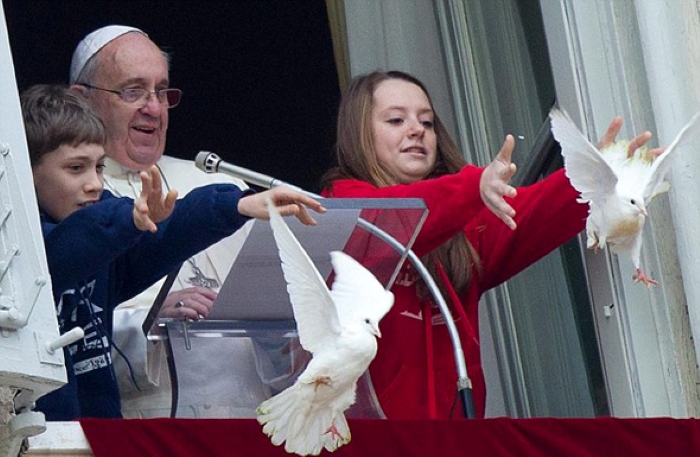
On Sunday, January 26, 2014, after the first deaths on Maidan, Pope Francis prayed for peace in Ukraine after the Sunday prayer. He traditionally, together with the children, released two white doves into the sky as a symbol of this peace, which were attacked by seagull and crow, which was then found symbolic, but the birds set free.
Pope Francis later has been calling for peace in Ukraine, naming the war a “scandal,” especially the “conflict in the east of Ukraine between Christians”.
The full-scale Russian invasion also began during Francis’ pontificate. He repeatedly expressed solidarity with the Ukrainian people, calling the war “barbaric.” He highlighted the suffering of civilians, especially women, children, and the elderly.
Among Francis’ gestures were a gift from the Holy See to Ukraine — a bronze olive branch symbolizing peace, as well as financial support to humanitarian initiatives.
One controversial statement related to the “white flag.” In 2024, he said, “the strong are those who have the courage to raise the white flag” and negotiate. Many interpreted this as suggesting surrender. The Pope and Vatican later clarified he meant the desire for peace, not capitulation.
Francis also criticized increased military spending, calling it “madness” and urging alternatives to violent escalation.
Pope Leo XIV’s Approach
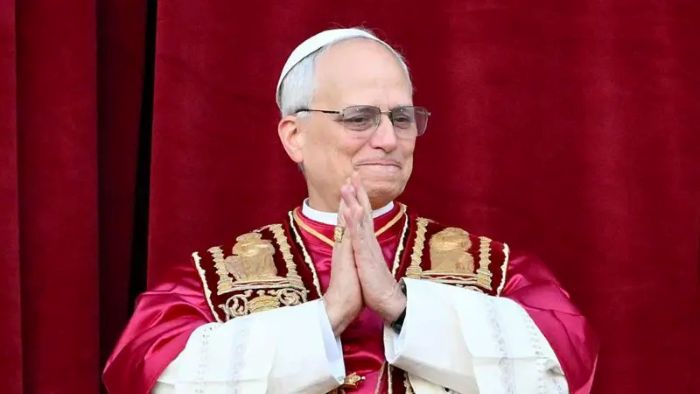
Pope Leo XIV, earlier Cardinal Robert Francis Prevost from the United States, in his first speeches emphasized peace, social justice, and protection of vulnerable groups. He also highlighted European identity rooted in Judeo-Christian values.
The New Pope expressed hope that all parties would work toward “a just and lasting peace” in Ukraine. He called on Italian diplomats to contribute to this process.
In his first Sunday blessing as Pope, he called for an end to hostilities in Ukraine and Gaza. He described war as a global threat — “World War III in pieces” — and reiterated the need for humanitarian aid to civilians.
Pope Leo XIV is expanding humanitarian support through the Office of Papal Charity. For example, he sent food and essential goods to Kharkiv and Kharkiv region.
Conclusion
Although the visit has not been scheduled for a specific date, the very intention is a positive sign. The last papal visit to Ukraine became a symbol of its European identity. Because of safety reasons, the details would probably not be revealed until the arrival. Now, amid ongoing Russian religious propaganda, such a visit could counterbalance these narratives.
It is understandable why Popes often use general calls for peace rather than naming the aggressor. What is most important is the direction of these statements.