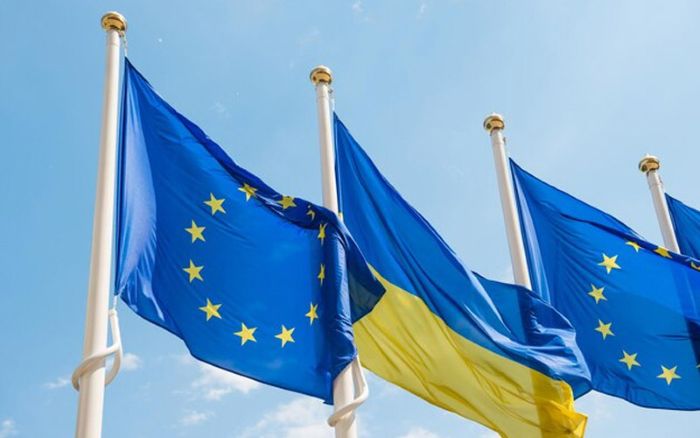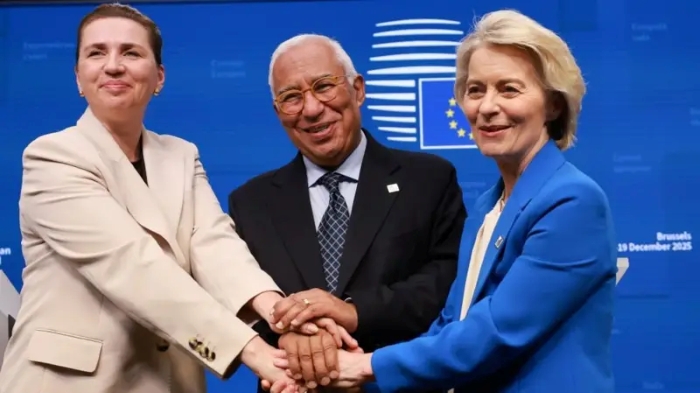


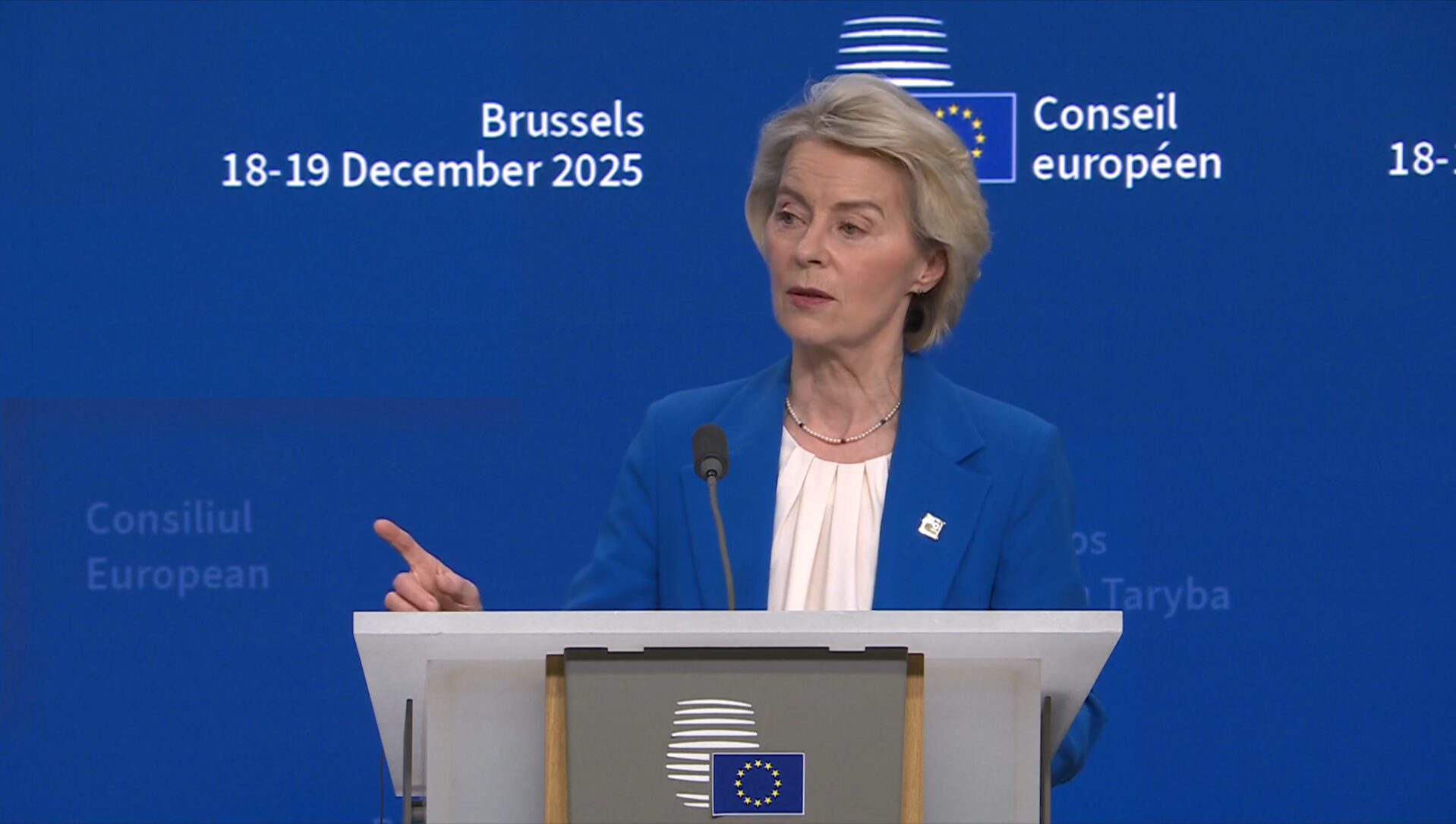
The European Union will allocate €90 billion to Ukraine for 2026–2027. Similar to the reparations loan, Kyiv will repay the funds only if Russia pays reparations, European Commission President Ursula von der Leyen stated.
The decision was made late at night on December 19.
“The reparations loan is more than just financial support for Ukraine,” Volodymyr Zelenskyy emphasized earlier.
The loan will be secured by the EU budget reserve rather than frozen Russian assets. This mechanism will allow Ukraine to function financially for the next two years.
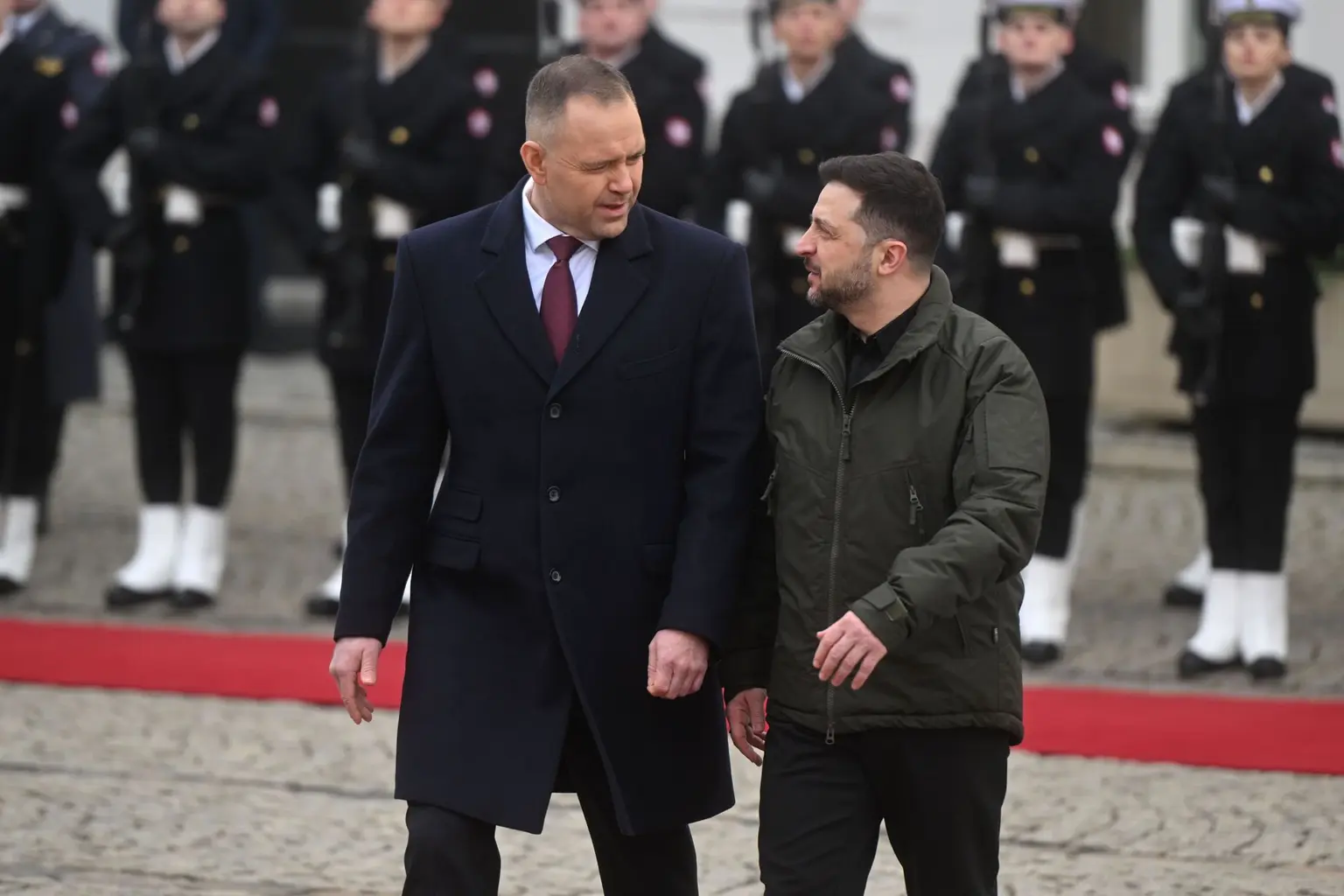
President Volodymyr Zelenskyy thanked EU leaders for the European Council’s decision to provide Ukraine with €90 billion in financial assistance for 2026–2027:
This is significant support that truly strengthens our resilience. It is important that Russian assets remain frozen and that Ukraine has received financial security guarantees for the coming years. Thank you for the result and for unity. Together, we are protecting the future of our continent.
Frozen Assets Plan: “Dead” or Alive?
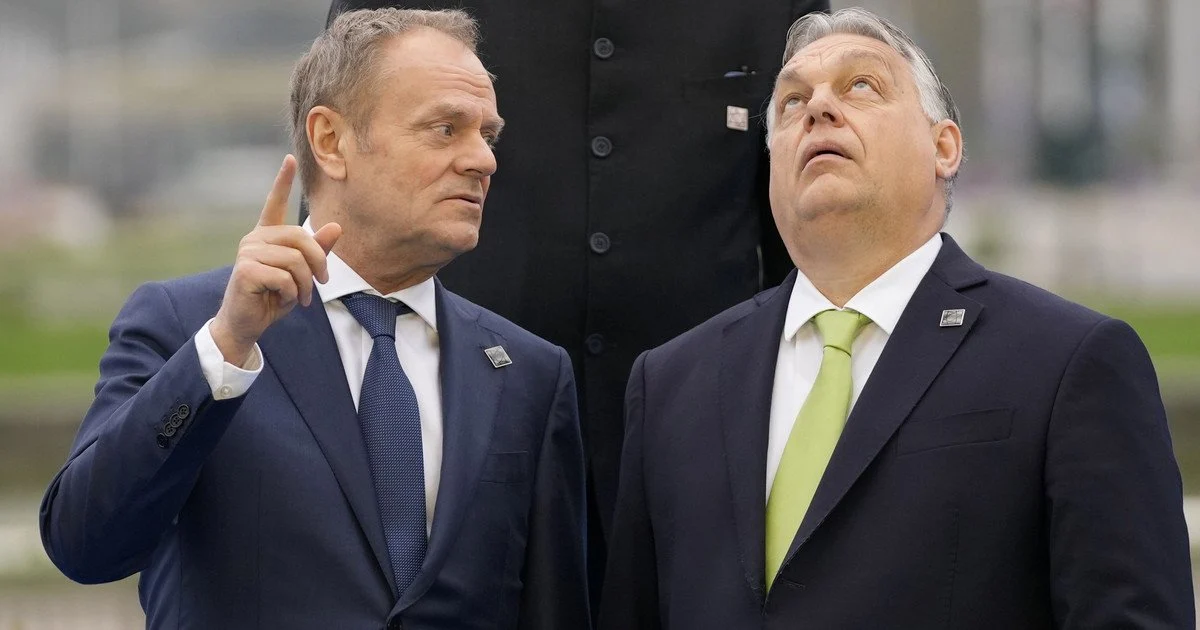
A turning point means that everyone agrees it is worth trying, and that it would be fair, justified, and good for Europe to use Russian funds for Ukraine. However, some countries will fight with all their might to maximize their guarantees, Polish Prime Minister Donald Tusk said on the eve of the loan announcement.
He advocates for stronger assistance to Ukraine, reminding partners that it is either money now or blood later.
At the same time, Hungarian Prime Minister Viktor Orbán, told reporters on EU leaders’ summit that he considers the idea of using frozen Russian assets for a reparations loan to Ukraine “dead.”
In a sense, both positions proved partially correct.
Following the EU summit, it became known that Hungary, Slovakia, and the Czech Republic will not participate in this funding mechanism. For Hungary and its right-wing political allies, the frozen-assets-based approach is indeed “dead,” as they have chosen to act separately from the broader EU consensus.
A European Strategic Test
Although the Budapest Memorandum was signed with the participation of the United States, the current U.S. administration places most of the financial burden on Europe. European partners are expected to pay for U.S.-made weapons, support Ukraine’s energy security, and provide security guarantees — at least in theory. In practice, Russia has so far rejected any form of peace agreement, and the question of real security guarantees is the subject for later discussions.
EU leaders deliberately avoided “chaos and division” by choosing a loan mechanism rather than direct use of frozen Russian assets, Belgian Prime Minister Bart De Wever said early Friday.
Preserving unity was indeed crucial. Friedrich Merz also emphasized that this decision sends a strong signal to Vladimir Putin, who had hoped Ukraine would be left without substantial financial support. At this stage, the war has a pronounced economic dimension, making financial stability a critical element.
Conclusion
A historical decision has been finally made. It remains cautious, but it is a positive step amid the turbulence caused by ongoing negotiation efforts. The issue of frozen Russian assets is undoubtedly central to long-term financing, yet the current decision demonstrates the EU’s political agency and readiness to secure Ukraine’s future. These funds will primarily cover Ukraine’s military needs.
However, Europe should not pay for Russian terror indefinitely. The aggressor must be held financially responsible for the damage caused — something that will only become possible if Russia is placed in a position of defeat. Therefore, the mechanism for using frozen assets in the likely scenario that Russia refuses to pay reparations remains unresolved.
For now, the frozen assets remain on European accounts. As long as this is the case, the EU retains the opportunity to develop a legally sound and politically unified approach to their eventual use.