

On the night of October 30, Russia launched a large-scale combined attack on Ukraine’s critical infrastructure using air defense systems, as well as air-, land-, and sea-based missiles. In total, 705 aerial threats were detected, of which 623 were intercepted by Ukrainian air defense forces. The regions that suffered the most were Ivano-Frankivsk, Vinnytsia, Lviv, and Zaporizhzhia.
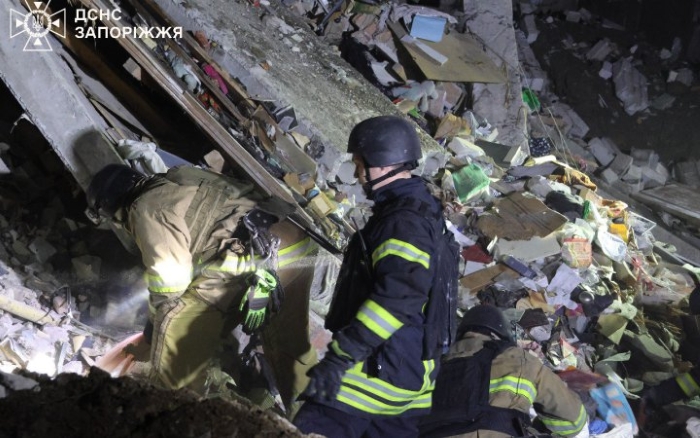
In Zaporizhzhia, a drone struck a dormitory. Two men were found dead under the debris. 23 people were reported injured, including six children. Power outage schedules were introduced in most regions as emergency repairs continued.
Meanwhile, Russian forces persisted in terrorizing civilians in frontline areas. Sloviansk in Donetsk Oblast was shelled twice. Another strike on the thermal power plant killed two people. In Sumy, a drone hit a gas station, injuring four people.
Partners’ Reaction
Ukrainian officials continue to call on international partners to strengthen sanctions against Russia’s energy sector and to provide additional air defense systems and backup equipment for the energy grid.
Following the recent wave of massive attacks, several countries and organizations have increased their support for Ukraine’s energy sector. The Energy Community Secretariat, through the Ukraine Energy Support Fund, reported intensified efforts to procure critical equipment and prepare for winter amid ongoing shelling. However, officials emphasize a significant funding gap between available resources and actual needs.
To date, over 33 public and private donors have contributed to maintaining the fund’s momentum. More than 880 supply contracts have been signed, representing €750 million in commitments, with deliveries worth over €500 million already addressing urgent needs. Yet, the shortfall is still estimated at around €400 million.
In the first half of 2025 alone, the Energy Support Fund responded to urgent requests totaling €271.7 million, and total assistance since its creation has exceeded €1.3 billion.
Among recent national contributions:
The Netherlands announced an additional €25 million to support Ukraine’s energy supply.
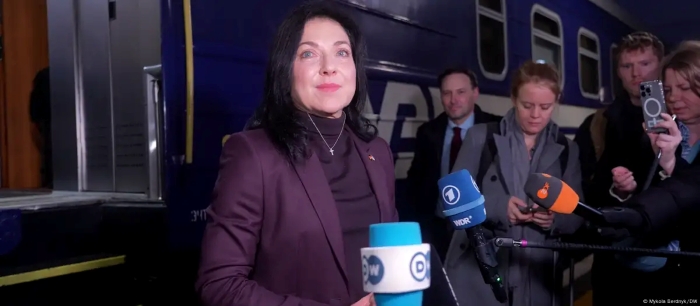
Germany’s Economy and Energy Minister Katherina Reiche, during her visit to Kyiv, reaffirmed that Germany “will not leave Ukraine in trouble,” highlighting the delivery of 32,000 units of equipment.
Norway allocated $150 million for Ukraine’s gas purchases.
Estonian Foreign Minister Margus Tsahkna announced the allocation of new financial aid for the Ukrainian energy sector worth 150 000 EUR.
Also, British Prime Minister Keir Starmer and French President Emmanuel Macron, as co-chairs of the Coalition of the Willing, have agreed to ensure Ukraine’s energy security. Earlier, Polish Deputy Prime Minister and Foreign Minister Radosław Sikorski stated that Warsaw is ready to help Ukraine deal with the consequences of Russian attacks on energy sector. The list is not exhaustive.
Conclusion
Ukraine’s energy infrastructure remains one of Russia’s primary targets, with the enemy accumulating resources to launch large-scale attacks aimed at destabilizing the country ahead of winter. In response, Ukraine’s international partners have mobilized financial, technical, and humanitarian assistance to help stabilize the system and prevent a full-scale blackout. However, despite substantial efforts and solidarity, a critical funding and capability gap persists. This underscores the need for faster, long-term solutions and sustained support to protect Ukraine’s energy independence under constant threat.