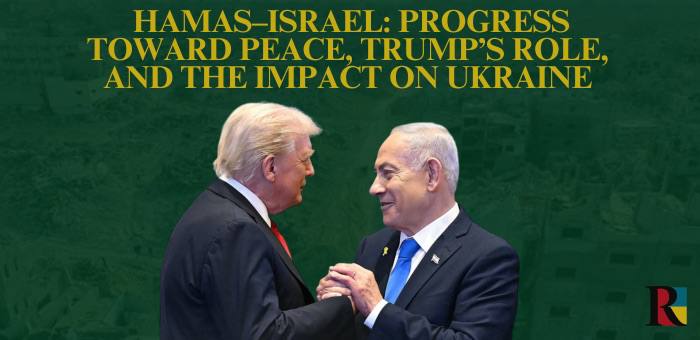


Israel and Hamas have reached an agreement on the first phase of a ceasefire and hostage release plan. The most urgent and fundamental condition is the establishment of a sustainable cessation of hostilities to stop the escalation, protect civilians, and create room for diplomacy. According to reports, the deal includes the release of Israeli hostages and the partial withdrawal of Israeli troops to a designated line of control.
Trump in Israel
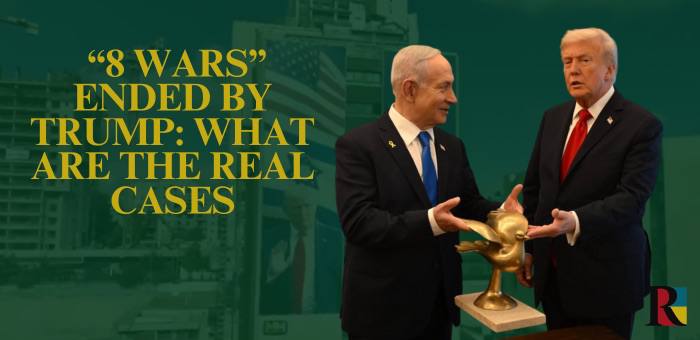
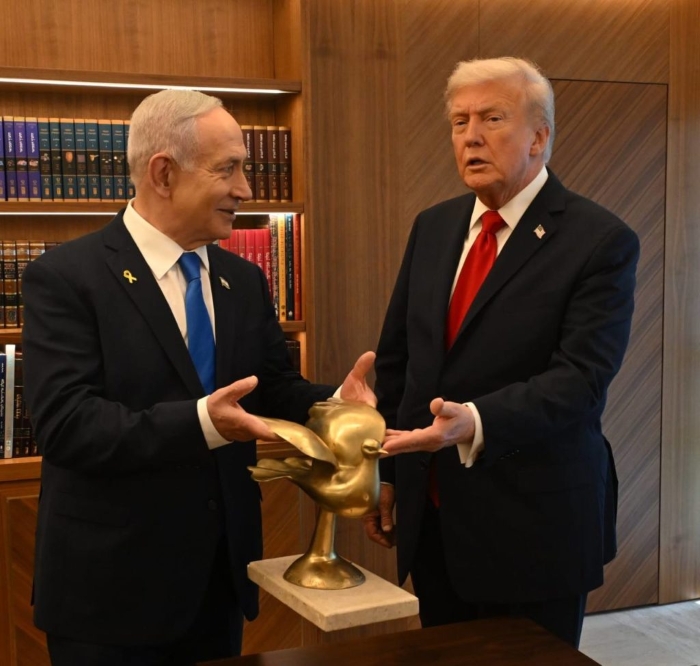
On October 13, U.S. President Donald Trump visited Israel, honouring hostages release event. Responding to journalists’ questions, he stated that the war between Hamas and Israel is over, emphasizing that Israel has achieved its objectives on the battlefield and should now move to a phase of peace and recovery. Trump also announced that after the Israel-Hamas regulation, his next diplomatic focus would be Ukraine.
Achievements and concerns
After decades of conflict, multiple wars, and fragile ceasefires, both sides remain deeply distrustful. Neither Israel nor Hamas is willing to fully commit to peace without strong international guarantees. There are concerns that the ceasefire period could be used by either side to rearm. Additionally, since Hamas is not a recognized state actor, the implementation of international humanitarian law and the legitimacy of any agreement become more complex.
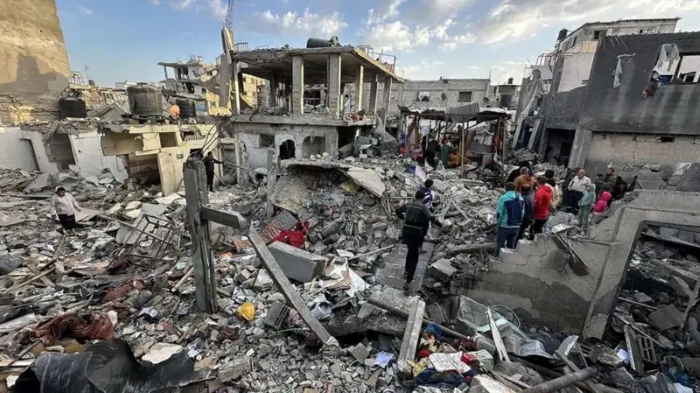
Nevertheless, the first steps — the cessation of Israeli strikes and the return of hostages by Hamas — mark a significant and symbolic breakthrough. Trump also pledged U.S. assistance in rebuilding Gaza, underlining that stability in the region serves broader global interests.
Meaning for Ukraine
The Israel-Hamas agreement poses another challenge to the credibility of international law and the effectiveness of global diplomacy. If international norms prove fragile in the Middle East, it could weaken the very standards that Ukraine depends on in its struggle for sovereignty and justice.
Furthermore, the stabilisation in the Middle East may shift global attention and diplomatic resources back on Ukraine. Conflicts in this region also affect global energy flows, oil and gas prices, and international alliances — factors that could in different ways impact Ukraine’s economy and security environment.
Conclusion
The ceasefire agreement is a positive precedent for global peace efforts. For Ukraine, it also signals a potential redistribution of international focus and influence. The Middle East remains a volatile region, and while the current initiative may bring hope, its success will depend on the willingness of all parties to honour their commitments — and on the world’s ability to uphold the principles of international law consistently.