

The terrorist attacks on Ukraine during the colder months are neither new nor unexpected. Yet this season, the country’s gas infrastructure has also become one of the main targets. What are the predictions for the 2025–2026 season, what measures have been taken, and what risks remain?
Main Threats to the Gas System
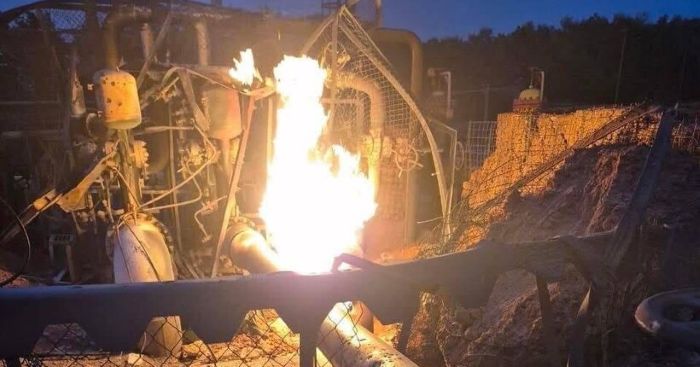
Each heating season since the beginning of the full-scale invasion has been a major challenge. According to Naftogaz, during the winter of 2024–2025, massive Russian strikes caused a loss of nearly 50% of state gas production, creating the risk of a “gas blackout.” However, a critical collapse was avoided thanks to gas imports and the rapid restoration of damaged infrastructure.
Signs of a new attacks scales suggest that the upcoming season could be even more difficult. Bloomberg reported in October 2025 that around 60% of Ukraine’s gas production capacity had been destroyed as a result of Russian attacks, according to Kyiv’s report to international partners. As a result, Ukraine needs to import fuel worth an estimated €1.9 billion to cover the deficit.
Following the October 7, 2025 attacks, Energy Minister Svitlana Hrynchuk announced that Ukraine plans to increase natural gas imports by 30%. This measure, however, will require an additional €2.5 billion in funding.
Even with sufficient gas reserves in underground storage facilities, heating risks remain high. Damage to distribution networks—especially in peripheral or frontline regions—seriously complicates the delivery of gas to end users. For example, the frontline city of Shostka in the Sumy Region was recently left without electricity, gas, and water simultaneously after a massive strike.
Prevention Measures
The most effective way to mitigate these risks is to build air-defence zones around critical gas facilities. However, Ukraine urgently needs more air defence systems, since the power grid also requires stronger protection.
Another key strategy is diversification of energy sources. Ukraine currently has guaranteed gas import capacities through interconnectors with Poland, Slovakia, Romania, and Hungary. As Deputy Minister of Energy Mykola Kolisnyk noted after the summer attacks, Ukraine is also testing gas supplies from new routes — LNG from the Baltic Sea and imports from the Caspian region, particularly Azerbaijan, as part of its diversification plan.
Conclusion
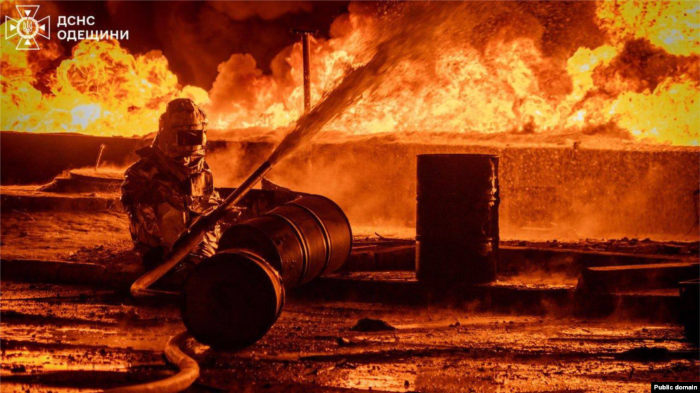
The 2025–2026 autumn–winter season will pose serious challenges to the stability of Ukraine’s gas supply. The main threats include physical attacks on production and transportation infrastructure, cyber threats, logistical difficulties, and extreme weather conditions.
The situation is especially dangerous in frontline areas, where gas networks are vulnerable, repairs are complicated, and humanitarian risks are high. Gas infrastructure has become one of the primary targets alongside electricity, as Russia aims to deprive Ukrainians of basic utilities region by region.
Ukraine’s air defence systems, while improving, cannot yet fully neutralize the growing number of threats. The scale of drone attacks, which was already massive last winter, is expected to be ten times larger this season. Ultimately, this winter could become a decisive test in many aspects for both Ukraine and Russia. The energy war intensifies, challenging exhausted wartime economies.
Daria Maslienkova