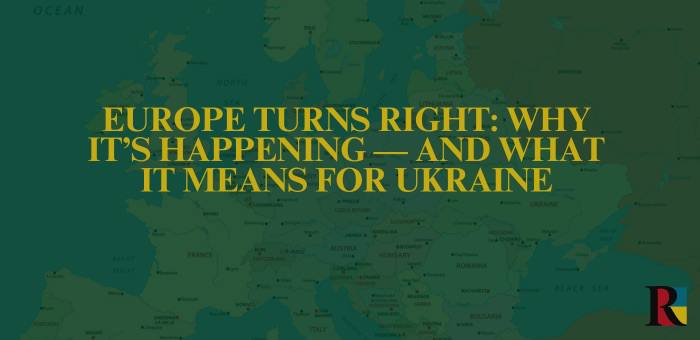


Europe is entering a new political cycle, where the right, from moderate conservatives to radical populists, is gaining support. While leaders of traditional parties are losing credibility due to slow reforms, economic uncertainty, and vague political messages, right-wing movements often offer simple answers to complex problems, resonating with voters. This crisis has been driven first by COVID-19 and later by challenges caused by Russia’s war in Ukraine.
The Right Attitudes Map
In Britain, right-wing movements have gained popularity, by mobilizing protests as well. The anti-immigration demonstration under the slogan “Stop the Boats” was initiated by Tommy Robinson, a far-right activist and f Advance UK party member, who opposes UK aid to Ukraine. According to a YouGov survey reported by Reuters, if elections were held at the beginning of 2025, 26% of Britons would vote for Labour, and 25% would vote for the far-right Reform UK.
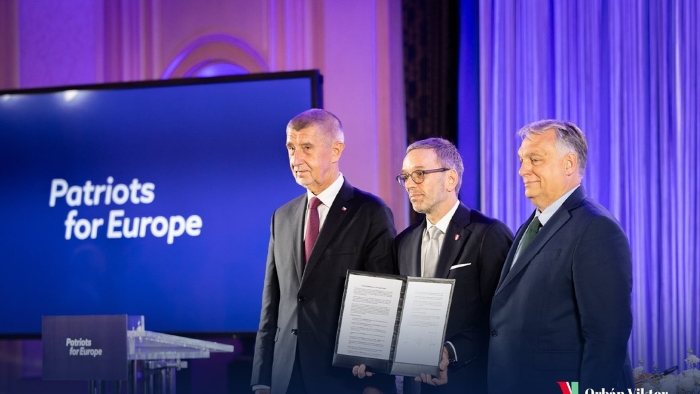
In the Czech Republic, the ANO movement of former prime minister, billionaire, and Eurosceptic Andrej Babiš won the elections to the Chamber of Deputies.
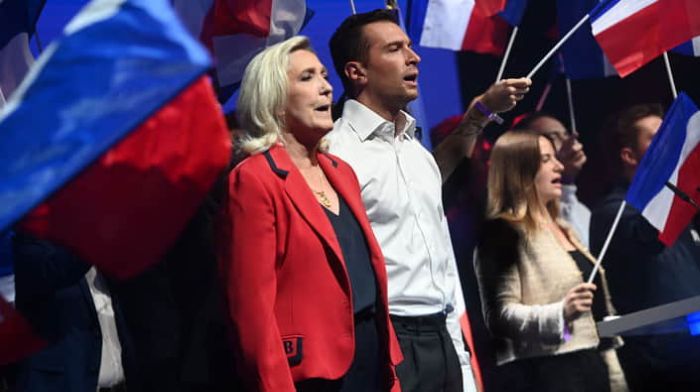
In France, President Macron is facing a new crisis. Research by Elabe indicates that leaders of the far-right National Rally, whether Marine Le Pen or Jordan Bardella, have the highest chances of winning the first round of the 2027 presidential election.
During the Polish presidential election, right-wing and far-right candidates gained significantly more votes than expected, with conservative Karol Nawrocki emerging victorious.
In Germany, the Alternative for Germany (AfD) party ranks second in national polls.
In the Netherlands, the far-right Freedom Party is currently in power. The Austrian far-right Freedom Party, known for criticizing assistance for Ukraine, won 29% of the vote in the parliamentary elections 2024. The most consistent Euroscepticism can be observed in Slovakia and Hungary.
Meaning for Ukraine
For Ukraine, these political shifts often imply reduced assistance, as manipulation of aid is frequently used by these governments as a way to protect domestic economic interests.
In France, the rise of far-right candidates could shift politics toward pro-Russian stance or ambiguity.
Nigel Farage, leader of Reform UK, previously claimed NATO provoked Putin but later expressed support for Ukraine’s accession to NATO.
Andrej Babiš supports Ukraine rhetorically in conversations with President Zelenskyy, yet earlier stated he would not provide funds for Ukrainian weapons.
Hungary’s centre-right Fidesz party is somewhat favourable toward Ukraine in rhetoric, but Prime Minister Orbán has already called it “a Ukrainian party in Hungary.”
But right does not always mean sceptical about Ukraine: Italy under Giorgia Meloni leadership with her conservative “Brothers of Italy” maintains good relations with Ukraine, balancing national conservative policy with pro-European security priorities.
Conclusion
Citizens across Europe are searching for change and concrete solutions, which explains the swing of the political pendulum to the right. Right-wing movements often communicate effectively through digital channels, using simple but creative messages that resonate with a wide audience. Furthermore, political shifts in one country often set a trend for neighbouring states. The most dangerous thing is that while manipulation about assistance for Ukraine is being used actively, Russia continues challenging NATO directly.
Daria Maslienkova