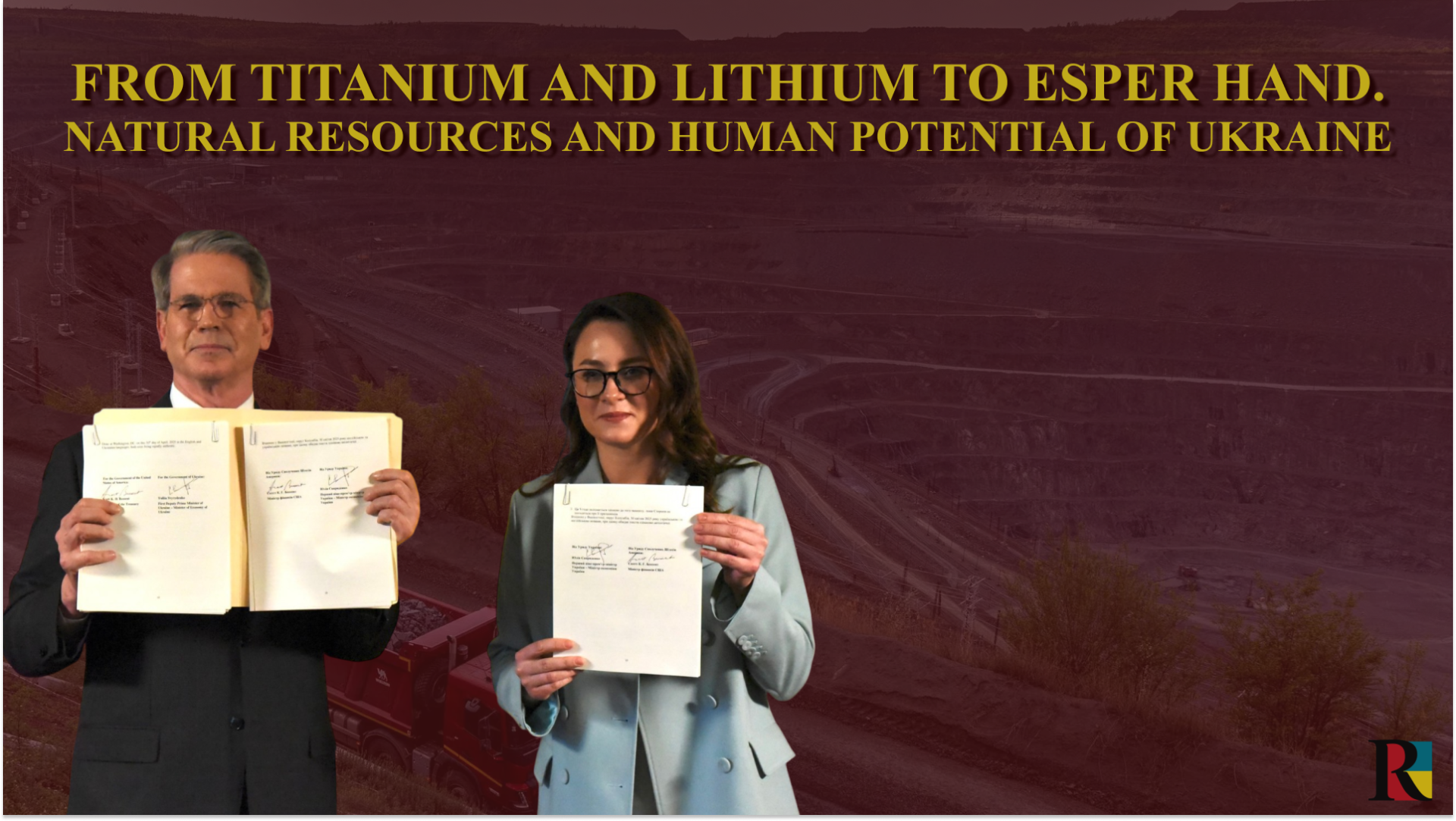


In recent months, the key topic in the world’s leading media has been the discussion and signing of an agreement between Ukraine and the United States of America on joint mineral extraction. Ukraine has the largest explored deposits of certain types of extremely valuable rare minerals in Europe. Their extraction requires multibillion-dollar investments, the use of modern technologies and sophisticated expensive equipment, the creation of appropriate infrastructure (roads, bridges, railways), and a lot of labor. As a result, huge profits can be made. But the enemy is not sleeping either: the Russian occupiers are relentlessly hunting for natural resources, trying to capture as many Ukrainian fields as possible.
But when discussing the possibility of large-scale extraction of valuable minerals, many people forget about other equally important potentials and prospects that Ukraine has accumulated, has and is developing. These include agriculture, which is beginning to recover even during a full-scale war, certain business segments that can successfully compete with Western companies in terms of the quality of goods and services, the military-industrial complex, which is turning into a high-tech monster, and Ukrainian science, which provides qualified personnel for all of the above industries.
Underground wealth of Ukraine
According to the State Service of Geology and Subsoil of Ukraine, the country has a unique mineral resource base, the wealth of which is due to the peculiar geological structure of its territory. Prior to the Russian aggression, more than 20,000 deposits of 117 of the world’s 120 most used metals and minerals were discovered in Ukraine’s subsoil, more than half of these deposits were of industrial importance, and more than two thousand mining, processing and enrichment enterprises operated on the basis of these deposits.
The publication Mineral Resources of the State Service of Geology and Mineral Resources of Ukraine wrote:
Ukraine has the ability to meet both its own needs and export such important minerals and products of their processing as iron, manganese, titanium, zirconium, potassium salt, table salt, sulfur, bentonite clay, graphite, kaolin, flux raw materials, clay for refractories, and decorative and facing materials.
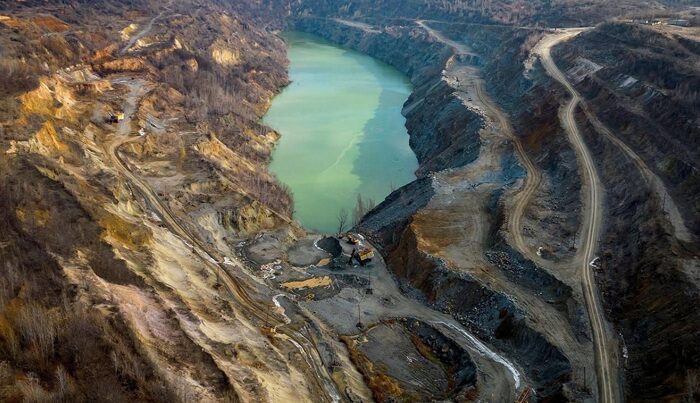
It is worth noting that some information on certain types of minerals in Ukraine is classified due to their strategic importance, in particular for the military industry.
The Canadian geopolitical risk analysis firm SecDev conducts its own research on the types and volumes of Ukrainian mineral resources. The volume of deposits and production of valuable and rare minerals in Ukraine before the full-scale Russian invasion and annexation of the territories is impressive.
Ukraine has a rich profusion of mineral resources and belongs to major countries with abounding mineral resources… The unique quality mineral deposits located conveniently for the development of mining complexes represent a number of Ukraine’s minerals. In Ukraine a large-scale extraction of kaolin (18% of global volume), manganese (10%) and iron (4%) ores, uranium, titan, zirconium, germanium, graphite (4%), as well as bromine, ochre, non-metallic metallurgical raw materials (quartzite, fluxing limestone and dolomite), chemical raw materials (brimstone, rock and potassium salt), facing stone (granite, gabbro, labradorite), and glass sand is under way.
Ukraine also has significant reserves of fuel and energy raw materials in its subsoil. Prior to the Russian aggression, geological exploration was carried out and new fields were discovered.
Oil and gas fields in Ukraine are concentrated in three regions: Eastern (238 fields), Western (111 fields) and Southern (42 fields).
The publication Mineral Resources of Ukraine:
The State Balance of Mineral Reserves of Ukraine accounts for natural gas reserves in 391 fields: on-balance sheet (recoverable) in the amount of 993,296 million m3 and off-balance sheet – 20,453 million m3. It should be noted that 95.1% of gas reserves are concentrated in 376 onshore fields, and 4.9% in 15 offshore fields of the Azov and Black Seas. In 2013, 5 fields were discovered in Ukraine within the Eastern region. Prospective free gas resources of 756,469 million m3 were estimated in 172 prospective areas prepared for deep drilling and 146 undiscovered layers of fields.
Ukraine has 190 oil fields and 211 gas condensate fields. 53% of proven oil reserves are located in the eastern regions. Prior to the outbreak of hostilities, Ukraine produced 1,654 thousand tons of oil per year (76.15% of total Ukrainian production).
Ukraine ranks first in Europe and 7th in the world in terms of geological reserves of fossil coal. Ukraine has over 41 billion tons of coal reserves. The hard coal reserves are mainly distributed in two basins — Donetsk and Lviv-Volyn. As a result of the 2014 aggression, the most modern coal mining enterprises in Donetsk and Luhansk regions came under Russian control. At the beginning of 2025, due to the approaching hostilities, Pokrovske Mine Administration, the only one in Ukraine and one of the largest coking coal mining enterprises in Europe, stopped working.
Critical minerals are the treasures of the 21st century
Ukraine’s subsoil is rich in minerals that are considered critically important.
Yulia Svyrydenko, First Deputy Prime Minister of Ukraine – Minister of Economy of Ukraine:
We will extract critical materials and create products from them. Ukraine has the largest reserves of lithium, titanium and significant deposits of other minerals in Europe.
The country has about 1% of the world’s titanium reserves (8 million tons). Prior to the full-scale invasion, it accounted for 7% of the world’s titanium ore and titanium concentrate production. Ukraine’s confirmed nickel reserves are estimated at 215 thousand tons, out of global reserves of 58 million tons. In addition, nickel ores contain cobalt, which is estimated to be up to 100 thousand tons in Ukraine, or slightly less than 1% of the world’s reserves.
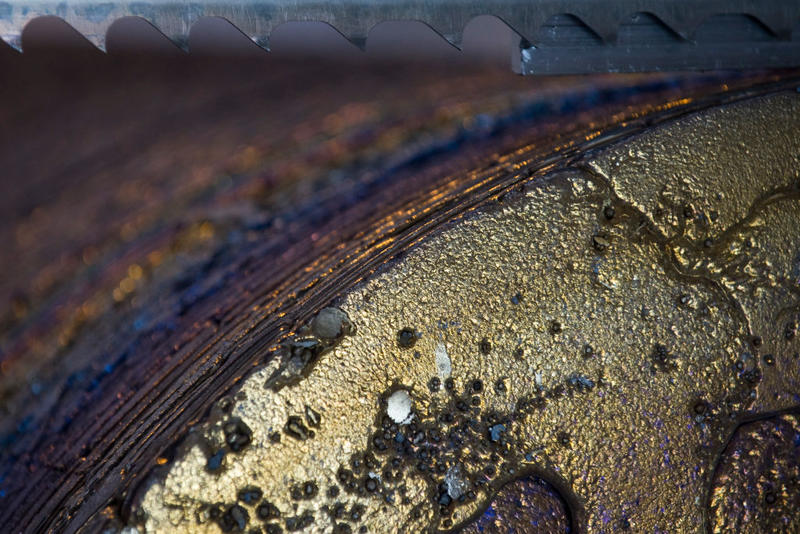
Ukraine is among the top five countries in the world in terms of graphite reserves, which amount to about 19 million tons of ore with natural graphite content of 5-8%. Six deposits have been explored, one of which currently produces 5.5 thousand tons of graphite concentrate annually.
Lithium is another strategic mineral that has been explored but not yet mined in Ukraine. The main areas where lithium is used are in the ceramic and glass industries, in the production of lubricants, synthetic rubber and plastics, air conditioners, and agricultural chemicals. In recent years, however, lithium has been used in other areas, making it one of the most sought-after metals in the world. Due to its efficient energy storage per unit weight, lithium has become almost indispensable in the production of batteries for electric vehicles, mobile phones, etc. Its estimated reserves in Ukraine are 500 thousand tons. This is about 2-3% of the world’s reserves.
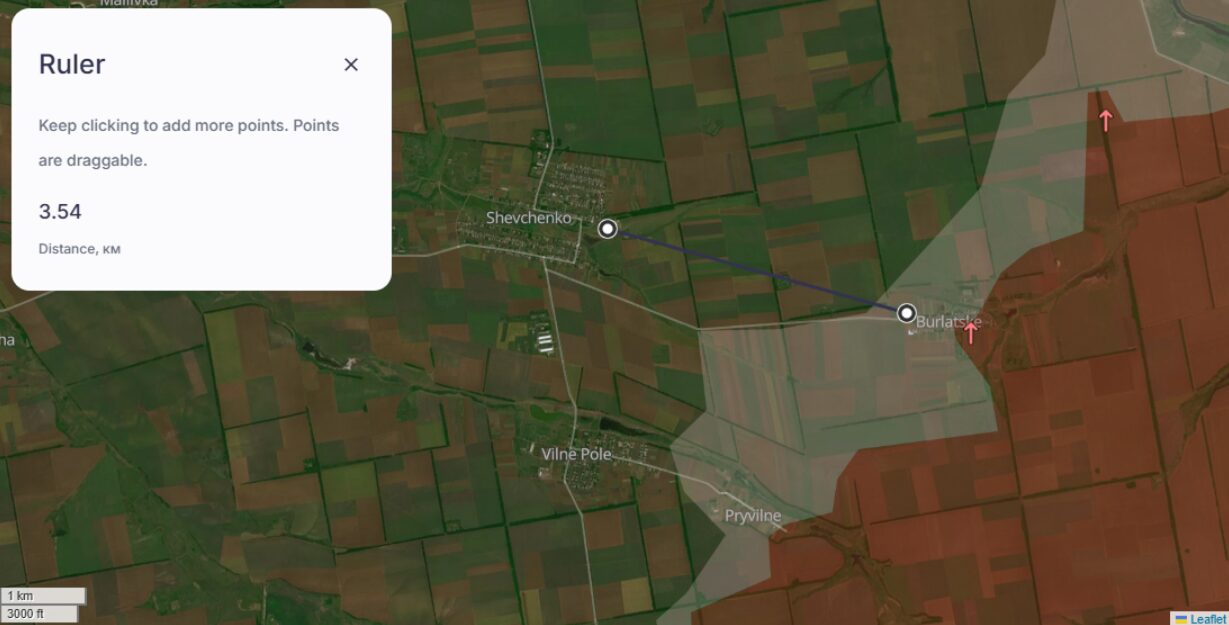
One of the largest explored lithium ore deposits, Shevchenkivske, is located on the eastern outskirts of the village of Shevchenko in Velykonovosilkovsky district of Donetsk region. The deposit was discovered in 1982. Among the minerals are lithium ores and associated minerals: tantalum ores, niobium ores, beryllium ores. Today, only 3 kilometers separate the completely destroyed village from the front line. As late as the end of last year, a few locals could be found here. Among them were those who participated in the exploration of the deposit 42 years ago. An exploration expedition from Novomoskovsk (now the city of Samar in Dnipropetrovska oblast) hired villagers as auxiliary workers. At that time, there was no significant demand for lithium, so geological exploration was the only thing they did.
From the presentation by Ukrainian scientists Svitlana Vasylenko (PhD (Geology) Senior Researcher at the National Academy of Sciences of Ukraine) and Ulyana Naumenko (Senior Research Scientist at the Institute of Geology Sciences of the National Academy of Sciences of Ukraine) at the International Scientific Discussion: Problems, Challenges and Prospects conference, Brighton, UK:
Ukraine can be considered the richest country in Europe in terms of proven reserves and explored resources of lithium. Ukraine can fully meet its own needs and supply lithium raw materials to the Western European market. The Shevchenkivske spodumene ore deposit can be considered the most attractive in terms of current conditions and trends in the global and Western European lithium markets.
The full-scale aggression of the Russian Federation has had an extremely negative impact on mining and related industries. Mykhailo Nepran, First Vice-President of the Chamber of Commerce and Industry and a member of the Ukrainian Business Council said:
Doing business during the war is risky… If we are talking about the Ukrainian economy, the State Statistics Service does not have clear statistics that would show how many contracts have been terminated, how many investments have not been received. We can estimate this by other indicators. One important indicator is exports. In 2021, Ukraine exported $68 billion worth of goods, with the largest share going to metals and metal products, minerals, and food in third place. And in 2024, agricultural products were in the first place, and not just food, but raw materials such as sunflower, corn, and wheat. Metals and ores came next, mostly as raw materials, not finished products. Exports have decreased from $68 billion to $21 billion. This is the deindustrialization of exports, unfortunately. This was caused by the hostilities and the loss of large enterprises in Mariupol, where there were two metallurgical giants.
A flagship operating during the war
So, agriculture is now a leader in exports. How has the war affected this traditionally key Ukrainian industry?
Before Russia’s full-scale aggression, Ukraine’s agricultural land totaled 41.3 million hectares, 68.5% of the country’s total area. Of this agricultural land, 32.7 million hectares were arable land (cropland). By comparison, France and Spain have 27.4 million and 23.9 million hectares of agricultural land in use, respectively. The annual growth of Ukraine’s agricultural sector was 5-6%. Ukraine was a leader in international trade in sunflower oil (first in the world), rapeseed and barley (third and fourth, respectively) and other products, and was among the five largest grain exporters in the world; farmers exported three quarters of what they produced, while domestic grain consumption was only 20-25%.
Denys Marchuk, Deputy Chair of the Ukrainian Agrarian Council:
2021 was one of the record years, we harvested more than 100 million tons of oilseeds, the country was gaining momentum, and the development potential was improving every year. But with the occupation, we lost about 20% of our land, about 5 million hectares were occupied. After the de-occupation of parts of Kharkiv and Kherson regions, we managed to return about 1.7 million hectares of agricultural land, where we cannot work because everything is mined and covered with artillery shells.
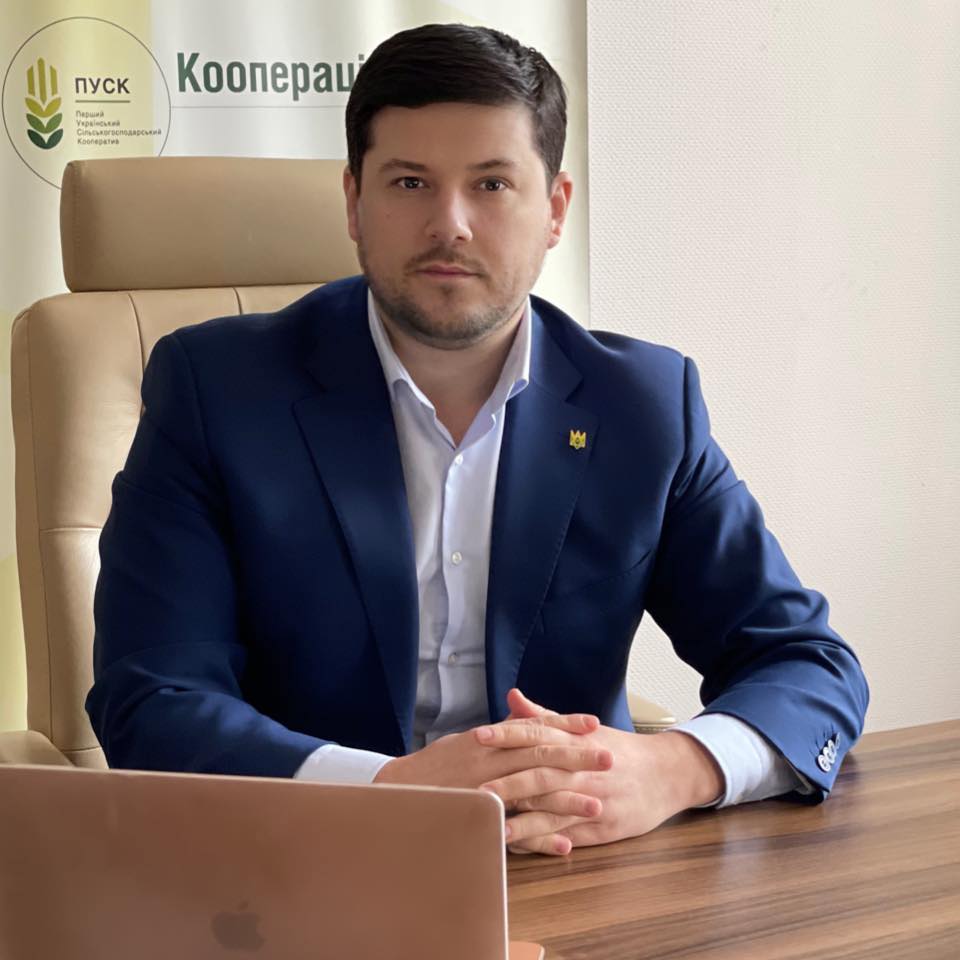
It may seem unbelievable, but in 2024, Ukrainian farmers exported oilseeds worth even more than in 2021 – $24.8 billion. According to Denys Marchuk, Deputy Chairman of the All-Ukrainian Agrarian Council, this was due to rising prices on world markets. Mr. Marchuk emphasizes that today Ukrainian farmers lack sown areas.
What is the fate of the agricultural land occupied by the Russians? Some of it was nationalized, some of the land was transferred to collaborators. Ukrainian farmers who left the occupied territories felt a double blow. Denys Marchuk:
Those farmers who have lost their land and left, they have no support in Ukraine. The Ukrainian Agrarian Council initiated a bill that freezes loan payments for these farmers. They have left and lost everything, but banks are demanding that they pay both the principal and interest. The bill was passed in the first reading. we are asking to freeze payments to these producers for the duration of the war and for a year after the war. this would be an important and correct signal that we have not abandoned our people.
Ukrainian grain stolen by Russians
The Russian aggressor has occupied more than 100 thousand square kilometers of Ukrainian territory. Along with the population, production facilities, minerals, and agricultural land. But this was not enough for the occupiers. In the occupied territories, they began stealing Ukrainian grain in huge quantities.
According to the KibOrg project team, which investigates Russian crimes in Ukraine, in 2023 alone, Ukraine lost at least 8.5 million tons of crops due to the occupation of the southern and eastern regions. Thus, the grain grown in the occupied part of Kherson region was exported by Russians to Rostov region and Krasnodar Territory, and other regions of the Russian Federation.
But Russians have always been characterized by cunning and cynicism. They not only steal Ukrainian grain for their own needs, but also supply it to different countries, sometimes at a reduced price, almost as a charity, and some of these supplies are even made with the assistance of the UN.
Ukrainian journalist Kateryna Yaresko monitors and documents Russian exports of Ukrainian grain to Turkey, Syria, Egypt, Iran, and Yemen. She said:
Unfortunately, the sanctions policy regarding the theft and export of grain from the occupied Ukrainian territories is hardly ever applied. Only a few vessels have been sanctioned, for example, the bulk carrier Enisei, which exported Melitopol grain to Venezuela from occupied Sevastopol in April 2024, was subject to European sanctions in June 2024. However, many vessels involved in the export of such grain are not covered by the global sanctions policy.
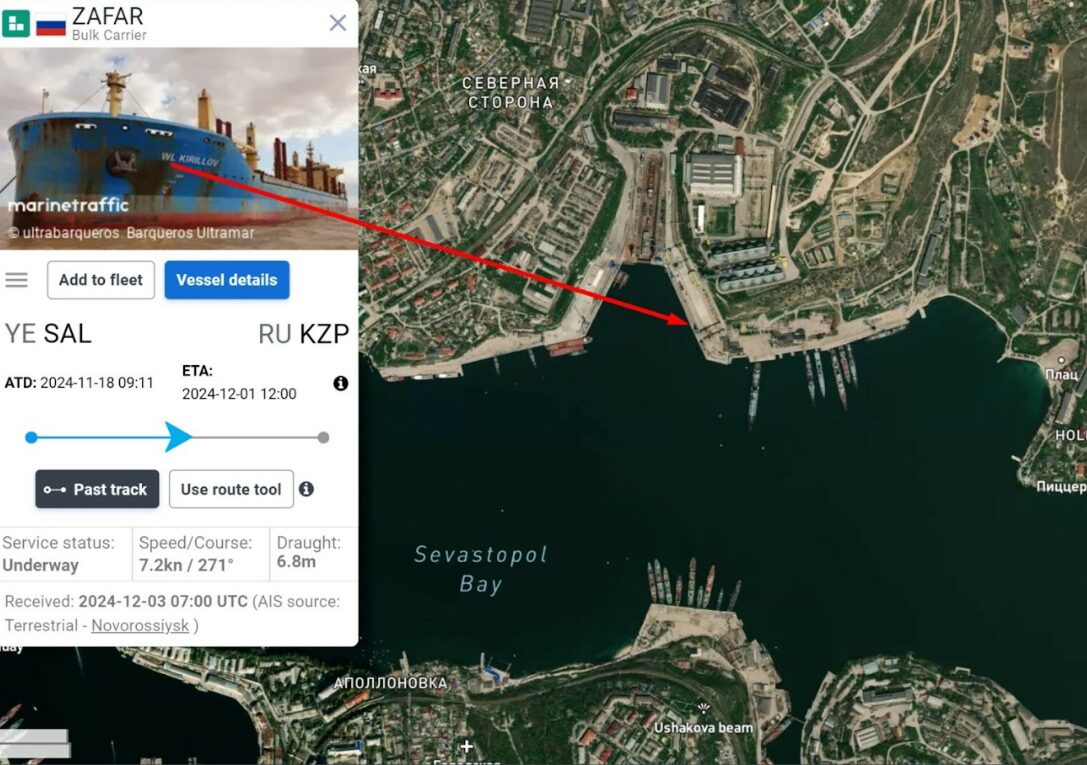
At the moment, there is no reason to even hope for a tough sanctions policy. On the contrary, sometimes the international community not only turns a blind eye to the crimes of the Russian occupiers, but also assists in the export of stolen grain. Kateryna Yaresko has gathered a solid evidence base of how the Russians exported wheat harvested in the occupied districts of Kherson and Zaporizhzhia regions to the Houthi-controlled Yemeni port of Saleef. It may seem paradoxical, but the grain supply was authorized by the UN mission – the UN Verification and Inspection Mechanism for Yemen (UNVIM). In total, 3 voyages of the Russian-flagged ZAFAR cargo ship from Sevastopol to Yemen were documented. Moreover, the Houthis received stolen Ukrainian grain at a cost below the market price.
Kateryna Yaresko:
Of course, the Russian aggressor uses grain for political influence. It uses complex schemes to conceal the origin of the grain and manipulates prices, so it is not always possible to understand the real goals. For example, wheat from the occupied Ukrainian territory was imported to Syria at prices one and a half times higher than market prices. This means that there are hidden additional agreements or corruption. And grain was supplied to Iran and Yemen at below-market prices. We can assume that Russia receives certain goods or services for this. Unfortunately, this is not recorded in the documents, and we do not know the true content of these agreements.
Ukraine-2025: struggle and development
Despite 11 years of hostilities, 3 years of a full-scale war of destruction waged by Russia against Ukraine, despite the occupation of territories and resources, the destruction of leading enterprises and entire cities, and the theft of grain by Russian occupiers, Ukraine has survived and continues to fight. And some sectors of the economy are developing and modernizing even under such conditions.
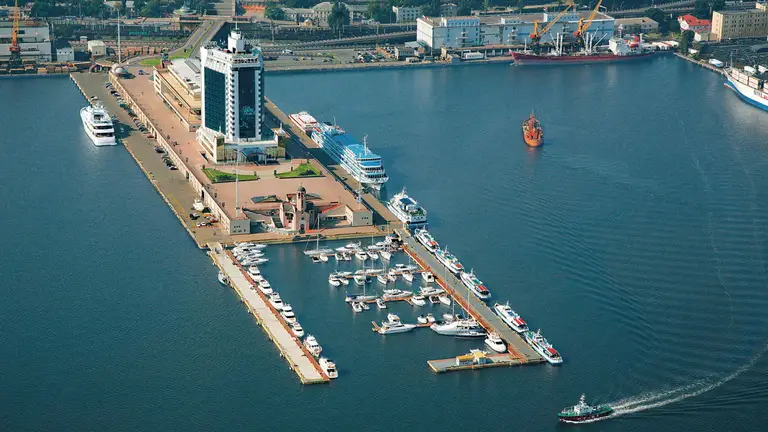
We are talking about agriculture in particular, where the situation is slowly stabilizing and exports are increasing. Mykhailo Nepran, First Vice President of the Ukrainian Chamber of Commerce and Industry, emphasizes that since last year, after the Russians were pushed out of the Black Sea, Odesa’s ports have resumed full operations. In addition, during the war, ports on the Danube River – Izmail and Reni – began to handle exports of Ukrainian agricultural products, which became a renaissance of the Danube ports.
But the military-industrial complex is quite logically the absolute leader in terms of development in Ukraine. With every year of war, the production of various types of weapons, such as unmanned systems, increases many times over. The most advanced technologies are being introduced. Currently, all manufactured weapons are used for defense purposes. But after the end of the Russian-Ukrainian war, a powerful military-industrial complex will allow Ukraine to return to the top ten leading arms exporters in the world, provide significant budget revenues, and increase its prestige and influence on the world stage.
Mykhailo Nepran:
If we don’t talk about the military-industrial complex, industries that serve the war in one way or another are actively developing… Some companies provide the army with food, others sew uniforms, shoes, make medical equipment or sanitary products. All these enterprises working for the war are developing quite actively today.
Bionics that gives a full life
One example of a business that is developing during a full-scale war, creating high-tech products, entering global markets, and expanding its production facilities in Ukraine is Esper Bionics, a startup. Highly qualified specialists develop bionic prostheses with intuitive control technology.
The company is currently focusing on increasing production of its flagship product, Esper Hand. This is a self-learning bionic prosthesis that uses digital signal processing, artificial intelligence, and machine learning technologies. It learns user behavior, predicts and intuitively changes movements, and allows performing everyday tasks with human-like dexterity.
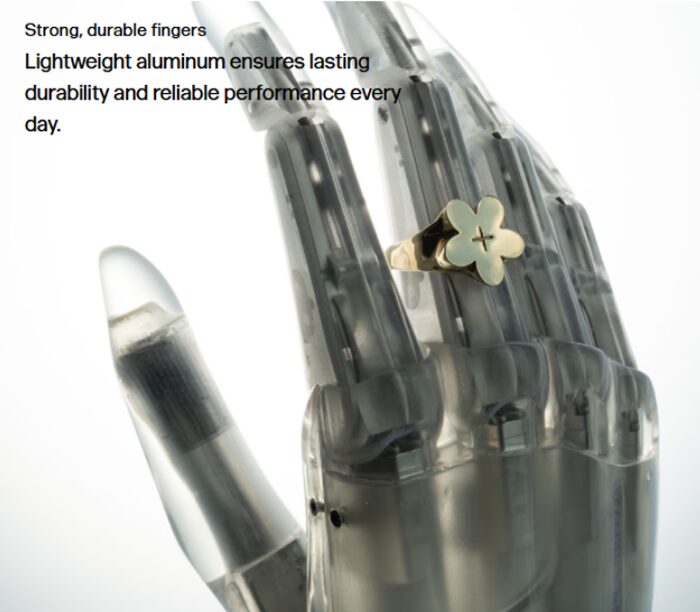
Human augmentation is the key to unlocking the full potential of humanity, and we are dedicated to advancing this technology for the betterment of all, – the founders of the project are convinced.
Esper Bionics was founded by Ukrainian enthusiasts in 2019. And in 2022, its first product, a bionic hand prosthesis, was named one of the best inventions of 2022 by Time magazine. The bionic robotic hand was called a prosthesis with amazing accuracy and one of the best inventions of mankind.
The company’s prostheses have US quality certificates, and until 2022, they were mainly supplied to this country. After the start of the Russian-Ukrainian war, Ukrainian veterans began receiving artificial limbs for free.
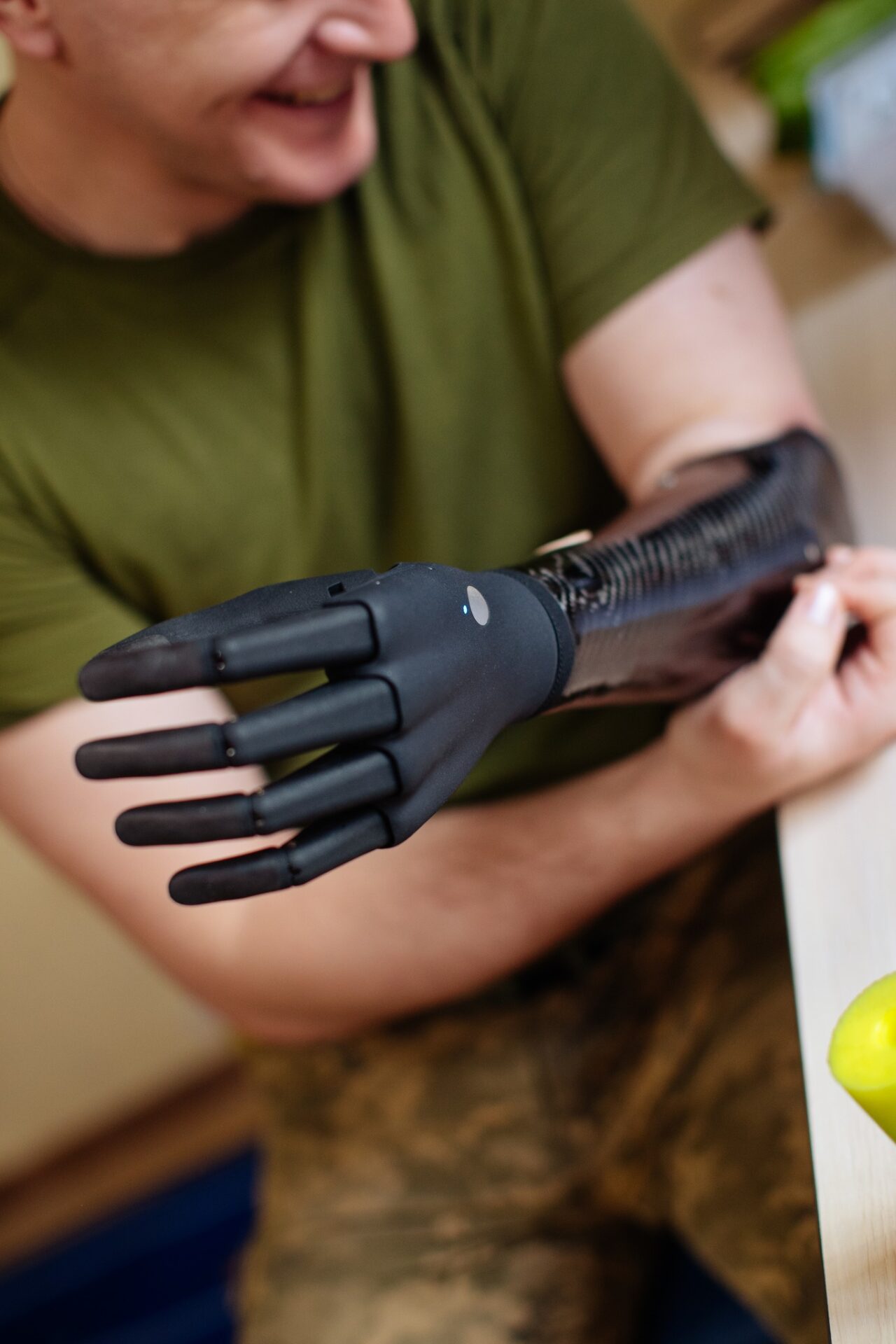
The main production facilities are concentrated in Kyiv. In total, the project employs 70 specialists, mostly Ukrainians, with an average age of 30. The company continues to expand its production capacity and staff, which undergoes special additional training, says Bogdan Diorditsa, Head of Esper for Ukraine.

We can’t look for and invite people from other companies because there are no other similar companies in Ukraine. So we are looking for people who are familiar with the area we need, and we train them additionally. Because we have very fine soldering of materials, small electronics… These are not always people with technical education: we have operators of CNC machines, specialists who are extremely scarce in Ukraine, and they have a theater education, but it so happened that they themselves studied to become technical specialists.
Last year, Esper Bionics attracted $5 million in investments to expand production and increase the number of employees. This allowed the company to increase the production of bionic prostheses to 500 per year. Further development is planned in 2025: obtaining quality certificates to enter European markets in the second quarter, as well as attracting new investments to increase existing production and create new products.
Bogdan Diorditsa:
If we’re talking about the prosthetic industry, historically, both during the First and Second World Wars, these are the times when such companies get a very strong push forward.
At the same time, the company launched a volunteer project to employ veterans with prosthetic limbs. Bogdan Diorditsa:
At first, it was chaotic and spontaneous, but over time, we realized that updating a person’s functionality is not only about replacing a limb with an artificial one, but also about providing an opportunity to work. This is a very complex task involving psychologists, therapists, psychiatrists, and career counselors. And, of course, explaining to businesses that hiring veterans is not only a social responsibility, but also a very big business advantage.
Education and science: development despite the war
Education and science are the areas that determine the future of the country. And the Russian aggressors have not managed to destroy them either. On the contrary, even in wartime, these sectors have shown flexibility, continued their development, responded to the needs of the times, and supported the armed forces of Ukraine.

Paradoxically, since the beginning of the full-scale invasion, the number of students in higher education in Ukraine has increased from 105,000 to 170,000. This may be partly due to a desire to avoid mobilization. At the same time, every university has teachers and students who have voluntarily joined the ranks of the Armed Forces of Ukraine. For example, in early 2025, dozens of students and faculty from Mechnikov Odesa National University are defending the country.
We are in touch with them and there are numerous cases of students mastering the curriculum despite their participation in hostilities, even taking exams directly from the trenches. I believe that this is one of the most striking proofs of our students’ thirst for knowledge. We must and will remember everyone in the university community who gave their lives for the right to be free! – said Vyacheslav Truba, Rector of the I. I. Mechnikov ONU.
Despite the war, students from other countries have not left Ukraine. Today, 27,000 foreigners study at Ukrainian universities. These are primarily citizens of countries such as China, India, and Azerbaijan. Thanks to a fairly high-quality system of higher education, before the full-scale war, Ukraine earned $3 billion from teaching foreign students.
Dmytro Shevchuk, Vice-Rector for Research and Teaching, The National University of Ostroh Academy:
I think we will restore and improve this potential. Our university, for example, conducts research on military psychology, psychosocial support, community resilience analysis, and the development of effective veteran policies very intensively and in a short time. Not to mention robotic systems and computer technologies for managing complex processes. All of this forms the basis of new courses and educational programs. I am sure that such proposals will be of interest to foreigners.
But Ukrainian higher education institutions do not only provide educational services to foreigners. Support from Ukraine’s partner countries is extremely important today. For example, Mechnikov Odesa National University was a partner of the University of Gdansk in the Polish Academic Exchange Program, which aims to increase the academic mobility of Ukrainians to Poland. The interaction of Ukrainian students and teachers with European universities under a similar German program is also growing.
Thanks to the support of the World Bank and international partners of the Ministry of Education and Science, ONU, as a university that merged with another university as a result of reorganization, has 11 projects at various stages of implementation, which allows it to modernize and purchase unique scientific equipment.
The double degree program was introduced by the Semen Kuznets Kharkiv National University of Economics through international cooperation. Students have the opportunity to get additional education and work experience at European and British universities. For example, the university has become a member of the Twinning project, which has developed and is implementing a double degree program with a British university.
Currently, there are 19 active grant programs of various levels at KNEU. To ensure the quality of education and improve international cooperation, university teams participate in projects of the European University Association EUA and the German Academic Exchange Service DAAD.
Conclusion
Over 11 years of Russian aggression, more than 3 years of full-scale war with a powerful and insidious enemy, Ukraine has retained control over a significant part of its mineral resources, including strategically important critical minerals, and the traditional agricultural sector has survived and is slowly approaching pre-war levels. The military aggression did not destroy the economy; on the contrary, high-tech industries have emerged, the military-industrial complex and related industries are increasing production, and Ukrainian higher education institutions are integrating into the European education and science system, training young professionals who will directly participate in shaping the country’s future.
Petro Chumakov