

The New Seventh Wonder of the World from Ukraine
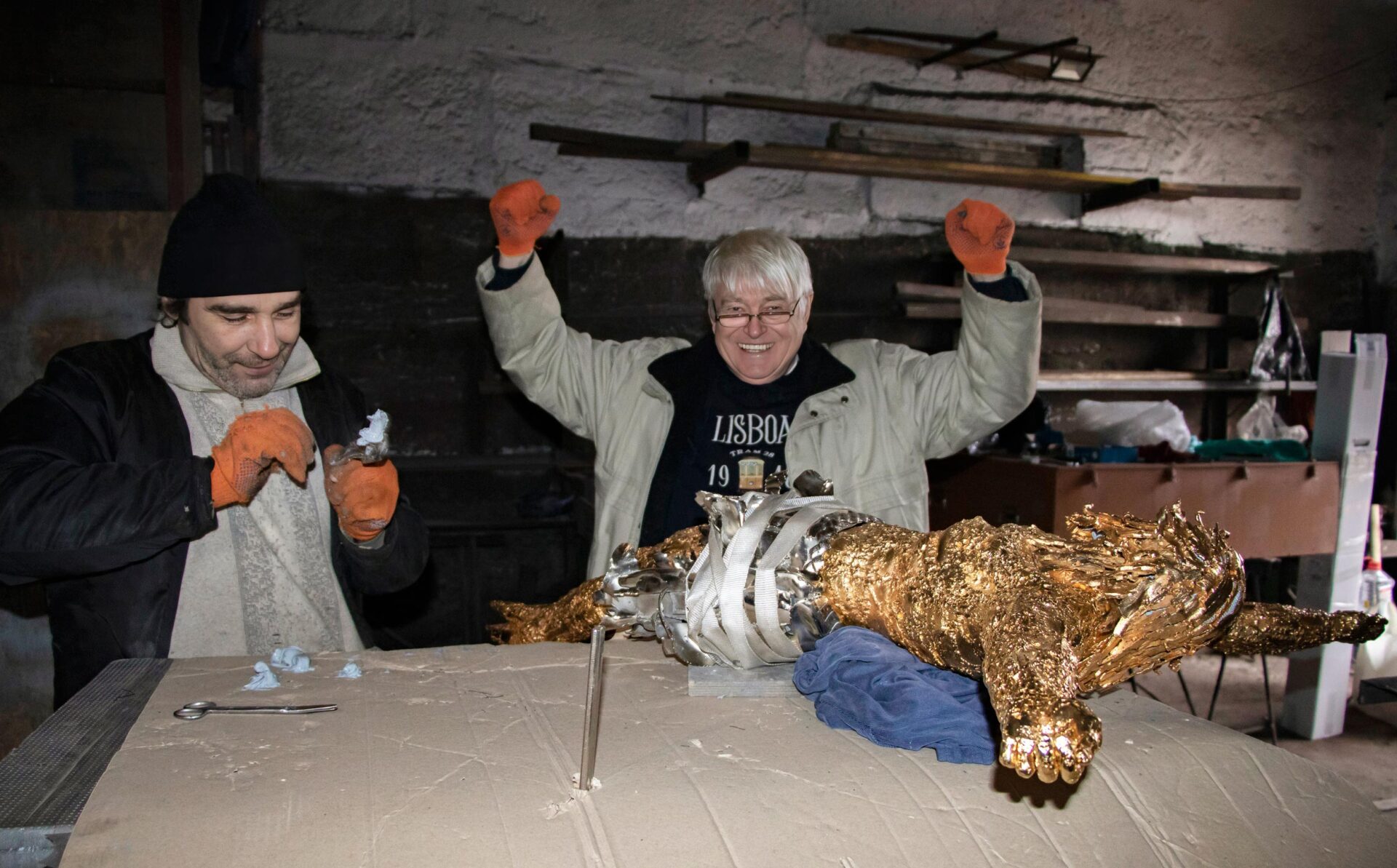
A piece of contemporary art has been created in Ukraine, unofficially regarded as one of the new Seven Wonders of the World. This is an installation called the “Cross of Peace,” featuring the crucifixion of Jesus Christ the Savior, assembled from 20,000 tiny fragments of military ammunition. The figure of the Savior, with a Ukrainian embroidered towel on His hips, is covered with a thick layer of pure 999.9 fine gold. Today, the Soul of Ukraine, an International Charitable Foundation, has brought the “Cross of Peace” to Poland for the Christmas holidays as a sign of the Ukrainian people’s profound gratitude for the unprecedented support of the Polish people in the epic battle of good versus evil. The first Polish city to host the golden crucifix of Christ the Savior will be Kluczbork, in the Opole Voivodeship.
In the heart of Ukraine, a monumental work of art has emerged — resonating far beyond national borders and carrying a profound message of hope, resilience, and unity. Sergey Melnikoff, an American artist of Cossack descent, in collaboration with master metalworker Viktor Bielchyk, has unveiled the Cross of Peace. This extraordinary installation, both a contemporary masterpiece and a historical artifact, intertwines themes of faith, sacrifice, and humanity’s capacity for redemption amid conflict.
Art from the Ashes of War: A Modern Masterpiece with Renaissance Reverence
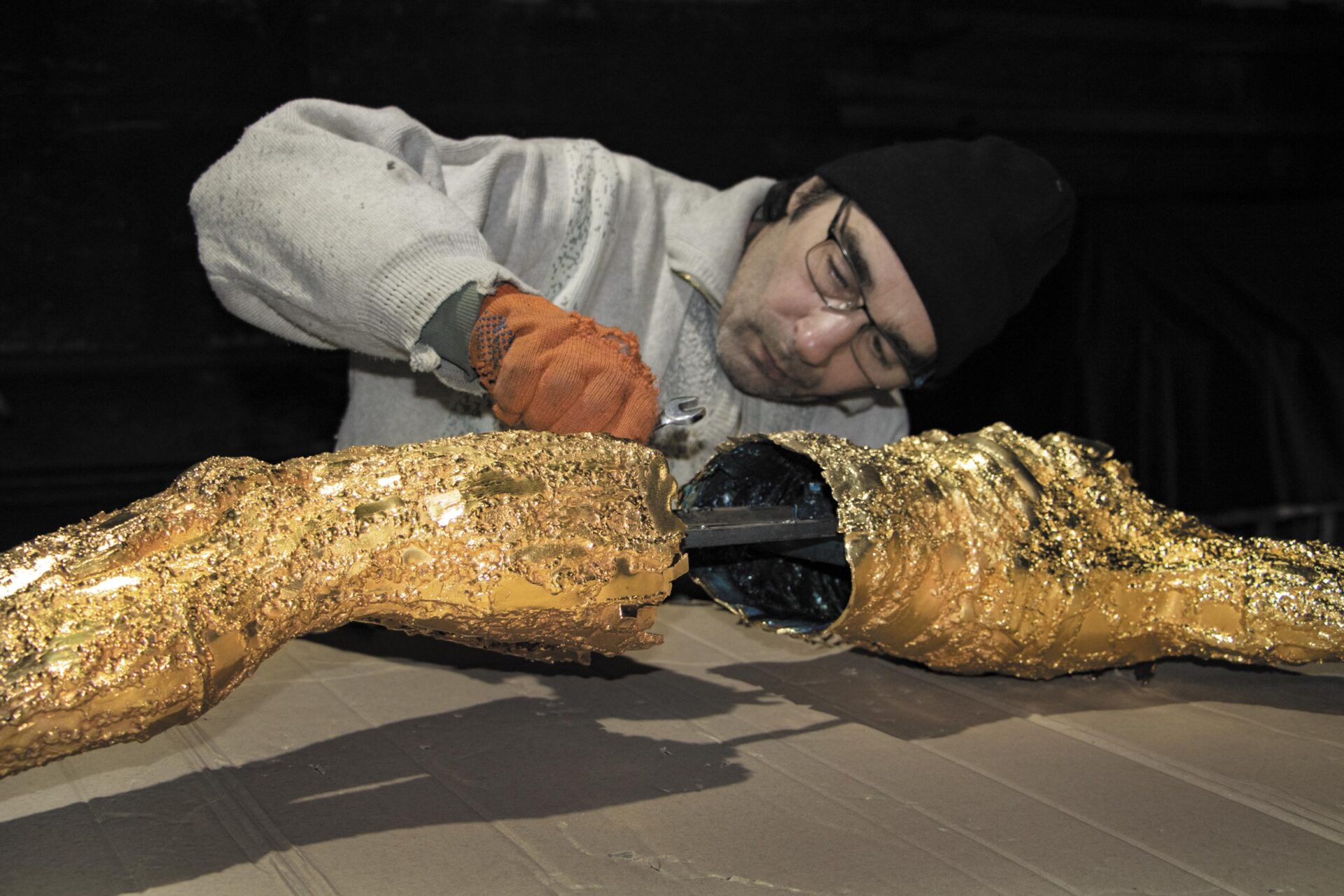
Created in a modest workshop in Odessa, the Cross of Peace is a transcendent response to the horrors of war. It is not merely a reflection of devastation — it is a reclamation of hope. Forged from the detritus of artillery shells, bombs, and water pipes salvaged from missile-struck Ukrainian homes, the sculpture transforms the raw remnants of destruction into a beacon of rebirth and reconciliation.
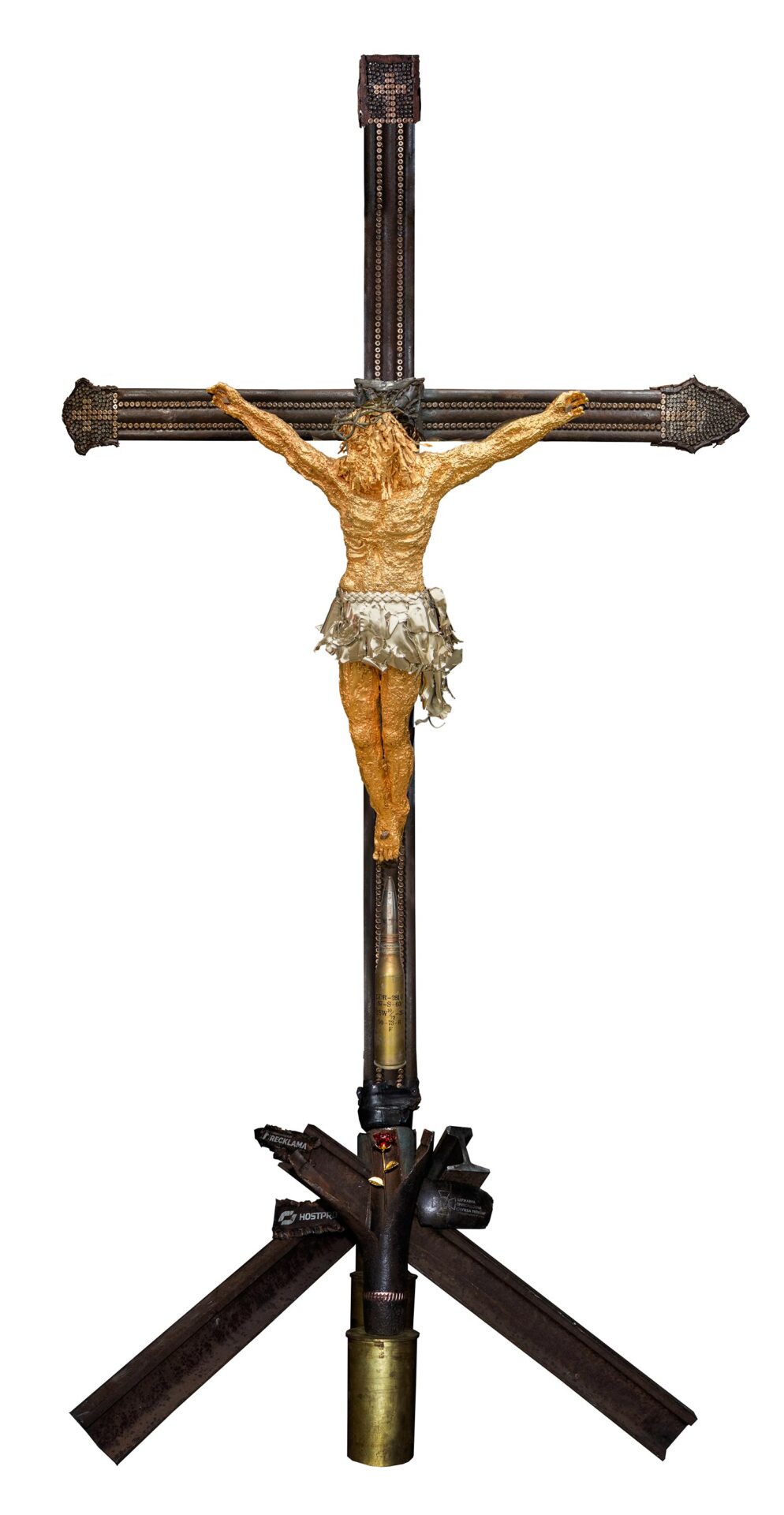
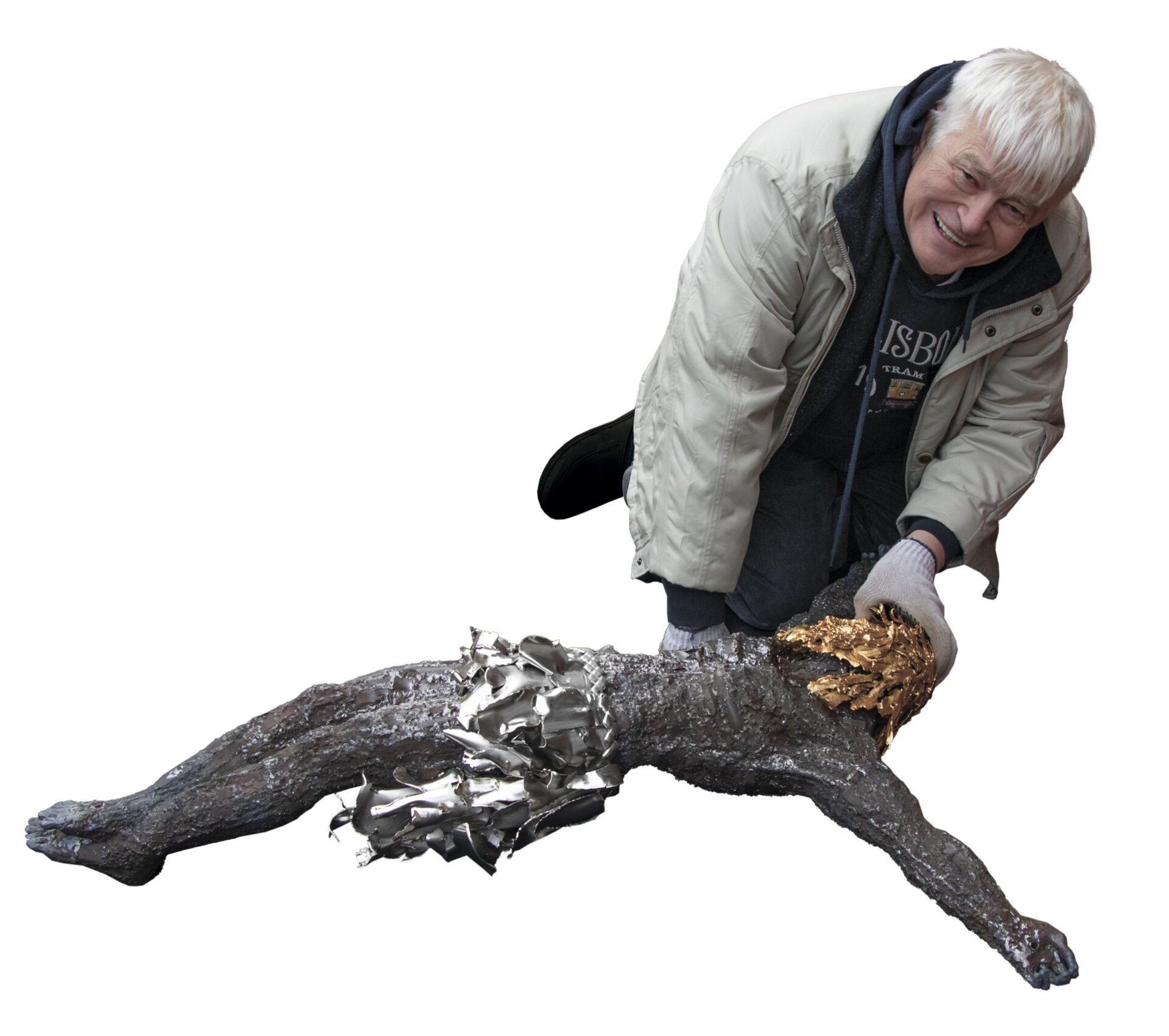
At the heart of the installation is the crucified figure of Christ, gilded in pure gold, showing His fingers in an eternal gesture of peace. The three-meter-high cross, covered in red rust and constructed from water pipes taken from bombed multi-story buildings in Kharkiv and Odesa, is a stark yet poignant reminder of the human cost of war. Every detail speaks to the duality of destruction and salvation. Thousands of machine-gun cartridges, once tools of violence, have been reimagined as intricate embellishments, symbolizing the resilience of the human spirit.
This profound juxtaposition between the materials of war and the figure of Christ radiating divine light creates a powerful visual and emotional impact, inviting viewers to reflect on the enduring interplay between human suffering and spiritual redemption.
Tragedy and Transformation
The choice of materials is deeply symbolic. The water pipes, sourced from Kharkiv and Odesa, speak to the immense loss endured by these cities, while their transformation into a sacred object underscores the resilience of Ukraine and its people. The cross’s intricate design integrates fragments of artillery shells and mortar rounds collected from battlefields and conflict zones. Embedded within the installation are tangible reminders of human tragedy, such as an artillery shell recovered from the devastated city of Izium.
In March 2022, Izium became a grim symbol of human suffering, subjected to relentless shelling that left residents without basic necessities like water, electricity, or medicine. An anti-tank hedgehog at the base of the cross, marked by its destructive past, now supports the figure of Christ — a poignant metaphor for humanity’s ability to rise from the ashes of devastation.
Further enhancing the symbolism, three brass casings from 152-millimeter howitzers, engraved with the names of cities most affected by Russian aggression—Mariupol, Bucha, and Izium — serve as steps to Golgotha, the hill of Christ’s crucifixion. These elements collectively tell a story of endurance and defiance, honoring the countless lives lost and shattered by war.
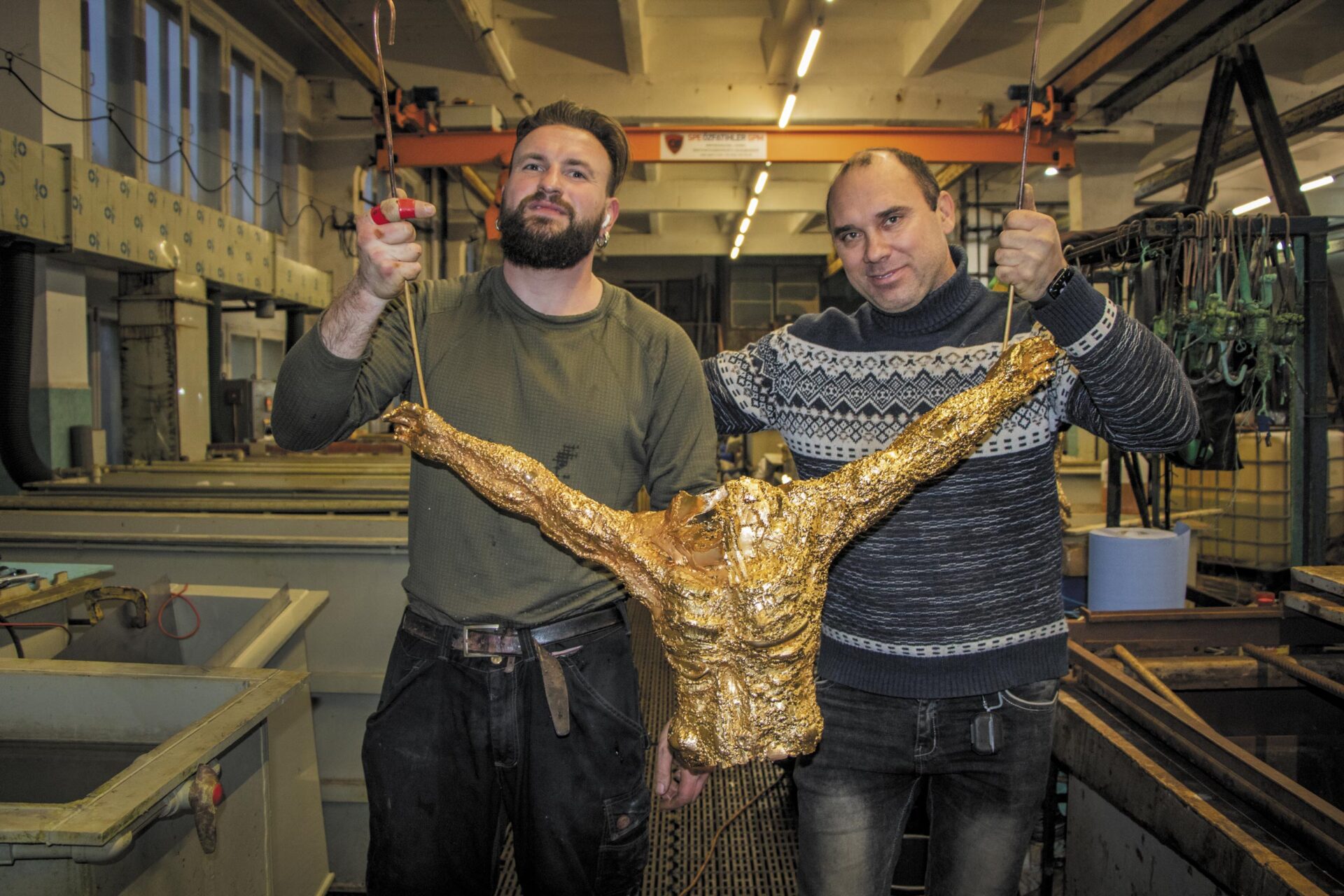
By decree of Patriarch Filaret of the Ukrainian Orthodox Church, dated December 9, 2024, Sergey Naumenko and Vitaliy Zhuk, employees of the Kyiv-based Metal Chemistry enterprise, were awarded the Orders of the Holy Equal-to-the-Apostles Prince Volodymyr the Great, I and II degrees.
A Universal Message: Ecumenism and Unity
The Cross of Peace transcends religious divisions, embodying a universal appeal for harmony. Its design incorporates elements from Orthodox, Catholic, and Protestant traditions, emphasizing a shared spiritual heritage while addressing historical schisms. This fusion transforms the sculpture into an ecumenical icon, uniting diverse faith communities in a shared aspiration for peace.
The traditional Ukrainian rushnyk, an embroidered towel draped around Christ’s waist, is more than an artistic flourish — it is a deeply rooted symbol of Ukrainian culture and identity. In this context, it represents the nation’s bloodied yet unyielding struggle for sovereignty and freedom. Beneath the cross, an anti-tank obstacle made from the railroad rails of a missile-struck Kharkiv streetcar depot reinforces the sculpture’s message of resistance and survival.
The Spear of Longinus: A Complementary Vision
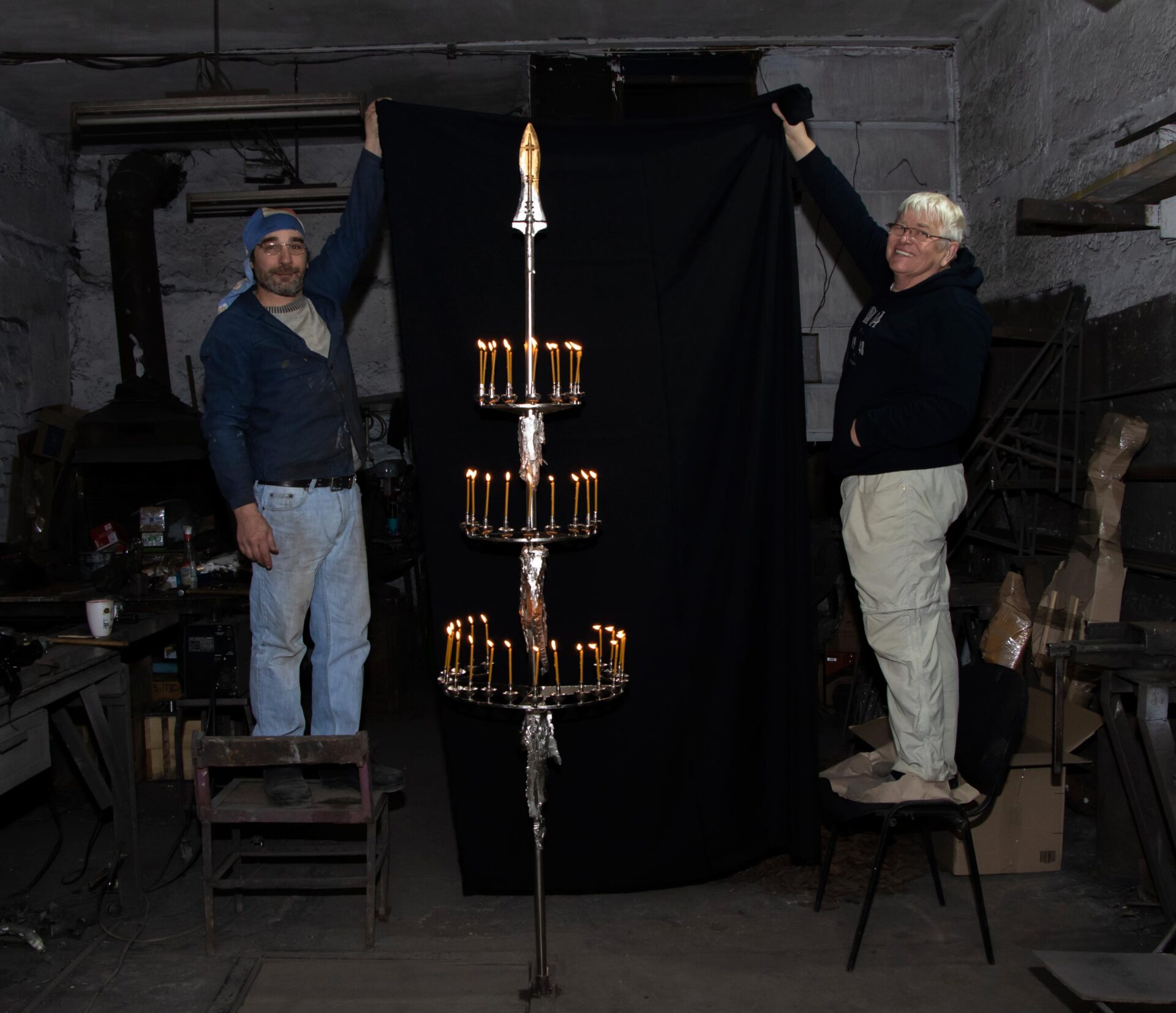
Adjacent to the cross stands the Spear of Longinus, an independent but complementary work. Forged from a pipe from a missile-struck building and ornamented with large fragments of artillery mines, the spear evokes the Biblical weapon that pierced Christ’s side during His crucifixion. Like the figure of Jesus, it is gilded in gold, symbolizing the possibility of redemption and grace. Together, these works form a cohesive narrative of sacrifice, suffering, and hope.
At the base of the cross lies a disintegrated artillery shell, out of which rises a red crystal rose on a golden stem. This fragile yet vibrant bloom symbolizes the blood of Christ and the enduring beauty of life amidst destruction. It serves as a stark reminder of the fragility of human existence and the enduring power of love and faith.
A Legacy for Generations
Sergey Melnikoff’s creation is more than a work of art — it is a call to action. By repurposing the remnants of war into a symbol of peace, the installation challenges viewers to transcend cultural, religious, and national divisions in pursuit of a shared humanity.
As one of the most ambitious and resonant works of contemporary art, the Cross of Peace represents a dialogue between humanity’s darkest impulses and its capacity for renewal. It captures the enduring spirit of Ukraine while addressing universal themes of resilience, hope, and unity.
With its powerful imagery and profound symbolism, the Cross of Peace is not just an artifact of the present — it is a timeless testament to the transformative power of faith, art, and the human spirit. It reminds us that even in the face of destruction, there is always the potential for redemption and renewal.
The message of the Cross of Peace — that beauty and hope can emerge from the ashes of war — resonates deeply in a world yearning for peace. Let this masterpiece stand as a beacon, illuminating the path toward a more just and compassionate future.
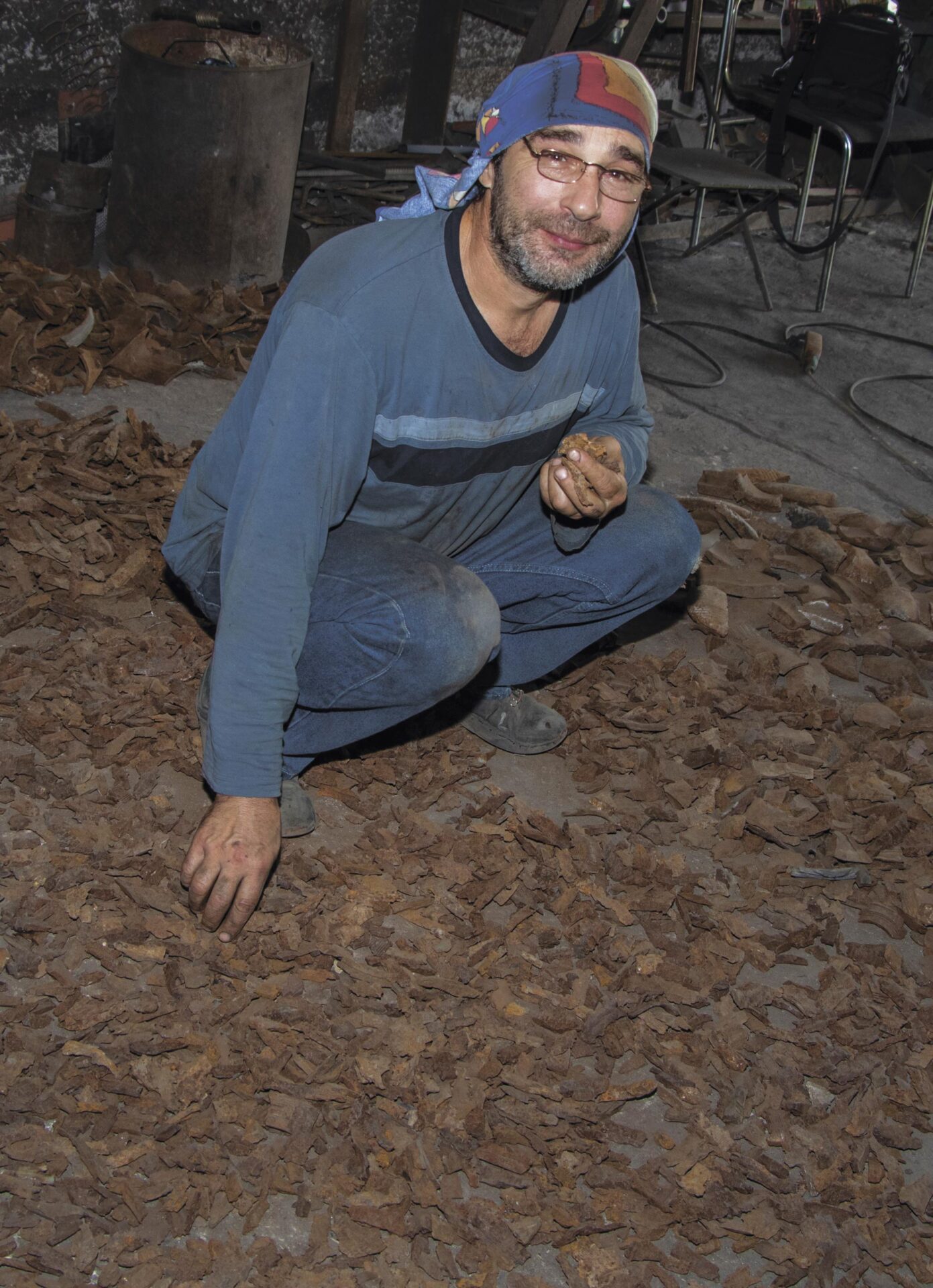
- 20 thousand pieces of debris
- 3 thousand machine gun shells
- 15 running meters of pipes
- 12 kg of welding wire
- 3 transport oxygen cylinders
- 400 grams of 999.9 gold
- 120 days of hard work
Tetiana Stelmakh
Photographs were taken by Mariia Universaliuk