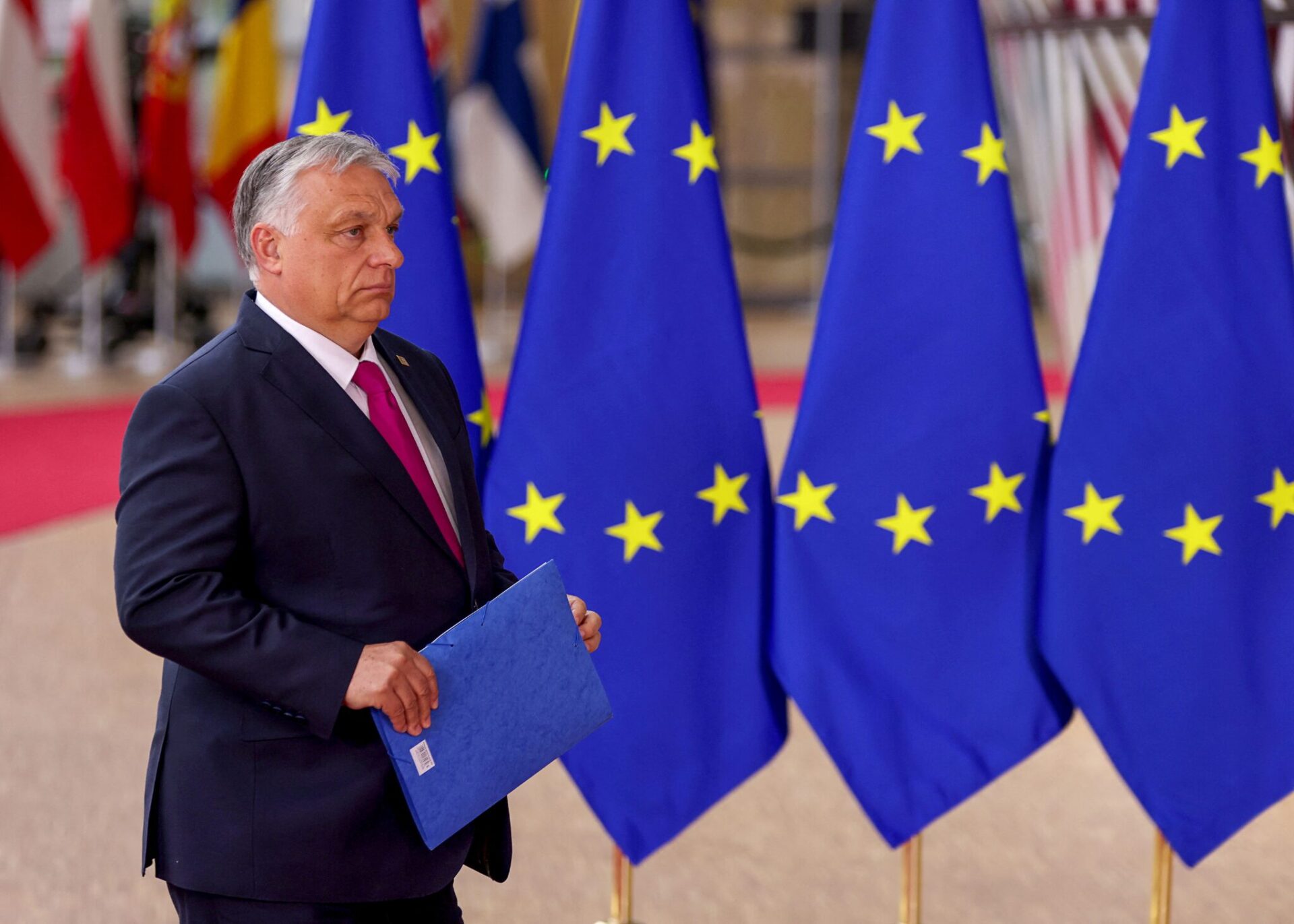


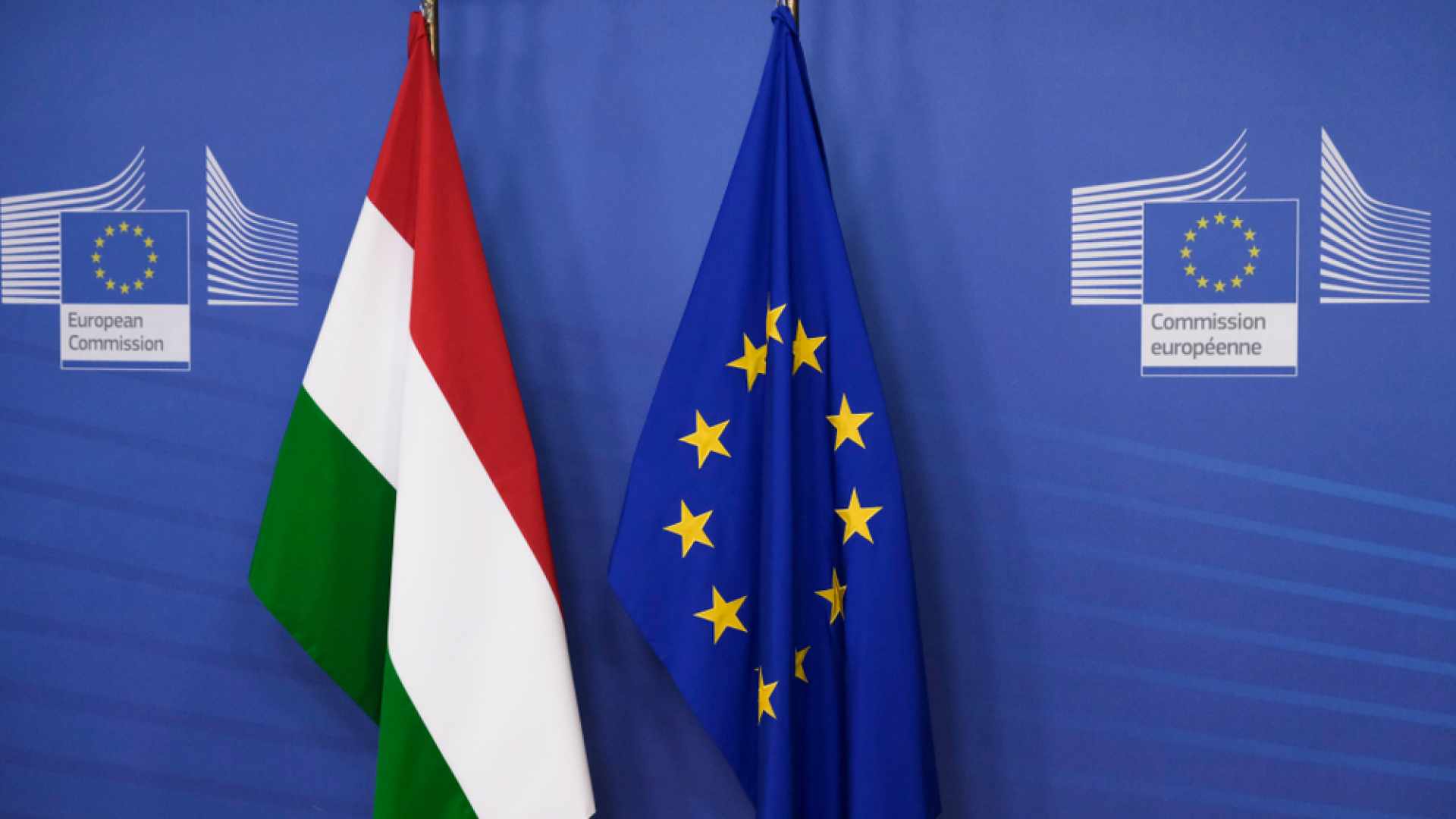
The European Union has begun limiting Hungary’s participation in discussions on sensitive issues over concerns that confidential information could leak to Russia.
Politico reported this, citing European diplomats and officials.
Details
At least five diplomats have raised concerns about the risk of information flowing from Budapest to the Kremlin, according to sources. In response, EU countries increasingly rely on smaller-group formats instead of full meetings with all 27 member states.
These formats include groups such as the E3, E4, and E7, as well as regional alliances like the Weimar Triangle, NB8, and the Joint Expeditionary Force (JEF). Such settings allow leaders to discuss sensitive matters while reducing the risk of leaks.
Former Lithuanian foreign minister Gabrielius Landsbergis said he had received warnings as early as 2024 about potential leaks from the Hungarian side. He added that organizers had already excluded Hungary from parts of the discussions ahead of the 2023 NATO summit in Vilnius.
The EU has not issued an official response to these allegations. Diplomats worry that a public reaction could influence Hungary’s parliamentary elections scheduled for April 12.
Context
Concerns about Budapest’s ties with Moscow have surfaced before. Media reports have suggested that Hungarian Foreign Minister Péter Szijjártó may have shared information about internal EU discussions with Russia.
Against this backdrop, officials in Brussels have stepped up discussions on tightening confidentiality rules for documents and negotiations. Diplomats acknowledge that the situation erodes trust within the EU and could push the bloc to explore new decision-making mechanisms, especially if Hungary’s current leadership remains in power after the elections.
Earlier, The Ukrainian Review reported that EU leaders criticized Hungarian Prime Minister Viktor Orbán during the March summit in Brussels.