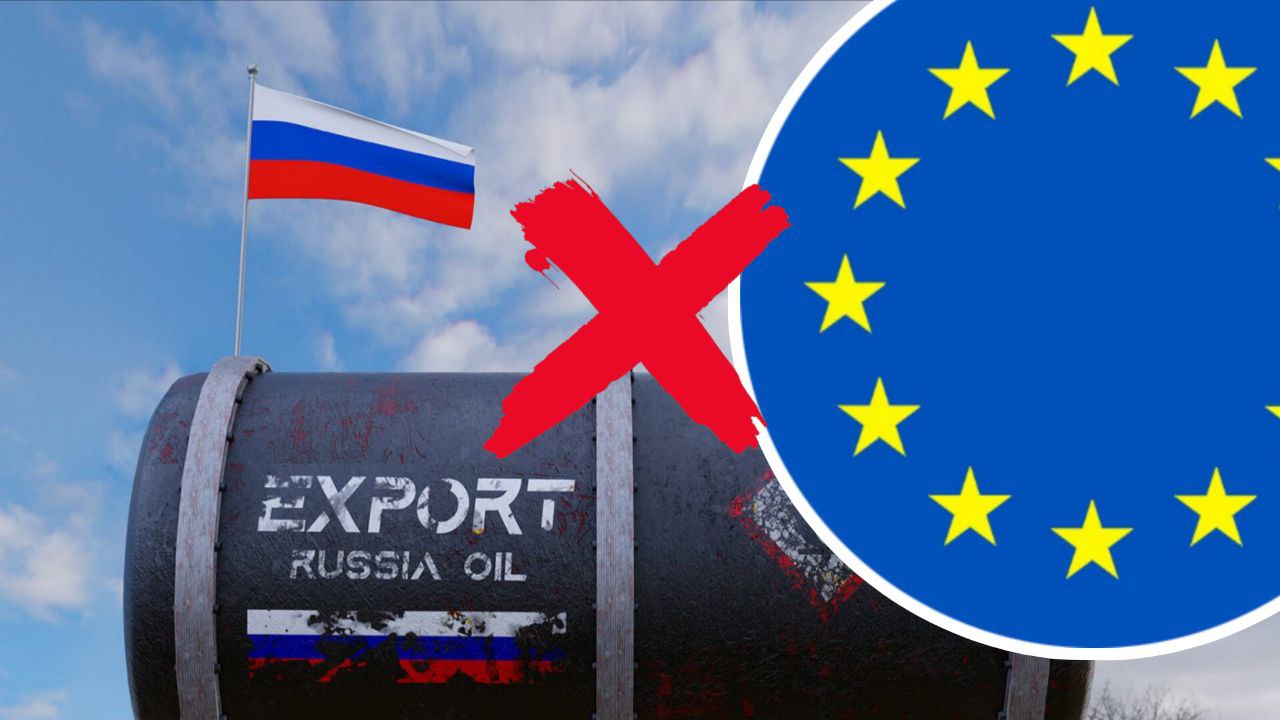


The European Union is considering replacing the price cap on Russian oil with a full ban on maritime transport of Russian oil. The proposal could be included in the EU’s 20th sanctions package against Russia over its war against Ukraine.
What a Full Ban on Maritime Transport Would Mean
Bloomberg reports, citing sources familiar with the matter, that the EU is considering blocking seaborne shipments of Russian oil. If approved by member states, the measure would prohibit European companies from insuring and transporting Russian oil, regardless of its price. According to anonymous sources, a full ban would significantly strengthen existing restrictions on Russian oil. It may also make sanctions easier to enforce.
From February 1, the price cap on Russian crude oil will fall to $44.10 per barrel. The pricing mechanism keeps the cap 15% below the average market price of Urals crude and is reviewed every six months.
What the New EU Sanctions Package May Include
EU countries already know the potential content of the upcoming sanctions package and expect to review and adopt it by the end of February. This would mark the EU’s 20th sanctions package since Russia’s full-scale invasion of Ukraine.
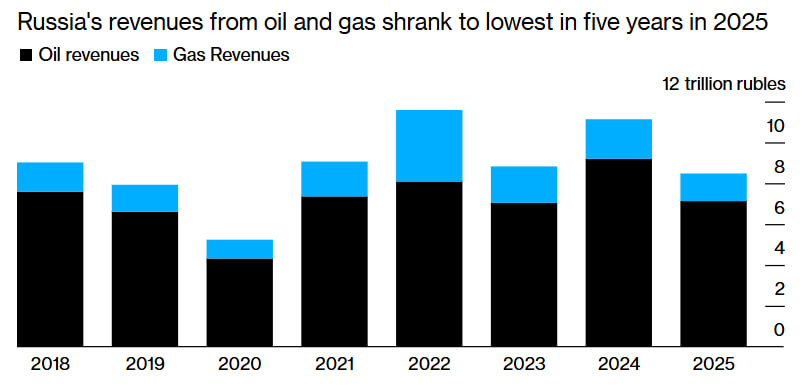
Bloomberg sources note that a full ban on maritime oil transport would require unanimous support from all EU member states, though several capitals are already opposing the move. The EU remains focused on limiting Russia’s oil revenues, which play a key role in supporting the Kremlin’s economy and financing the war.
The new package will most likely propose restrictions on Russian banks and oil companies. It will also target cryptocurrency services and financial institutions in third countries that help Moscow circumvent sanctions. The EU could expand sanctions to include additional vessels from Russia’s “shadow fleet.” The 20th package will also include trade restrictions on companies involved in Russian weapons production and limits on imports of Russian metals.
What the Previous Sanctions Package Included
The EU adopted its 19th sanctions package against Russia on October 23, 2025. It targeted Russia’s oil and gas and financial sectors, as well as its “shadow fleet.” The EU imposed restrictions on Russian banks and cryptocurrency exchanges. It also limited the movement of Russian diplomats to prevent destabilization efforts. The package also included measures against individuals responsible for the abduction of Ukrainian children. It also contained sanctions on Belarus aimed at reducing its military support for Russia. Slovakia, Hungary, and Austria were among the EU countries that blocked the package.
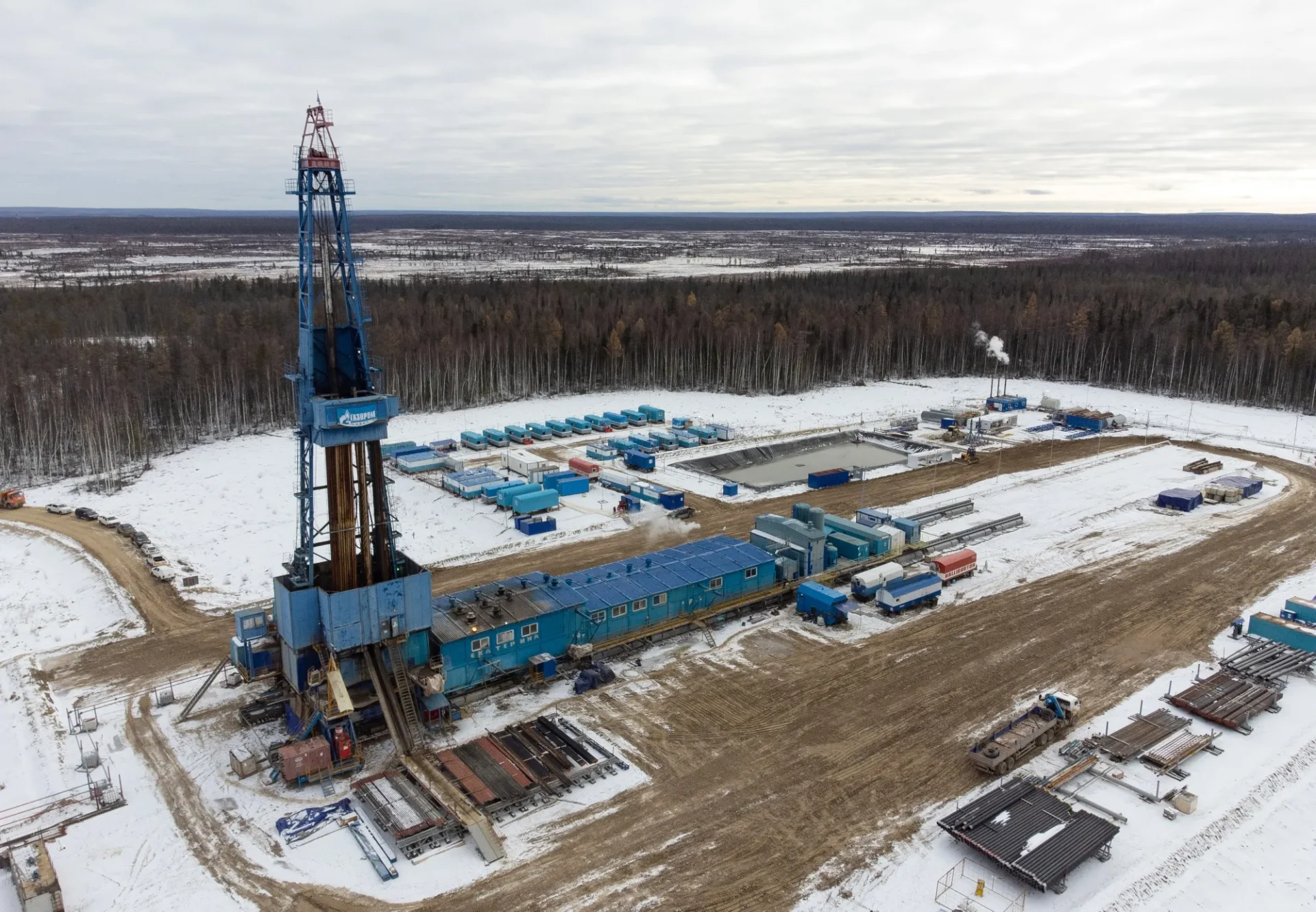
Earlier, The Ukrainian Review reported that Russia’s oil sector is in a state of crisis that will deepen. Without Western investment and technology, oil production could decline by 15–25% by 2030.