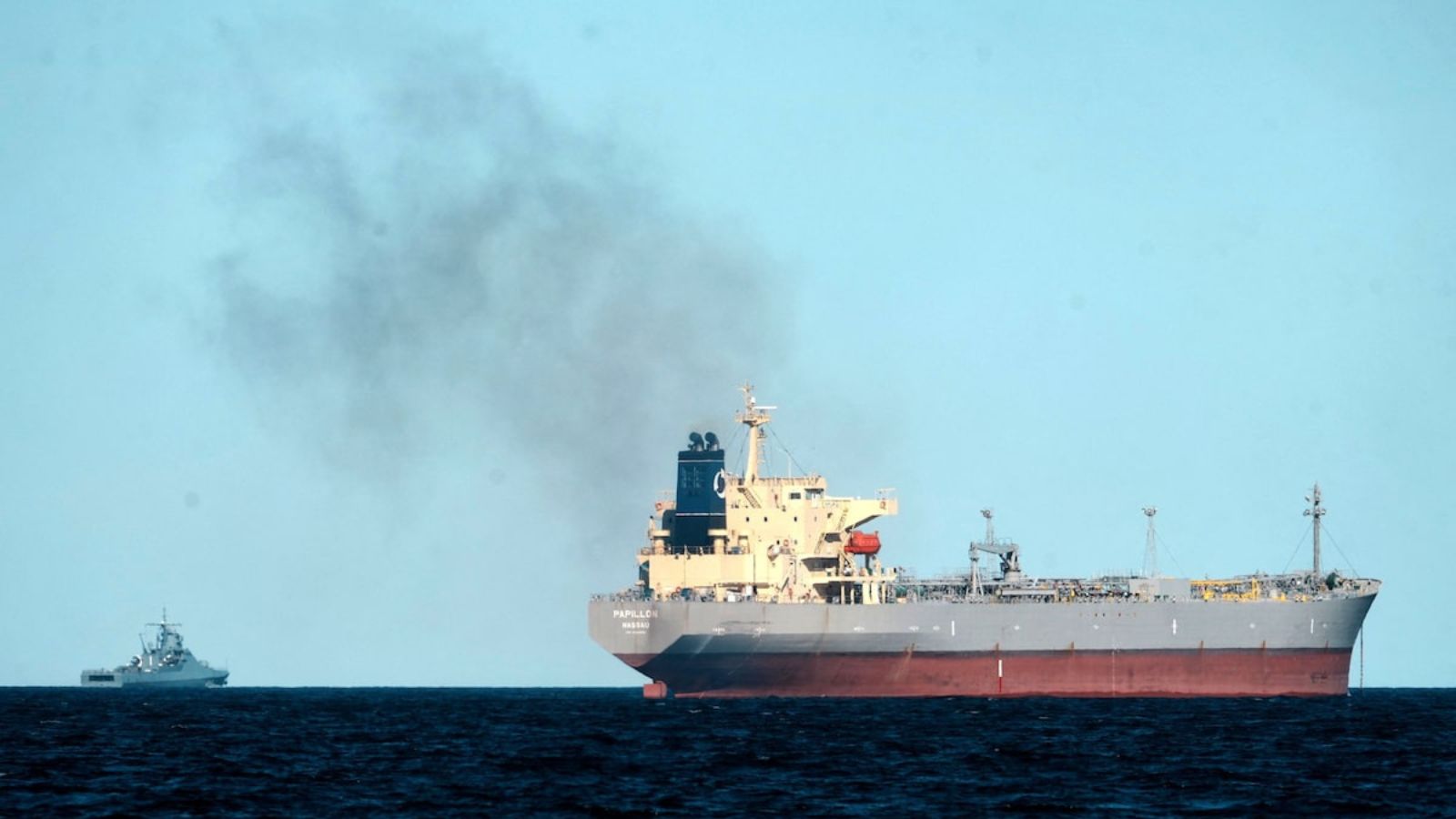


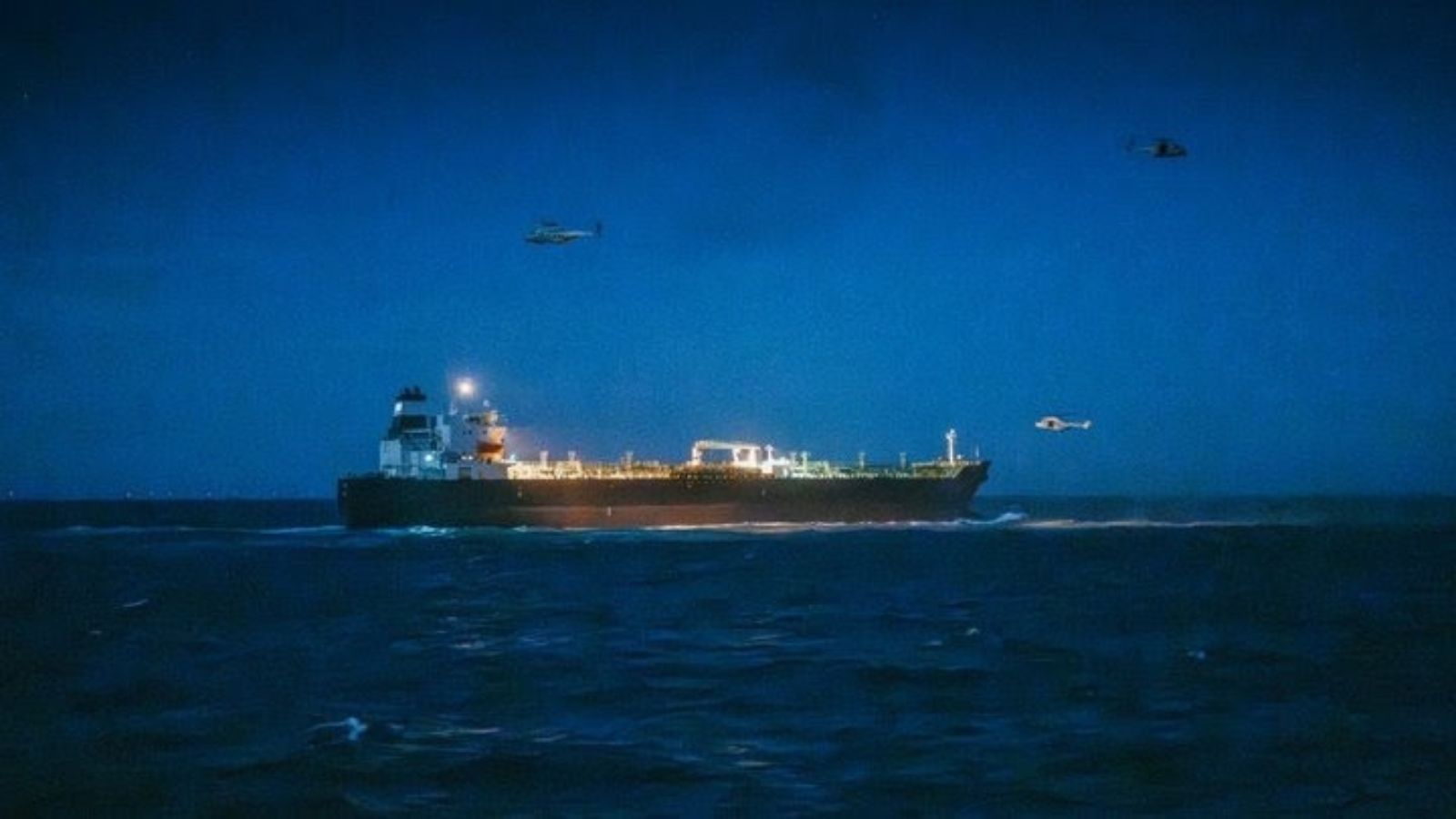
Estonia officially declined to detain Russian “shadow fleet” vessels in its territorial waters. The national Naval Command justified this decision by citing a critically high risk of direct military confrontation with Russia. Moscow has started escorting oil tankers with armed warships to ensure their passage through the Baltic Sea.
Reuters reported this development following statements from Estonian defense officials.
Tallinn’s restrained position stems from a serious incident in May 2025. At that time, Estonian forces attempted to stop an unflagged tanker violating international sanctions. Russia responded by deploying a fighter jet into NATO airspace to escort the vessel back to Russian waters.
The Commander of the Estonian Navy, Ivo Vark, emphasized the growing danger in the region. He noted that the Russian military presence in the Gulf of Finland has become significantly more visible.
“The risk of military escalation is just too high,” stated Ivo Vark.
Currently, Moscow maintains constant patrols with several armed vessels along oil transport routes. Recent successful Ukrainian drone attacks on Russian ports have disrupted loading schedules. Consequently, the number of tankers waiting in Estonia’s economic zone has tripled. While the UK and France continue to detain Russian ships in the Atlantic, Estonia remains within the direct sight of Russian coastal forces.
Russian activities in the Baltic Sea
Commander Ivo Vark explained that the minimal Russian presence in the Atlantic and North Sea provides allies with significantly more time and freedom to act against sanctioned vessels. In contrast, the situation in the Gulf of Finland is far more tense, and the risks of military escalation remain critically high. For instance, on Friday, Reuters reporters spotted a Russian Navy corvette guarding a large group of tankers waiting in Estonian waters.
The number of vessels at the Vainloo anchorage has recently tripled to approximately 40 units, primarily because successful Ukrainian drone strikes on Russian ports have disrupted export schedules. Consequently, Estonia intends to intervene only in extreme cases involving oil spills or threats to underwater infrastructure. At the same time, the Kremlin continues to claim the right of free passage and declares its readiness to defend its fleet.
Previously, The Ukrainian Review reported that the U.S. lifted sanctions on three russian vessels.