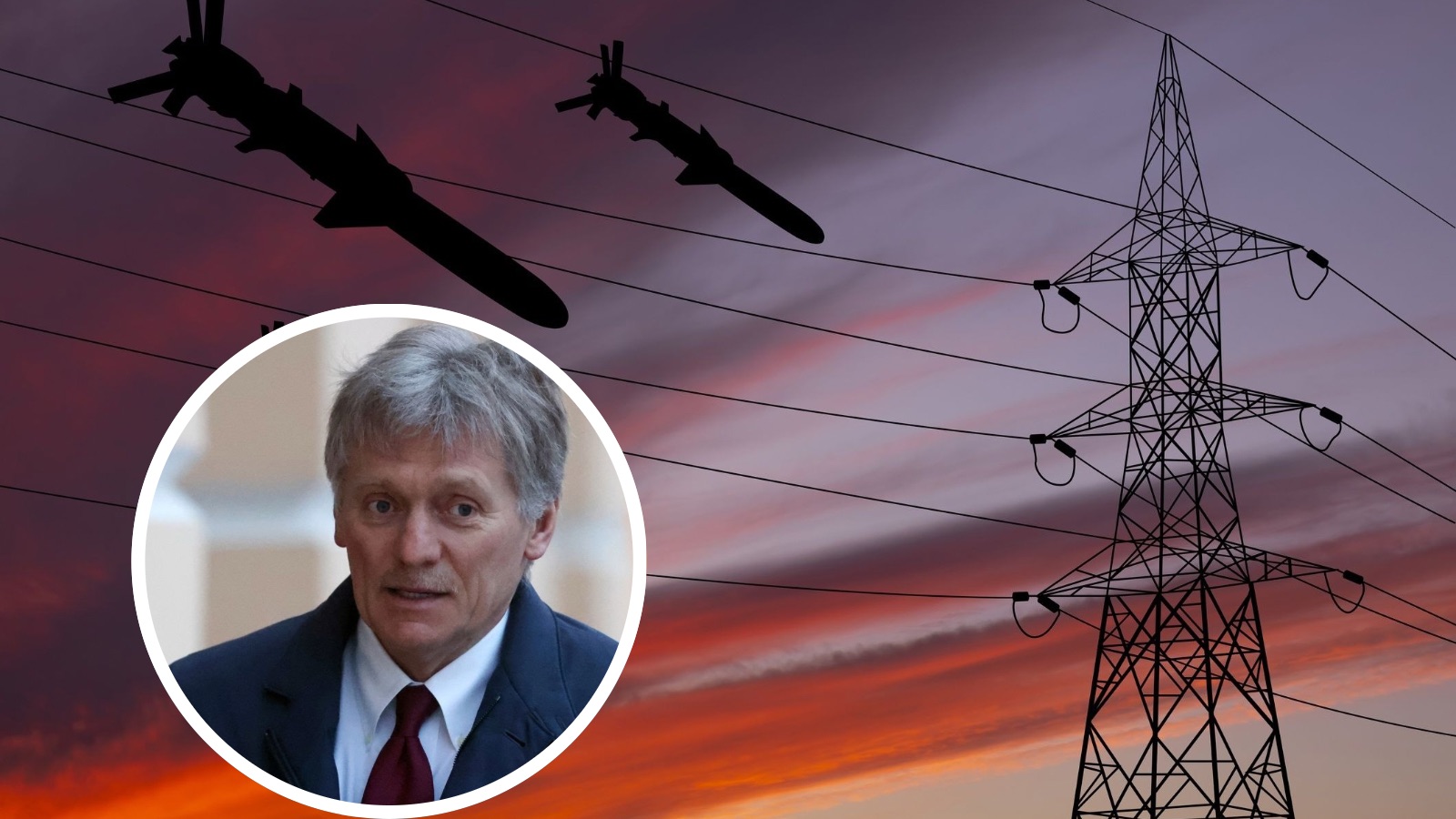


Russia has officially confirmed its readiness to temporarily halt massive strikes on Ukraine’s energy infrastructure following a request from Donald Trump. However, the duration of this agreement is significantly shorter than the expected week. The Kremlin limits the moratorium only until the first day of February, which coincides with the arrival of extreme frosts in Ukraine.
Kremlin’s Conditions and Trump’s Request
The Russian Federation agreed to refrain from strikes on Ukraine’s critical infrastructure until February 1. Kremlin spokesperson Dmitry Peskov announced this decision. He stated that Vladimir Putin took this step after a personal appeal from U.S. President Donald Trump. Peskov claimed that Russia agreed to this move allegedly “to create favorable conditions for negotiations.”
“President Trump made a personal request to Putin to refrain for a week, until February 1, from launching strikes on Kyiv in order to create favorable conditions for negotiations,” the Kremlin spokesperson stated.
Although Donald Trump spoke about a week-long period of silence, Russia is actually providing only a few days. This pause expires exactly when meteorologists predict a sharp drop in temperature in Ukraine to -28 degrees Celsius.
Military Advantage and Resource Accumulation
Analysts from the Institute for the Study of War (ISW) emphasize that this moratorium does not mark a significant Russian concession. Russia continues to reject a long-term ceasefire and has previously used similar short-term pauses to advance its objectives. According to experts, such a moratorium will benefit the enemy, as Russian forces can accumulate stockpiles of drones and missiles. This will allow them to launch major combined strikes in the future while Ukraine halts its attacks on enemy infrastructure.
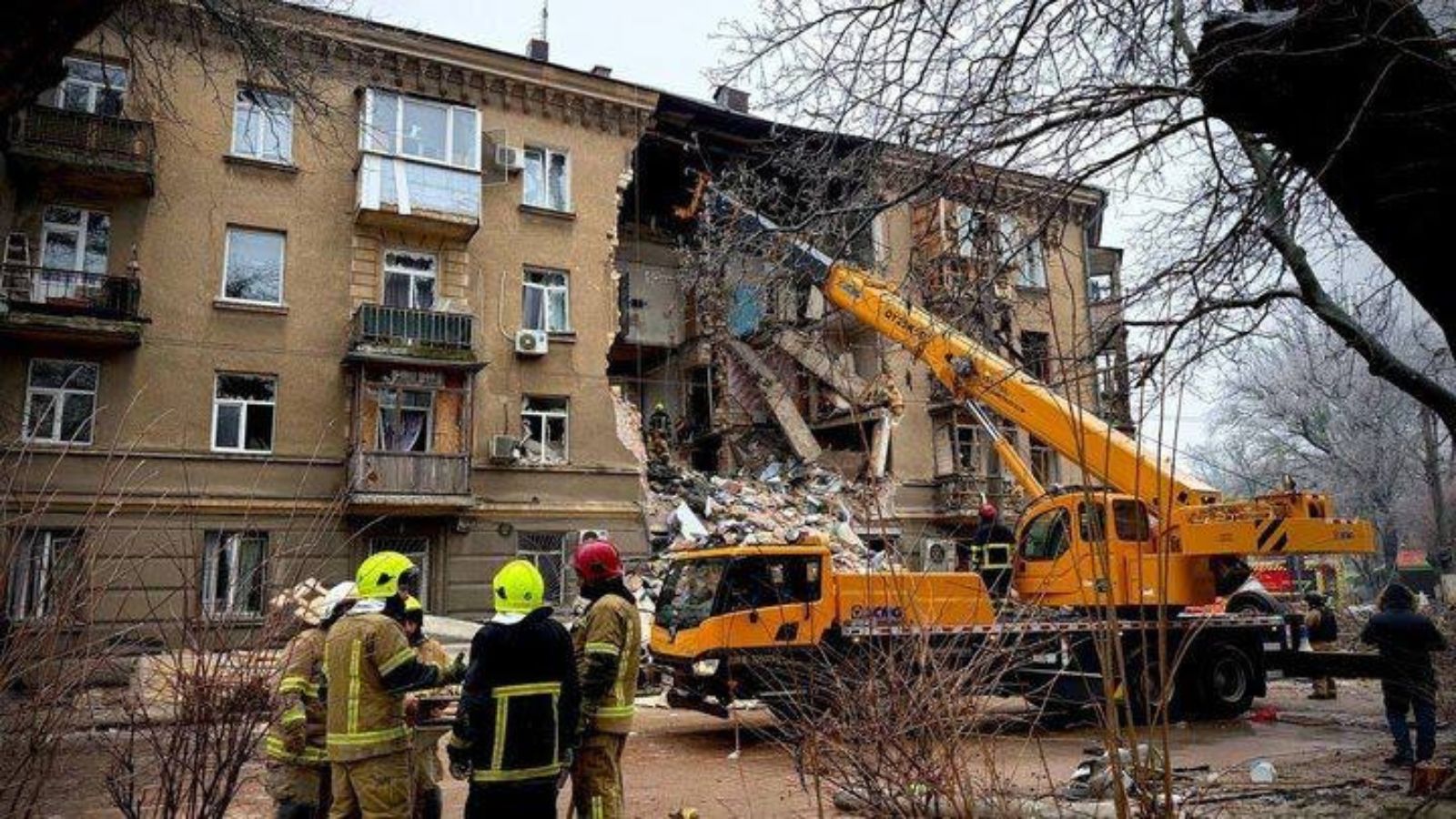
Despite statements about a truce, Russia continues to terrorize the civilian population. Even during preparations for negotiations, the aggressor carried out regular attacks on railways and residential areas.
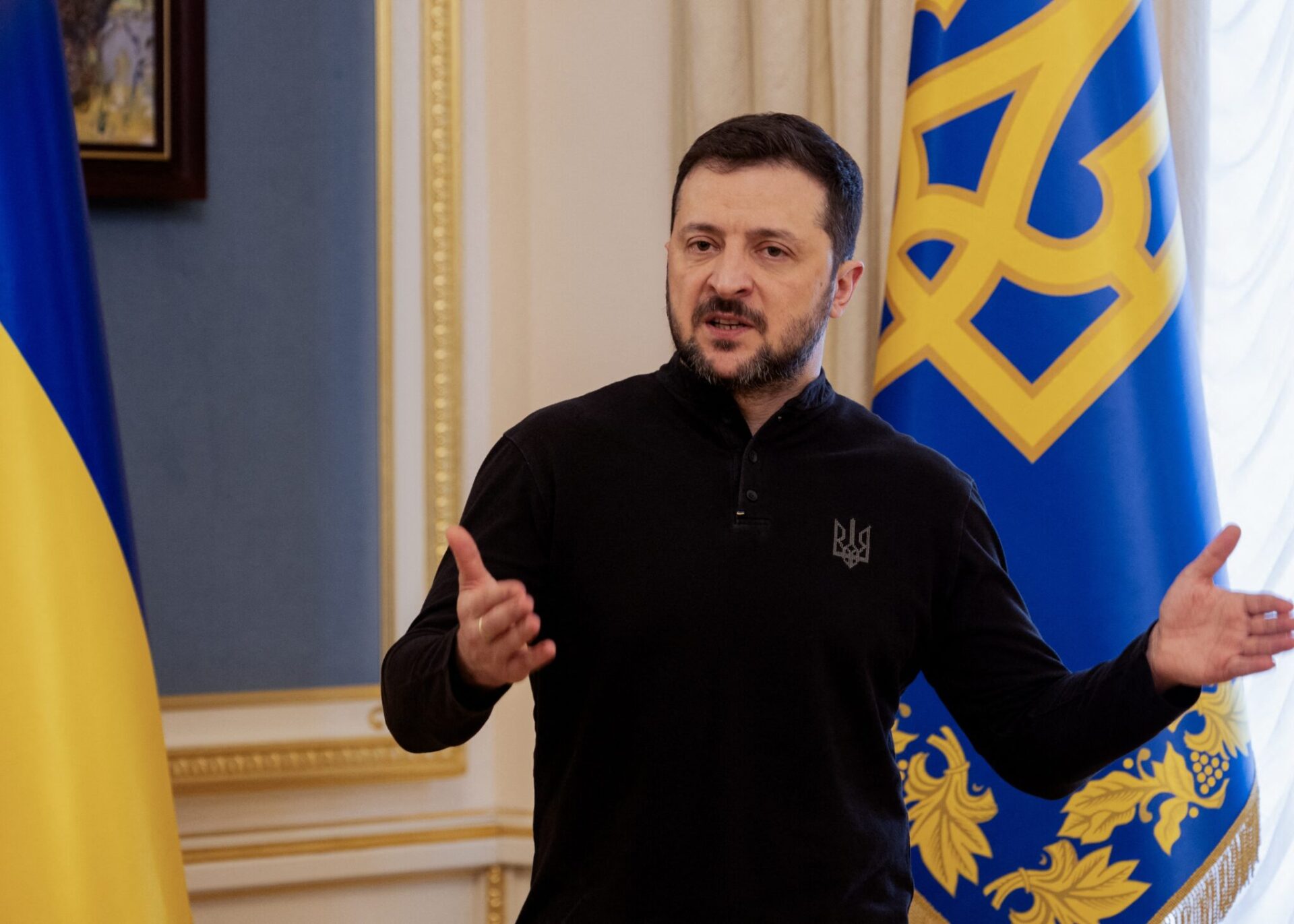
The Ukrainian side emphasizes that any de-escalation is a positive step but calls for caution. Volodymyr Zelenskyy confirmed that this issue was discussed in the Emirates and thanked the American leader for his efforts.
Earlier, The Ukrainian Review reported that amid talks about diplomacy, Russia launched a massive attack on January 24 to strengthen its position before the Abu Dhabi meeting.
Subsequently, ignoring calls for restraint, the enemy actively attacked the territory of Ukraine on January 27. That same evening, Russian drones attacked a passenger train in the Kharkiv region, resulting in civilian casualties.