Energy Security Talks: how the ukrainian energy industry survived the winter and prospects for 2025
23.04.2025
Share:
On April 10, 2025, a conference titled “Energy Security Talks” was held, attracting the attention of a large audience. Experts and various stakeholders in the energy sector discussed the challenges that the Ukrainian energy sector faced during the war. They also discussed more specific issues related to energy efficiency and permitting features. We will present to our readers a summary of the speeches delivered at the conference.
Conditions in which the energy industry of Ukraine survived in 2024
In 2024, attacks by the Russian side on Ukrainian infrastructure and energy, in particular, continued. UN Human Rights Monitoring Mission Report that during the first half of 2024:
11 waves of shelling;
25 attacks on TPPs/CHPs;
7 attacks on HPPs;
101 strikes on power networks.
Major attacks were also launched in the second half of the year. The most extensive of them: August 26 (attack on Kyiv HPP), November 17, and December 25.
Consequences: 10 GW of installed capacity lost.
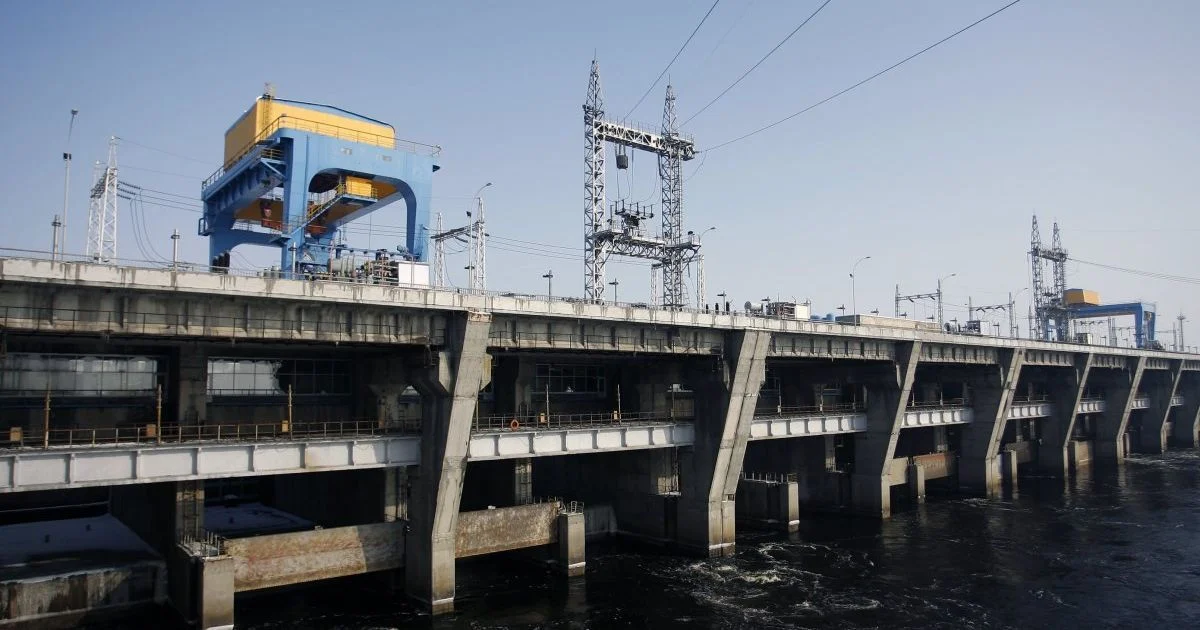
Kyiv HPP / UNIAN
Energy generation in Ukraine: almost half from nuclear energy, and an important role of imports
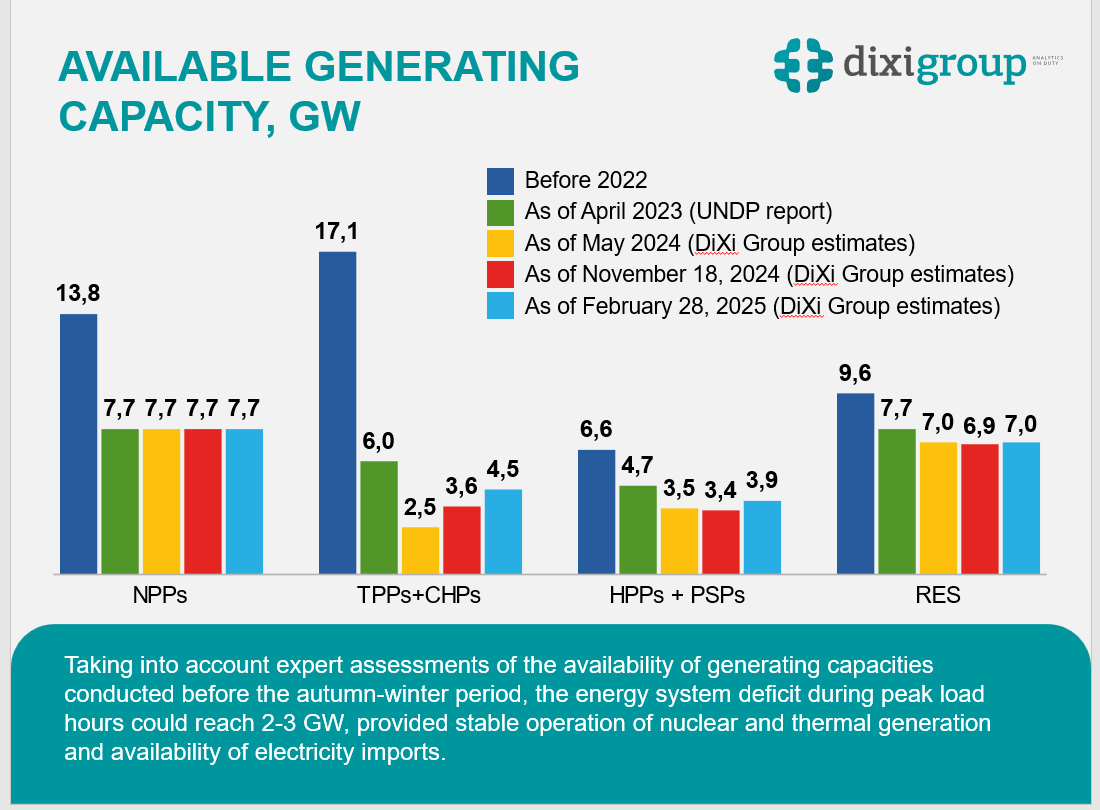
Nuclear generation continues to cover the largest share of electricity demand in Ukraine. Electricity generation by nuclear power plants in Ukraine has remained unchanged for the third year now – 7.7 GW.
Thermal power plants and large combined heat and power plants (CHPPs) also play a significant role, maintaining a share of around 25-30%.
The share of renewable energy sources (RES) during sunny daytime hours reached 15–20% of the electricity mix, compared to just 2% during evening hours.
Taking into account expert assessments of the availability of generating capacities conducted before the autumn-winter period, the energy system deficit during peak load hours could reach 2-3 GW, provided stable operation of nuclear and thermal generation and availability of electricity imports, – Olena Lapenko, Dixi Group.
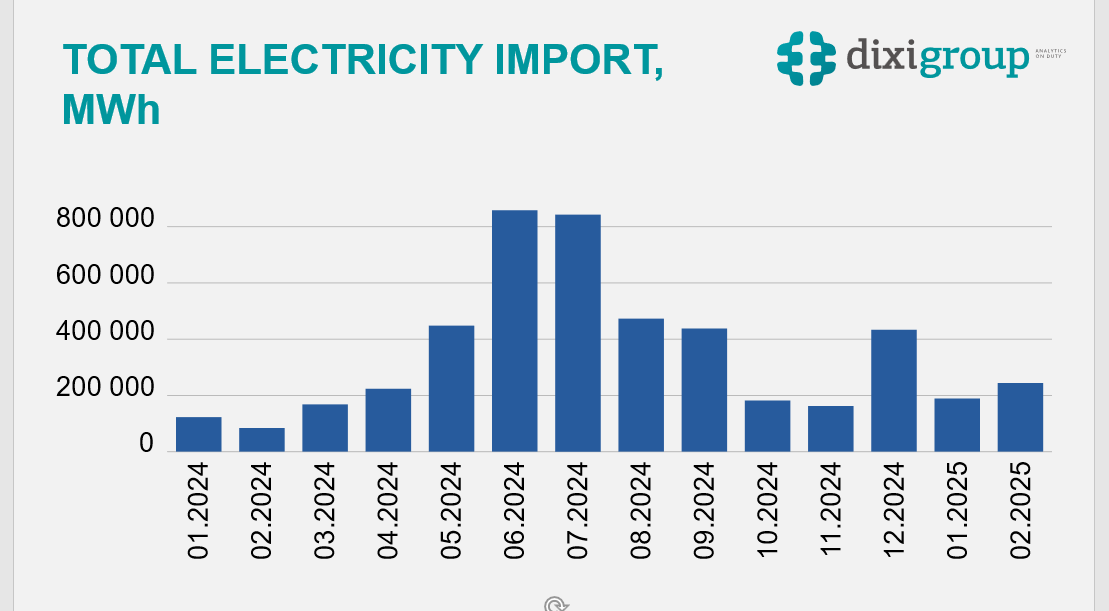
Total Electricy Import
An important factor in stabilizing the energy system was the import of electricity, especially during peak hours.
With price caps in place, the share of imports in the power balance structure of Ukraine’s UPS during peak load hours (when this capacity is extremely necessary), according to Dixi Group estimates, did not exceed 8%, although compared to winter [previous year], it has increased multiple times, – Olena Lapenko, Dixi Group.
Thus, based on the strengths and weaknesses of the Ukrainian energy system, the following steps need to be taken to strengthen it.
Support for the construction and integration of new distributed generation capacities, particularly gas-fired.
Development of energy storage systems and aggregation to balance renewable energy sources.
Continued efforts to protect infrastructure.
Addressing the financial issues in the sector (debts to RES producers, imbalances on the balancing market, gas procurement).
Targeted international assistance for recovery and equipment procurement.
Available Energy
Gas for heating: winter is over, but additional purchases are needed
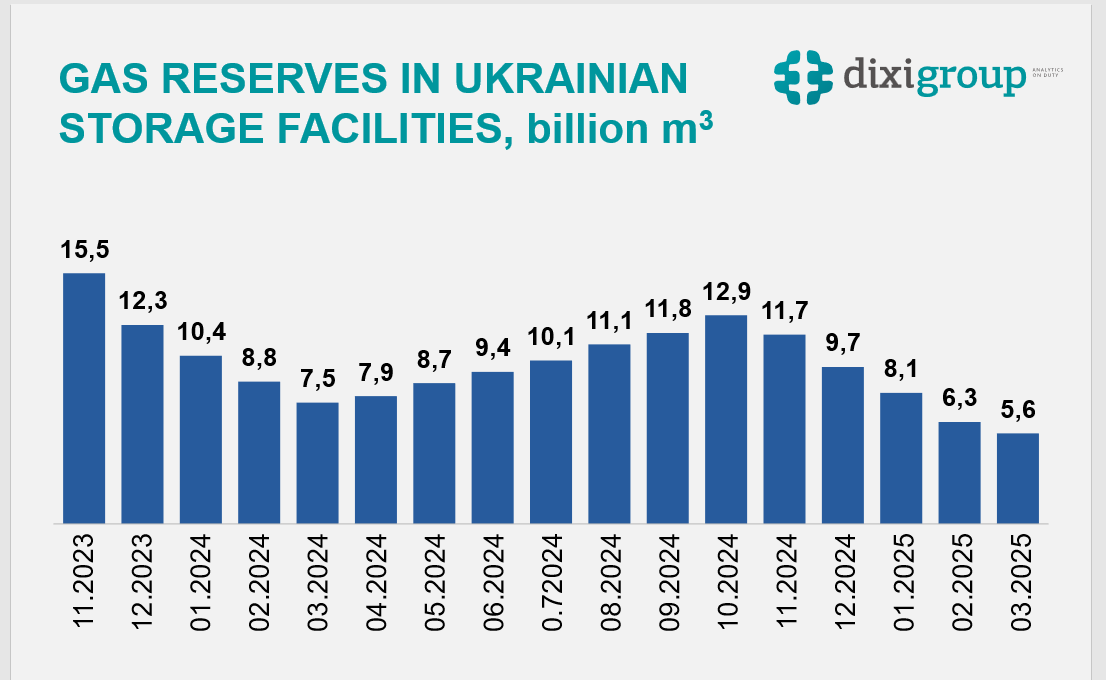
Ukraine passed the 2024-2025 heating season without serious outages and managed to do without long-term outages of consumers. This was facilitated by both a relatively warm winter and the capabilities and abilities of emergency and service companies to eliminate threats and repair equipment. However, based on expert calculations, Ukraine will need to purchase approximately 4 billion cubic meters of gas this year.
What needs to be done for this? Expert opinion.
Ensure sufficient import volumes – at least 4 bcm in 2025 Ukraine’s demand is 19-20 bcm, with domestic production at 12 bcm. Imports will cover the deficit but are expected to cost $1.6–1.65 billion, based on TTF [The Title Transfer Facility (TTF) is a virtual trading point for natural gas in the Netherlands, serving as the primary benchmark for European gas prices – S.K.] futures prices as of April 2025 (€34–36/MWh), plus transportation costs (€2–3/MWh). Sign long-term contracts; short-term contracts are 10-15% more expensive. In the future, Ukraine should aim for 3-5-year agreements to ensure strategic security. Follow a procurement schedule to accumulate 13 bcm before the 2025–2026 heating season, – Olena Lapenko, Dixi Group.
Gas Reserves
Use of Foreign Aid in the Energy Sector
In 2024, Ukraine received significant assistance. But it was not always used adequately.
The Cabinet of Ministers announced the restoration of “4 GW of thermal and hydropower capacity” in 2024 and the connection to the networks of 233 new power plants with a total capacity of “over 830 MW”. Having specified that “we are talking about gas generation, namely: gas turbine, gas piston and cogeneration plants”, the head of government, however, did not mention that the authorities are involved in only 183 MW of new installed capacity, while the rest is the achievement of donors and/or the result of private initiatives, – experts Gennady Ryabtsev and Volodymyr Omelchenko note in the report «Review of the Energy Sector in January 2025».
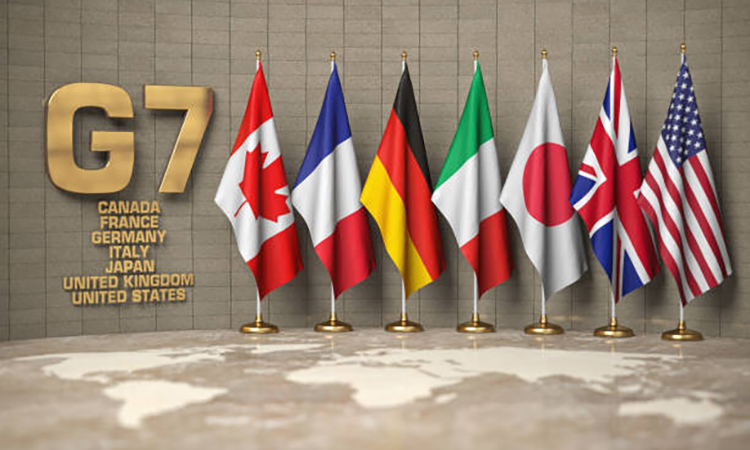
Experts also emphasize that the Ministry of Finance of Ukraine has attracted to the Ukrainian budget €3 billion as part of the EU contribution, within the framework of the G7 Extraordinary Revenue Acceleration for Ukraine (ERA) initiative. The ERA envisages the allocation of $50 billion to Ukraine (including $20 billion from the EU), which will be provided by future revenues from frozen Russian assets.
In 2024, the Ministry of Finance of Ukraine attracted external financing from 11 development partners, amounting to more than $41 billion. This support allowed for «fully covering social and humanitarian expenditures, – underlines Gennady Ryabtsev and Volodymyr Omelchenko.
G7 summit or meeting concept. Row from flags of members of G7 group of seven and list of countries, 3d illustration
The Cabinet of Ministers of Ukraine approved the draft Joint Work Program between the Government of Ukraine and the International Energy Agency for the period 2025-2026 and authorized the Minister of Energy to sign it. The document, in particular, determines that the priority areas of cooperation between the parties are: integration of the Ukrainian energy sector into European energy markets; strengthening the security of the energy system, including diversification of energy sources and implementation of «smart grids»; development of renewable energy and increasing energy efficiency; creation of biomethane and low-carbon hydrogen markets; improvement of mechanisms for collecting, analyzing and using energy data.
In addition, the manufacture, supply and installation of 126 MW of installed capacity of gas-fired power plants, cogeneration and modular plants is planned for 2025. This will be financed by the European Bank for Reconstruction and Development within the framework of loan and donor agreements with PJSC Ukrnafta.
Stanislav Kinka: processed reports and prepared excerpts