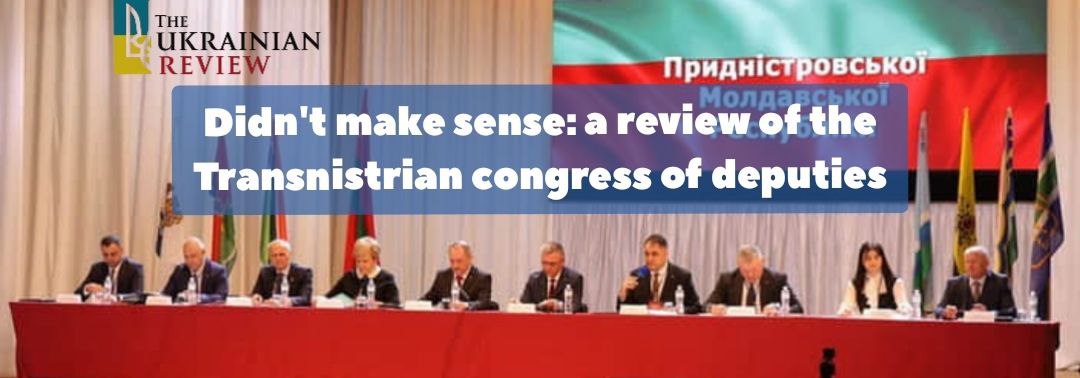


According to recent news on Ukraine, on February 28th, Transnistria held a “congress of deputies at all levels”: the so-called parliament of Transnistria, deputies of district, city, town, and village councils.
In Ukraine, news was full of various forecasts before the congress – some even speculated that they would request Russia to annex them.
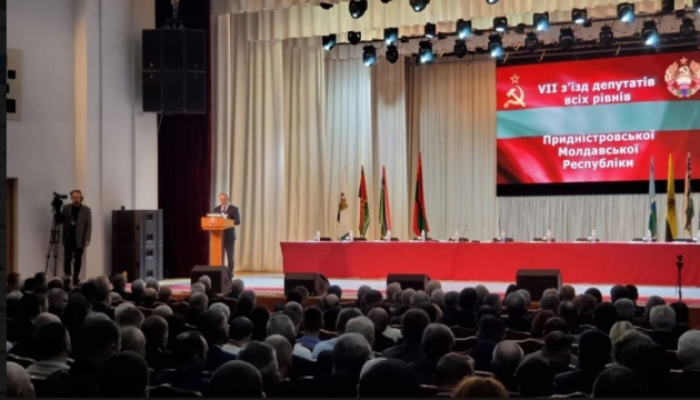
No one asked for Transnistria to join Russia, but they did request to “protect Transnistria” from “pressure from Moldova, stop the “genocide” “violations of rights and freedoms for Transnistrians”.
We further explain the reasons for and outcomes of the congress, the reaction of the international community, and why Transnistria is potentially dangerous for Ukraine.
What is Transnistria
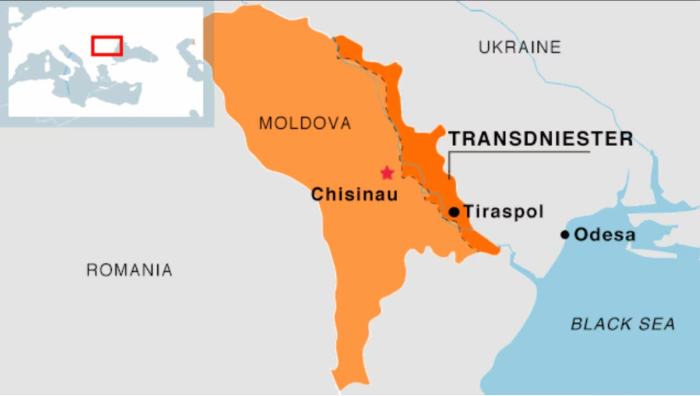
Transnistria is an administrative unit within Moldova that has autonomous status. In 1990, the Pridnestrovian Moldavian Republic (PMR) declared sovereignty in this territory, leading to an armed conflict between Moldova and the self-proclaimed republic. The hostilities concluded in the summer of 1992. In the mid-1990s, Russian peacekeeping forces were introduced into Transnistria. The political conflict remains unresolved to this day. The international community does not recognise the independence of Transnistria. In 2022, following Russia’s full-scale invasion of Ukraine, the Parliamentary Assembly of the Council of Europe recognised Transnistria as a territory occupied by Russia.
The Reason for the Congress of “Deputies at All Levels”
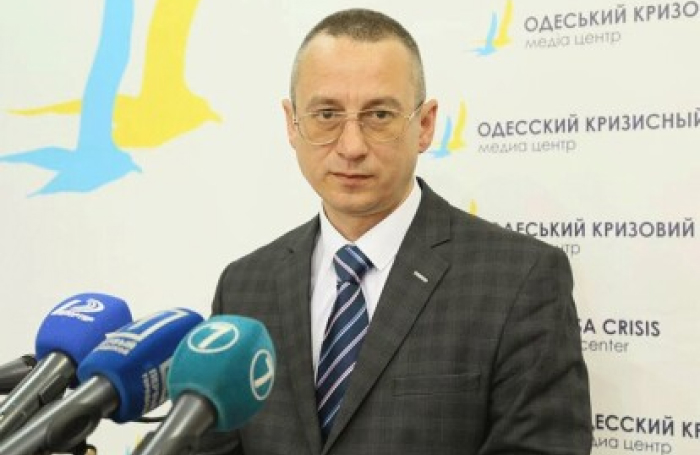
Artem Filipenko, an expert at the National Institute for Strategic Studies, explained the reasons for convening the congress:
“The reason for calling the congress was the implementation of a new Customs Code by the Republic of Moldova, according to which entrepreneurs operating in the Transnistrian region of the Republic of Moldova (a region not controlled by the official authorities of Moldova and de facto occupied by the Russian Federation) are required to pay customs duties to the Moldovan budget. Until now, entrepreneurs from the Transnistrian region have conducted export-import operations as Moldovan entities but have not paid customs duties or taxes. The Moldovan leadership does not hide that by introducing customs duties, it aims to promote the reintegration of the Transnistrian region through economic means”.
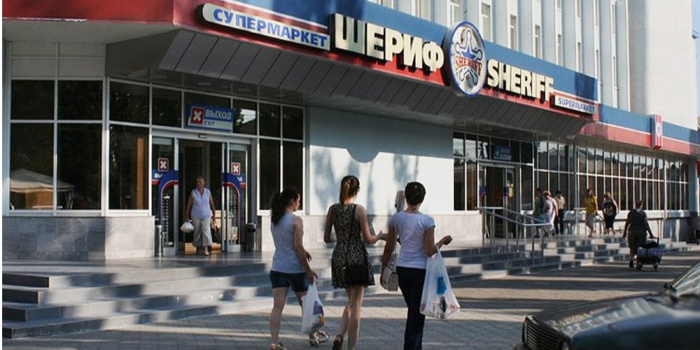
However, introducing customs duties affects the interests primarily of the Sheriff holding, which de facto controls the Transnistrian region.
“The thing is that the so-called “Transnistrian customs” were used to collect customs duties that were included in the budget of the Transnistrian region. Now, it turns out that Transnistrian entrepreneurs will be forced to pay customs duties both to the Moldovan budget and to the budget of the Transnistrian region, which will inevitably lead to an increase in prices for goods in the region.
The Transnistrian region has already announced possible budget losses, which, in turn, undermines the foundations of the separatist regime prevailing in the region. Additionally, it could hit various grey schemes employed by the top echelons of the Transnistrian region. The Transnistrian administration has claimed that Moldova is allegedly imposing a blockade and violating the rights of residents of the Transnistrian region. Of course, there is no violation of rights because neither the so-called “Transnistrian Moldovan Republic” nor the Transnistrian administration (“president” and “government”) is legitimate”.
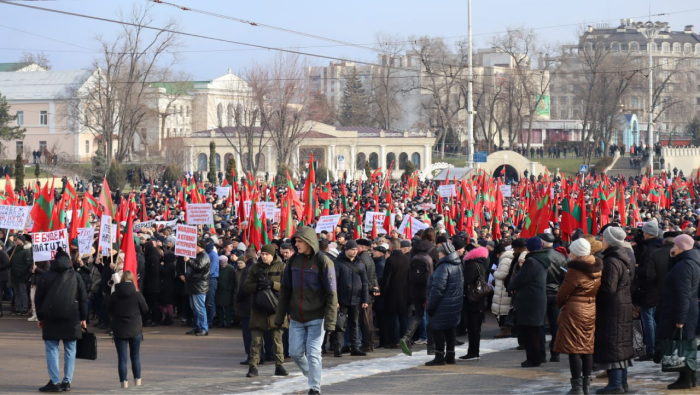
“The Transnistrian administration organised several protest rallies in Tiraspol and Bender against Moldova’s policies. And to draw attention to itself, it convened the Congress of Deputies at all levels. Excessive attention to this congress was attracted because the Transnistrian oppositionist Gennady Chorba suggested that delegates at the congress would request the Russian Federation to accept Transnistria into its composition and that Russian dictator Vladimir Putin would allegedly announce the accession of the Transnistrian region to Russia during his speech before the Federal Assembly of Russia. As we saw, neither of these happened”.
Consequences of the Congress
“The congress demonstrated the inadequacy of the Transnistrian administration, as they still attempted to appeal to the negotiating format of “5+2”, although two participants of this format – Ukraine and Russia – are at war, and the “5+2″ format itself is dead under current conditions. It is also worth noting that besides appealing to Russia for help, the congress delegates also reached out to many international organisations – the UN, OSCE, Red Cross – trying to attract their attention at least and counting on these organisations to pressure Moldova. The Transnistrian administration clearly does not realise that the situation in the world has changed,” – explains Artem Filipenko.
The 5+2 format includes representatives of the parties, mediators, and observers in the negotiation process – Moldova, the so-called “PMR,” the OSCE, the Russian Federation, Ukraine, the European Union, and the United States.
The purpose of the negotiations in the 5+2 format is to develop the parameters of a comprehensive settlement based on the sovereignty and territorial integrity of the Republic of Moldova within its internationally recognised borders, with a special status for Transnistria within the framework of Moldova.

“Considering the very lukewarm reaction from Moscow – not to mention other recipients – it can be considered that this widely publicised event did not achieve any serious goal, and representatives from Moldova rightly called for not paying attention to it, especially in foreign media. However, the threat of destabilisation within Moldova due to hostile actions by Russia persists, and we can expect it to increase due to Moldova’s obvious Eurointegration aspirations and Russia’s further interference in electoral processes,” – says Natalya Belitser, expert at the Pylyp Orlyk Democracy Institute.
It is worth reminding that on February 21, 2023, Vladimir Putin signed a decree cancelling the concept of foreign policy approved in 2013.
That document contained a provision stating that Russia undertakes to resolve the Transnistrian conflict based on the territorial integrity of the Republic of Moldova.
What are Russia’s plans regarding this territory?
According to the Institute for the Study of War (ISW) report, the Kremlin hopes to use Transnistria and Gagauzia to conduct hybrid operations to destabilise the situation in Moldova. Currently, the country is preparing for negotiations for accession to the European Union and presidential elections at the end of 2024.
Gagauzia consists of three small cities (including the capital of the region, Komrat) and a little more than 20 villages. During the Soviet period, the Gagauz experienced the process of Russification. Almost no one speaks the native language, Gagauz. Has strong pro-Russian and anti-European sentiments.
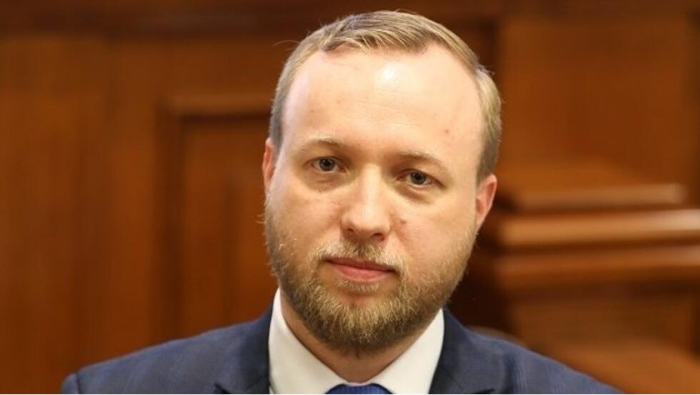
Additionally, the head of Moldova’s Information and Security Service, Alexandru Mustață, stated that Moscow intends to interfere in their country’s elections.
“It seems that Russia still hopes to achieve a change in Moldova’s leadership either through elections or through destabilising actions by pro-Russian forces within Moldova itself. Russia needs all of Moldova, not just a part of it. Furthermore, this part is currently an enclave that does not share a common border with the Russian Federation, making it difficult to provide assistance, including military aid, to the Transnistrian region,” – believes Artem Filipenko.
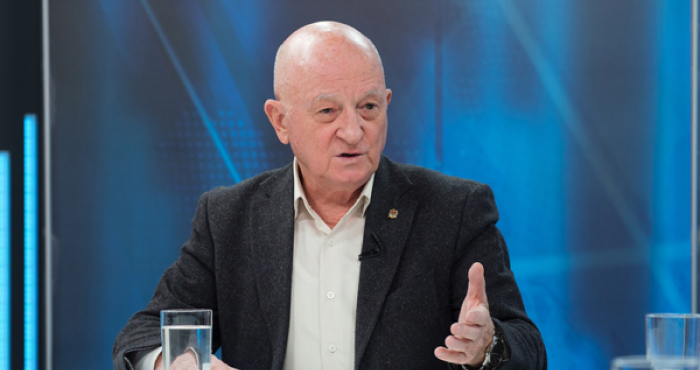
“It’s hard to say what step the Kremlin will take next. After all, we have all seen that Putin is not entirely rational. It cannot be ruled out that Russia will recognise the so-called ‘independence of Transnistria’ to exacerbate the situation,” – says Moldovan parliament member Oazu Nantoi.
Is there a threat to Ukraine
Questions about an attack on Ukraine from the territory of the unrecognised Transnistria periodically arise in the information space of Ukraine.
Also, Russian news about Ukraine was full of information about Kyiv’s preparations for an attack on Transnistria. In February 2023, Russia resorted to provocations, claiming that Ukraine was preparing to attack Transnistria. At that time, The Ukrainian Review explained why and for what purpose Moscow was destabilising the situation around Transnistria.
“The armed units on the left bank of the Dniester River do not have significant military potential, especially compared to the Armed Forces of Ukraine, with their level of technology, range of weaponry, etc. So, even if they were to take action against Ukraine, they wouldn’t last long”, – believes Moldovan parliament member Oazu Nantoi.
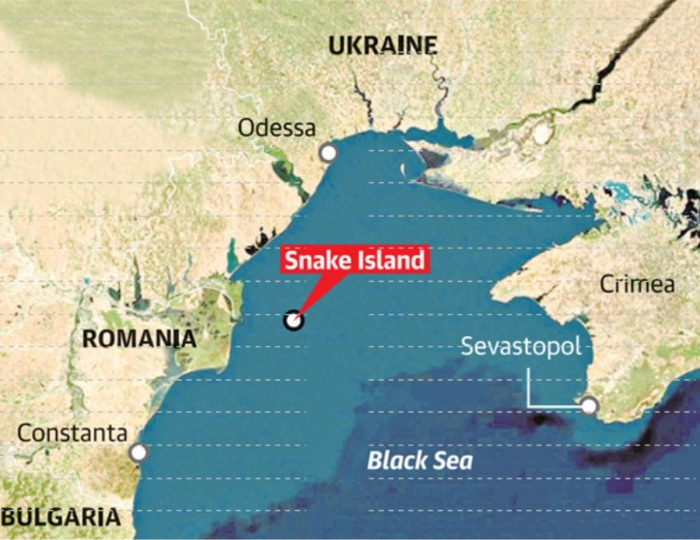
“But this applies to a situation where Russia is far away, its offensive is unsuccessful, and Snake Island remains under Ukrainian control. However, in a purely theoretical scenario, if something were to happen on the front line, then the Operational Group of Russian forces in the Transnistrian region (OGRF) and the ‘Transnistrian army’ could play some role. So, it all depends on the success of the Ukrainian Armed Forces on the front,” – said Oazu Nantoi.
The head of the United Coordination Press Center of the Defense Forces of the South, Natalia Gumenyuk, noted that Ukraine clearly knows and monitors the general condition and number of military contingents on the territory of unrecognised Transnistria. On the Ukrainian side, the state border is fortified and reliably guarded both in problematic directions and sections along Moldova’s entire length.
“At the moment, neither in terms of their numbers nor in terms of the quality the military contingent on the territory of the Transnistrian region (the Operational Group of Russian forces plus illegal military formations of the Transnistrian region) is sufficient to conduct independent combat operations against Ukraine. They may pose a certain threat, except for the Republic of Moldova as one of the factors that Russia could use to destabilise Moldova,” – explains Artem Filipenko.
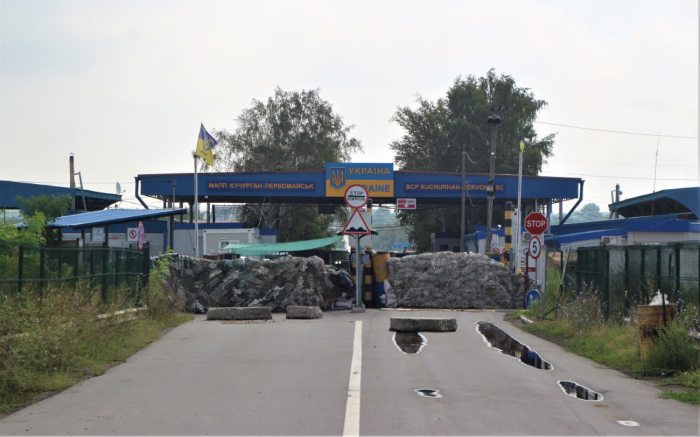
“Leading military experts, carefully analysing the situation, currently consider an offensive from this direction to be highly unlikely, as it would require primarily breaking through a land corridor from Odessa. This might have been considered at the beginning of the full-scale Russian-Ukrainian war, but not now when the threat of Russian landing on the coast practically does not exist. However, vigilant monitoring of the situation on this border and readiness to react promptly to any new challenges continue to be relevant,” – believes Natalia Belitser.
***
The unrecognised and Russian-occupied Transnistria serves as a good springboard for manipulation and threats from the Kremlin. Putin wants the Ukrainian war now not to be the only catastrophe in the world now. So, he uses Transnistria as another instrument to destabilise the world and spread his propaganda. Currently, experts do not see a direct threat from this territory to Ukraine. However, this does not mean that Putin will cease attempts to expand his influence and/or further destabilise the situation.
Anya Ostymchuk