

Millions of people in Ukraine continue to live as internally displaced persons (IDPs), for whom instability has become a prolonged condition rather than a temporary phase. Despite the time that has passed since displacement, issues of basic survival and access to essential resources remain defining for many.
Although parts of the population have partially adapted to new circumstances, the humanitarian situation in the country remains far from stable. This is confirmed both by international assessments and by the structure of real requests faced by the humanitarian sector on the ground.
International Research Data as the Basis for Needs Assessment
Key sources of information on the humanitarian situation in Ukraine include studies conducted by international organizations. In particular, the International Organization for Migration (IOM), through its Displacement Tracking Matrix (DTM), regularly monitors the scale of internal displacement and vulnerability profiles of IDPs across different regions. These studies capture not only the number of displaced persons but also recurring patterns of household needs.
In parallel, the United Nations system conducts annual intersectoral humanitarian needs assessments throughout Ukraine. The aggregated results form the basis of the Humanitarian Needs and Response Plan (HNRP), which defines national-level humanitarian response priorities. Additional context is provided by regular UN OCHA Humanitarian Situation Snapshots, reflecting the impact of security conditions and energy disruptions on civilian needs.
These documents are based on large-scale surveys, field assessments, and qualitative interviews, enabling the identification of systemic and recurring needs regardless of region.
Dominance of Basic Needs
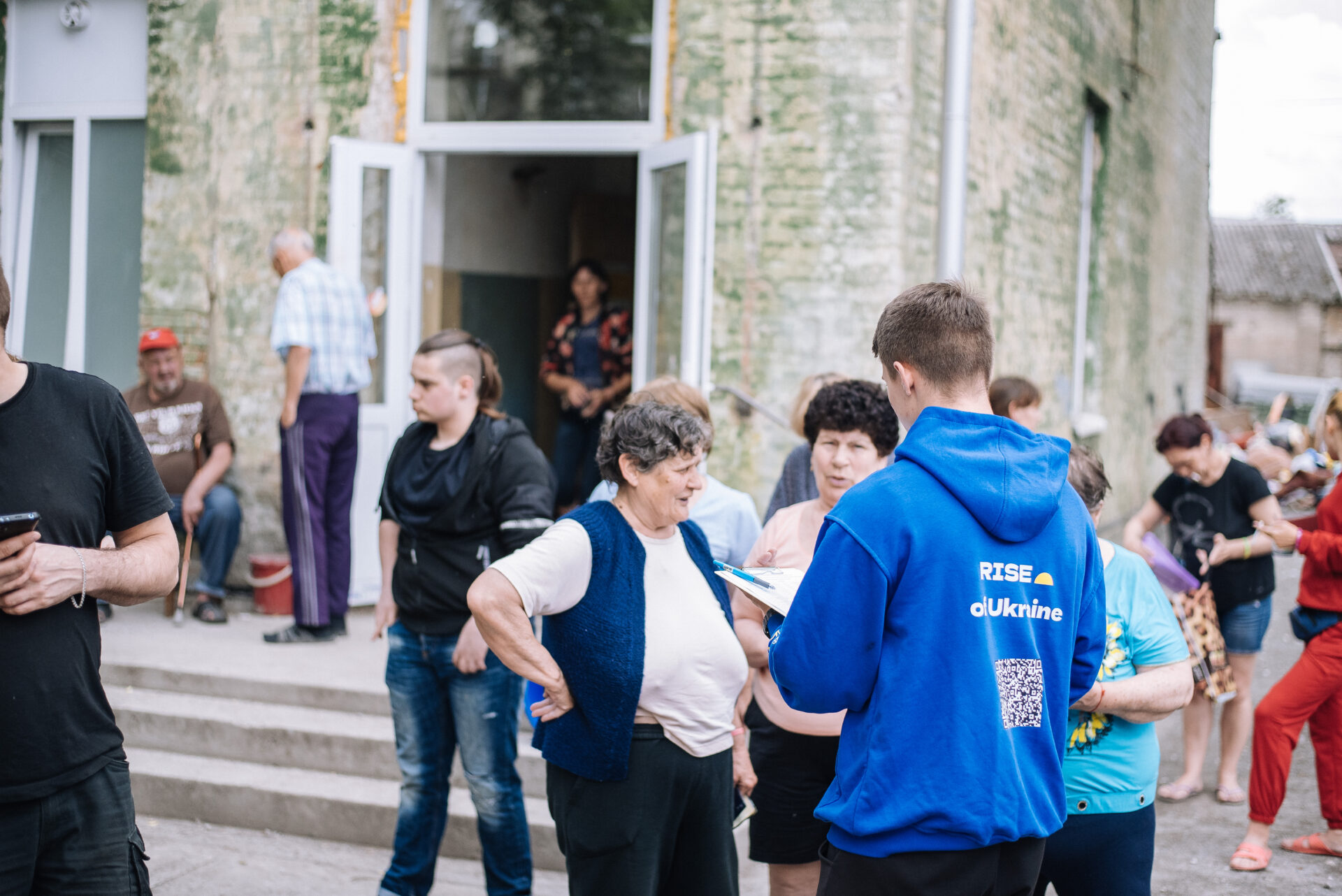
Regardless of geography, a significant share of IDPs remains focused on basic needs: non-food items, access to heating, electricity, and minimum living conditions. This is confirmed both by international research and by direct communication with beneficiaries during humanitarian assistance registration and phone surveys.
According to Oleksandr Yavtushenko, Advisor to the Governor of Kyiv Region, the current displacement dynamics clearly indicate that the humanitarian phase for many people remains ongoing. Today, 234,262 internally displaced persons live in Kyiv region, including over 47,000 children, while nearly 6,000 individuals continue to reside in modular towns and other forms of temporary accommodation. For a significant share of displaced households, displacement has not yet transformed into recovery but continues to manifest as prolonged instability.
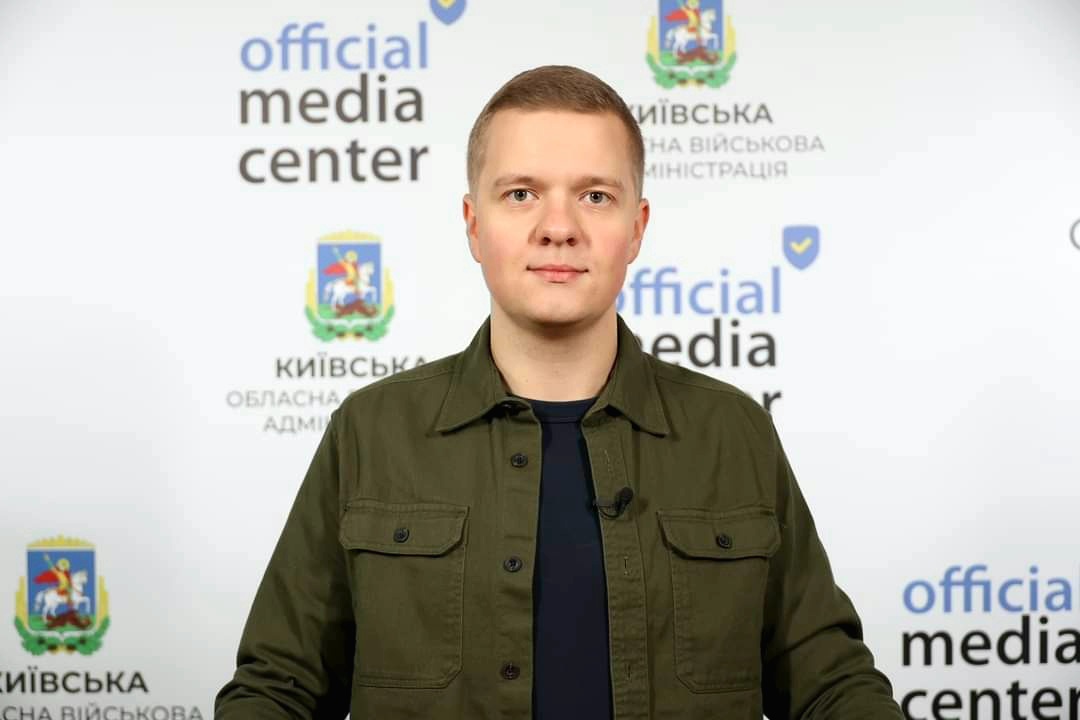
As the Advisor to the Governor notes, despite sustained efforts by public authorities and humanitarian partners, the structure of IDP needs in Kyiv region remains dominated by basic survival requirements. Heating, electricity, essential household items, and minimum living conditions consistently prevail over integration or development-oriented needs. This pattern suggests that many displaced families remain in a humanitarian survival mode and lack the resources required to move toward stable recovery.
From a regional governance perspective, this reality requires a careful and realistic policy approach. Without reliable coverage of basic needs and a tangible reduction of everyday vulnerability, recovery narratives risk remaining abstract. A gradual transition toward recovery is only possible through the continued provision of humanitarian assistance combined with targeted social and economic instruments that reflect the real conditions faced by internally displaced persons in the region.
People articulate their most urgent needs clearly, and in most cases these are not related to development or long-term integration but rather to maintaining a dignified level of survival. This structure of requests indicates that a large portion of the population remains effectively in crisis mode, lacking the resources needed to transition toward stable recovery.
Humanitarian Response and Its Limits
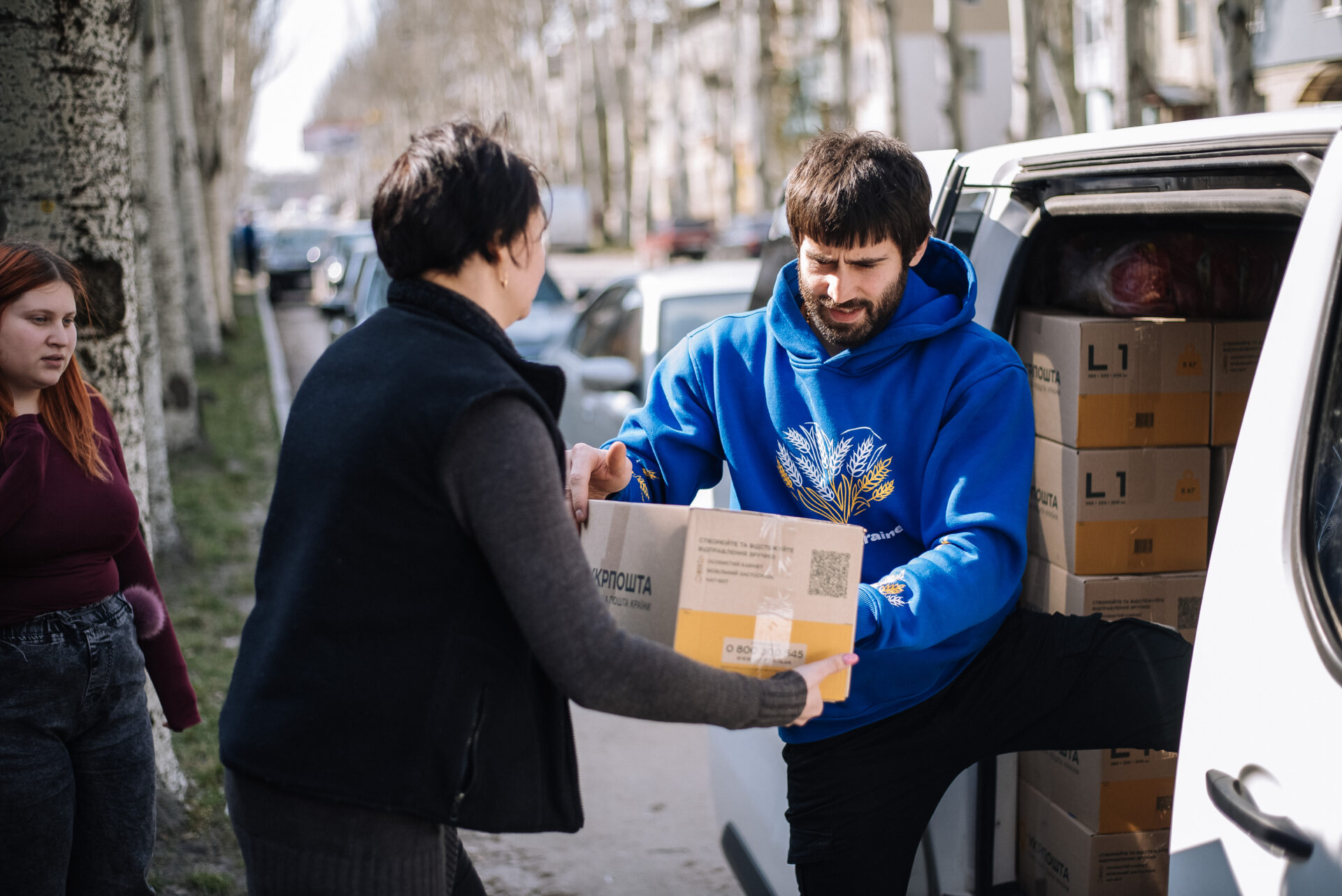
In response to prevailing needs, humanitarian organizations focus on assistance that directly addresses basic requirements. This includes non-food assistance, seasonal interventions (such as drinking water in summer and heating materials in winter), support to households in crisis conditions, and psychosocial components that complement material aid.
Psychosocial support in this context is not viewed as a separate development-oriented intervention but as an essential element of humanitarian response, aimed at mitigating the effects of prolonged stress, loss of social ties, and diminished sense of safety.
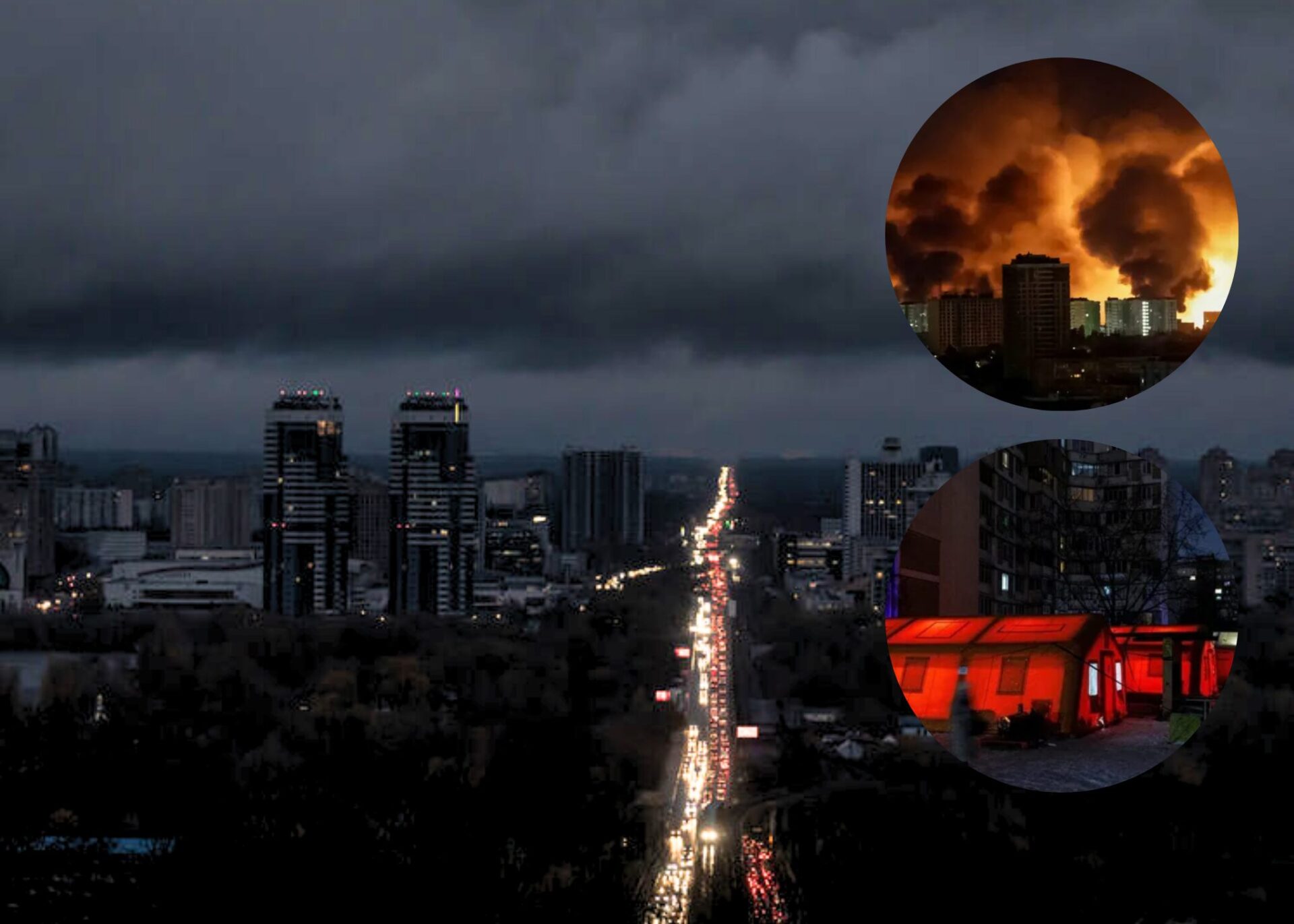
Objectively, Ukraine remains in the humanitarian response phase within the classical humanitarian cycle. Although preparations for recovery and reconstruction are underway, several factors prevent a systemic transition to this phase: ongoing security instability, repeated attacks on energy infrastructure, and pronounced seasonality of needs related to heating and electricity access. Under these conditions, recovery remains more a prospect than a fully realized reality.
Social Isolation as a Distinct Humanitarian Challenge
Beyond material hardship, social isolation has become an increasingly visible challenge. The loss of familiar environments, prolonged displacement, and disrupted social networks create a humanitarian issue that is difficult to quantify but directly affects community resilience.
The need for social interaction, community life, and a sense of belonging increasingly appears alongside requests for material assistance. This points to the fact that Ukraine’s humanitarian crisis has not only an economic but also a profound social dimension.
Response in Practice: The Rise of Ukraine Approach
The work of the Rise of Ukraine Charity Fund is structured as a response to concrete requests from people experiencing prolonged vulnerability due to the war. Implemented initiatives demonstrate an approach in which humanitarian response remains flexible and sensitive to changes in context.
Among the implemented projects are programs supporting children and adults through a combination of educational and psychosocial activities, the creation of community-based learning spaces, and support for restoring access to education for displaced children. Other initiatives focused on covering basic non-food needs in hard-to-reach communities, particularly during the cold season, when heating and basic household equipment become critical.
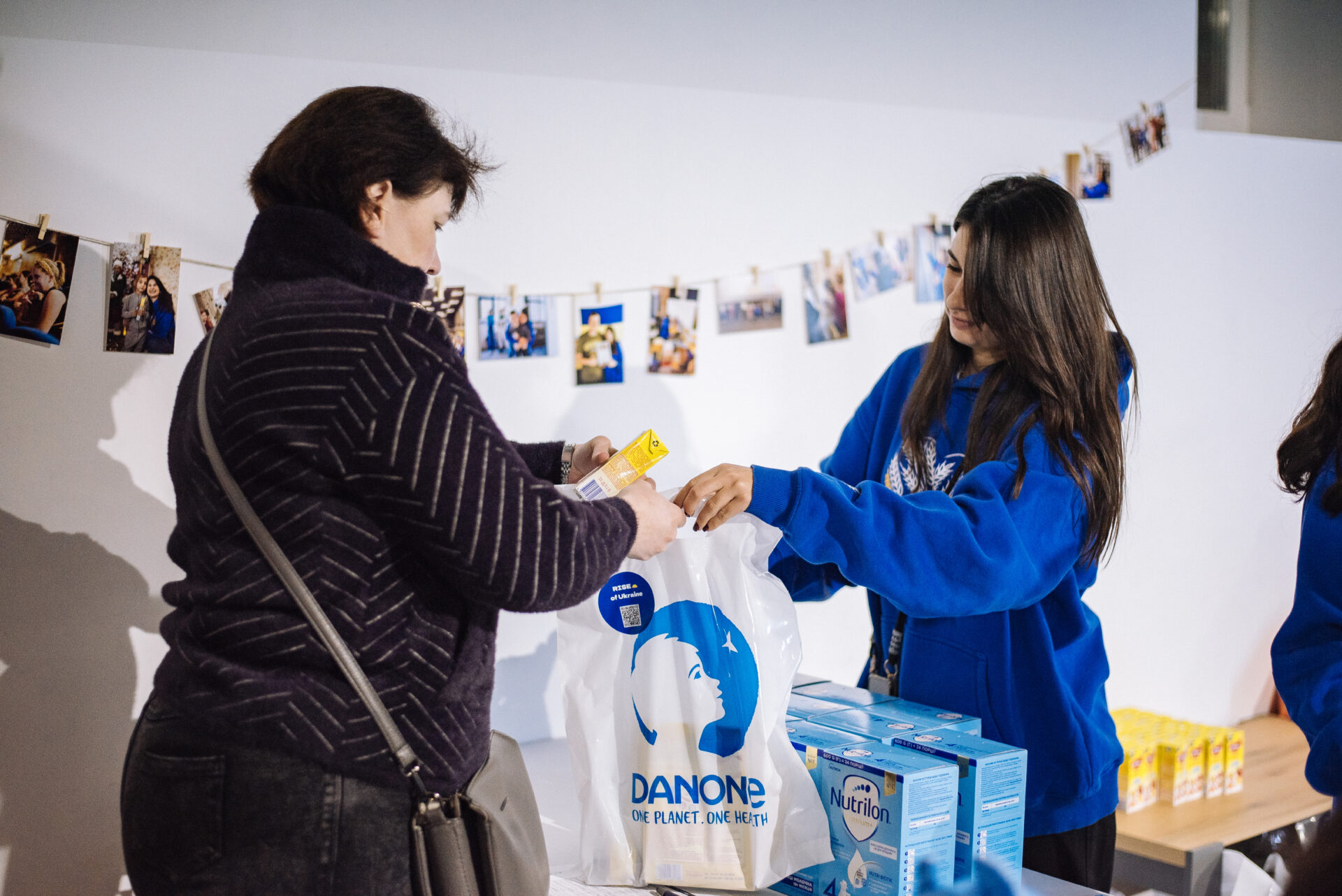
A separate area of work involved participation in independent monitoring of humanitarian initiatives across various regions of Ukraine, including communities with limited data access. This enabled assessment of whether assistance aligned with real needs and allowed for adjustments in response strategies.
From Humanitarian Assistance to Social and Economic Integration
In 2023–2024, the Rise of Ukraine Charity Fund implemented comprehensive IDP support programs that combined humanitarian assistance with tools for social and economic integration. One key direction was professional adaptation and employment support for IDPs through career workshops, educational activities, and Speed Job Interview formats.

These approaches allowed participants to gain practical skills, receive direct feedback from employers, and access real employment opportunities, which for many became the first step toward restoring professional confidence in new communities. Cultural and social activities also played an important role, helping rebuild horizontal connections and a sense of belonging.
Housing as a Key Structural Challenge
After nearly three and a half years of full-scale war, housing remains a critical issue for IDPs. As of late 2024 – early 2025, more than 4.6 million IDPs are officially registered in Ukraine (UN OCHA, 2025). At the same time, only about 11% of territorial communities have social housing, and the total number of such units remains extremely limited (Cedos, 2024).
In large cities, up to 75% of IDPs are forced to rent housing on the commercial market using their own funds, creating additional financial pressure and long-term instability. State programs, including eRecovery, partially alleviate this burden: in 2025, more than 7,300 IDP families were able to purchase housing in safer regions following the expansion of these programs. However, the scale of needs significantly exceeds available resources, highlighting the necessity for systemic solutions in affordable and social housing.
Where We Are Now
The current humanitarian situation in Ukraine demonstrates a persistent dominance of basic needs within the structure of IDP requests. This is confirmed by both international research and direct communication with people living under prolonged instability.
Under these conditions, humanitarian response remains a critical tool for supporting the population. A transition to full-scale recovery will only be possible with stabilization of the security and energy context and a gradual reduction in household vulnerability. At the same time, the combination of humanitarian assistance with tools for social cohesion and economic integration is already laying the groundwork for future recovery.