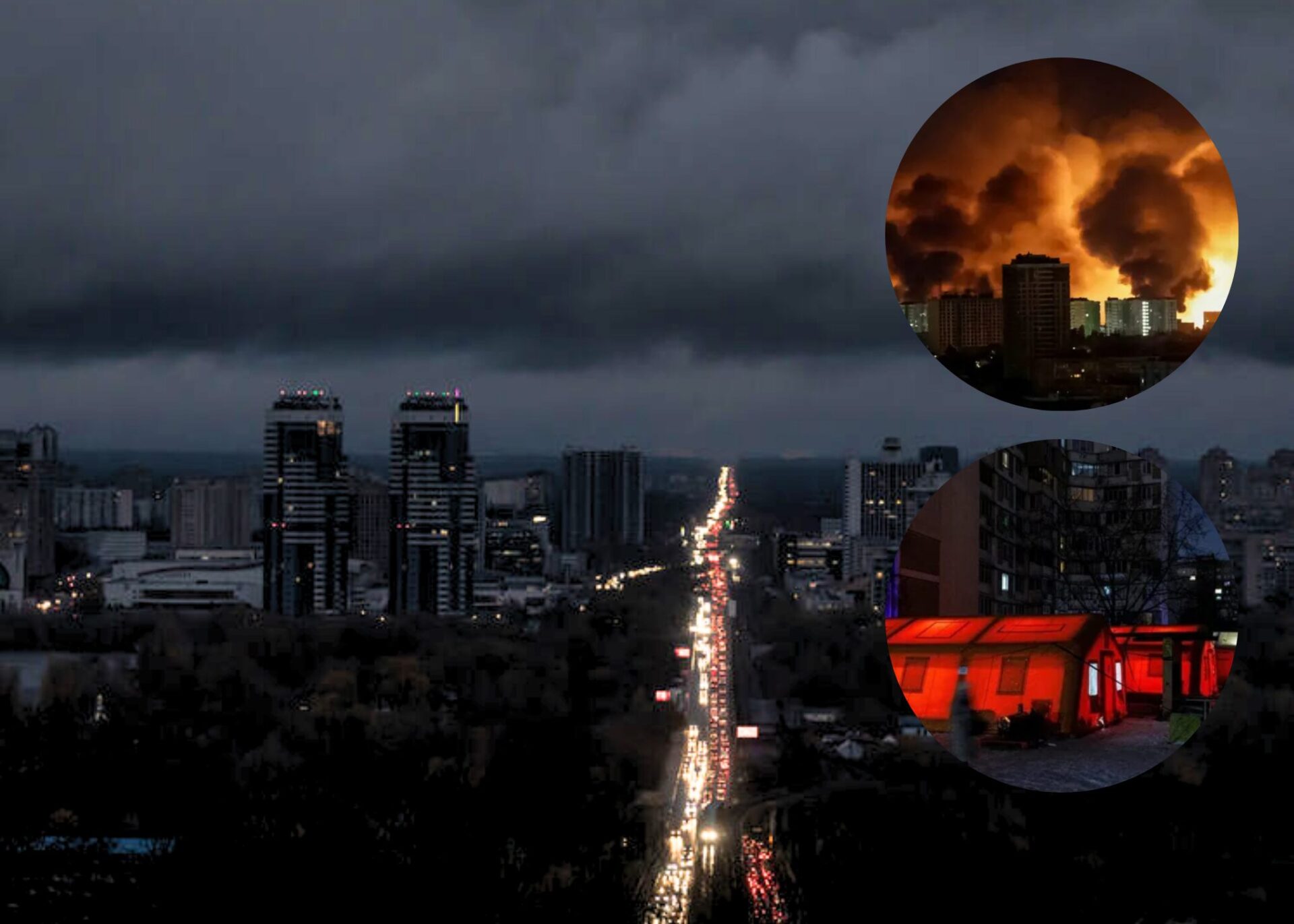


The Ukrainian capital is experiencing one of the most severe energy crises of the full-scale war following Russia’s massive attacks on critical infrastructure.
The city is receiving only about 50% of the electricity needed for its 3.6 million residents, and many districts continue to live without centralized heating and electricity for 18–20 hours a day in severe cold.
Energy Pressure at Its Peak
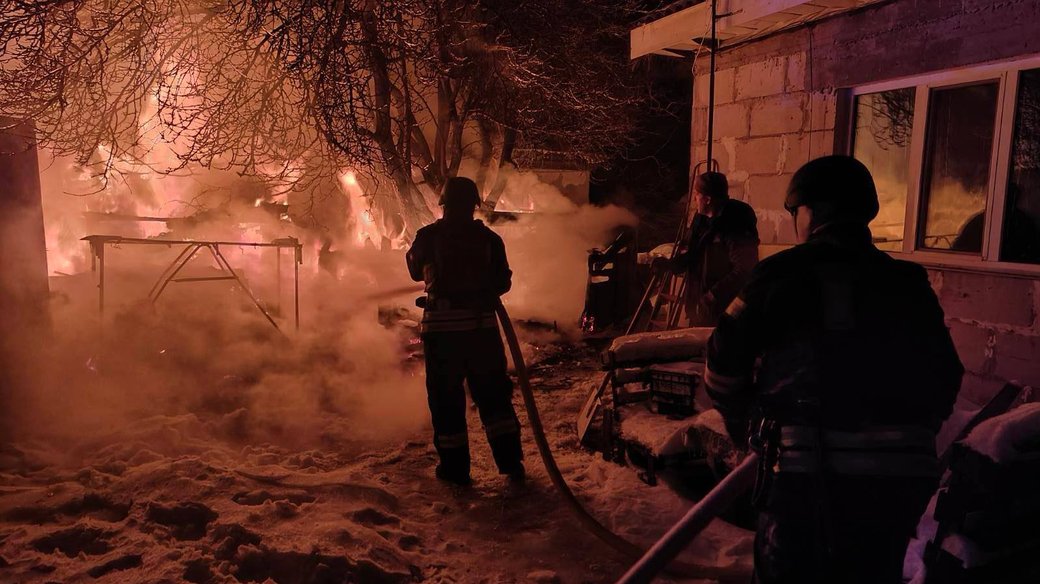
After the large wave of attacks on January 9, which left thousands of buildings without heat due to strikes on thermal power plants and networks, the heating and electricity situation in Kyiv remains critical. In some districts, emergency electricity shutdown schedules are still in effect, and parts of the housing stock still do not have stable heating.
Mayor Vitali Klitschko reported that about 6,000 apartment buildings were left without heating after the strikes, and as of January 16, hundreds of buildings were still not connected to heat due to infrastructure damage and technical difficulties.
Temperatures in Kyiv this week dropped to −18…−19 °C, adding extra pressure on the energy system and residents’ safety.
Due to prolonged electricity outages, many grocery stores are forced to pause operations while waiting for power to return, as generators cannot run throughout the working day.
How Authorities Are Responding and What Is Being Done in the City
The government declared a state of emergency in the energy sector to mobilize resources, speed up repair work, and gain greater flexibility in responding to the crisis.
Authorities have also revised curfew rules: Kyiv residents can now move during curfew to reach “resilience points” or return home, either on foot or using private transport, including taxis, without special passes.
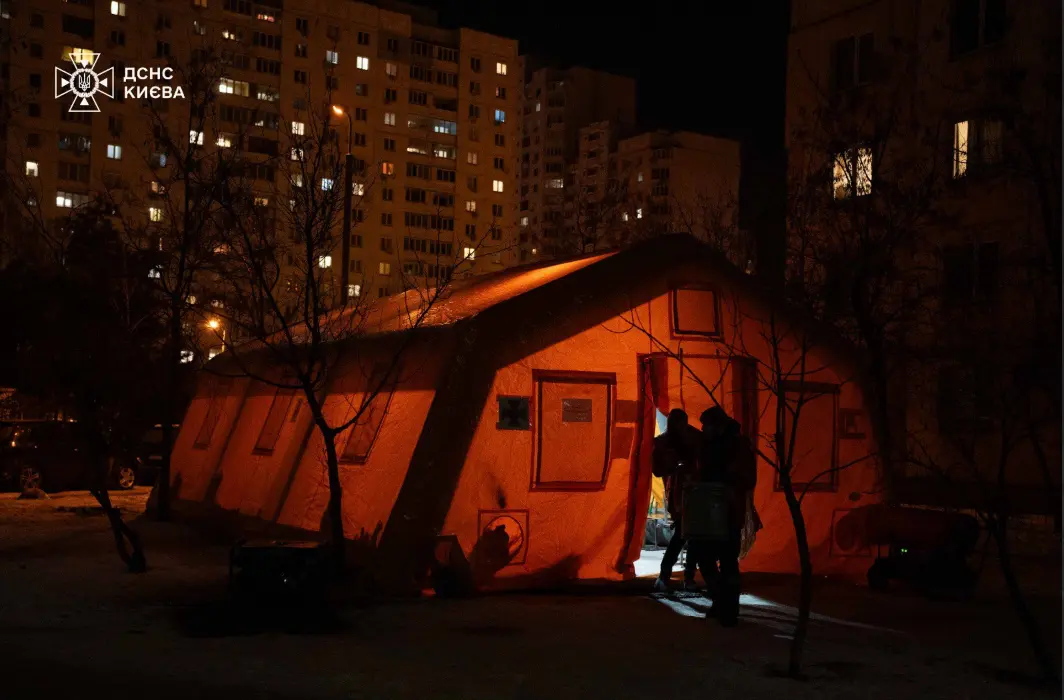
In the capital, over 1,300 heating and resilience points operate around the clock, providing heat, electricity, gadget charging, and communication. Some of these points are located in retail chains and other accessible places for residents.
Additionally, some companies have opened their infrastructure facilities as additional “resilience points” — for example, gas stations with generators, hot drinks, and internet access, where people can wait out the cold and electricity interruptions.
Mayor Vitali Klitschko has explicitly urged Kyiv residents, if possible, to temporarily leave the city to reduce the load on the limited infrastructure.
Conclusion
Kyiv is on the brink of a humanitarian catastrophe: Russian strikes on critical infrastructure have left the city without heat and electricity on hundreds of streets during severe cold. Despite the authorities’ efforts, any new damage to the networks could lead to a large-scale collapse of vital services. The city is living on the edge of survival, and each day under enemy attacks increases the risks for millions of Kyiv residents.