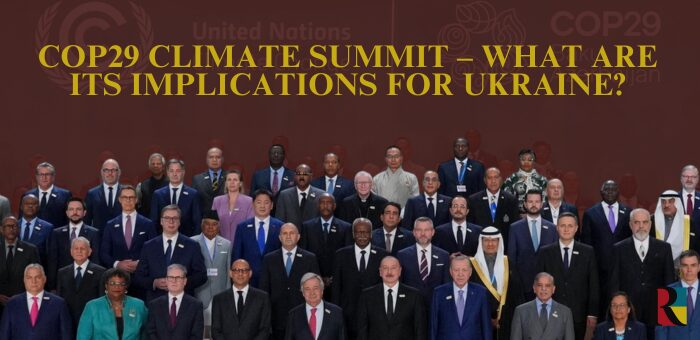


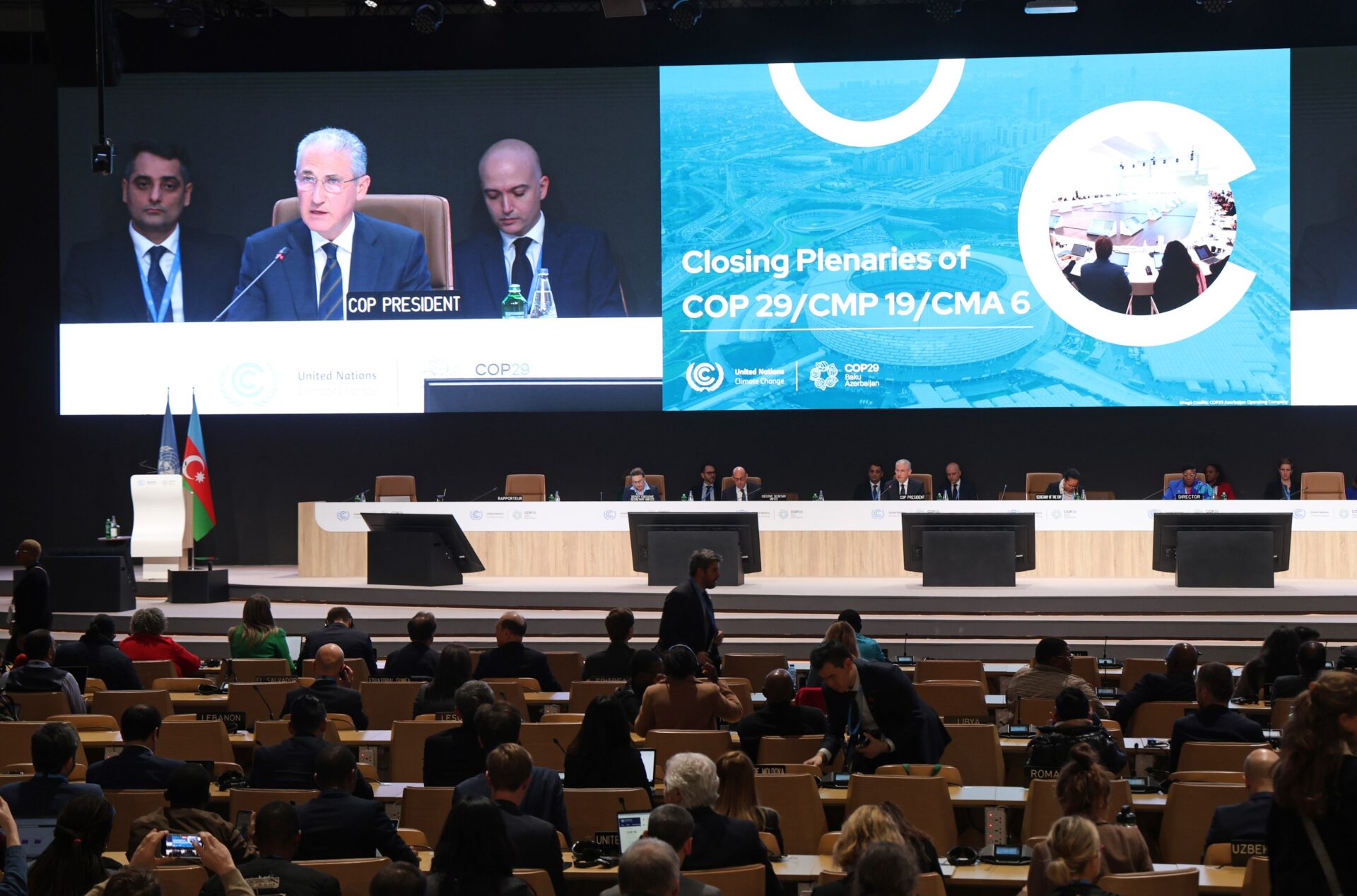
In 2022-2024, the COP27, COP28, and COP29 climate summits were held in Egypt, the United Arab Emirates, and Azerbaijan. The COP (United Nations Climate Change Conference) is the largest annual international event where topical issues of climate change are discussed.
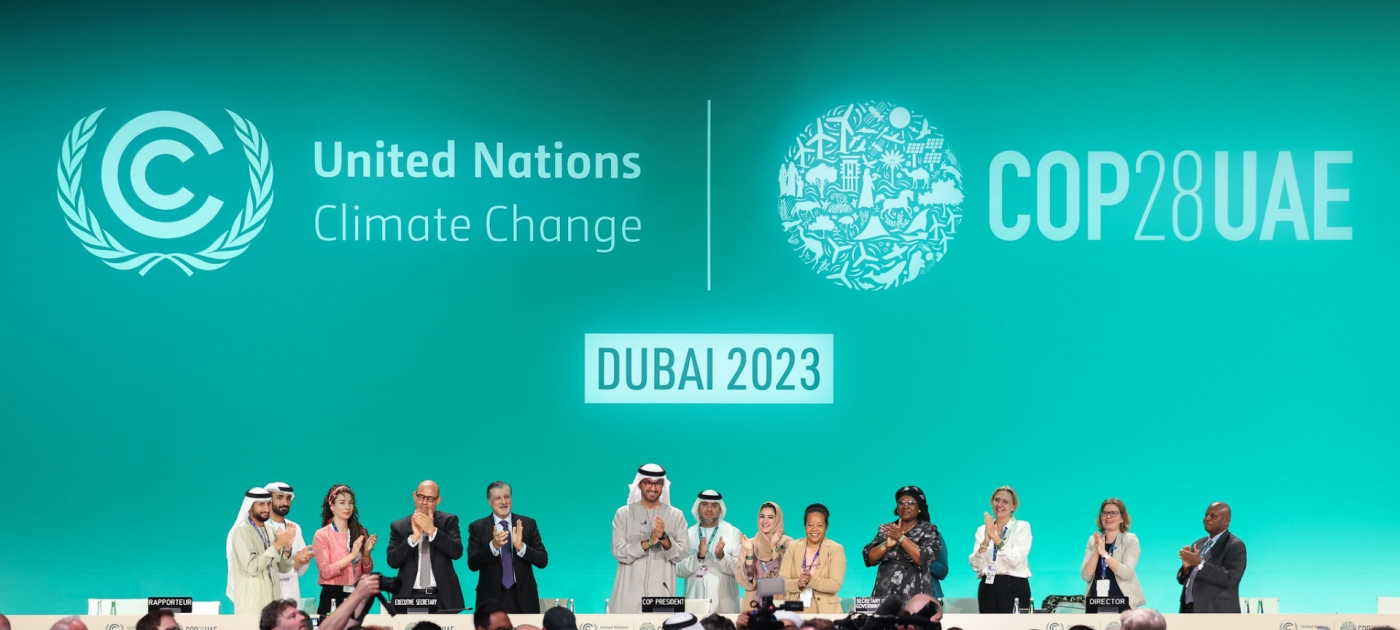
At the COP28 climate conference held in 2023 in the UAE, a declaration on the gradual phase-out of fossil fuels was adopted, with an emphasis on the development of nuclear energy. At that time, more than two dozen countries, including Ukraine, signed the Declaration on the Tripling of Nuclear Power Capacity.
And the COP29 conference held in November 2024 in Baku was a kind of continuation of the agreement concluded during COP28.
We asked experts, as well as representatives of the Ministry of Environmental Protection and Natural Resources of Ukraine, what is Ukraine’s role in this summit, whether the agreement on increasing nuclear capacity will affect the country’s energy situation, and whether it will have any visible global results at all.
Global economy or populism on green policies?
At the COP28 conference, the first global assessment of the Paris Agreement, launched in 2022, was completed. And the COP29 held in Baku was a continuation of the previous summit. According to the Ministry of Environmental Protection, the participants recognized that the world is not meeting the required temperature reduction targets of 2°C and emphasized the need for immediate action to reduce greenhouse gas emissions.
In particular, it was decided to:
- tripling renewable energy capacity and doubling the rate of energy efficiency improvement by 2030
- accelerating the abandonment of coal energy;
- creating energy systems with minimal emissions by the middle of the century;
- Transition from fossil fuels in energy systems to a just and orderly low-emission transition, with the goal of achieving zero emissions by 2050;
- deployment of low- and zero-emission technologies, including renewable energy, nuclear power, carbon capture and storage technologies, and low-carbon hydrogen production;
- Significant reduction of methane and other gas emissions by 2030;
- Reducing emissions from motor vehicles, developing the relevant infrastructure and rapidly introducing zero-emission vehicles;
- ending as soon as possible, fossil fuel subsidies that do not solve the problem of energy poverty.
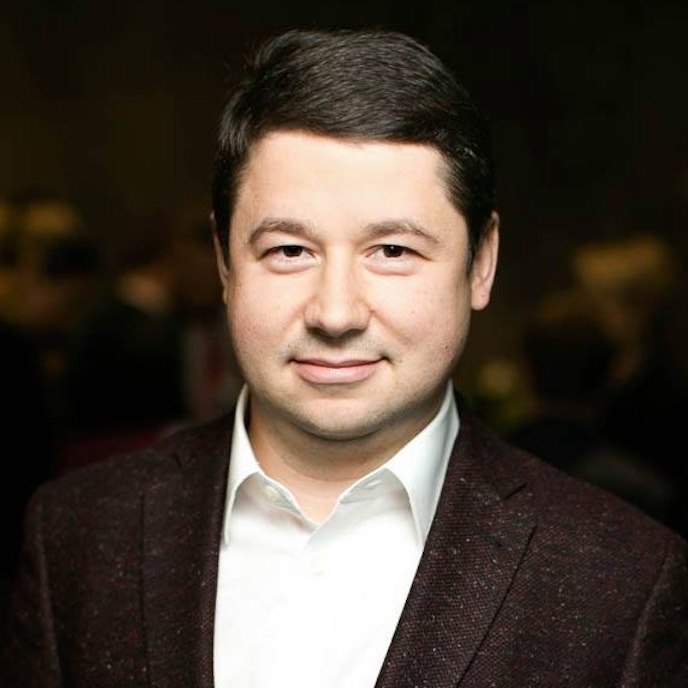
Despite the scale of the decisions taken, they have been repeatedly criticized. The agreement does not contain any strict commitments, and oil and gas exporting countries continue to increase production. For example, Stanislav Zinchenko, Chairman of the EBA Committee on Industrial Ecology and Sustainable Development, does not hide his skepticism. In his opinion, holding the COP in the countries that are the largest oil and gas producers and exporters casts doubt on the sincerity of many statements about the “green transition” and climate ambitions.
Cities like Dubai or Baku are modern economic centers with a great influence on the energy market. However, this very fact already raises doubts about the true intentions of their climate policy initiatives, – the expert explains.
According to Zinchenko, the ambitions for a “green transition” were formed in the world during the period of active globalization, growth of international trade and rapid economic development. After the financial crisis of 2008-2009, these processes changed somewhat, but the overall trend of global economic integration remained stable.
Under such conditions, large-scale initiatives that require significant financial investments without a quick economic return are increasingly skeptical, the expert says.
The Paris Climate Agreement, as an idea, is interesting from the point of view of economic theory and the desire for global standardization. However, from a practical point of view, especially for those who work in production, it looks like another attempt to bring different economic systems to a single denominator, without taking into account their real capabilities and conditions, – Stanislav Zinchenko said.
According to the expert, “green” ambitions have become a tool of populism. According to him, this is also evidenced by the absence of key countries at the summit. Germany, France and the United States have traditionally been leaders in green policy, setting the tone for environmental initiatives.
However, in recent years, environmental reforms in these countries have become part of political populism, which has led to a loss of voter confidence.
Among the reasons:
- Negative impact on the economy.
- Ineffective solutions.
- Lack of funding for the energy transition.
As a result, these countries have begun to promote green policies less, and therefore pay less attention to climate events. Stanislav Zinchenko also drew attention to the absence of Germany, France, and the United States, which have been the main drivers of green policy so far, at COP28. Their participation in such conferences has traditionally been considered important, as these countries set the tone for environmental initiatives.
Agreement on the Development of Nuclear Energy – will it affect Ukraine?
The conclusion of international declarations at events such as COP28 implies the fulfillment of certain obligations by signatory countries. However, these commitments are rather advisory and voluntary. They outline a global trend but do not affect the energy policies of the participating countries.
Volodymyr Omelchenko, Director of Energy and Infrastructure Programs at the Razumkov Center, notes that Ukraine’s priority is to preserve the state, and the issue of long-term prospects can be discussed after the war is over.
Nuclear energy remains a highly developed industry in Ukraine, and this process is likely to continue. However, today, when the country is facing severe challenges in the military, energy and socio-political spheres, it is too early to make accurate forecasts, – the expert said.
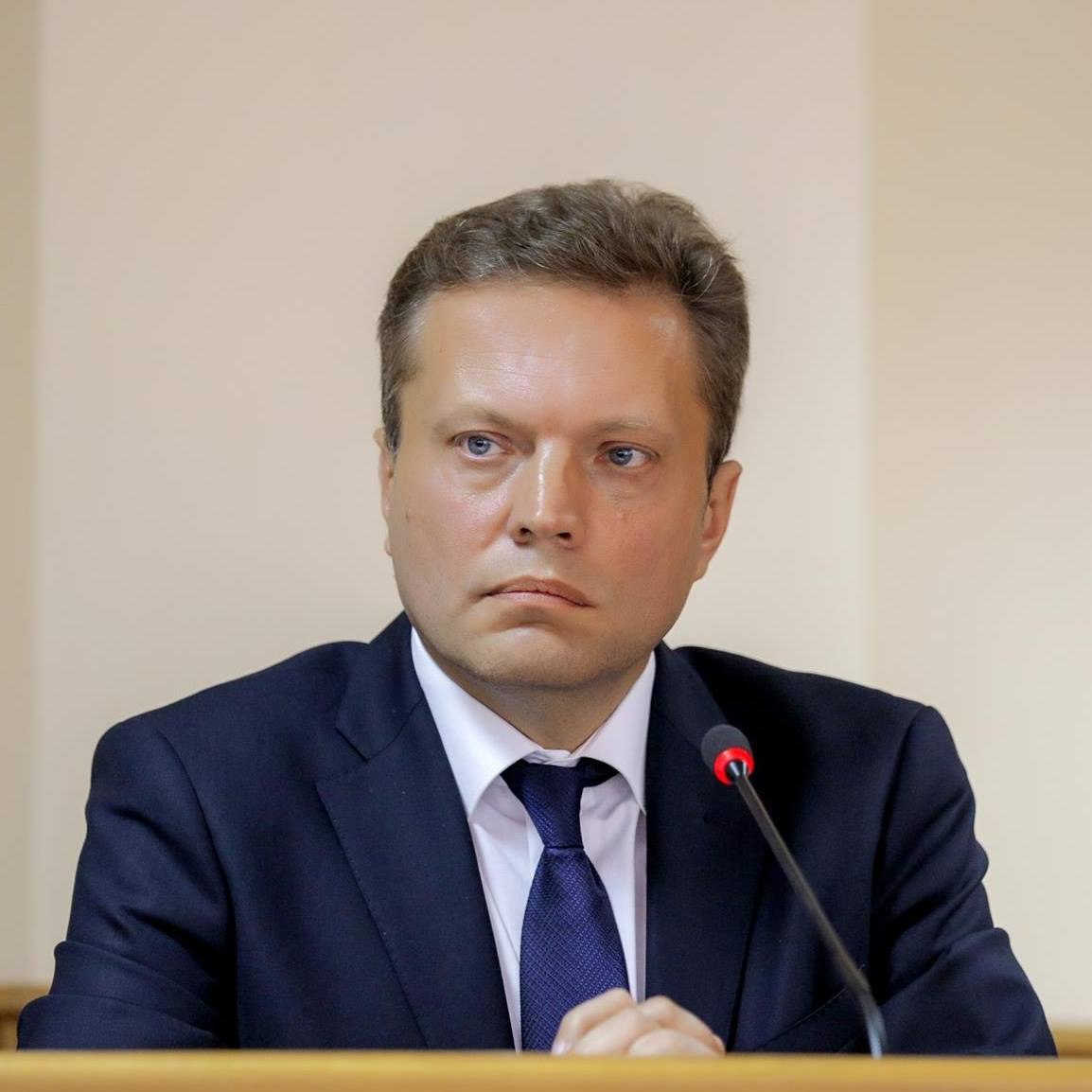
He adds that in reality, climate conferences such as COP28 do not have a direct impact on most processes, such as investments in the construction of nuclear power units or electricity imports. Therefore, Ukraine’s participation in the conferences is not designed to attract investment or develop nuclear cooperation.
During the war, Ukraine is forced to look for temporary solutions to ensure the energy system, but the construction of new energy facilities is currently only at the level of plans. During the war, investors are unlikely to risk financing such large-scale projects due to high risks and uncertainty of the mechanisms for returning funds, – Omelchenko said.
In addition, the Ukrainian energy sector is already facing serious financial problems and debts. Even less risky projects, such as renewable energy, are currently having difficulty investing. Therefore, the issue of attracting international financing for nuclear energy is not yet relevant.
Stanislav Zinchenko emphasizes this point. He notes that Ukraine’s participation in such conferences is important because it used to be one of the world’s leading industrial countries.
Should Ukraine take an active part in such events? Undoubtedly, presence is important. However, given the real economic situation and military circumstances, large-scale participation and large delegations seem excessive. Ukraine’s role in the global and European economy remains relatively small, so expanded representation at such forums is not always justified, especially in terms of taxpayer costs, – the expert explains.
Is investment in Ukraine’s nuclear energy possible?
Zinchenko adds that a strong argument in favor of Ukraine’s participation in climate conferences is the opportunity to present investment projects and access to international financing. The main problem of Ukraine’s economy, in particular in the context of green transformation, is the lack of cheap investment resources.
Over the past 20-25 years, the cost of capital in Europe for companies has fluctuated between 2-4%. For Ukraine, however, obtaining investment funds has always been problematic due to high risks and instability. Therefore, the key goal of Ukraine’s participation in such events is to attract affordable financing for economic modernization and the introduction of new technologies, – the expert emphasizes.
Zinchenko adds that for Ukraine, the “green” transformation is not just an environmental issue, but an economic necessity and survival in the face of European competition.
Before the war, 25-40% of Ukraine’s exports went to the EU, and in 2024, almost 50% of merchandise exports were directed to Europe. In some industries, such as metallurgy, this figure reaches 65-70%. European countries have already modernized their production with government subsidies, grants, and financial support, which makes their products competitive. At the same time, the EU has strict environmental standards that cover not only carbon dioxide emissions but also other aspects of environmental regulation. Ukrainian businesses must meet these standards to maintain access to the European market, and this requires investment.
Therefore, Ukraine’s role at such conferences should be to present specific projects from private enterprises with state support to gain access to international financing.
Fossil fuel divestment – how it will affect sanctions against Russia
One of the key topics of discussion at COP28 is the possible impact of fossil fuel divestment on the strengthening of sanctions against Russia. Although the aggressor country continues to find new markets, they are not as profitable as the European market due to complicated logistics, high costs, and limited liquidity of local currencies.
The reduction of Russian fossil fuel consumption in Europe is already underway. Over the past two years, Russian gas supplies to Europe have fallen by almost 90%, and a similar trend is observed in oil. On January 1, 2025, Ukraine stopped transiting Russian gas through its territory, which will further limit Russia’s energy influence on Europe.
According to the Ministry of Environment, the issue of the “green transition” has become relevant in the context of the Russian-Ukrainian war because the use of fossil fuels not only causes global warming and environmental pollution, but is also a financial source of Russia’s war.
The funds received from the sale of oil and gas are used for the war of aggression. Without these funds, the invader would not have been able to wreak terror for almost 3 years. Refusal from fossil fuels in favor of renewable energy sources is also a matter of justice. Not all countries have access to coal, oil and gas, but all have access to the sun and wind.
Tougher sanctions against Russia: The need to blockade oil exports
In addition to the energy sector, sanctions against Russia should be extended to the oil sector. According to Volodymyr Omelchenko, the current restrictions relate to the insurance of Russian cargo and the setting of oil price caps, but this is not enough.
It is necessary to move to a complete blocking of Russian oil exports in all ports, especially in the Baltic and Black Sea regions. In addition, the introduction of an oil-for-food or medicine mechanism similar to the sanctions imposed on Iran should be considered. This would significantly limit Russia’s financial revenues and weaken its ability to finance the war.
Russia poses threats to Ukraine’s nuclear power industry
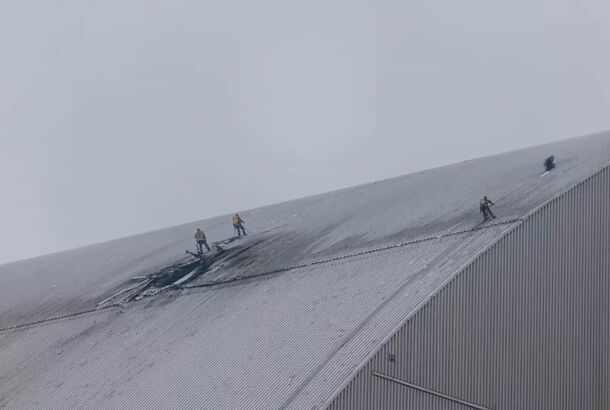
Russia continues to pose threats to Ukraine’s nuclear power industry, as evidenced by recent attacks on substations, including the Chornobyl NPP.
Such actions are actually a hybrid war against Ukraine’s nuclear infrastructure. Even the IAEA has drawn attention to this in its recent statements, emphasizing the high risk of accidents at Ukrainian nuclear power plants.
According to Volodymyr Omelchenko, Ukraine should actively promote this issue internationally not only through the media but also through cooperation with international organizations, demanding tougher sanctions against Rosatom.
In particular, it is necessary to achieve:
- Imposing sanctions against Rosatom’s leadership and adding them to the Interpol lists.
- Removal of Russian representatives from all positions in the IAEA secretariat in Vienna.
- Blocking Rosatom’s accounts around the world.
Rosatom is not just a state-owned corporation, but is actually the main consultant to the Russian army on strikes on Ukraine’s energy infrastructure. Thus, Russia is actually acting as a nuclear terrorist, which even the IAEA has already recognized, – says Volodymyr Omelchenko.
The Ministry of Environmental Protection confirms this opinion and notes that nuclear safety is one of the most important aspects raised by Ukraine in the international arena.
Ukraine is actively calling on international partners to take decisive action to stop the aggressor and ensure stability in nuclear safety. Clause 8 of President Volodymyr Zelenskyy’s “peace formula” on nuclear safety is key to ensuring global security. This initiative demonstrates that Ukraine not only protects its national interests, but also cares about the security of the whole world.
COP28 results for Ukraine
The idea of a complete phase-out of fossil fuels, which is being promoted at international conferences, seems controversial, especially given that such events are held in the countries that are the largest oil and gas exporters. Stanislav Zinchenko believes that this only confirms that most of the statements are more political slogans than real initiatives.
The statement that the “green” transformation will help to increase sanctions pressure on Russia should be assessed separately. In fact, gas consumption in Europe continues to grow, and the share of Russian LNG (liquefied natural gas) in European imports remains at 30-40%.
In addition, neither oil nor gas is solely a fuel. They are basic resources for the chemical industry, agriculture, fertilizer production, plastics, clothing, and many other goods. A complete rejection of these resources is a myth that cannot be realized in the modern world, – says Zinchenko.
He adds that the conclusion is obvious: a complete rejection of fossil fuels is not yet possible either for Europe or for the world. Real steps to reduce dependence on oil and gas should be based on economic calculations, not just political declarations.
What is really important is the energy balance. Ukraine’s experience shows that an efficient energy system should combine nuclear, renewable and conventional generation. Before the war, Ukraine’s energy policy was controversial: the government did not support the development of green energy, but continued to buy electricity from Russia and Belarus. Today, the situation has changed, but Ukraine still needs to develop its own generation to ensure stable tariffs and energy security.
The Ministry of Environment adds that climate change is a global problem that cannot be solved within a single country. Ukraine’s contribution to total global greenhouse gas emissions is currently about 0.5%.
Despite the war, we continue to fulfill our international obligations to report on greenhouse gas emissions and absorption, including from the use of fossil fuels, – the Ministry explains.
However, the priority task now is to reduce the use of Russian fossil resources. The Ministry of the Environment argues that the abandonment of fossil fuels is of strategic importance not only for combating climate change, but also for weakening Russia’s economic influence. Fossil fuel phase-out is not only an environmental challenge, but also an important political and economic task.
The world’s dependence on fossil fuels, including Russian oil and gas, not only accelerates global warming, but also helps finance Russia’s aggressive war against Ukraine. Therefore, this issue needs to be addressed immediately at the global and national levels.
Reducing revenues from oil and gas exports deprives the aggressor of financial resources to continue the war. Therefore, this issue is simultaneously an environmental, economic and security challenge.
By Dariia Podvyshenna